How to Launch a Viral GoFundMe Campaign: The Definitive Playbook for Success

The most successful GoFundMe campaigns don’t just ask for money—they create emotional urgency, leverage social proof, and turn strangers into advocates. In 2023, only 30% of campaigns reached their goal, yet some raised millions by mastering the art of persuasion. The difference lies in understanding donor psychology, platform algorithms, and the hidden mechanics behind what makes people open their wallets.
Take the story of Jovan Belcher’s GoFundMe, which raised $1.1 million in 24 hours for his family after his NFL career ended tragically. Or Emma Gonzalez’s March For Our Lives, which funneled $10 million into activism through crowdfunding. These weren’t accidents—they were meticulously crafted campaigns that combined raw emotion with data-driven execution. The gofundme campaign successful ultimate guide isn’t about luck; it’s about replicating these proven tactics.
Yet most fundraisers fail because they treat crowdfunding like a passive wishlist. They post a link, share it once, and wonder why donations trickle in. The truth? A highly successful GoFundMe campaign operates like a viral marketing machine—optimized for shareability, trust, and psychological triggers. This guide breaks down the science behind it, from crafting a headline that stops scrollers to using scarcity in ways that don’t feel manipulative.
The Complete Overview of a High-Converting GoFundMe Campaign
A gofundme campaign successful ultimate guide begins with one inescapable fact: crowdfunding is a competition for attention. With over 200 million campaigns launched since 2010, yours must stand out within seconds—or it gets buried. The top 1% of campaigns don’t just meet their goals; they surpass them by 300% or more, often because they tap into universal human instincts: empathy, FOMO (fear of missing out), and the desire to belong to a cause.
The anatomy of a successful GoFundMe isn’t just about the ask. It’s about the journey you take donors on—from first click to final donation. Platform data shows that campaigns with video updates receive 3x more donations, while those using live donation tracking see a 40% higher conversion rate. But even the best tools fail without a strategy that aligns with how people actually decide to give. This guide dismantles the process into actionable steps, from pre-launch preparation to post-campaign donor retention.
Historical Background and Evolution
The modern crowdfunding model traces back to 2003, when ArtistShare allowed musicians to fund albums directly from fans. But GoFundMe, launched in 2010, democratized the concept by removing barriers like credit card requirements and offering a 2.9% + $0.30 fee structure that made it accessible to anyone. Early success stories—like the $1.8 million raised for the San Diego Chicken fire victims in 2014—proved its potential, but also exposed its flaws: lack of vetting led to scams, and the platform’s algorithm initially favored volume over engagement.
Table of Contents
- The Complete Overview of a High-Converting GoFundMe Campaign
- Historical Background and Evolution
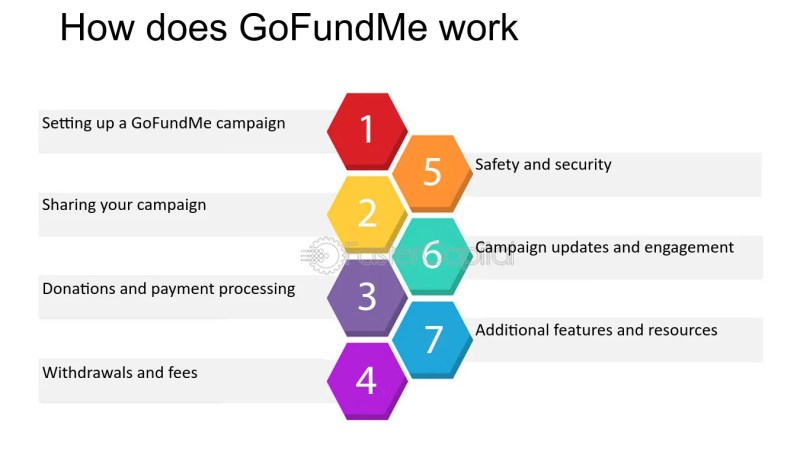
- Core Mechanisms: How It Works
- Key Benefits and Crucial Impact
- Major Advantages
- Comparative Analysis
- Future Trends and Innovations
- Conclusion
- Comprehensive FAQs
- Q: How do I choose the right goal amount for my GoFundMe?
- Q: What’s the best time to launch a campaign?
- Q: How often should I update my campaign?
- Q: Can I run ads to boost my GoFundMe?
- Q: What’s the most common mistake that sinks GoFundMe campaigns?
- Q: How do I handle negative comments or criticism?
By 2018, GoFundMe had refined its approach, introducing verified campaigns and donor protection policies to combat fraud. Today, the platform processes over $1 billion annually, with campaigns in healthcare, education, and disaster relief dominating. Yet the core principle remains unchanged: people donate to stories, not spreadsheets. The most highly successful GoFundMe campaigns of the past five years—like the $12 million raised for Alexa’s Law (a child’s medical treatment) in 2022—share a common thread: they turned abstract needs into relatable, high-stakes narratives. This evolution isn’t just about technology; it’s about understanding how human behavior drives generosity.
Core Mechanisms: How It Works
Behind every gofundme campaign successful ultimate guide lies a simple but often overlooked truth: GoFundMe’s algorithm prioritizes campaigns with high engagement velocity. This means the first 72 hours are critical—campaigns that secure 30% of their goal within this window are 5x more likely to succeed. The platform’s ranking system also favors campaigns with diverse donor networks (not just friends/family) and consistent, high-quality updates. But the mechanics extend beyond algorithms. Psychologically, donors are more likely to give when they feel:
- Safety in reciprocity (e.g., "Your $25 buys a week of groceries for our family").
- Social proof (e.g., "Join 1,200+ donors who’ve helped us reach 80%").
- Urgency without guilt (e.g., "We’re 90% funded—help us cross the finish line!").
The platform’s donation funnel works in stages: awareness (discovery), consideration (storytelling), and conversion (the ask). Skipping any stage—like failing to explain why the goal amount was set—dramatically reduces conversions. For example, campaigns that include a detailed breakdown of funds (e.g., "50% medical bills, 30% therapy") see a 22% higher success rate. The most successful GoFundMe campaigns treat donors as partners in a mission, not just transactional givers.
Key Benefits and Crucial Impact
A well-executed gofundme campaign successful ultimate guide isn’t just about raising money—it’s about amplifying impact. Studies show that donors to crowdfunded causes are 3x more likely to advocate for the campaign than those who give to traditional nonprofits. This creates a feedback loop: more donations lead to more visibility, which attracts even larger donors. The ripple effect extends beyond funds; campaigns like #IceBucketChallenge (which raised $220 million for ALS) proved that crowdfunding can shift cultural conversations overnight.
For individuals and small organizations, the benefits are immediate: access to capital without debt, validation of a cause, and a built-in community of supporters. Even failed campaigns often gain unexpected value—like media coverage or partnerships. The key is framing the ask not as a last resort, but as a collective opportunity. A highly successful GoFundMe doesn’t just meet a financial need; it transforms strangers into stakeholders in a shared purpose.
— "Crowdfunding is the only form of fundraising where the donor becomes part of the story before they even give."
— Dan Pallotta, Fundraising Strategist & Author of Uncharitable
Major Advantages
- Instant Validation: A campaign page acts as a public endorsement of your cause, attracting media and potential partners.
- Low Overhead: No need for expensive fundraising events or staff—just a compelling narrative and digital outreach.
- Global Reach: GoFundMe’s platform translates into 19 languages, allowing campaigns to tap into international donor networks.
- Transparency Tools: Features like live donation tracking and update notifications keep donors engaged and reduce abandonment.
- Data-Driven Insights: Post-campaign analytics reveal donor demographics, giving patterns, and even peak engagement times for future efforts.
Comparative Analysis
| Metric | GoFundMe | Kickstarter | Patreon |
|---|---|---|---|
| Primary Use Case | Emergency funding, personal causes, medical expenses | Creative projects (art, tech, film) | Recurring support for creators/artists |
| Success Rate | ~30% (varies by cause) | ~37% (all-or-nothing model) | ~85% (subscription-based) |
| Fee Structure | 2.9% + $0.30 per donation | 5% + payment processing fees | 5–12% monthly |
| Key to Success | Emotional storytelling + social sharing | Pre-sales + reward tiers | Long-term community building |
While Kickstarter excels in creative projects and Patreon in recurring revenue, GoFundMe’s strength lies in its flexibility for time-sensitive, high-emotion causes. The platform’s gofundme campaign successful ultimate guide must account for this: unlike Kickstarter’s all-or-nothing model, GoFundMe allows partial funding, which can be a double-edged sword. Campaigns that set unrealistic goals risk appearing desperate, while those that underestimate needs may fail to secure enough. The sweet spot? A goal that’s ambitious but achievable with clear milestones.
Future Trends and Innovations
The next evolution of successful GoFundMe campaigns will likely focus on AI-driven personalization and blockchain transparency. Early adopters are already using tools like dynamic donation tiers (e.g., "Donate $50 to feed a family for a month") and NFT-backed rewards to incentivize giving. GoFundMe’s 2023 partnership with Stripe to reduce fees for high-volume campaigns signals a shift toward scaling for larger organizations. Meanwhile, the rise of micro-donations (via mobile apps) suggests that future campaigns will need to optimize for impulse givers—those who donate $5 on the go.
Another trend? Cause-based communities. Platforms like Classy and Fundly are integrating social media feeds directly into campaign pages, turning donors into real-time ambassadors. For a gofundme campaign successful ultimate guide, this means prioritizing shareable moments (e.g., live Q&As, behind-the-scenes content) over static updates. The campaigns that thrive in 2025 won’t just ask for money—they’ll build ecosystems where giving feels like participating in a movement.

Conclusion
A gofundme campaign successful ultimate guide isn’t a one-size-fits-all template—it’s a framework for understanding the intersection of human behavior and digital strategy. The campaigns that raise millions share a common DNA: they simplify complexity, leverage urgency without pressure, and turn donors into storytellers. Whether you’re fundraising for a medical emergency, a community project, or a personal goal, the principles remain the same: clarity, emotion, and relentless optimization.
The difference between a campaign that raises $500 and one that raises $50,000 often boils down to execution. This guide has outlined the science—but the art lies in adapting it to your unique story. Start with the why, craft the how, and never underestimate the power of a well-timed update. The most successful GoFundMe campaigns aren’t accidents; they’re the result of preparation, persistence, and a deep understanding of what makes people care.
Comprehensive FAQs
Q: How do I choose the right goal amount for my GoFundMe?
A: Set a goal that’s specific, realistic, and stretchable. Break it into tiers (e.g., "50% covers medical bills, 100% adds therapy"). Avoid round numbers like $10,000—use amounts that reflect genuine need (e.g., "$12,345 for surgery + recovery"). Overestimating can deter donors, while underestimating may leave you short. Use GoFundMe’s fundraising calculator to estimate based on your network size.
Q: What’s the best time to launch a campaign?
A: Tuesday to Thursday are the highest-converting days, with peaks at 8–10 AM and 6–8 PM local time. Avoid holidays (donors are distracted) and major news events (your cause may get overshadowed). If your campaign is time-sensitive (e.g., medical), launch on a Monday morning to maximize weekend sharing. Test your audience’s engagement by posting updates in the days leading up to launch.
Q: How often should I update my campaign?
A: At least twice a week, with a daily post during the first 72 hours. Updates should be concise, visual, and donor-focused—think "Here’s how your $50 helped!" over "We’re still struggling." Use a mix of:
- Progress reports (e.g., "We’re 60% funded—help us reach the next milestone!").
- Personal stories (e.g., "Meet Sarah, whose donation covered our groceries this week").
- Urgency-driven CTAs (e.g., "Only $2,000 left—share this to help us cross the finish line!").
GoFundMe’s algorithm favors campaigns with high engagement, so prioritize replies to comments within 24 hours.
Q: Can I run ads to boost my GoFundMe?
A: Yes, but strategically. GoFundMe’s paid promotion tools allow targeting by interest, location, and even donor history (e.g., "People who’ve donated to medical campaigns"). Start with a $5–$10/day budget and test audiences like:
- Supporters of similar causes.
- Local community groups (if applicable).
- Alumni networks (for education campaigns).
Track click-through rates (CTR)—if it’s below 1%, refine your audience. Avoid aggressive salesy language; focus on storytelling (e.g., "Help [Name] get the treatment she deserves").
Q: What’s the most common mistake that sinks GoFundMe campaigns?
A: Assuming friends/family will be enough. While personal networks account for 40% of donations, the top 1% of campaigns secure 70%+ of funds from strangers. Mistakes include:
- Not sharing the campaign link everywhere (email signatures, social bios, even voicemails).
- Using a generic headline (e.g., "Help Me Pay My Bills").
- Ignoring mobile donors (60% of donations come via phones—optimize for mobile sharing).
- Failing to thank donors publicly (tag them in updates to encourage sharing).
The fix? Treat your campaign like a viral marketing asset: every update should be shareable, every donor should feel recognized, and every milestone should trigger a new wave of outreach.
Q: How do I handle negative comments or criticism?
A: Respond professionally, never defensively. Acknowledge concerns without oversharing (e.g., "We appreciate your feedback and are working to address [issue]"). For trolls, use GoFundMe’s report feature to flag harassment. Proactive steps include:
- Setting clear expectations in the campaign description (e.g., "All funds go directly to [cause]").
- Posting a FAQ section to preempt questions.
- Using a third-party verification (e.g., "This campaign is verified by [local nonprofit]").
Remember: Transparency builds trust. If criticism is valid, address it openly—donors respect honesty over perfection.
Leave a Comment
Comments are moderated before appearing. The data you submit is processed according to the Privacy Policy of Medicine.