How GoFundMe Pages Work: The Definitive Guide to Crowdfunding Success
GoFundMe has redefined how individuals and communities raise funds for emergencies, medical bills, education, or personal causes. Unlike traditional fundraising, which relies on banks, nonprofits, or personal networks, GoFundMe leverages the power of social sharing and digital trust to turn strangers into supporters. The platform’s simplicity—create a page, share a story, and let contributions flow—masks the complexity behind its success. Yet, behind every viral campaign lies a calculated approach: compelling storytelling, strategic sharing, and an understanding of donor psychology. This guide dismantles the mystique, explaining how GoFundMe pages work at their core and how to optimize them for maximum impact.
The platform’s growth mirrors the shift toward digital philanthropy. What began as a tool for personal crises has evolved into a mainstream fundraising method, used by activists, small businesses, and even large-scale disaster relief efforts. The numbers speak for themselves: over $20 billion raised globally, with campaigns spanning from a single parent’s medical fund to global humanitarian aid. But not all campaigns succeed. The difference between a $500 raise and a $50,000 fundraiser often boils down to execution—how the page is structured, who sees it, and why donors feel compelled to contribute. This guide cuts through the noise, offering actionable insights into how GoFundMe pages work and how to leverage them effectively.
Fundraising isn’t just about asking for money; it’s about building trust. GoFundMe’s algorithm favors pages that demonstrate transparency, urgency, and authenticity. A well-crafted campaign doesn’t just list a goal—it tells a story that resonates emotionally. Whether you’re raising funds for a family in crisis, a creative project, or a community initiative, understanding the mechanics of the platform is the first step. From fee structures to donor incentives, every detail matters. Below, we break down the anatomy of a successful GoFundMe page, its historical evolution, and the strategies that turn good campaigns into extraordinary ones.
The Complete Overview of How GoFundMe Pages Work
GoFundMe operates on a peer-to-peer crowdfunding model, where individuals or organizations create a fundraising page to solicit donations from a global audience. The platform’s user-friendly interface allows creators to set a fundraising goal, share their story, and accept contributions via credit card, PayPal, or bank transfer. What sets GoFundMe apart is its emphasis on personal connection—donors contribute not just to a cause, but to a person or a relatable narrative. This human-centric approach has made it the go-to platform for medical emergencies, education funds, and disaster relief, where traditional funding sources fall short.
The platform’s success hinges on three pillars: accessibility, trust, and virality. Accessibility is ensured through low barriers to entry—anyone with an internet connection can create a page. Trust is built through verification processes, secure payment gateways, and donor protections (e.g., refunds for unauthorized charges). Virality is amplified by GoFundMe’s integration with social media, email, and even SMS sharing tools. A well-optimized page can spread organically, but without a strategic approach, even the most compelling stories may struggle to gain traction. Understanding how GoFundMe pages work means recognizing these pillars and aligning your campaign with them.
Historical Background and Evolution
Founded in 2010 by Brad Damphouse, Zak Blumenthal, and Chris Larimer, GoFundMe emerged as a response to the limitations of traditional fundraising. Early adopters used the platform for personal crises—medical bills, funeral expenses, or unexpected life events—where banks and credit cards were either unavailable or insufficient. The platform’s rapid growth was fueled by high-profile cases, such as the 2012 fundraising campaign for a young girl battling leukemia, which raised over $1 million. This early success demonstrated the power of digital crowdfunding to mobilize global support for individuals in need.
Table of Contents
- The Complete Overview of How GoFundMe Pages Work
- Historical Background and Evolution
- Core Mechanisms: How It Works
- Key Benefits and Crucial Impact
- Major Advantages
- Comparative Analysis
- Future Trends and Innovations
- Conclusion
- Comprehensive FAQs
- Q: How long does it take for GoFundMe to process a donation?
- Q: Can I create a GoFundMe page for a business or nonprofit?
- Q: What happens if I don’t reach my fundraising goal?
- Q: How can I increase visibility for my GoFundMe page?
- Q: Are there any restrictions on how I can use the funds?
- Q: What fees does GoFundMe charge, and are there ways to reduce them?
- Q: Can I run multiple GoFundMe campaigns at once?
- Q: How does GoFundMe handle donor privacy?
- Q: What should I do if my GoFundMe page gets flagged or restricted?
- Q: Are there any tax implications for creators or donors?
By 2015, GoFundMe had expanded beyond personal causes to include charitable initiatives, small business funding, and even political campaigns. The platform’s acquisition by GoFundMe LLC in 2016 (later rebranded as GoFundMe Charitable) solidified its position as a leader in the crowdfunding space. Today, it processes millions of transactions annually, with campaigns ranging from grassroots movements to corporate-sponsored initiatives. The evolution of GoFundMe reflects broader trends in digital philanthropy, where transparency, speed, and personal connection outweigh traditional fundraising models. For creators, this means adapting to a landscape where how GoFundMe pages work is as much about technology as it is about human behavior.
Core Mechanisms: How It Works
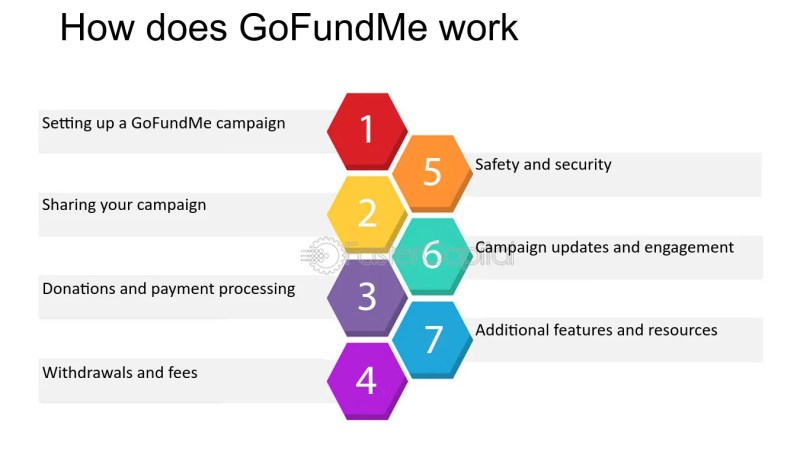
At its core, GoFundMe functions as a digital marketplace for generosity. When a user creates a fundraising page, they provide essential details: the campaign’s purpose, a personal story, a fundraising goal, and a timeline. The platform then generates a shareable link, which creators distribute via social media, email, or word of mouth. Donors can contribute using credit/debit cards, PayPal, or bank accounts, with funds processed securely through Stripe or other payment gateways. GoFundMe takes a 2.9% + $0.30 fee per transaction, plus an optional 0% platform fee (though some campaigns may incur additional costs for currency conversion or premium features).
The real magic happens in the sharing and engagement phase. GoFundMe’s algorithm prioritizes pages with high engagement—likes, shares, and comments—indicating authenticity and urgency. Creators can boost visibility by adding multimedia (videos, photos), updating progress transparently, and leveraging social proof (e.g., testimonials from early donors). The platform also offers tools like "Share Buttons" and "Embedded Widgets" to integrate fundraising into websites or email campaigns. Understanding these mechanics is critical for anyone looking to maximize their campaign’s reach, as how GoFundMe pages work is deeply tied to user interaction and platform optimization.
Key Benefits and Crucial Impact
GoFundMe’s impact extends beyond individual fundraisers, reshaping how communities and organizations approach philanthropy. For donors, the platform offers a direct way to support causes they care about, with funds reaching recipients faster than traditional channels. For creators, it provides an alternative to loans, grants, or crowdfunding platforms with stricter eligibility criteria. The emotional connection fostered by GoFundMe—where donors see the faces and stories behind campaigns—creates a sense of purpose that generic donations often lack. This human element is what drives the platform’s success and sets it apart from corporate-sponsored fundraising.
The data underscores GoFundMe’s influence. In 2023 alone, the platform facilitated over $1 billion in donations for medical expenses, education, and disaster relief. Campaigns like those for the 2020 COVID-19 pandemic or the 2021 Texas winter storm demonstrated the platform’s ability to mobilize rapid, large-scale support. Yet, the true measure of GoFundMe’s impact lies in its ability to democratize fundraising. Small businesses, individual artists, and grassroots activists now have a viable channel to secure funding without relying on institutional backers. As digital philanthropy grows, so does the need to understand how GoFundMe pages work to harness its full potential.
"Crowdfunding isn’t just about raising money; it’s about raising awareness. The most successful campaigns don’t just ask for donations—they invite people into a story."
— Brad Damphouse, Co-founder of GoFundMe
Major Advantages
- Global Reach: GoFundMe’s international presence allows campaigns to attract donors worldwide, breaking geographical barriers that limit traditional fundraising.
- Low Barriers to Entry: Unlike grants or loans, GoFundMe requires no credit checks, business plans, or institutional approval—just a compelling story and a shareable link.
- Transparency and Trust: Donors can track funds in real-time, and GoFundMe offers protections against fraud, building credibility with contributors.
- Multimedia Integration: Videos, photos, and updates keep donors engaged, making the campaign feel dynamic and authentic.
- Flexible Use of Funds: Creators can allocate funds as needed (e.g., medical bills, travel, equipment), unlike restricted grants or loans.

Comparative Analysis
| Feature | GoFundMe | Alternative Platforms (e.g., Kickstarter, Indiegogo) |
|---|---|---|
| Primary Use Case | Personal causes, medical, education, disasters | Creative projects, startups, business funding |
| Fee Structure | 2.9% + $0.30 per transaction + optional platform fee | Varies (e.g., Kickstarter takes 5% + payment processing fees) |
| Funding Model | Donation-based (no equity or rewards) | Reward-based (backers receive products/services) or equity-based |
| Speed of Funding | Instant donations, real-time updates | Delayed payouts (e.g., Kickstarter funds only after campaign ends) |
Future Trends and Innovations
The future of GoFundMe lies in its ability to adapt to evolving donor behaviors and technological advancements. One emerging trend is the integration of artificial intelligence to personalize fundraising strategies—such as suggesting optimal sharing times or identifying potential donor networks. Additionally, blockchain technology could enhance transparency by enabling immutable records of donations, reducing fraud risks. For creators, this means staying ahead of trends like "micro-donations" (small, frequent contributions) and "cause-based" campaigns that align with social movements. As digital philanthropy becomes more mainstream, platforms like GoFundMe will need to balance accessibility with advanced tools to meet the needs of both individual fundraisers and large-scale initiatives.
Another key innovation is the rise of "social fundraising," where campaigns leverage influencer partnerships or corporate matching programs to amplify reach. GoFundMe has already experimented with features like "Team Fundraising," where groups can collaborate on a single cause, and "Recurring Donations," allowing supporters to contribute monthly. Future developments may include AI-driven storytelling tools to help creators craft more compelling narratives or gamified donation challenges to boost engagement. For those navigating how GoFundMe pages work today, staying informed about these trends will be essential for maintaining a competitive edge in an increasingly crowded digital philanthropy landscape.

Conclusion
GoFundMe’s power lies in its simplicity and humanity. While the platform’s mechanics—fees, sharing tools, and payment processing—are straightforward, the art of fundraising remains deeply personal. The most successful campaigns don’t rely on luck; they combine a clear goal, a compelling story, and strategic execution. Whether you’re raising funds for a medical emergency, a creative project, or a community cause, understanding how GoFundMe pages work is the first step toward success. The platform’s growth reflects a broader shift toward digital philanthropy, where trust, transparency, and connection drive donations.
As crowdfunding continues to evolve, creators must adapt by leveraging new tools, engaging donors authentically, and staying ahead of trends. The key takeaway is this: GoFundMe isn’t just a fundraising tool—it’s a community. By mastering its features and understanding its dynamics, you can turn a personal cause into a shared movement. For donors, the opportunity to make an immediate, tangible impact has never been more accessible. In an era where traditional fundraising models are struggling, platforms like GoFundMe offer a lifeline—one that thrives on the belief that anyone, anywhere, can make a difference.
Comprehensive FAQs
Q: How long does it take for GoFundMe to process a donation?
A: Donations are typically processed within 1–3 business days, depending on the payment method. Credit/debit cards and PayPal transactions are usually faster, while bank transfers may take longer. Funds are available in the campaign’s balance once processed, but payouts to the creator’s bank account can take an additional 2–5 business days.
Q: Can I create a GoFundMe page for a business or nonprofit?
A: Yes, but with restrictions. Businesses can use GoFundMe for personal causes (e.g., employee emergencies) but not for profit-driven ventures. Nonprofits must comply with tax regulations and may need to provide additional verification. Always review GoFundMe’s Terms of Service for specific guidelines.
Q: What happens if I don’t reach my fundraising goal?
A: GoFundMe is an all-or-nothing platform for donations—you keep 100% of the funds raised, even if you don’t hit your goal. Unlike reward-based crowdfunding (e.g., Kickstarter), there’s no penalty for falling short. However, setting a realistic goal and updating donors regularly can improve your chances of success.
Q: How can I increase visibility for my GoFundMe page?
A: Optimize your page with high-quality images, a clear story, and frequent updates. Share your link on social media, email newsletters, and local community groups. Engage with early donors by thanking them publicly, and consider partnering with influencers or organizations aligned with your cause. GoFundMe’s algorithm also favors pages with high engagement, so encourage likes and comments.
Q: Are there any restrictions on how I can use the funds?
A: GoFundMe allows flexible use of funds, but creators must adhere to the campaign’s stated purpose. Misusing funds (e.g., using medical funds for personal expenses) can result in account suspension or legal consequences. Always be transparent with donors about how contributions will be allocated.
Q: What fees does GoFundMe charge, and are there ways to reduce them?
A: GoFundMe charges a 2.9% + $0.30 fee per transaction plus an optional platform fee (default 0%). For high-volume campaigns, consider offering a "donation level" with a fixed fee (e.g., $5, $10) to simplify transactions. Some payment processors may offer lower rates for large donations, but this requires negotiation.
Q: Can I run multiple GoFundMe campaigns at once?
A: No, GoFundMe allows only one active campaign per user at a time. If you need to raise funds for multiple causes, create separate accounts or coordinate with a single page. Attempting to run parallel campaigns violates the platform’s policies and may result in account restrictions.
Q: How does GoFundMe handle donor privacy?
A: Donors can choose to remain anonymous, and GoFundMe does not share personal information with creators unless explicitly requested. However, creators can see donor names and email addresses if provided during contribution. Always respect donor privacy and avoid spamming or soliciting further donations without consent.
Q: What should I do if my GoFundMe page gets flagged or restricted?
A: If your page is flagged for policy violations (e.g., misleading content, prohibited causes), contact GoFundMe’s support team immediately with details. Provide any necessary documentation (e.g., medical bills for health-related campaigns) and clarify your intentions. Avoid creating new pages until the issue is resolved, as repeated violations can lead to permanent account bans.
Q: Are there any tax implications for creators or donors?
A: Creators may need to report funds as income if the campaign is for personal use (e.g., medical expenses). Donors cannot claim tax deductions unless the campaign is affiliated with a registered 501(c)(3) nonprofit. Consult a tax professional for personalized advice, especially for large-scale fundraisers.
Leave a Comment
Comments are moderated before appearing. The data you submit is processed according to the Privacy Policy of Medicine.