The Best Chlorine Injection System for Well Water: Expert Picks & Hidden Insights
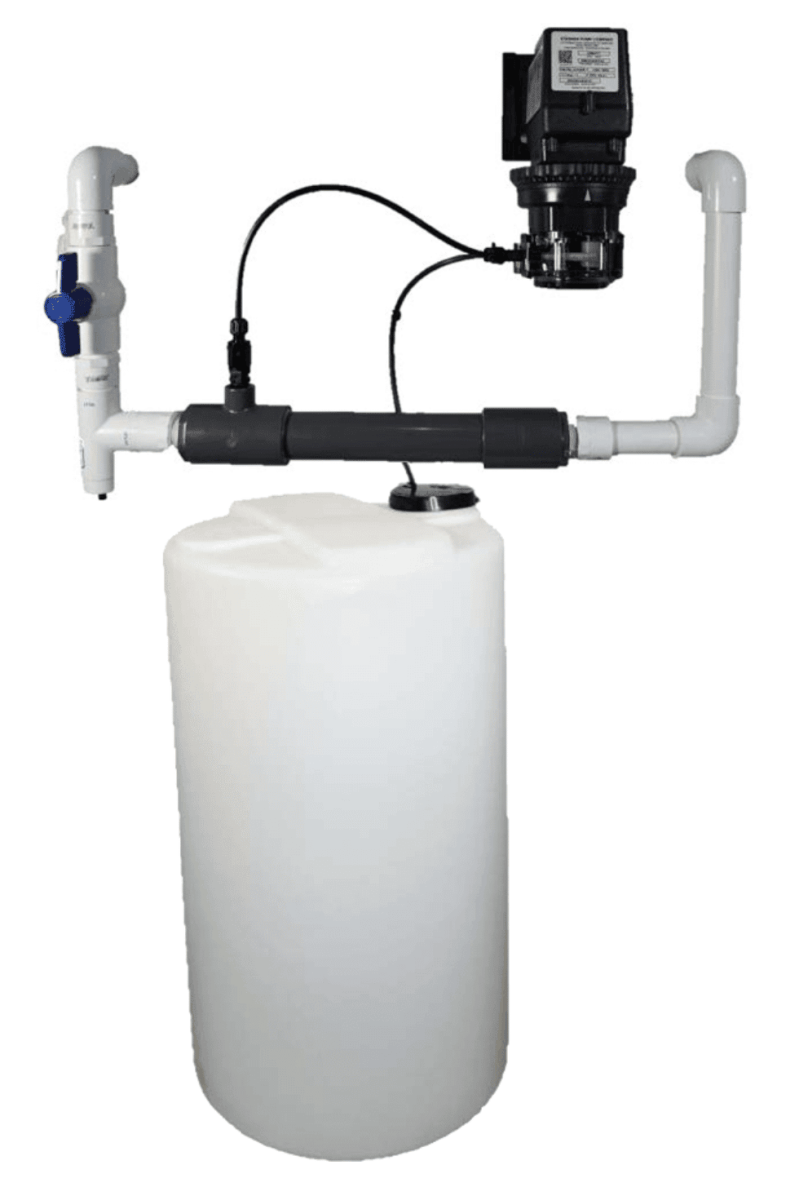
Well water delivers purity straight from the earth—but it often arrives with unseen contaminants. Bacteria, iron, hydrogen sulfide, and organic debris lurk in aquifers, turning a natural resource into a potential health hazard. A chlorine injection system for well water isn’t just a luxury; it’s a critical layer of defense, ensuring every glass of water meets safety standards while preserving the integrity of your plumbing. The right system doesn’t just sanitize; it does so efficiently, with minimal waste, and without compromising taste or infrastructure.
Choosing the wrong model, however, can lead to over-chlorination, equipment corrosion, or inconsistent disinfection—problems that cost more than the initial investment to fix. The market is flooded with options: from basic inline injectors to advanced UV-chlorine hybrids, each with trade-offs in flow rate, chemical handling, and maintenance demands. The best chlorine injection system for well water balances precision, durability, and adaptability to your home’s specific water chemistry and usage patterns.
Without proper research, homeowners often overlook critical factors like injection rate consistency, material compatibility (e.g., PVC vs. stainless steel), or the system’s ability to handle fluctuating well pressures. The stakes are high: a poorly selected unit can fail silently, leaving your water vulnerable to outbreaks of E. coli or Giardia—or worse, damaging your pipes with corrosive byproducts. This guide cuts through the noise to highlight what truly matters in 2024, from the science behind chlorine injection to the hidden features that separate industry leaders from mediocre models.
The Complete Overview of the Best Chlorine Injection System for Well Water
The core function of a chlorine injection system for well water is straightforward: introduce a precise dose of chlorine (typically sodium hypochlorite) into the water stream to eliminate pathogens and oxidize dissolved contaminants. Yet the execution varies dramatically. Systems range from gravity-fed drip feeders costing under $200 to automated, variable-rate injectors with digital monitoring that exceed $2,000. The disparity isn’t just about price—it’s about whether the system can handle your well’s specific challenges, such as high iron levels (which chlorine alone can’t remove) or seasonal pressure drops.What sets the top-tier chlorine injection systems apart is their ability to adapt to real-world conditions. For instance, a system designed for a 5-gallon-per-minute (GPM) flow rate may fail if your well’s output spikes during peak usage (e.g., morning showers). Similarly, a unit with a fixed injection rate might over-chlorinate when demand is low, leaving a chemical aftertaste. The best solutions incorporate feedback loops—either manual adjustments or smart sensors—to maintain residual chlorine levels between 0.5 and 2.0 parts per million (ppm), the EPA-recommended range for household disinfection.
Historical Background and Evolution
Chlorine’s role in water treatment dates back to the early 20th century, when cities like Chicago and London adopted it to combat typhoid and cholera. For rural well owners, however, practical chlorine injection systems didn’t emerge until the 1960s, when portable hypochlorite feeders became available for off-grid homes. These early models relied on manual dosing and were prone to user error, often leading to either insufficient disinfection or hazardous chlorine levels.The turning point came in the 1990s with the advent of proportional injection technology, where the chlorine dose scaled dynamically with water flow. Companies like Fleck and Hayward revolutionized the market by integrating these systems with pressure tanks, allowing for automated, pressure-compensated operation. Today, the best chlorine injection systems for well water incorporate advancements like:
Table of Contents
- The Complete Overview of the Best Chlorine Injection System for Well Water
- Historical Background and Evolution
- Core Mechanisms: How It Works
- Key Benefits and Crucial Impact
- Major Advantages
- Comparative Analysis
- Future Trends and Innovations
- Conclusion
- Comprehensive FAQs
- Q: How often should I test my water after installing a chlorine injection system?
- Q: Can I use a chlorine injection system if my well has high iron levels?
- Q: What’s the difference between sodium hypochlorite and calcium hypochlorite for injection?
- Q: Will a chlorine injection system affect my well pump’s lifespan?
- Q: Are there any chlorine injection systems that don’t require electricity?
This evolution reflects a shift from reactive to predictive water treatment—where systems now anticipate demand rather than simply responding to it.
Core Mechanisms: How It Works
At its core, a chlorine injection system for well water operates on a principle of proportional dilution: a metered amount of chlorine solution is mixed into the water stream to achieve a target concentration. The two primary methods are venturi injection and positive displacement. Venturi systems use the water’s natural flow to create a vacuum that draws chlorine from a reservoir, while positive displacement systems employ a pump to force chlorine into the line—ideal for low-pressure wells or high-flow applications.The injection rate is typically governed by a proportional controller, which adjusts the chlorine feed based on flow rate. For example, a system set to inject 10 ppm at 5 GPM will deliver half that dose at 2.5 GPM. Modern units also incorporate residual chlorine monitors to ensure the treated water meets safety standards before reaching your taps. Some high-end models even feature automatic backwashing to flush out accumulated sediment or biofilm that could interfere with injection accuracy.
Key Benefits and Crucial Impact
The primary advantage of integrating a chlorine injection system for well water is pathogen elimination. Unlike physical filters, which only remove particles, chlorine disrupts the cellular structure of bacteria and viruses, rendering them inactive. This is particularly critical in wells prone to fecal contamination or seasonal algae blooms. Beyond safety, these systems also oxidize iron, manganese, and sulfur compounds, reducing staining and odors that plague many rural water supplies.For homeowners, the benefits extend to long-term cost savings. Without a disinfection system, well owners risk expensive repairs from corroded pipes or clogged aerators. Chlorine injection also extends the life of other treatment components, such as reverse osmosis membranes, by preventing microbial fouling. The peace of mind is invaluable: knowing your water is consistently safe for drinking, cooking, and bathing eliminates the need for costly bottled water or frequent lab testing.
"Chlorine injection isn’t just about killing bacteria—it’s about creating a chemical barrier that stays active until the water reaches your faucet. The best systems don’t just treat; they protect." —Dr. Elizabeth Carter, Water Quality Engineer, University of Michigan
Major Advantages
- Targeted Disinfection: Adjustable injection rates ensure chlorine is used efficiently, minimizing waste and reducing the risk of over-chlorination.
- Compatibility with Existing Systems: Many top models integrate seamlessly with pressure tanks, UV purifiers, or iron filters, creating a multi-stage treatment solution.
- Low Maintenance: Systems with self-cleaning injectors or corrosion-resistant materials require fewer replacements and less manual intervention.
- Regulatory Compliance: Automated monitoring ensures residual chlorine levels meet EPA and NSF standards, avoiding fines or health code violations.
- Scalability: From small cabins to large estates, modular designs allow you to upgrade components (e.g., larger reservoirs, advanced sensors) as needs evolve.

Comparative Analysis
| Feature | Entry-Level (e.g., Fleck 5610S) | Mid-Range (e.g., Hayward C-600) | Premium (e.g., Pentek 9500) |
|---|---|---|---|
| Injection Method | Venturi (fixed rate) | Proportional venturi with flow sensor | Positive displacement with VFD |
| Max Flow Rate | 10 GPM | 15 GPM | 25+ GPM (scalable) |
| Material Construction | PVC/CPVC | Stainless steel wetted parts | PVDF and 316L stainless steel |
| Smart Features | Manual override only | Digital residual monitoring | Wi-Fi integration, automated backwash |
Future Trends and Innovations
The next generation of chlorine injection systems for well water is moving toward AI-driven optimization. Companies are developing units that use machine learning to predict chlorine demand based on historical usage patterns, weather data, and even well depth fluctuations. Another frontier is electrochemical chlorine generation, which produces chlorine on-site from saltwater, eliminating the need for hazardous hypochlorite storage.Sustainability is also reshaping the market. Passive systems that use solar-powered pumps or gravity-fed reservoirs are gaining traction in off-grid areas, while closed-loop designs minimize chemical runoff. As regulations tighten on disinfection byproducts (e.g., trihalomethanes), expect more systems to incorporate activated carbon post-filters to neutralize excess chlorine before distribution.

Conclusion
Selecting the best chlorine injection system for well water isn’t a one-size-fits-all decision. It requires evaluating your well’s flow rate, contaminant profile, and household demand—then matching those needs with a system’s technical specifications. The right choice will deliver years of reliable service, but only if you prioritize precision dosing, material durability, and adaptability. Ignore these factors, and you risk a system that either underperforms or becomes a maintenance burden.For most homeowners, the ideal balance lies in a proportional venturi system with stainless steel components and optional residual monitoring. Investing in a mid-range model from a reputable brand (e.g., Hayward, Pentek, or Fleck) ensures you’re covered for common contaminants without overpaying for features you’ll never use. If your well has unique challenges—such as extreme iron levels or variable pressure—consult a water treatment specialist to tailor the solution.
Comprehensive FAQs
Q: How often should I test my water after installing a chlorine injection system?
A: Test your water every 3–6 months for residual chlorine and bacterial counts, especially after maintenance or seasonal changes in well output. The EPA recommends annual comprehensive testing for lead, nitrates, and other contaminants, even with a disinfection system in place.
Q: Can I use a chlorine injection system if my well has high iron levels?
A: Chlorine oxidizes iron, but it won’t remove it from the water. Pair your injection system with an iron filter (e.g., a greensand or catalytic carbon filter) to prevent staining and pipe buildup. Some advanced systems, like the Pentek 9500, include iron oxidation as part of their treatment process.
Q: What’s the difference between sodium hypochlorite and calcium hypochlorite for injection?
A: Sodium hypochlorite (liquid bleach) is more common for residential systems due to its lower cost and ease of handling. Calcium hypochlorite (solid tablets or granules) is stronger and longer-lasting but can leave mineral deposits. For injection systems, sodium hypochlorite is preferred because it dissolves quickly and doesn’t clog injectors.
Q: Will a chlorine injection system affect my well pump’s lifespan?
A: Properly maintained systems won’t harm your pump, but improper dosing (e.g., over-chlorination) can corrode metal components over time. Ensure your system has a pressure switch to prevent over-pressurization and use PVC or PVDF piping to avoid chlorine-induced degradation.
Q: Are there any chlorine injection systems that don’t require electricity?
A: Yes—gravity-fed systems (e.g., the Watts 119900) use a reservoir elevated above the injection point to create natural pressure. These are ideal for off-grid properties but require manual monitoring of chlorine levels and flow rates. For automated operation, a 12V battery-powered system (like the Fleck 5610S with a solar panel) is the next best option.
Leave a Comment
Comments are moderated before appearing. The data you submit is processed according to the Privacy Policy of Medicine.