The White House: Power, Symbolism, and America’s Unseen Heart

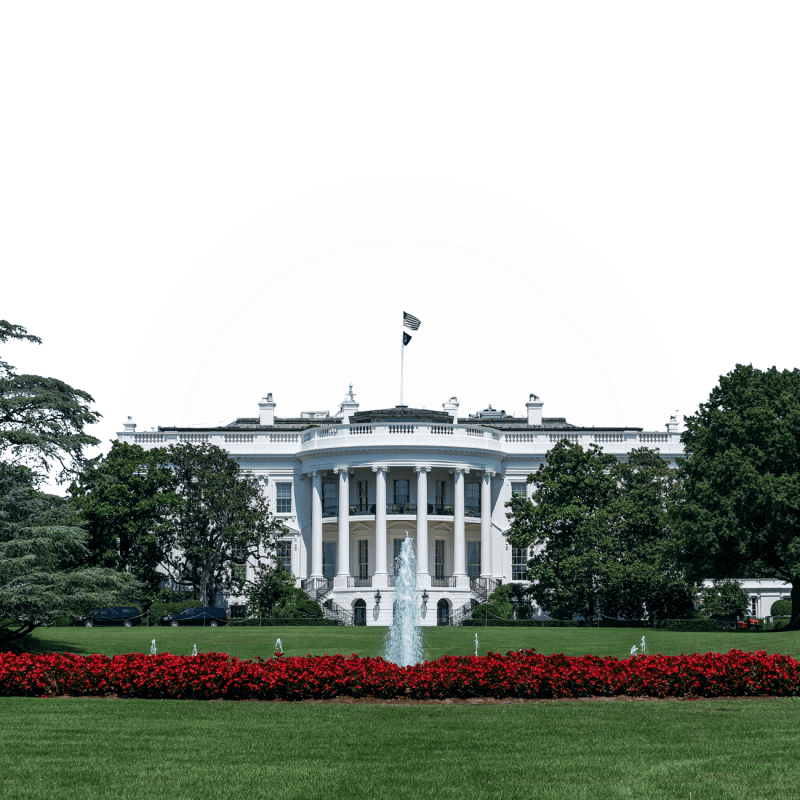
The White House stands as more than a building—it is a living monument to democracy’s endurance, a silent witness to centuries of decisions that have shaped nations. Its neoclassical façade, bathed in golden light against the Washington skyline, conceals a labyrinth of history, power, and quiet resilience. Every corner of the White House tells a story: from the ink-stained desks where treaties were signed to the private quarters where presidents grappled with crises in solitude. Yet beyond its iconic image, the residence remains an enigma to many—its daily operations, hidden protocols, and the unspoken rules that govern its inhabitants are rarely exposed.
The structure’s very identity is layered. To the world, it is the White House, the global symbol of American leadership, its name synonymous with the presidency itself. But to those who work within its walls, it is a working government complex—a command center for national security, a diplomatic hub, and a home for the most powerful family in the country. The contrast between its public persona and its private functions creates a tension that defines its legacy. How does a building, after all, balance the weight of history with the immediacy of modern governance? The answer lies in its design, its people, and the unbroken chain of tradition that binds it to the nation’s soul.
What makes the White House truly extraordinary is its duality: it is both a museum and a machine, a stage and a sanctuary. The same rooms where Lincoln delivered the Emancipation Proclamation now host classified briefings. The same gardens where children once played now host state dinners with world leaders. This article dissects the layers of the White House—its origins, its mechanics, its impact, and its future—revealing how a single address, 1600 Pennsylvania Avenue, has become the heartbeat of a superpower.
The Complete Overview of the White House
The White House is not just a residence; it is the nerve center of the United States government, embodying the nation’s ideals while grappling with its contradictions. Its evolution from a modest stone mansion to the world’s most recognizable political landmark reflects America’s own journey—from a fledgling republic to a global superpower. The building’s very name, a misnomer since its construction, belies its significance. Originally dubbed the "President’s Palace," it was renamed the White House in 1818, a nod to its white-painted exterior—a practical choice after the British burned it during the War of 1812. Yet the name stuck, symbolizing purity, authority, and the unblemished legacy of the presidency.Today, the White House is a hybrid of functionality and symbolism. It houses the Oval Office, the Cabinet Room, and the President’s private living quarters, all while serving as a backdrop for press conferences, state dinners, and historic announcements. The building’s 132-room complex is a microcosm of American governance, where diplomacy, crisis management, and domestic policy intersect. But its influence extends far beyond its physical walls. The White House’s architecture, its staff, and its protocols are meticulously designed to project power while maintaining the illusion of accessibility—a delicate balance that defines its role in the 21st century.
Historical Background and Evolution
The origins of the White House trace back to 1792, when President George Washington selected the site for the presidential residence in the new capital city. The design competition that followed was won by Irish-born architect James Hoban, whose neoclassical plan drew inspiration from Leinster House in Dublin and the Pantheon in Rome. Construction began in 1792, but the building was not fully completed until 1800, when President John Adams and his wife, Abigail, became its first inhabitants. Their occupancy was brief; just eight days after moving in, Adams left office, and Thomas Jefferson took residence, renaming the building the "President’s House" before the White House moniker became permanent.The building’s early years were marked by chaos. Financial constraints led to a fire in 1814, during which British troops torched the structure, destroying interior furnishings and architectural details. The subsequent reconstruction, overseen by Hoban and Benjamin Henry Latrobe, expanded the building and reinforced its neoclassical aesthetic. By the time Theodore Roosevelt took office in 1901, the White House was in dire need of modernization. Roosevelt’s wife, Edith, spearheaded a decade-long renovation, adding the iconic West Wing (which now houses the Oval Office), the East Wing, and the presidential suite. These changes transformed the residence from a cramped, outdated mansion into the functional and symbolic edifice it remains today.
Core Mechanisms: How It Works
Behind its iconic façade, the White House operates as a highly organized government complex, divided into three primary sections: the Executive Residence, the West Wing, and the East Wing. The Executive Residence, where the First Family lives, includes 132 rooms, 35 bathrooms, and 6 levels, spanning 55,000 square feet. The West Wing, added in 1901, is the operational hub of the presidency, housing the Oval Office, the Cabinet Room, and the offices of senior staff. The East Wing, originally designed for social functions, now serves as the administrative center for the First Lady and senior White House advisors. Each section has distinct protocols: the residence is maintained by the White House Military Office, while the West Wing is managed by the Executive Office of the President.Table of Contents
- The Complete Overview of the White House
- Historical Background and Evolution
- Core Mechanisms: How It Works
- Key Benefits and Crucial Impact
- Major Advantages
- Comparative Analysis
- Future Trends and Innovations
- Conclusion
- Comprehensive FAQs
- Q: How many rooms does the White House actually have?
- Q: Why is it called the White House if it isn’t white?
- Q: Can the public visit the White House?
- Q: Who lives in the White House besides the president?
- Q: Has the White House ever been attacked?
- Q: What is the most famous room in the White House?
- Q: How much does it cost to maintain the White House?
- Q: Are there any hidden features or secrets in the White House?
- Q: Who designed the White House’s famous blue curtains?
- Q: Can the White House be sold or demolished?
The building’s daily operations are governed by a strict hierarchy. The White House is home to approximately 150 full-time staff, including military guards, domestic workers, and presidential aides. The White House Military Office, led by a colonel, oversees security, while the White House Usher’s Office manages tours and public events. The President’s daily schedule is meticulously planned, with the Oval Office serving as the command center for national security and policy decisions. Even the smallest details—from the arrangement of the Residence’s china to the color of the presidential limousine—are dictated by tradition and protocol. This precision ensures that the White House functions not just as a home, but as a symbol of continuity and stability in an ever-changing world.
Key Benefits and Crucial Impact
Few structures in history have wielded as much influence as the White House. It is the physical embodiment of the presidency, a stage where leaders project authority and a fortress where national security is safeguarded. Its impact is felt domestically, where it shapes policy and public perception, and internationally, where it serves as a diplomatic beacon. The building’s very presence reinforces the idea that the United States is a unified, governed entity—even when its people are divided. Yet its power lies not just in its architecture, but in the rituals and traditions that have accumulated over two centuries, creating a sense of permanence amid political upheaval.The White House also serves as a unifying symbol for the American people. For many, it represents hope, opportunity, and the promise of democracy. During times of crisis—whether war, economic downturns, or national mourning—it becomes a focal point for unity. The building’s public spaces, from the South Lawn to the Rose Garden, host events that bring together citizens and leaders, reinforcing the idea of a shared national identity. Even its name, stripped of partisan connotations, transcends politics, reminding Americans that the presidency is a collective responsibility, not a personal possession.
> "The White House is not just a building; it is a symbol of the American people’s faith in their government. It stands as a reminder that no matter how divided we may be, we are still one nation under God." — Former President Barack Obama
Major Advantages
- Diplomatic Prestige: The White House is the primary venue for state visits, summits, and international negotiations, reinforcing America’s global leadership role.
- Policy Implementation: The West Wing’s proximity to the Oval Office allows for rapid decision-making on domestic and foreign affairs, ensuring swift responses to crises.
- Historical Continuity: The building’s long-standing traditions—from inaugural balls to Easter Egg Rolls—provide a sense of stability in an era of rapid political change.
- Public Engagement: Through tours, social media, and public events, the White House fosters transparency and connects citizens to their government.
- Security and Sovereignty: The White House Military Office ensures the president’s safety while maintaining the illusion of accessibility, balancing protection with openness.

Comparative Analysis
| Aspect | White House (U.S.) | Buckingham Palace (UK) |
|---|---|---|
| Primary Function | Presidential residence and government operations center | Royal residence and ceremonial monarchy headquarters |
| Architectural Style | Neoclassical (18th–19th century expansions) | Baroque (18th century) with modern renovations |
| Public Access | Limited tours; frequent public events (e.g., state dinners) | Limited tours; royal ceremonies open to the public |
| Security Protocol | White House Military Office; Secret Service protection | Household Cavalry; royal protection by the Sovereign’s Bodyguard |
Future Trends and Innovations
As the White House approaches its third century, it faces new challenges—climate change, technological disruption, and shifting public expectations. The building’s aging infrastructure, particularly its electrical and plumbing systems, has led to calls for modernization without compromising its historic integrity. Advances in sustainable architecture may also reshape the residence, with solar panels, rainwater harvesting, and energy-efficient upgrades becoming standard. The White House’s digital presence, once limited to press releases, now includes real-time social media updates, virtual tours, and even AI-driven policy simulations, reflecting its adaptation to the digital age.The future of the White House will also be shaped by its role in an increasingly multipolar world. As global powers rise and alliances shift, the building’s diplomatic functions will evolve, possibly incorporating more virtual summits and decentralized policy discussions. Domestically, the White House may become a model for smart governance, using data analytics and public feedback to refine decision-making. Yet one thing remains certain: no matter how it changes, the White House will continue to symbolize the enduring promise of American democracy—a promise that is tested daily within its walls.
Conclusion
The White House is more than a building; it is a living testament to the resilience of democratic ideals. Its walls have witnessed triumphs and tragedies, hosting leaders who have shaped history and citizens who have shaped them in return. The building’s ability to adapt—from its humble beginnings to its modern role as a global command center—demonstrates the flexibility of American governance. Yet its true power lies in its intangible qualities: the traditions that bind generations, the rituals that unify a nation, and the quiet dignity of a structure that has stood as a beacon of hope for over two centuries.In an era of political polarization and rapid change, the White House remains a symbol of continuity. It is a reminder that no matter how divided we may be, the presidency—and by extension, the nation—endures. As long as 1600 Pennsylvania Avenue stands, it will continue to inspire, challenge, and unite, serving as both a mirror and a guide for the American experiment.
Comprehensive FAQs
Q: How many rooms does the White House actually have?
A: The White House contains 132 rooms across six levels, including 35 bathrooms, 28 fireplaces, 7 staircases, and three elevators. The exact number has fluctuated over the years due to renovations and expansions.
Q: Why is it called the White House if it isn’t white?
A: The name originates from a 1818 decision to paint the building white to cover the scars of British burns during the War of 1812. The original name, "President’s Palace," was deemed too regal, and "White House" stuck—though the exterior is now painted in a cream-based paint to preserve the wood underneath.
Q: Can the public visit the White House?
A: Yes, but access is limited. Public tours are offered year-round (except during major events or renovations) and must be booked in advance through the White House Visitor Center. The tour includes the State Dining Room, Green Room, and other historic spaces, but the president’s private quarters remain off-limits.
Q: Who lives in the White House besides the president?
A: The First Family (president, spouse, and children) resides in the Executive Residence, while the West Wing houses senior staff, including the Chief of Staff, Press Secretary, and National Security Advisor. The East Wing is used by the First Lady and her office. Approximately 150 full-time staff members work in the building, including military guards, domestic workers, and administrative personnel.
Q: Has the White House ever been attacked?
A: Yes, the most infamous attack was the 1814 burning by British troops during the War of 1812. More recently, the building has faced protests, including the 2021 Capitol riot, which saw rioters breach its perimeter. Security has since been enhanced with additional barriers, surveillance, and military support.
Q: What is the most famous room in the White House?
A: The Oval Office, added in 1909, is the most iconic. Its circular shape, designed by Theodore Roosevelt’s architect, symbolizes the president’s direct connection to the people. Other notable rooms include the Lincoln Bedroom (where Lincoln and Kennedy died), the State Dining Room (used for formal events), and the Cabinet Room (where key decisions are made).
Q: How much does it cost to maintain the White House?
A: The annual maintenance budget for the White House is approximately $100 million, covering staff salaries, security, renovations, and upkeep. This does not include the president’s discretionary funds or special event expenditures, which can add millions more annually.
Q: Are there any hidden features or secrets in the White House?
A: Yes. The building contains a hidden tunnel system (originally for servants, later used by presidents), a secret entrance to the Oval Office, and a bunker beneath the East Wing for emergency use. Some rooms, like the Lincoln Bedroom, are kept in near-perfect condition as historical preserves, while others, like the President’s Treatment Room, are used for medical emergencies.
Q: Who designed the White House’s famous blue curtains?
A: The iconic blue drapes in the Diplomatic Reception Room were designed by First Lady Jacqueline Kennedy in 1961. She chose a fabric called "Blue Velvet" to complement the room’s 18th-century French style, and the color has since become synonymous with the White House’s aesthetic.
Q: Can the White House be sold or demolished?
A: No. The White House is a federal property owned by the American people and cannot be sold or demolished. It is protected under the National Historic Preservation Act and is maintained by the National Park Service and the White House Historical Association.
Leave a Comment
Comments are moderated before appearing. The data you submit is processed according to the Privacy Policy of Medicine.