The Long Weekend March: A Strategic Guide to Extended Leisure and Productivity
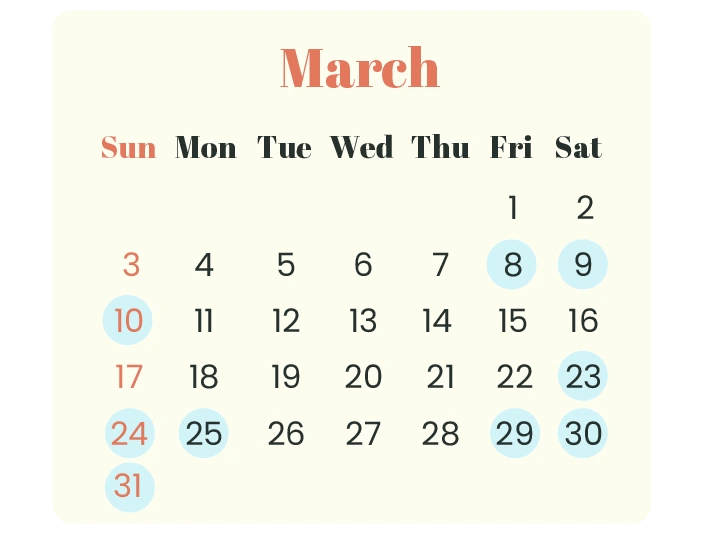
The long weekend march isn’t just a phrase—it’s a philosophy. It’s the deliberate art of stretching a weekend into a micro-vacation, where work and leisure coexist in a carefully calibrated rhythm. For the modern professional, it’s a rebellion against the grind: a way to reclaim time without sacrificing progress. Whether it’s a three-day escape to the countryside or a weekend transformed into a mini-adventure, the long weekend march redefines how we experience leisure, blending spontaneity with structure.
Yet, it’s more than just an extended break. It’s a tactical pause—a reset button for the mind. Studies on cognitive fatigue show that prolonged work without interruption leads to diminishing returns, but a well-timed long weekend march can restore focus, creativity, and even physical well-being. The key lies in the balance: enough time to unwind, but not so much that productivity slips. It’s a dance between discipline and indulgence, where the goal isn’t to do nothing, but to do it right.
What makes the long weekend march distinct is its adaptability. It’s not a one-size-fits-all concept. For some, it’s a solo retreat to a remote cabin; for others, a group expedition with colleagues or friends. The variations are endless, but the core principle remains: intentionality. Without it, a long weekend becomes just another stretch of time wasted. With it, it becomes a transformative experience—one that can redefine work-life harmony.
The Complete Overview of the Long Weekend March
The long weekend march is a deliberate extension of a standard weekend, optimized for both relaxation and productivity. Unlike traditional vacations, which often require weeks of planning, this approach leverages the existing framework of a long weekend—typically Friday through Monday—to create a seamless transition from work to leisure. The beauty lies in its flexibility: it can be as structured as a planned itinerary or as fluid as an unplanned detour. The term itself evokes motion, suggesting that the journey—whether physical or mental—is as important as the destination.
At its core, the long weekend march is about efficiency. It acknowledges that modern life demands more from us, yet it refuses to accept that leisure must be sacrificed. By strategically extending a weekend, individuals can achieve a state of "controlled rest"—enough downtime to recharge, but with the option to engage in light work or personal projects if desired. This hybrid model is particularly appealing to freelancers, remote workers, and entrepreneurs who thrive outside traditional office hours. It’s a middle ground between the relentless pace of daily life and the allure of a full-fledged escape.
Historical Background and Evolution
The concept of the long weekend march traces back to the early 20th century, when labor movements pushed for shorter workweeks to improve worker well-being. The idea gained traction in Europe, where countries like France and Germany popularized the "three-day weekend" as a cultural norm. However, the modern iteration—one that blends work and leisure—emerged later, influenced by the rise of remote work and the gig economy. As technology allowed professionals to decouple from fixed offices, the long weekend march became a symbol of autonomy and self-directed time management.
Table of Contents
- The Complete Overview of the Long Weekend March
- Historical Background and Evolution
- Core Mechanisms: How It Works
- Key Benefits and Crucial Impact
- Major Advantages
- Comparative Analysis
- Future Trends and Innovations
- Conclusion
- Comprehensive FAQs
- Q: How do I convince my employer to support a long weekend march?
- Q: Can the long weekend march work for families with young children?
- Q: What’s the best way to structure a long weekend march for maximum productivity?
- Q: Are there cultural differences in how the long weekend march is perceived?
- Q: How can I make the most of a long weekend march on a budget?
- Q: What’s the difference between a long weekend march and a staycation?
Today, the phenomenon is a reflection of shifting priorities. The post-pandemic era accelerated this trend, as employees reevaluated the value of time and demanded more flexibility. Companies began offering "wellness Fridays" or "four-day workweeks," inadvertently legitimizing the long weekend march as a viable lifestyle choice. What was once an informal practice has now become a strategic tool for burnout prevention, creativity enhancement, and even professional development. The evolution mirrors broader societal changes—from the 9-to-5 grind to the pursuit of meaningful experiences over material accumulation.
Core Mechanisms: How It Works
The mechanics of the long weekend march revolve around three pillars: planning, pacing, and purpose. Planning begins with assessing personal and professional goals. Is the extended weekend meant for relaxation, skill-building, or exploration? Pacing ensures that the transition from work to leisure is smooth—avoiding the pitfalls of overworking before the break or underutilizing the extra time. Purpose, meanwhile, keeps the experience intentional. Without a clear objective, the long weekend march risks becoming aimless, defeating its strategic intent.
Practical execution varies. Some opt for a "soft launch"—gradually reducing work hours on Thursday to ease into the extended break. Others use the extra day to tackle a personal project, travel to a nearby destination, or simply enjoy a slower pace. Digital detoxes are common, with many unplugging entirely to recharge. The key is to avoid the "all-or-nothing" trap: treating the long weekend march as either a full vacation or a work session. Instead, it thrives in the gray area, where productivity and rest coexist harmoniously.
Key Benefits and Crucial Impact
The long weekend march isn’t just a trend—it’s a response to the modern workplace’s demands. Research in occupational psychology highlights that frequent short breaks improve mental clarity, reduce stress, and boost long-term productivity. Unlike traditional vacations, which can lead to "post-holiday slump," the long weekend march provides micro-resets that keep energy levels stable. It’s a sustainable model for those who can’t afford weeks off but still crave renewal.
Beyond individual benefits, the long weekend march has ripple effects on workplaces. Companies that encourage such practices often see higher employee satisfaction, lower turnover, and increased innovation. The model aligns with the growing emphasis on "human-centric" work environments, where flexibility is prioritized over rigid structures. It’s a win-win: employees gain autonomy, and organizations retain talent by offering meaningful time off.
"The long weekend march is the art of turning time into an asset rather than a liability. It’s not about working less—it’s about working smarter, with the understanding that rest is a form of productivity."
— Dr. Elena Vasquez, Workplace Psychologist
Major Advantages
- Enhanced Mental Clarity: Extended breaks reduce cognitive fatigue, leading to sharper focus upon return to work.
- Flexibility Without Burnout: The ability to choose between rest and light activity prevents the exhaustion associated with traditional workweeks.
- Cost-Effective Travel: Long weekends enable affordable getaways without the need for lengthy absences.
- Skill Development: The extra day can be used for learning new skills, networking, or creative projects.
- Stronger Work-Life Balance: By design, the long weekend march forces a deliberate separation between labor and leisure.

Comparative Analysis
| Long Weekend March | Traditional Vacation |
|---|---|
| Flexible, often unplanned; integrates work and leisure. | Structured, requires advance planning; full detachment from work. |
| Low cost; minimal disruption to routines. | High cost; significant time and financial investment. |
| Sustainable; prevents burnout through frequent micro-breaks. | Intermittent; risk of post-vacation slump. |
| Ideal for remote workers, freelancers, and entrepreneurs. | Better suited for employees with paid leave policies. |
Future Trends and Innovations
The long weekend march is poised to evolve with technological and cultural shifts. As remote work becomes the norm, companies may adopt "modular time off" policies, where employees can string together long weekends to create longer breaks without losing momentum. AI-driven scheduling tools could further optimize these periods, suggesting activities based on productivity patterns. Additionally, the rise of "digital nomadism" may turn the long weekend march into a global phenomenon, with professionals using extended weekends to explore new cities or collaborate across time zones.
Another trend is the blending of leisure and professional growth. Platforms offering "micro-courses" or "skill sprints" during long weekends could emerge, allowing individuals to invest in development without derailing their work-life balance. Sustainability will also play a role, with eco-conscious travelers opting for low-impact getaways that align with the long weekend march’s ethos of intentionality. The future may see this practice as a cornerstone of the "new normal"—a hybrid approach to work and life that prioritizes well-being over output.

Conclusion
The long weekend march is more than a scheduling hack—it’s a mindset shift. It challenges the notion that productivity must come at the expense of personal time and encourages a more holistic approach to work and leisure. For those willing to embrace it, the rewards are clear: renewed energy, deeper connections, and a greater sense of control over one’s time. The key is to start small—experiment with the concept, refine the approach, and gradually integrate it into a sustainable routine.
As workplaces continue to evolve, the long weekend march may well become a standard practice rather than an exception. Its adaptability ensures that it can serve diverse needs, from the solo traveler to the team-building enthusiast. The question isn’t whether it works, but how soon we’ll all adopt it as a way of life.
Comprehensive FAQs
Q: How do I convince my employer to support a long weekend march?
A: Frame it as a productivity booster. Highlight studies showing that short, frequent breaks improve focus and reduce burnout. Propose a trial period with measurable outcomes, such as project completion rates or employee satisfaction surveys. Start with a single long weekend to demonstrate its benefits before suggesting it as a regular policy.
Q: Can the long weekend march work for families with young children?
A: Absolutely. The long weekend march is highly adaptable. Families can use the extra day for local outings, educational activities, or simply a slower pace at home. The key is to align the extended weekend with the family’s rhythms—whether that means a staycation, a day trip, or a project like gardening or baking. The goal is quality time, not perfection.
Q: What’s the best way to structure a long weekend march for maximum productivity?
A: Balance is crucial. Dedicate the first half of the extended weekend to rest—unplug, relax, and recharge. Use the latter half for light work, personal projects, or low-stress activities like planning future goals. Avoid overloading the schedule; the idea is to refresh, not to cram in tasks. Tools like time-blocking can help maintain structure without rigidity.
Q: Are there cultural differences in how the long weekend march is perceived?
A: Yes. In Europe, the concept aligns with existing cultural norms around shorter workweeks and frequent public holidays. In the U.S., where work culture often glorifies long hours, the long weekend march may face more resistance but is gaining traction among younger professionals. Asia presents a mixed picture: some countries embrace it as a way to combat overwork, while others still prioritize face-time in offices.
Q: How can I make the most of a long weekend march on a budget?
A: Focus on local or low-cost destinations. Stay in budget accommodations, use public transport, and prioritize free or low-cost activities like hiking, museum days, or cooking at home. The long weekend march isn’t about luxury—it’s about intentionality. Even a picnic in a nearby park or a DIY project at home can be a rewarding experience. The key is to avoid unnecessary expenses and lean into creativity.
Q: What’s the difference between a long weekend march and a staycation?
A: While both involve extended leisure time, the long weekend march is more dynamic. A staycation is typically a full break at home, whereas the long weekend march can include travel, light work, or a mix of activities. The staycation is passive; the long weekend march is active and adaptable. Think of it as a staycation with options—you’re not confined to one place or activity.
Leave a Comment
Comments are moderated before appearing. The data you submit is processed according to the Privacy Policy of Medicine.