The Torrent Downloader Revolution: Speed, Legality, and What’s Next
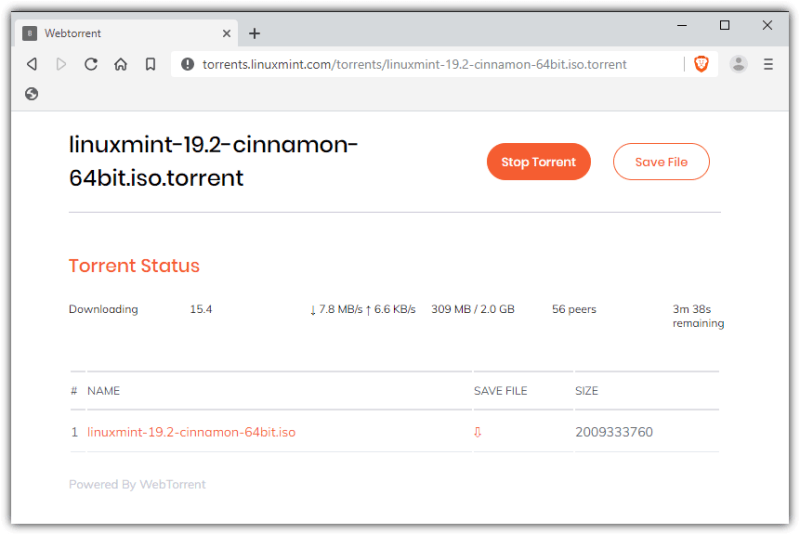
The first time a user plugs into a torrent downloader, they’re not just downloading a file—they’re joining a decentralized ecosystem where data flows freely, bypassing traditional gatekeepers. This isn’t just about speed; it’s about autonomy. Unlike centralized servers that can be taken down with a court order, torrent networks distribute content across thousands of nodes, making censorship nearly impossible. The technology thrives in regions with heavy internet restrictions, where VPNs and proxies fail to deliver the same resilience.
Yet the allure of torrent downloaders extends beyond political and geographical boundaries. For the average consumer, the appeal is undeniable: movies, software, and books that would cost hundreds of dollars on official platforms become accessible in minutes—often for free. The catch? The legal and ethical minefield that comes with it. Copyright holders spend millions suing individuals, while ISPs throttle connections, turning what should be a seamless experience into a high-stakes gamble.
What separates the casual user from the power user isn’t just the software they choose—it’s the understanding of how these systems operate. A torrent downloader isn’t a passive tool; it’s a participant in a global network where every seed counts. The faster you seed (upload), the faster you download. The more peers you connect with, the less likely your IP will be flagged. Mastering these dynamics turns a simple file transfer into a strategic act of digital survival.
The Complete Overview of Torrent Downloaders
At its core, a torrent downloader is a client application designed to interact with peer-to-peer (P2P) networks, primarily using the BitTorrent protocol. Unlike traditional HTTP downloads, where a single server hosts the entire file, torrent downloaders split data into small pieces and distribute the load across thousands of users simultaneously. This not only accelerates download speeds but also reduces the strain on any single server, making it nearly impossible for authorities to shut down the entire network.The technology’s resilience stems from its decentralized nature. When you download a torrent, you’re not just a consumer—you’re a temporary node in the network. The more users seed (upload) the file, the longer it remains available. This self-sustaining model has made torrent downloaders a staple for distributing everything from open-source software to leaked corporate documents. However, this same decentralization creates a legal gray area, as copyright enforcement agencies struggle to identify and prosecute individual users rather than the network itself.
Historical Background and Evolution
The origins of torrent downloaders trace back to 2001, when Bram Cohen introduced the BitTorrent protocol as a solution to the bandwidth limitations of early internet file-sharing platforms like Napster. Cohen’s innovation was simple yet revolutionary: instead of relying on a single server, files were broken into smaller segments and distributed across peers. This not only sped up downloads but also made it harder for ISPs to monitor or block traffic.By 2003, the first dedicated torrent downloaders—such as Azureus (later Vuze) and BitTorrent Inc.’s official client—hit the market, turning the protocol into a mainstream tool. The rise of torrent sites like The Pirate Bay in 2003 further cemented the technology’s place in digital culture. These platforms didn’t just host torrent files; they became cultural hubs where users shared everything from indie films to academic research. The legal backlash followed swiftly, with copyright lawsuits and ISP throttling becoming common responses, but the damage was already done: torrent downloaders had become an irreversible part of the internet’s infrastructure.
Core Mechanisms: How It Works
The magic of a torrent downloader lies in its ability to leverage the collective bandwidth of all connected users. When you download a torrent, your client first fetches a `.torrent` file, which contains metadata about the file—its name, size, and a list of trackers (servers that coordinate peers). Once opened, the client connects to other users (peers) who are already downloading or seeding the same file, creating a swarm.Table of Contents
- The Complete Overview of Torrent Downloaders
- Historical Background and Evolution
- Core Mechanisms: How It Works
- Key Benefits and Crucial Impact
- Major Advantages
- Comparative Analysis
- Future Trends and Innovations
- Conclusion
- Comprehensive FAQs
- Q: Are torrent downloaders legal?
- Q: Can I get caught using a torrent downloader?
- Q: What’s the difference between a torrent downloader and a torrent site?
- Q: Do torrent downloaders slow down my internet?
- Q: Are there legal alternatives to torrent downloaders?
- Q: How do I maximize download speeds with a torrent downloader?
- Q: Can torrent downloaders be used for legitimate purposes?
Each peer in the swarm contributes by uploading pieces of the file to others while simultaneously downloading from multiple sources. This parallel downloading ensures that even if some connections drop, the download continues uninterrupted. The more peers in the swarm, the faster the download speeds, as the workload is distributed. Additionally, torrent downloaders often prioritize rare pieces of the file, ensuring that less common data is downloaded first, which optimizes the overall efficiency of the swarm.
Key Benefits and Crucial Impact
Torrent downloaders have redefined how people access digital content, offering unmatched speed, cost savings, and resistance to censorship. For users in regions with slow or expensive internet, torrent networks provide a lifeline, allowing them to bypass throttling and access large files without exorbitant data costs. In countries with heavy internet restrictions, torrent downloaders become a tool for free expression, enabling the distribution of news, books, and software that might otherwise be blocked.However, the technology’s impact isn’t just practical—it’s cultural. Torrent downloaders have democratized access to niche content, from obscure films to independent music, often before official releases. This has fostered underground creative ecosystems where artists and filmmakers distribute their work directly to audiences, cutting out middlemen. Yet, this same decentralization has made torrent networks a battleground for copyright enforcement, with lawsuits and ISP collaborations creating a tense legal landscape.
"The internet was designed to be a tool for sharing information, not a gated community where only those who pay can access content. Torrent networks are the closest we’ve come to that original vision—flawed, but undeniably powerful." — Bram Cohen, Creator of BitTorrent
Major Advantages
- Decentralization: No single point of failure means torrent networks are resistant to takedowns, unlike centralized servers.
- Speed and Efficiency: Parallel downloads from multiple peers drastically reduce download times, especially for large files.
- Cost-Effective Access: Users can obtain files for free or at a fraction of official prices, making it ideal for budget-conscious consumers.
- Global Reach: Torrent downloaders connect users worldwide, enabling access to region-locked content without VPNs.
- Support for Open-Source and Independent Creators: Many artists and developers use torrent networks to distribute work directly, bypassing traditional publishing barriers.

Comparative Analysis
While all torrent downloaders operate on the same P2P principle, they differ in features, speed, and user experience. Below is a comparison of four leading clients:| Feature | qBittorrent | uTorrent | Deluge | Transmission |
|---|---|---|---|---|
| Open-Source Status | Yes (FOSS) | No (Proprietary) | Yes (FOSS) | Yes (FOSS) |
| Speed Optimization | Advanced (peer exchange, DHT) | Moderate (ad-supported) | High (libtorrent engine) | Good (built-in tracker) |
| Privacy Features | IP filtering, VPN integration | Basic (optional encryption) | Strong (proxy support) | Limited (default settings) |
| User-Friendliness | High (customizable UI) | Very High (minimalist) | Moderate (daemon-based) | Moderate (clean interface) |
Future Trends and Innovations
The evolution of torrent downloaders is far from over. As blockchain technology gains traction, some developers are exploring decentralized torrent networks where users are rewarded for seeding via cryptocurrency. This could eliminate the need for trackers entirely, making the network even more resilient to censorship. Additionally, advancements in peer discovery algorithms may further optimize swarm efficiency, reducing latency and improving speeds.Another potential shift is the integration of torrent downloaders with mainstream streaming services. While illegal torrenting remains a contentious issue, legal alternatives—such as torrent-based media libraries—could emerge, offering a hybrid model where users pay for access to a curated selection of content. The key challenge will be balancing profitability for creators with the open-access principles that define torrent culture.

Conclusion
Torrent downloaders represent a double-edged sword: a tool of liberation and a target of legal repression. Their ability to democratize access to information and culture is undeniable, but so are the ethical and legal dilemmas they present. As the technology evolves, the debate over its role in the digital age will only intensify—whether as a rogue force undermining copyright or as an essential component of an open internet.For now, users must navigate this landscape with caution. Understanding the mechanics, legal risks, and best practices for torrent downloaders isn’t just about avoiding penalties—it’s about participating responsibly in a system that continues to redefine how we share and consume digital content.
Comprehensive FAQs
Q: Are torrent downloaders legal?
A: The legality depends on the content being shared. Downloading copyrighted material without permission is illegal in most jurisdictions, but torrent downloaders themselves are legal tools. Many use them for legitimate purposes, such as distributing open-source software or public domain works.
Q: Can I get caught using a torrent downloader?
A: While torrent networks are decentralized, copyright trolls and ISPs monitor traffic. Using a VPN, avoiding copyrighted content, and seeding properly can reduce risks, but there’s no guarantee of anonymity.
Q: What’s the difference between a torrent downloader and a torrent site?
A: A torrent downloader (e.g., qBittorrent) is the software that connects to the network, while a torrent site (e.g., The Pirate Bay) hosts the `.torrent` files. You need both to download content.
Q: Do torrent downloaders slow down my internet?
A: Not necessarily. Torrent downloaders distribute bandwidth across peers, but if you’re the only seeder, your upload speeds may be affected. ISPs can also throttle P2P traffic, so monitor your connection.
Q: Are there legal alternatives to torrent downloaders?
A: Yes. Services like Popcorn Time (now defunct) and legal torrent sites (e.g., for open-source projects) offer alternatives. Additionally, some creators distribute work via official torrent links on their websites.
Q: How do I maximize download speeds with a torrent downloader?
A: Optimize by connecting to a high-speed network, using peer exchange (PEX) and DHT in your client, and seeding after downloads. Avoid downloading during peak hours when ISPs may throttle traffic.
Q: Can torrent downloaders be used for legitimate purposes?
A: Absolutely. Many developers, journalists, and activists use torrent networks to distribute software, research, and media legally. The key is respecting copyright and licensing agreements.
Leave a Comment
Comments are moderated before appearing. The data you submit is processed according to the Privacy Policy of Medicine.