Cozumel’s Time Zone Explained: What Time Zone Is Cozumel Mexico?

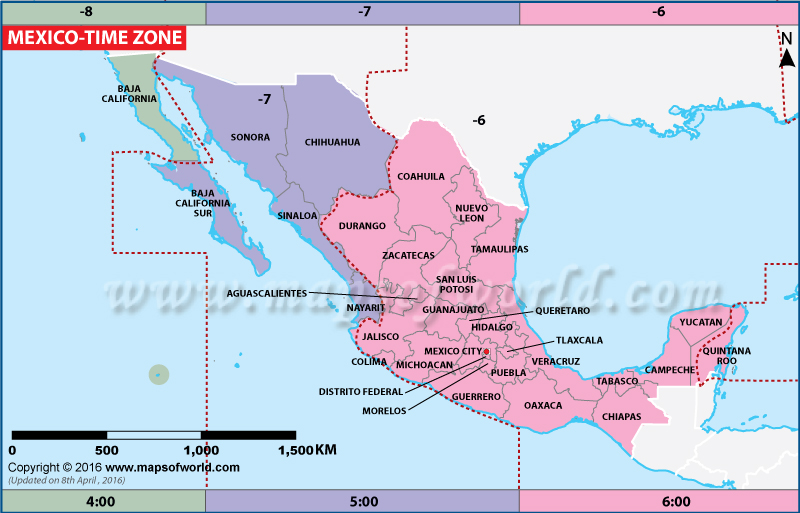
Cozumel, Mexico’s jewel of the Caribbean, sits where the turquoise sea meets ancient Mayan ruins, yet its temporal alignment often confuses travelers. Unlike mainland Mexico, which observes Central Time (CT), Cozumel operates on Eastern Time (ET)—a quirk rooted in its colonial past and geographic isolation. This discrepancy means a Cancún-bound flight might land you in a time zone that’s already an hour ahead of your expectations, disrupting schedules from beachside margaritas to sunset sail departures.
The island’s time zone isn’t just a logistical detail; it’s a cultural and economic linchpin. Local businesses, from boutique hotels to dive operators, synchronize operations with North American markets—particularly the U.S. East Coast—where the majority of tourists originate. A one-hour offset from Cancún (which follows CT) creates a ripple effect: breakfast reservations, ferry schedules, and even the timing of the island’s famous cenotes tours hinge on this temporal divide. Ignoring it could mean missing the golden hour for photography at Palancar Reef or arriving late to a reservation at a cliffside restaurant.
What makes Cozumel’s time zone particularly intriguing is its historical context. During the 19th century, the island was a strategic outpost for British trade, and its alignment with Caribbean time zones persisted long after Mexico standardized on Central Time in 1922. Today, this anachronism serves as both a traveler’s pitfall and a unique selling point—proof that Cozumel, though part of Mexico, retains its own rhythm, distinct from the mainland’s.
The Complete Overview of What Time Zone Is Cozumel Mexico
Cozumel’s adherence to Eastern Time (ET) is a defining characteristic that sets it apart from the rest of Mexico, where Central Time (CT) prevails. This distinction stems from the island’s colonial history and its proximity to the Yucatán Peninsula, which shares CT but lacks the same temporal ties. For visitors arriving from the U.S. or Canada, the shift can be jarring: New Yorkers, for instance, will find Cozumel’s clocks already an hour ahead, while travelers from Los Angeles must adjust two hours forward. The island’s time zone also aligns with Cuba and the Bahamas, creating a subtle but significant cultural and economic bridge across the Caribbean.
The practical implications are far-reaching. Airlines, ferry operators, and tour companies must account for this offset when coordinating transfers between Cancún and Cozumel. A flight from Miami to Cancún might land at 10:00 AM CT, but the ferry to Cozumel departs at 11:00 AM ET—meaning passengers must rush to avoid missing their connection. Similarly, cruise ships docking in Cozumel’s marina operate on ET, while those in nearby Playa del Carmen adhere to CT. This temporal fragmentation can lead to confusion, particularly for first-time visitors who assume all of Mexico operates uniformly.
Historical Background and Evolution
The origins of Cozumel’s time zone lie in its early colonial era, when the island was a hub for British and Spanish traders. Unlike the mainland, which adopted Central Time to standardize commerce with Mexico City, Cozumel retained its alignment with Caribbean time zones—a holdover from its role as a transatlantic crossroads. The 1922 Mexican Time Zone Act formalized CT for the majority of the country, but Cozumel’s isolation and its status as a separate municipality allowed it to retain ET. This decision was pragmatic: the island’s economy was (and remains) heavily tied to tourism from the U.S. Northeast, where ET was—and still is—the dominant time zone.
Table of Contents
- The Complete Overview of What Time Zone Is Cozumel Mexico
- Historical Background and Evolution
- Core Mechanisms: How It Works
- Key Benefits and Crucial Impact
- Major Advantages
- Comparative Analysis
- Future Trends and Innovations
- Conclusion
- Comprehensive FAQs
- Q: Does Cozumel observe Daylight Saving Time?
- Q: Why is Cozumel on a different time zone than Cancún?
- Q: How does the time difference affect ferry schedules between Cancún and Cozumel?
- Q: Can I set my watch to Cozumel time automatically upon arrival?
- Q: Does the time zone difference impact cruise ship schedules in Cozumel?
- Q: Are there any cultural events in Cozumel that are time-sensitive due to its ET status?
- Q: What should I do if I accidentally book a tour in Cozumel for the wrong time zone?
By the mid-20th century, Cozumel’s time zone became a point of pride among locals, who viewed it as a symbol of the island’s autonomy. The 1958 opening of the airport further cemented its distinct temporal identity, as international flights from New York and Boston arrived on ET schedules. Today, the island’s time zone is a testament to its unique blend of Mexican and Caribbean influences—a geographical anomaly that adds to its allure. Even the island’s famous cenote tours, which often begin at sunrise, are scheduled with ET in mind, ensuring optimal lighting for underwater exploration.
Core Mechanisms: How It Works
The technical operation of Cozumel’s time zone is straightforward but critical for travelers. The island observes Eastern Time year-round, including during Daylight Saving Time (DST) in the U.S. and Canada. When the U.S. shifts to EDT (UTC-4) in March, Cozumel follows suit, maintaining a consistent one-hour offset from Cancún (UTC-5). This alignment ensures that business hours, ferry schedules, and tourist activities remain synchronized with North American markets. For example, a 9:00 AM CT meeting in Cancún translates to 10:00 AM ET in Cozumel—a detail that can be crucial for professional travelers or those coordinating multi-destination trips.
Digital infrastructure plays a key role in managing this offset. GPS systems, airline databases, and local tourism platforms automatically adjust for Cozumel’s time zone, but human error remains a common issue. Many travelers assume Cozumel follows the same time as Cancún or Tulum, leading to missed connections or misaligned reservations. To mitigate this, the island’s tourism board provides clear time zone guides on official websites and at arrival points, emphasizing the importance of ET. Even so, the lack of widespread awareness among tourists underscores the need for proactive planning—especially for those balancing activities between the island and the mainland.
Key Benefits and Crucial Impact
The one-hour time difference between Cozumel and the rest of Mexico isn’t merely a quirk; it’s a strategic advantage that shapes the island’s tourism economy. By aligning with the U.S. East Coast, Cozumel maximizes its appeal to high-spending American travelers, who often book flights and activities during business hours in New York or Miami. This temporal synergy extends to cruise lines, which schedule dockings and excursions based on ET to accommodate passengers from Florida and the Northeast. The result is a seamless experience for tourists, who can seamlessly transition between shipboard activities and island-based adventures without time-related disruptions.
Locally, the time zone distinction fosters a unique lifestyle. Residents of Cozumel operate on a schedule that blends Mexican siesta culture with the fast-paced rhythms of North American tourism. Restaurants, for instance, may open later than in Cancún to cater to evening arrivals from the U.S., while dive shops adjust their morning briefings to ET to accommodate early risers from New York. Even the island’s famous festejos (festivals) are timed to coincide with U.S. holidays, creating a cultural fusion that wouldn’t be possible without this temporal alignment.
— "Cozumel’s time zone is more than a technicality; it’s the heartbeat of the island’s tourism machine. Without it, we’d lose synchronization with our primary market."
— Carlos Mendoza, Director of Cozumel Tourism Board
Major Advantages
- Tourist Synchronization: ET alignment ensures seamless coordination with U.S. East Coast travelers, who make up the majority of visitors. Flights, ferries, and tours are scheduled to minimize transit delays.
- Economic Efficiency: Businesses operate on a schedule that maximizes revenue from North American tourists, with peak hours aligned with U.S. working hours.
- Cultural Fusion: The time zone creates a hybrid lifestyle, blending Mexican traditions with North American convenience—visible in dining, shopping, and event timings.
- Logistical Clarity: Clear time zone signage at the airport and ferry terminals reduces confusion for first-time visitors, improving overall traveler satisfaction.
- Strategic Marketing: Cozumel’s unique time zone is leveraged in promotional materials to highlight its distinct identity within Mexico, appealing to adventurous travelers seeking off-the-beaten-path experiences.

Comparative Analysis
| Location | Time Zone (Standard) | Daylight Saving Adjustment | Offset from Cozumel (ET) |
|---|---|---|---|
| Cozumel, Mexico | Eastern Time (ET, UTC-5) | Follows U.S. DST (UTC-4) | N/A |
| Cancún/Tulum, Mexico | Central Time (CT, UTC-6) | No DST adjustment | 1 hour behind |
| Miami, USA | Eastern Time (ET, UTC-5) | Follows DST (UTC-4) | Synchronized |
| London, UK | Greenwich Mean Time (GMT, UTC+0) | Follows BST (UTC+1) | 6 hours ahead (standard) / 5 hours (DST) |
Future Trends and Innovations
As global travel evolves, Cozumel’s time zone may face increasing scrutiny—particularly as Mexico considers further time zone standardization. While mainland Mexico has resisted changes to Central Time, Cozumel’s unique status could become a point of debate, especially if tourism patterns shift toward more Asian or European visitors. However, the island’s deep economic ties to the U.S. make a change unlikely in the near term. Instead, the focus is on leveraging technology to streamline time zone awareness, such as real-time digital signs at ferry terminals and mobile apps that auto-adjust for ET.
Another trend is the rise of "time zone tourism," where travelers deliberately plan trips to experience multiple time zones in a single day. Cozumel’s ET status positions it as an ideal stopover for those balancing activities between the U.S. and Mexico, particularly during DST transitions. The island’s tourism board may capitalize on this by promoting "split-time" itineraries, where visitors spend mornings in Cancún (CT) and afternoons in Cozumel (ET), maximizing their Caribbean adventure within a single day.
Conclusion
Understanding what time zone is Cozumel Mexico is more than a logistical necessity—it’s a key to unlocking the island’s full potential. The one-hour offset from the mainland isn’t just a historical artifact; it’s a deliberate choice that shapes Cozumel’s economy, culture, and visitor experience. For travelers, this knowledge ensures smooth transitions between flights, ferries, and activities, while for locals, it reinforces the island’s identity as a distinct destination within Mexico. Ignoring this detail could lead to missed connections or misaligned plans, but embracing it transforms a potential inconvenience into a unique aspect of the Cozumel experience.
The island’s time zone is a reminder that geography and history don’t always align with modern borders. Cozumel, though part of Mexico, operates on a different temporal rhythm—a rhythm that has been finely tuned over centuries to serve its people and visitors. As you plan your trip, let this understanding guide your schedule, from sunrise cenote dives to evening beachfront dinners. The clock in Cozumel isn’t just telling time; it’s telling the story of an island that defies expectations at every turn.
Comprehensive FAQs
Q: Does Cozumel observe Daylight Saving Time?
A: Yes, Cozumel follows Daylight Saving Time (DST) in sync with the U.S. East Coast. When clocks in New York move forward in March, Cozumel adjusts to Eastern Daylight Time (EDT, UTC-4), maintaining its one-hour offset from Cancún (which does not observe DST). This means the island remains on EDT from mid-March to early November.
Q: Why is Cozumel on a different time zone than Cancún?
A: Cozumel’s time zone stems from its colonial history as a British trade hub, where alignment with Caribbean time zones was practical. When Mexico standardized on Central Time in 1922, Cozumel retained Eastern Time due to its economic ties to the U.S. Northeast. The island’s tourism industry, heavily reliant on American visitors, further solidified this distinction.
Q: How does the time difference affect ferry schedules between Cancún and Cozumel?
A: Ferries operate on Cozumel’s Eastern Time (ET), while Cancún follows Central Time (CT). A ferry departing Cancún at 10:00 AM CT arrives in Cozumel at 11:00 AM ET—meaning passengers must account for the one-hour difference. Boarding passes and digital tickets often reflect ET, so travelers should verify schedules with the ferry operator to avoid delays.
Q: Can I set my watch to Cozumel time automatically upon arrival?
A: Most modern devices (smartphones, smartwatches) can be set to Cozumel’s time zone by selecting "Cozumel" or "Eastern Time (Mexico)" in the time zone settings. Alternatively, the island’s airport and ferry terminals display ET prominently. If using a traditional watch, adjust it manually upon arrival, as automatic time zone detection may default to Cancún’s CT.
Q: Does the time zone difference impact cruise ship schedules in Cozumel?
A: Yes, cruise lines docking in Cozumel operate on Eastern Time (ET) to align with U.S. passenger schedules. Excursions and port activities are timed accordingly, while ships in nearby Playa del Carmen (CT) follow a different schedule. Passengers should check their cruise line’s ET-based itinerary to avoid missing shore excursions or embarkation deadlines.
Q: Are there any cultural events in Cozumel that are time-sensitive due to its ET status?
A: Many of Cozumel’s festivals and events are scheduled to coincide with U.S. holidays, leveraging the ET alignment. For example, the island’s Independence Day celebrations (September 15–16) often feature extended fireworks displays timed for U.S. East Coast audiences. Additionally, New Year’s Eve parties in Cozumel begin at midnight ET, while mainland Mexico celebrates at midnight CT—creating a two-hour gap in festivities.
Q: What should I do if I accidentally book a tour in Cozumel for the wrong time zone?
A: Contact the tour operator immediately to clarify the scheduled time in Eastern Time (ET). Many reputable companies will reschedule without penalty if the error is due to time zone confusion. Always confirm tour times upon booking and double-check with the provider 24 hours before departure. Some operators, like dive shops and cenote tour companies, explicitly state ET in their confirmations to avoid such issues.
Leave a Comment
Comments are moderated before appearing. The data you submit is processed according to the Privacy Policy of Medicine.