How to Check Your Target Gift Card Balance—Every Method Explained

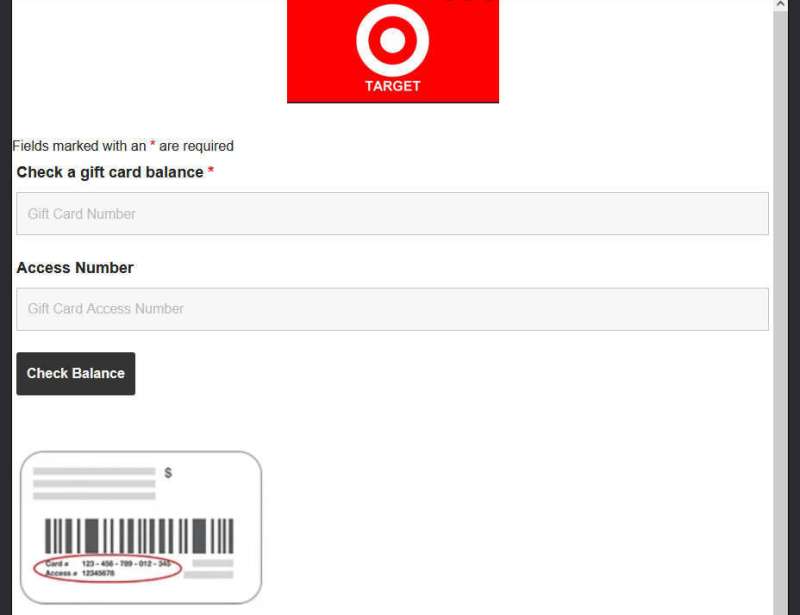
Target’s gift card program is one of the most versatile in retail, offering flexibility for shoppers, employees, and corporate buyers alike. Whether you’re tracking a holiday gift, managing a payroll card, or monitoring a promotional balance, knowing how to perform a target gift card balance check is essential. The process has evolved significantly from manual phone calls to real-time digital verification, yet many users still struggle with outdated methods or overlooked features. Below, we break down every approach—from the fastest app-based checks to the most reliable offline alternatives—while addressing common pitfalls that could leave you in the dark.
The convenience of a target gift card balance check lies in its accessibility, but the method you choose depends on your immediate needs. For example, a quick scan at checkout may suffice for in-store purchases, while a detailed online review is necessary for budgeting or gifting. Target’s system integrates multiple verification channels, each with distinct advantages. Understanding these pathways—not just how they work, but why they exist—can save time and prevent frustration, especially during peak shopping seasons when balances fluctuate rapidly. The key is recognizing which method aligns with your situation, whether you’re a first-time user or a seasoned gift card manager.
The Complete Overview of Target Gift Card Balance Verification
Target’s approach to target gift card balance check reflects its dual role as a retailer and financial services provider. Unlike traditional gift cards that rely solely on in-store validation, Target’s digital and hybrid solutions offer transparency at every stage. This includes real-time balance updates, expiration alerts, and even transaction histories—features that set it apart from competitors. The system’s design prioritizes both user convenience and security, with encryption protocols for online checks and PIN-protected transactions for physical cards. However, the lack of a universal method means users must navigate between apps, websites, and customer service, each with its own workflow.The evolution of target gift card balance check methods mirrors broader trends in digital retail. Early adopters of Target’s gift cards in the 2000s relied on in-store associates or toll-free numbers, a process prone to delays and human error. Today, the majority of checks occur through the Target Circle app or the company’s official website, where balances update instantly after purchases. This shift hasn’t eliminated older methods—phone and in-store checks remain viable—but it has redefined efficiency. For businesses and frequent users, the ability to sync balances across devices or set up automated alerts has become a game-changer, reducing the need for manual tracking.
Historical Background and Evolution
Target introduced its first gift card program in the late 1990s as a way to compete with Walmart and other big-box retailers offering reloadable cards. Initially, these were physical cards with magnetic stripes, requiring in-person activation and balance inquiries at customer service desks. The process was cumbersome, often involving receipts or card numbers spoken over the phone—a far cry from today’s seamless target gift card balance check options. By the mid-2000s, Target began phasing in digital solutions, including online account portals where users could link cards and monitor activity.The turning point came in 2016 with the launch of the Target Circle app, which consolidated loyalty rewards, gift card balances, and payment methods into a single interface. This move mirrored the rise of mobile-first banking and retail apps, where real-time target gift card balance check became the standard. Today, the app supports features like balance sharing (for gifting) and transaction categorization, while the website offers detailed histories for tax or expense tracking. Even physical cards now include QR codes for contactless verification, blending offline and digital experiences. The progression highlights Target’s commitment to adapting its gift card ecosystem to consumer behavior, ensuring that balance checks are not just functional but intuitive.
Core Mechanisms: How It Works
At its core, a target gift card balance check relies on three primary data streams: the card’s unique identifier (number or QR code), the user’s linked account (for digital cards), and Target’s centralized payment system. When you initiate a check—whether through the app, website, or in-store—Target’s servers cross-reference these inputs to pull the most current balance. Digital cards, which are tied to a Target.com account, update instantly after transactions, while physical cards may have a slight delay due to batch processing. This discrepancy is why some users report discrepancies between app balances and in-store receipts, especially for large purchases.The security behind these checks is multilayered. Digital methods use tokenization to obscure card details, while physical cards employ PINs or one-time codes for verification. Target’s system also flags suspicious activity, such as rapid balance depletion, and may require additional authentication. For businesses using bulk gift cards, an API-based target gift card balance check allows for automated reconciliation, though this requires prior setup with Target’s corporate services. Understanding these mechanics ensures you can troubleshoot issues—like delayed updates or blocked cards—without unnecessary stress.
Key Benefits and Crucial Impact
The ability to perform a target gift card balance check with minimal effort has transformed how consumers and businesses manage spending. For individuals, it eliminates the guesswork of gifting, allowing them to confirm exact amounts before presentation. Employers using Target gift cards for payroll or incentives can verify balances remotely, reducing administrative overhead. Even casual shoppers benefit from the ability to track rewards or promotional balances without visiting a store. The ripple effect extends to financial planning, as users can categorize gift card spending alongside other transactions, a feature increasingly valuable in a cashless economy.Table of Contents
- The Complete Overview of Target Gift Card Balance Verification
- Historical Background and Evolution
- Core Mechanisms: How It Works
- Key Benefits and Crucial Impact
- Major Advantages
- Comparative Analysis
- Future Trends and Innovations
- Conclusion
- Comprehensive FAQs
- Q: Can I check a Target gift card balance without the card number?
- Q: Why does my Target gift card balance show differently in the app vs. in-store?
- Q: How do I check a Target gift card balance by phone?
- Q: Are there fees for checking a Target gift card balance?
- Q: What should I do if my Target gift card balance isn’t updating?
- Q: Can I set up alerts for low Target gift card balances?
- Q: How do I check a Target gift card balance for someone else (e.g., a gift)?
- Q: What’s the difference between a Target gift card and a Target RedCard balance check?
- Q: How often should I check my Target gift card balance?
- Q: Can I check a Target gift card balance internationally?
Target’s investment in balance-check infrastructure has also strengthened its competitive edge. While competitors like Walmart and Amazon offer similar services, Target’s integration with its loyalty program (Circle) creates a stickier ecosystem. A user who checks their gift card balance in the app is more likely to engage with other features, from price matching to exclusive deals. This interconnectedness is why Target’s target gift card balance check methods are not just transactional but strategic, designed to enhance customer retention.
"The future of retail payments isn’t just about convenience—it’s about creating frictionless experiences where every interaction, including a balance check, feels personal and effortless." — Target’s Digital Payments Team (2023)
Major Advantages
- Instant Updates: Digital methods (app/website) reflect real-time balances, including pending transactions, unlike physical cards which may lag by 24–48 hours.
- Multi-Device Access: Balance checks are available via smartphone, tablet, or desktop, with syncing across devices for seamless switching.
- Security Layers: PIN-protected checks and tokenization reduce fraud risks compared to sharing card numbers over the phone or in-store.
- Corporate Tools: Businesses can use APIs or bulk check tools to manage hundreds of gift cards simultaneously, with exportable reports for payroll or audits.
- Expiration Alerts: Digital cards trigger notifications when balances are low or approaching expiration, preventing lost funds.
Comparative Analysis
| Method | Pros and Cons |
|---|---|
| Target Circle App |
|
| Target.com Website |
|
| In-Store Check |
|
| Customer Service (Phone) |
|
Future Trends and Innovations
The next generation of target gift card balance check systems will likely incorporate AI-driven insights, such as predictive alerts for optimal spending or expiration dates. Imagine an app that not only shows your balance but also suggests complementary products based on your purchase history—a seamless blend of retail and financial services. Blockchain technology could further enhance security, enabling immutable transaction records that prevent fraud without relying on third-party verification. For businesses, real-time analytics dashboards may become standard, allowing managers to monitor gift card usage across departments in granular detail.Target is already testing biometric authentication for high-value gift cards, where fingerprint or facial recognition could replace PINs, adding another layer of security. The rise of "smart" gift cards—embedded with IoT sensors to track usage patterns—could also redefine balance checks, turning them into dynamic tools for personal finance management. As digital wallets (Apple Pay, Google Pay) gain traction, Target may integrate gift card balances directly into these platforms, eliminating the need for separate checks altogether. The goal is clear: to make target gift card balance check so intuitive that it feels like an afterthought, not a task.

Conclusion
Mastering the art of a target gift card balance check is about more than just knowing where to look—it’s about leveraging the right tool for your context. Whether you’re a parent confirming a child’s allowance card, a business reconciling payroll expenses, or a shopper planning a big purchase, the options available today offer unparalleled flexibility. The key is to avoid overcomplicating the process; for most users, the app or website will suffice, while phone or in-store checks remain lifelines for those without digital access. As Target continues to innovate, the focus will shift from how to check balances to what those balances reveal about spending habits and retail opportunities.The future of gift card management is undeniably digital, but the principles remain timeless: accuracy, speed, and accessibility. By staying informed about updates—whether it’s a new app feature or a policy change—you can ensure that your target gift card balance check routine remains efficient, secure, and aligned with your goals. In an era where every dollar counts, that level of control is invaluable.
Comprehensive FAQs
Q: Can I check a Target gift card balance without the card number?
A: Yes, if the card is digital (linked to your Target.com account), you can check the balance in the Target Circle app or on Target.com without entering the number. Physical cards require the 16-digit number or QR code for verification.
Q: Why does my Target gift card balance show differently in the app vs. in-store?
A: Digital cards update instantly in the app, while in-store transactions may take 24–48 hours to reflect due to batch processing. Large purchases or returns can also cause temporary discrepancies until the system syncs.
Q: How do I check a Target gift card balance by phone?
A: Call Target Customer Service at 1-800-440-0680. Have the card number and PIN (if applicable) ready. Balances are read aloud but may not update in real-time during the call.
Q: Are there fees for checking a Target gift card balance?
A: No, all target gift card balance check methods—app, website, phone, or in-store—are free. Target does not charge for balance inquiries, though third-party services (e.g., gift card resale sites) may impose fees.
Q: What should I do if my Target gift card balance isn’t updating?
A: First, ensure the card is activated (for physical cards) and linked to your account (for digital). Try checking via another method (e.g., switch from app to website). If the issue persists, contact customer service to report a potential system delay or card malfunction.
Q: Can I set up alerts for low Target gift card balances?
A: Yes, in the Target Circle app, navigate to your gift card section and enable notifications for low balances or expiration dates. This feature is currently available only for digital cards linked to your account.
Q: How do I check a Target gift card balance for someone else (e.g., a gift)?
A: The recipient must provide the card number or QR code and perform the check themselves via the app or website. Target does not allow third-party balance inquiries for security reasons, except for corporate accounts with delegated access.
Q: What’s the difference between a Target gift card and a Target RedCard balance check?
A: Gift cards are standalone balances tied to a card number, while RedCard balances are linked to a personal Target account and include rewards points. Both can be checked in the app or on Target.com, but RedCard balances also reflect credit limits and payment activity.
Q: How often should I check my Target gift card balance?
A: For active use, check weekly to avoid overspending or missing expiration dates. For occasional use (e.g., holiday gifts), a monthly check suffices. Set reminders if the card is for a specific purpose (e.g., back-to-school shopping).
Q: Can I check a Target gift card balance internationally?
A: Yes, but the method depends on the card type. Digital cards can be checked via the app or website from anywhere with internet access. Physical cards require a U.S.-based phone number for customer service or an in-store visit in the U.S. International users may experience delays due to time zones or system restrictions.
Leave a Comment
Comments are moderated before appearing. The data you submit is processed according to the Privacy Policy of Medicine.