How Plot Structure Shapes Storytelling: The Hidden Blueprint of Every Great Narrative
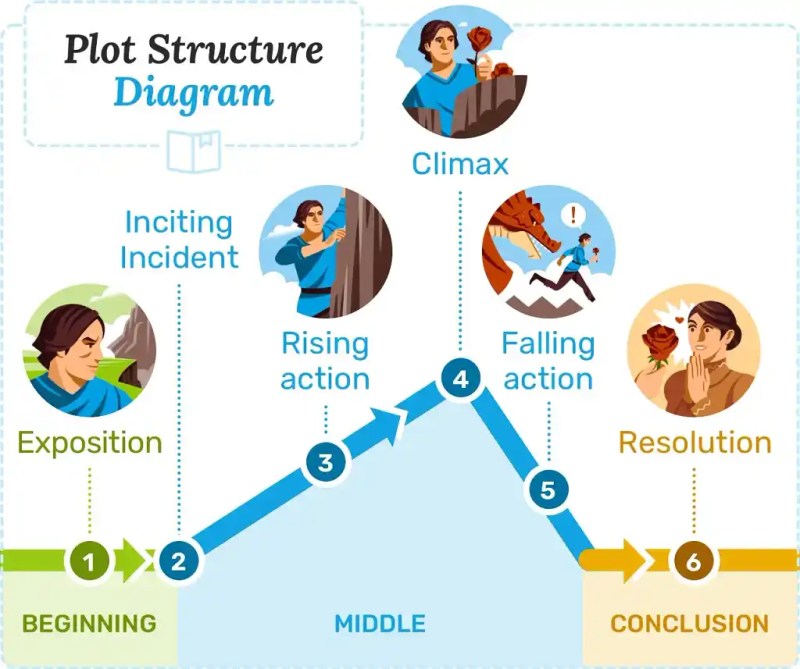
The best stories don’t just happen—they’re engineered. Every twist, revelation, and emotional beat follows an invisible scaffold, a plot structure that transforms raw ideas into unforgettable experiences. Whether you’re analyzing Moby-Dick or Breaking Bad, the difference between a forgettable tale and a timeless one often lies in how its components are arranged. This isn’t about rigid formulas; it’s about understanding the principles that make audiences lean in, turn pages, or binge-watch until dawn.
Consider Pulp Fiction: its nonlinear plot structure defies convention yet feels effortless because each segment—from the diner scene to the gold watch subplot—serves a larger purpose. The same logic applies to a corporate pitch or a viral social media campaign. Structure isn’t just for fiction; it’s the difference between a message that resonates and one that gets lost in the noise. The question isn’t whether you should care about plot structure—it’s how deeply you can leverage it.
The Complete Overview of Plot Structure
At its core, plot structure is the architecture of conflict, cause, and consequence that propels a narrative forward. It’s not merely a sequence of events but a deliberate framework that dictates pacing, tension, and emotional payoff. Think of it as the difference between a scattered brainstorm and a symphony: both contain ideas, but one lacks cohesion. The most effective plot structures—whether Aristotelian, Freytagian, or postmodern—balance predictability with surprise, ensuring audiences feel both comfort and discovery.What makes plot structure so powerful is its adaptability. A three-act framework can sculpt a blockbuster, while a circular narrative might better serve a philosophical novel. Even digital content, from podcasts to interactive fiction, relies on these principles to maintain engagement. The key isn’t adherence to a single model but understanding how to manipulate expectations, subvert conventions, and create a rhythm that feels organic yet deliberate.
Historical Background and Evolution
The concept of plot structure traces back to ancient Greece, where Aristotle’s Poetics laid the foundation for dramatic theory. He argued that tragedy should follow a beginning, middle, and end—an early blueprint for what would later be called the three-act structure. Fast-forward to the 19th century, and Gustav Freytag’s pyramid model (exposition, rising action, climax, falling action, denouement) became the gold standard for Western storytelling. These frameworks weren’t just academic exercises; they shaped everything from Shakespeare’s plays to Hollywood’s golden age.By the 20th century, plot structure began to fracture. Modernists like James Joyce and Virginia Woolf dismantled linear narratives, while screenwriters like Syd Field and Robert McKee refined the three-act model for film. Today, plot structure is a dynamic toolkit, blending classical elements with experimental techniques. Even algorithms now analyze narrative arcs to predict box office success, proving that structure isn’t just artistic—it’s a measurable force.
Core Mechanisms: How It Works
The magic of plot structure lies in its dual role: it organizes chaos while leaving room for spontaneity. Take the inciting incident—the moment that disrupts the protagonist’s status quo. Without it, there’s no story. But the way it’s introduced (a sudden attack, a letter, a chance encounter) determines the tone. Similarly, the midpoint isn’t just a midpoint; it’s often where the protagonist’s plan fails or evolves, forcing a reevaluation of goals.What separates great plot structures from mediocre ones is subtext. A surface-level conflict (e.g., "man vs. monster") gains depth when layered with thematic stakes (e.g., "man vs. his own fear"). The best narratives use structure to create emotional resonance, making audiences care about why characters act, not just what they do. This is why a well-crafted plot structure can turn a simple premise—like a man building a boat—into a metaphor for redemption (The Old Man and the Sea).
Key Benefits and Crucial Impact
Mastering plot structure isn’t just for writers—it’s a skill that sharpens communication across industries. Politicians use it to craft persuasive speeches; marketers apply it to brand storytelling; even therapists recognize its power in helping clients reframe their narratives. The ability to control pacing, foreshadowing, and payoff transforms abstract ideas into compelling arcs. Without structure, a message risks becoming a rambling monologue; with it, even the most complex concepts feel accessible.Table of Contents
- The Complete Overview of Plot Structure
- Historical Background and Evolution
- Core Mechanisms: How It Works
- Key Benefits and Crucial Impact
- Major Advantages
- Comparative Analysis
- Future Trends and Innovations
- Conclusion
- Comprehensive FAQs
- Q: Can a story succeed without a traditional plot structure?
- Q: How do I choose the right plot structure for my project?
- Q: What’s the biggest mistake writers make with plot structure?
- Q: How does plot structure apply to non-fiction or business storytelling?
- Q: Are there plot structures that work better for certain genres?
- Q: How can I analyze a story’s plot structure without spoiling it?
The impact of plot structure extends beyond entertainment. Studies show that stories with clear arcs improve memory retention by up to 22%. In business, narratives with well-defined conflicts and resolutions drive engagement and action. Whether you’re pitching a product or leading a team, understanding how to structure a story can mean the difference between being heard and being ignored.
"Every story has a shape, and that shape is the difference between a tale that lingers and one that fades." — Robert McKee, Story
Major Advantages
- Emotional Engagement: A well-paced plot structure creates peaks and valleys that mirror real-life emotional experiences, making audiences feel invested.
- Predictability with Surprise: Even nonlinear narratives rely on structural cues (e.g., foreshadowing) to reward attention without feeling random.
- Thematic Clarity: Structure forces writers to align actions with deeper themes, ensuring the story’s message isn’t lost in subplots.
- Adaptability: From Twitter threads to epic sagas, plot structure principles scale to any medium or length.
- Audience Trust: Readers/viewers subconsciously expect logical progression; breaking expectations requires a strong foundation.

Comparative Analysis
| Classic Three-Act Structure | Nonlinear/Fragmented Structure |
|---|---|
|
|
| Hero’s Journey (Monomyth) | Anti-Structure (Postmodern) |
|
|
Future Trends and Innovations
As technology reshapes storytelling, plot structure is evolving in tandem. Interactive narratives—like choose-your-own-adventure games or AI-generated stories—demand dynamic, adaptive structures that respond to user choices. Meanwhile, data-driven storytelling uses algorithms to predict which narrative arcs will maximize engagement. The rise of transmedia franchises (e.g., Marvel’s interconnected films) also forces creators to think in modular plot structures, where each medium serves a distinct but interconnected purpose.The future may blur the line between author and audience, with collaborative storytelling platforms allowing users to co-create arcs. Yet, even in these experimental spaces, the core principles of plot structure—conflict, pacing, and payoff—will remain. The challenge isn’t abandoning structure but reimagining it for new formats, ensuring that as stories become more interactive, they don’t lose their emotional core.

Conclusion
Plot structure isn’t a constraint; it’s a canvas. The most innovative storytellers don’t reject frameworks—they repurpose them. A well-crafted plot structure doesn’t just move a story forward; it makes the journey feel inevitable yet surprising. Whether you’re drafting a novel, designing a campaign, or simply trying to make your point stick, understanding these principles will elevate your work from good to unforgettable.The next time you analyze a story—whether it’s a bestselling novel or a viral TikTok—pay attention to the invisible threads holding it together. That’s where the real magic lies.
Comprehensive FAQs
Q: Can a story succeed without a traditional plot structure?
A: Absolutely. Experimental works like Finnegans Wake or Inception’s dream layers rely on unconventional plot structures, but they often compensate with extraordinary depth, symbolism, or audience engagement. The key is ensuring the alternative structure serves the story’s purpose—whether through theme, mood, or interactive design.
Q: How do I choose the right plot structure for my project?
A: Start by defining your story’s goals: Is it character-driven (Hero’s Journey), conflict-driven (Three-Act), or idea-driven (Nonlinear)? Ask: Does the structure enhance the theme? Will it keep the audience engaged? For example, a mystery might thrive with a fragmented plot structure (clues revealed out of order), while a romance benefits from a clear emotional arc.
Q: What’s the biggest mistake writers make with plot structure?
A: Over-reliance on clichés—like the "midpoint twist" that feels forced or a climax that resolves too neatly. The best plot structures feel organic, even when they subvert expectations. Avoid treating structure as a checklist; instead, use it to deepen character and theme. A well-placed detour (e.g., The Godfather’s Michael Corleone subplot) can be more powerful than sticking to the plan.
Q: How does plot structure apply to non-fiction or business storytelling?
A: The same principles apply. A business pitch, for instance, should have a clear "inciting incident" (the problem), rising tension (solutions explored), and a climax (the call to action). Non-fiction books like Sapiens use plot structure to guide readers through complex ideas, with each chapter acting as a mini-arc. Even data presentations benefit from narrative pacing—start with a hook, build to a revelation, and end with a memorable takeaway.
Q: Are there plot structures that work better for certain genres?
A: Yes. Thrillers often use the "locked-room mystery" structure (clues revealed gradually), while sci-fi may employ a "premise-driven" arc (exploring a "what-if" scenario). Horror leans into the "dread buildup" model (slow escalation of tension), and comedy thrives on the "set-up/punchline" rhythm. However, hybrid structures (e.g., The Social Network’s blend of drama and satire) prove that genre isn’t a cage—it’s a starting point.
Q: How can I analyze a story’s plot structure without spoiling it?
A: Focus on surface-level patterns first: Where do the major turning points occur? How does the pacing shift (e.g., slower exposition, faster climax)? Note emotional beats (e.g., a character’s lowest point) rather than specific events. Tools like the "Save the Cat!" beats or Freytag’s pyramid can help map structure without diving into details. For example, in Parasite, the shift from the basement to the ballroom isn’t just a setting change—it’s a structural pivot that redefines the conflict.
Leave a Comment
Comments are moderated before appearing. The data you submit is processed according to the Privacy Policy of Medicine.