Snapchat’s Hidden Ghost: How to Tell If Someone Unadded You

The moment you realize someone has removed you from their Snapchat friends list without warning is jarring. No notification, no explanation—just a void where their stories and snaps once appeared. This digital disappearance isn’t accidental; it’s a deliberate action with psychological weight, signaling disinterest, boundary-setting, or even conflict. The absence of a direct indicator forces users to piece together clues across the app’s interface, turning what should be a simple status check into a detective’s puzzle.
Snapchat’s design intentionally obscures this action, unlike other platforms where unfollowing or blocking triggers explicit alerts. The lack of transparency raises questions: Why would someone silently unadd? Is it a power move, a misclick, or a calculated snub? The ambiguity fuels speculation, making the hunt for confirmation all the more compelling. Understanding the mechanics behind this feature—and the subtle behavioral cues it leaves—can transform a passive observation into an active strategy for managing digital relationships.
The stakes are higher than they seem. In professional networking, unadding might signal a shift in collaboration; in personal circles, it could reflect emotional distance. Yet Snapchat offers no official documentation on how to verify this action, leaving users to rely on indirect methods. This gap between user intent and platform functionality creates a unique challenge: how to interpret silence in an app built on ephemeral communication.
The Complete Overview of How to Tell If Someone Unadded You on Snapchat
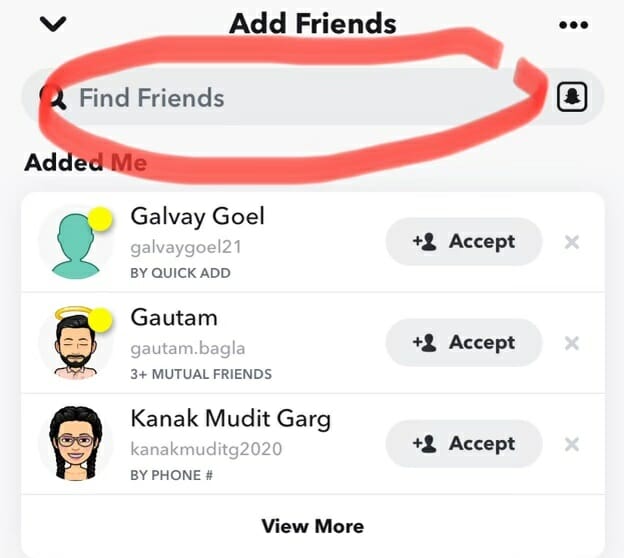
Snapchat’s "unadd" feature operates in the shadows of its user interface, designed to remove someone from your friends list without notifying them—or you. Unlike blocking, which is binary and often accompanied by a visual cue (e.g., a profile turning gray), unadding is a softer ejection, leaving no digital breadcrumbs. The absence of a confirmation message forces users to rely on behavioral patterns and interface changes to deduce whether they’ve been quietly removed. This lack of transparency stems from Snapchat’s philosophy of prioritizing privacy and minimalism, where actions like unadding are treated as administrative rather than social.The challenge lies in the app’s deliberate opacity. Snapchat doesn’t provide a "check if unadded" tool, nor does it log these actions in a visible history. Instead, users must cross-reference multiple elements: the absence of a profile in the friends list, the inability to send snaps or view stories, and even subtle UI shifts like disappearing from the "Add Friends" suggestions. These clues, though indirect, form a mosaic that—when pieced together—can reveal whether someone has taken the step to unadd you. The process requires patience and attention to detail, as the app’s design discourages over-analysis of social dynamics.
Historical Background and Evolution
The concept of unadding predates Snapchat but gained prominence with the rise of social media platforms that blurred the lines between public and private interactions. Early instant-messaging services like AIM or MSN Messenger allowed users to remove contacts silently, but the action lacked the social weight it carries today. Snapchat’s 2011 launch introduced a new layer: the ephemeral nature of content made digital relationships feel more transient, and the unadd feature became a tool for curating a tightly controlled inner circle.Over time, Snapchat’s algorithm began to influence who appears in the "Add Friends" section, subtly reinforcing the idea that social connections are fluid. The app’s emphasis on visual storytelling—where friends lists act as curated galleries—made unadding a way to edit one’s digital narrative without confrontation. As Snapchat evolved into a hybrid of social networking and private messaging, the unadd feature became a quiet but powerful mechanism for managing visibility, especially in an era where digital footprints are scrutinized.
Core Mechanisms: How It Works
Technically, unadding someone on Snapchat triggers a backend process that removes their profile from your friends list while preserving their ability to interact with you if they choose to re-add you later. The app does not send a notification to either party, unlike blocking, which locks the user out entirely. This asymmetry creates a one-sided action: you might notice their absence, but they remain unaware unless they actively check their friends list. The lack of a confirmation screen or audit trail means the only way to verify unadding is through observational methods.Table of Contents
- The Complete Overview of How to Tell If Someone Unadded You on Snapchat
- Historical Background and Evolution
- Core Mechanisms: How It Works
- Key Benefits and Crucial Impact
- Major Advantages
- Comparative Analysis
- Future Trends and Innovations
- Conclusion
- Comprehensive FAQs
- Q: Can someone unadd me on Snapchat without me knowing?
- Q: Will I see a message if someone unadds me?
- Q: Can I still message someone who unadded me?
- Q: Does unadding someone remove them from my friends list immediately?
- Q: Can I find out who unadded me if I don’t see their profile?
- Q: Is there a way to prevent someone from unadding me?
- Q: Will unadding someone affect their Snapchat activity?
- Q: Can I re-add someone who unadded me?
- Q: Does Snapchat show when someone views my story after unadding me?
- Q: Is there a difference between unadding and blocking on Snapchat?
- Q: Can I tell if someone unadded me by checking my "Add Friends" suggestions?
- Q: Does unadding someone affect my Snapchat streaks?
The app’s interface provides minimal feedback. For instance, if you attempt to send a snap to someone you suspect has unadded you, the app may display an error message like "Unable to send" or simply fail to load their profile. However, these errors can also occur due to connectivity issues or temporary glitches, complicating the verification process. The most reliable indicator remains the absence of their profile in your friends list, combined with the inability to view their stories or snaps—even if they were previously active.
Key Benefits and Crucial Impact
Understanding how to detect if someone has unadded you on Snapchat isn’t just about satisfying curiosity—it’s about reclaiming control over your digital presence. In an age where social media interactions are increasingly transactional, the ability to interpret these silent removals can help users navigate professional and personal relationships with greater awareness. For example, a colleague who unadds you might be signaling a shift in work dynamics, while a friend’s action could reflect emotional distance. Recognizing these patterns early allows for proactive communication or boundary-setting.The psychological impact of unadding is often underestimated. In personal relationships, it can feel like a rejection, even if unintentional. Professionally, it may indicate a loss of interest in collaboration. The lack of a direct explanation forces users to fill the void with assumptions, which can be stressful. However, mastering the art of detection turns this ambiguity into an opportunity: you can choose how to respond, whether by initiating a conversation, respecting the boundary, or simply moving on.
"Digital silence is never truly silent—it’s a language of its own. Learning to read it is the first step toward understanding who you’re connected to and who you’re not." — Digital Sociologist, Dr. Elena Vasquez
Major Advantages
- Privacy Control: Unadding allows users to curate their friends list without confrontational actions like blocking, preserving a level of ambiguity that some prefer.
- Conflict Avoidance: It provides a non-verbal way to distance oneself from someone without triggering a direct response or explanation.
- Algorithmic Influence: Snapchat’s "Add Friends" suggestions may adjust based on mutual interactions, making unadding a tool to refine one’s social circle over time.
- Professional Utility: In networking, unadding can signal a shift in priorities without burning bridges, allowing for future reconnection if circumstances change.
- Emotional Clarity: For the unadded user, recognizing the action can clarify the status of a relationship, reducing uncertainty and enabling informed decisions.

Comparative Analysis
| Feature | Unadding on Snapchat | Blocking on Snapchat |
|---|---|---|
| Notification | None (silent removal) | None (but profile turns gray) |
| Mutual Visibility | User remains in your list until manually removed; they can re-add you | User is locked out; no re-add option unless they create a new account |
| Intent Clarity | Ambiguous (could be accidental or deliberate) | Explicit (clear rejection) |
| Recovery Option | Possible if they re-add you | Not possible without account changes |
Future Trends and Innovations
As Snapchat continues to evolve, the unadd feature may become more transparent—or more sophisticated. Current trends suggest a shift toward "soft" social media management, where users expect platforms to allow granular control over visibility without overt confrontation. Future updates could introduce subtle notifications (e.g., a faint "Removed from friends list" message) or analytics showing who has unadded you, though privacy concerns would likely limit such features.Alternatively, Snapchat might integrate unadding into broader privacy settings, allowing users to categorize friends (e.g., "Close," "Acquaintances," "Networking") and automatically adjust visibility based on these labels. This would blur the line between unadding and traditional blocking, making the action feel more intentional and less accidental. For now, however, the feature remains a low-tech solution to a high-stakes social dilemma—one that users must navigate with their own intuition and the app’s limited clues.
Conclusion
The absence of a direct way to confirm if someone has unadded you on Snapchat underscores a broader truth about digital communication: clarity is often sacrificed for convenience. While the app’s design may frustrate users seeking answers, the process of detecting unadding can itself be revealing. It forces us to pay closer attention to the nuances of online interactions, from the stories we choose to view to the messages we send—or don’t.For those who value transparency, the lack of official tools may feel like a shortcoming. But for others, the ambiguity of unadding offers a rare opportunity to reflect on relationships without immediate pressure. Whether you’re interpreting a professional network shift or a personal dynamic, the key lies in observation and context. And in a platform built on fleeting moments, even silence can tell a story—if you know how to listen.
Comprehensive FAQs
Q: Can someone unadd me on Snapchat without me knowing?
A: Yes. Snapchat does not send notifications when someone unadds you, unlike blocking, which has visual cues like a grayed-out profile. The only way to confirm is by checking if their profile is missing from your friends list and whether you can no longer send snaps or view their stories.
Q: Will I see a message if someone unadds me?
A: No. Snapchat intentionally omits any confirmation or error message for unadding. The app treats it as an administrative action rather than a social one, so there’s no pop-up, email, or in-app alert.
Q: Can I still message someone who unadded me?
A: No. Once unadded, you cannot send snaps or view their stories unless they manually re-add you to their friends list. The app will not allow messages to be sent to unadded users.
Q: Does unadding someone remove them from my friends list immediately?
A: Yes, but only from your perspective. The unadded user’s friends list remains unchanged unless they also remove you. This one-sided action is what makes it difficult to detect.
Q: Can I find out who unadded me if I don’t see their profile?
A: There’s no direct way to track who unadded you, as Snapchat doesn’t log these actions. Your only recourse is to cross-reference their absence with other behavioral clues, such as whether they’ve been inactive or if mutual friends mention a change in your connection.
Q: Is there a way to prevent someone from unadding me?
A: No. Unadding is a unilateral action controlled by the other user. Snapchat does not offer a "lock" or "prevent removal" feature, as it would conflict with the app’s design philosophy of user autonomy.
Q: Will unadding someone affect their Snapchat activity?
A: No. Unadding only removes them from your friends list; they can continue using Snapchat normally, including sending snaps to others or viewing stories from their remaining friends.
Q: Can I re-add someone who unadded me?
A: Yes, but only if they haven’t blocked you. If they’ve blocked you, you’ll need to wait for them to unblock you or create a new account. Unadding is reversible from their end, but they must take the initiative to re-add you.
Q: Does Snapchat show when someone views my story after unadding me?
A: No. Once unadded, you cannot see their story views, and they cannot see yours. The app treats you as non-existent in each other’s feeds.
Q: Is there a difference between unadding and blocking on Snapchat?
A: Yes. Unadding removes someone from your friends list silently, while blocking locks them out entirely and may show a "Blocked" label in some cases. Unadded users can re-add you; blocked users cannot unless they change accounts.
Q: Can I tell if someone unadded me by checking my "Add Friends" suggestions?
A: Indirectly. If someone you were previously connected to no longer appears in "Add Friends" suggestions, it may indicate they’ve unadded you. However, this isn’t a foolproof method, as Snapchat’s algorithm also influences these suggestions.
Q: Does unadding someone affect my Snapchat streaks?
A: Yes. If you have a streak with someone who unadds you, the streak will break immediately, as streaks require mutual activity. You’ll need to restart the streak if they re-add you.
Leave a Comment
Comments are moderated before appearing. The data you submit is processed according to the Privacy Policy of Medicine.