First Alert Battery Replacement: Expert Guide to Extending Your Smoke Alarm’s Lifespan
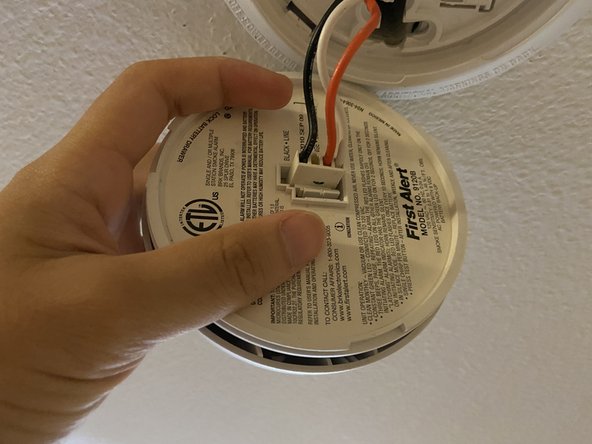
First Alert smoke alarms are a cornerstone of home safety, but their effectiveness hinges on one often-overlooked component: the battery. A failing battery can turn a life-saving device into a silent sentinel—rendered useless when it matters most. The warning chirps that pierce the quiet of night aren’t just nuisances; they’re urgent calls to action. Ignoring them risks more than just inconvenience—it risks lives. Yet, many homeowners delay the guide First Alert battery replacement process until it’s too late, often because they lack clarity on the correct steps, battery types, or even when to act.
The stakes are higher than most realize. According to the National Fire Protection Association (NFPA), three out of five home fire deaths occur in properties without working smoke alarms. A single misplaced battery or a delayed replacement can mean the difference between seconds of warning and minutes of chaos. The good news? Replacing a First Alert battery is a straightforward task—if you know what to do. This guide cuts through the confusion, offering a step-by-step breakdown of the First Alert battery replacement process, from identifying the right tools to troubleshooting persistent issues. Whether you’re dealing with a chirping alarm, a low-battery warning, or simply performing routine maintenance, the information here ensures your smoke detector remains a reliable guardian.
First Alert’s dominance in the smoke alarm market isn’t accidental. Their devices are engineered for durability, but like all technology, they rely on human intervention to stay operational. The chirp you hear at 3 a.m. isn’t random—it’s a deliberate design to alert you before the battery dies. The challenge lies in interpreting these signals correctly and acting swiftly. Many homeowners mistakenly assume that replacing the battery will silence the alarm permanently, only to find it returns weeks later. Others overlook the nuances of battery types (alkaline vs. lithium) or installation quirks specific to First Alert models. This guide addresses those gaps, ensuring you don’t fall into common pitfalls. By the end, you’ll not only know how to replace a First Alert battery but why each step matters—and how to maintain your alarm’s performance long after the replacement.
The Complete Overview of First Alert Battery Replacement
First Alert smoke alarms are designed with user convenience in mind, yet their simplicity often leads to missteps during maintenance. The guide First Alert battery replacement process varies slightly depending on the model—whether it’s a traditional ionization alarm, a photoelectric model, or a newer dual-sensor unit—but the core principles remain consistent. The primary goal is to ensure the alarm’s battery is both functional and compatible with the device. First Alert recommends using either alkaline or lithium batteries, but the choice isn’t arbitrary; it depends on factors like battery life, cost, and environmental conditions (e.g., humidity or temperature fluctuations). Alkaline batteries are the most common and affordable, but lithium batteries offer longer lifespans (up to 10 years) and are ideal for hard-to-reach alarms where frequent replacements are impractical.Beyond the battery itself, the replacement process involves a few critical steps that often trip up homeowners. For instance, many assume that any 9-volt battery will work, but First Alert specifies models like the 9V alkaline or lithium types (e.g., Energizer Ultimate Lithium or Duracell Ultra). Additionally, the physical act of replacing the battery can differ: some models require removing the entire alarm from the ceiling, while others feature accessible battery compartments. The key is to consult your alarm’s manual (if available) or recognize the visual cues—such as a red indicator light or a persistent chirp—that signal a failing battery. Procrastination here is risky; a dead battery means your alarm won’t activate during a fire, leaving your home vulnerable. This guide demystifies the process, ensuring you can perform a First Alert battery replacement with confidence, whether you’re a first-time user or a seasoned homeowner.
Historical Background and Evolution
The evolution of smoke alarms—and their reliance on batteries—reflects broader advancements in fire safety technology. First Alert, founded in 1958, was among the first companies to commercialize residential smoke detectors, initially using mechanical sensors that required no batteries. However, as technology progressed, battery-powered alarms became the standard due to their reliability and ease of installation. The shift to battery-operated systems in the 1970s and 1980s marked a turning point, as homeowners could now benefit from early warning systems without the complexity of hardwiring. This convenience came with a trade-off: the need for regular First Alert battery replacement to maintain functionality.Today, First Alert offers a range of alarms, from basic ionization models (which detect fast-flaming fires) to advanced photoelectric units (better for smoldering fires) and smart alarms with app connectivity. Despite these innovations, the core principle remains unchanged—batteries are the lifeblood of these devices. The modern guide First Alert battery replacement process has been refined to account for user error, with features like end-of-life chirps and LED indicators designed to prompt action before a battery fails entirely. Historical data shows that battery-related failures account for nearly 20% of smoke alarm malfunctions, underscoring why this maintenance task is non-negotiable. Understanding this evolution helps contextualize why today’s alarms are built with user-friendly battery replacement in mind, even as they incorporate cutting-edge technology.
Core Mechanisms: How It Works
At its core, a First Alert smoke alarm operates on a simple yet critical principle: detect smoke or fire and alert occupants with a loud, piercing sound. The battery’s role is to power the alarm’s sensor, circuitry, and alarm siren. In ionization alarms, a small amount of radioactive material (americium-241) ionizes the air between two plates, creating a current. When smoke enters, it disrupts this current, triggering the alarm. Photoelectric alarms, on the other hand, use a light beam and sensor; smoke scatters the light, activating the alarm. Both types require a consistent power source, which is where the battery comes in. A dying battery will cause the alarm to chirp intermittently, signaling that it’s time for a First Alert battery replacement before the alarm becomes inoperable.Table of Contents
- The Complete Overview of First Alert Battery Replacement
- Historical Background and Evolution
- Core Mechanisms: How It Works
- Key Benefits and Crucial Impact
- Major Advantages
- Comparative Analysis
- Future Trends and Innovations
- Conclusion
- Comprehensive FAQs
- Q: Why does my First Alert alarm chirp after replacing the battery?
- Q: Can I use any 9-volt battery for my First Alert alarm?
- Q: How often should I replace the battery in my First Alert smoke alarm?
- Q: What should I do if my First Alert alarm won’t stop chirping after battery replacement?
- Q: Are there any safety risks associated with First Alert battery replacement?
- Q: Can I replace the battery in a hardwired First Alert alarm?
- Q: What’s the difference between a low-battery chirp and a malfunction chirp?
The mechanics of the replacement process are equally straightforward. Most First Alert alarms feature a battery compartment accessible from the back or bottom of the unit. The steps typically involve:
1. Turning off the alarm (if possible) to avoid false triggers.
2. Removing the old battery and disposing of it properly (never reuse or mix battery types).
3. Inserting the new battery with the correct orientation (positive and negative terminals).
4. Resetting the alarm by pressing the test button or waiting for it to self-test.
The simplicity belies the importance—each step ensures the alarm functions as intended. For models with sealed compartments or hardwired connections, the process may involve more complex troubleshooting, but the underlying goal remains the same: restore power to the alarm’s critical components. Understanding these mechanisms empowers homeowners to perform the First Alert battery replacement with precision, minimizing downtime and maximizing safety.
Key Benefits and Crucial Impact
The decision to prioritize a First Alert battery replacement isn’t just about silence—it’s about safeguarding lives. Smoke alarms reduce the risk of fatal fires by up to 50%, but only if they’re operational. A single chirp from your First Alert alarm is a direct warning that its ability to protect your home is waning. The impact of neglecting this maintenance task is stark: according to the U.S. Fire Administration, nearly two-thirds of home fire deaths occur in properties without working smoke alarms. In this context, the guide First Alert battery replacement becomes more than a technical manual—it’s a lifeline. The benefits extend beyond immediate safety, too; consistent maintenance ensures your alarm’s longevity, saving you money on premature replacements and reducing the hassle of emergency repairs.The psychological impact is equally significant. Knowing your smoke alarm is fully functional provides peace of mind, especially for families with young children or elderly members who may need extra time to evacuate. The chirp that once seemed like a minor annoyance becomes a familiar, reassuring sound—a reminder that your home’s defenses are active. For renters or homeowners in high-risk areas (e.g., near wooded regions or with older electrical systems), the stakes are even higher. A well-maintained First Alert alarm isn’t just a device; it’s a silent partner in your home’s safety ecosystem. The following sections outline the tangible advantages of staying proactive, from cost savings to enhanced reliability.
“A smoke alarm that doesn’t work is as useless as a screen door on a submarine.” — Fire safety expert, NFPA
Major Advantages
- Extended Alarm Lifespan: Regular First Alert battery replacement prevents power drain that can shorten the alarm’s overall lifespan. A fully charged battery ensures the alarm’s sensors and electronics remain in optimal condition.
- Immediate Fire Detection: A fresh battery eliminates delays in activation, giving occupants critical seconds to respond. Even a partially drained battery can cause false alarms or delayed responses.
- Cost Efficiency: Replacing a battery costs pennies compared to the potential damage from a fire. First Alert recommends replacing batteries annually or when chirping occurs, whichever comes first.
- Compliance with Safety Standards: Many building codes and insurance policies require functional smoke alarms. A First Alert battery replacement ensures compliance, avoiding legal or financial penalties.
- Reduced False Alarms: Low battery power can trigger intermittent false alarms. A new battery stabilizes the alarm’s performance, reducing unnecessary disruptions.

Comparative Analysis
Not all batteries are created equal, and choosing the right one for your First Alert alarm can impact performance and convenience. Below is a comparison of the most common battery types used in First Alert smoke alarms:| Alkaline Batteries (e.g., Duracell, Energizer) | Lithium Batteries (e.g., Energizer Ultimate Lithium) |
|---|---|
|
|
Future Trends and Innovations
The future of smoke alarm technology is moving toward greater autonomy and connectivity. First Alert and other manufacturers are integrating smart features that reduce the need for manual First Alert battery replacement. For example, some newer models use sealed, long-life lithium batteries that last the entire lifespan of the alarm (up to 10 years), eliminating the hassle of replacements altogether. Additionally, smart alarms with Wi-Fi or Bluetooth connectivity can send alerts to your smartphone when the battery is low, allowing for proactive maintenance. These innovations align with broader trends in home automation, where devices are designed to be intuitive and self-sufficient.Another emerging trend is the use of alternative power sources, such as solar or kinetic energy, to supplement or replace traditional batteries. While still in development, these technologies could further reduce the need for manual intervention. For now, the guide First Alert battery replacement remains relevant, but the landscape is shifting toward alarms that require less human input. As technology advances, homeowners can expect alarms that not only detect fires but also communicate with other smart home devices, creating a more cohesive safety network. Until then, staying informed about battery maintenance ensures your current alarm remains a reliable asset.

Conclusion
The guide First Alert battery replacement is more than a maintenance task—it’s a critical component of home safety. Ignoring the chirps or delaying the replacement can have dire consequences, but the process itself is simple and straightforward. By understanding the mechanics of your alarm, choosing the right battery, and performing replacements promptly, you ensure your smoke detector remains a dependable guardian. The benefits—from extended lifespan to immediate fire detection—far outweigh the minimal effort required. As technology evolves, the need for manual battery changes may diminish, but for now, proactive maintenance is the best way to protect your home and loved ones.Don’t wait for the next chirp to act. Treat your First Alert battery replacement as a routine check, much like changing the oil in your car or testing your fire extinguisher. A few minutes of effort now can prevent a catastrophe later. Whether you’re a first-time homeowner or a seasoned safety enthusiast, this guide equips you with the knowledge to keep your alarm in peak condition. Safety isn’t just about having a smoke detector—it’s about ensuring it’s always ready when you need it most.
Comprehensive FAQs
Q: Why does my First Alert alarm chirp after replacing the battery?
A: A chirp after replacement can indicate several issues: the battery wasn’t inserted correctly (check polarity), the alarm needs a full reset (press the test button and hold for 15–20 seconds), or the alarm itself may be faulty. If the chirping persists, consult your manual or contact First Alert support.
Q: Can I use any 9-volt battery for my First Alert alarm?
A: While most 9-volt batteries will physically fit, First Alert recommends using alkaline or lithium types designed for alarms (e.g., Energizer Ultimate Lithium). Cheaper or generic batteries may drain quickly or fail to power the alarm reliably, leading to false alarms or malfunctions.
Q: How often should I replace the battery in my First Alert smoke alarm?
A: First Alert advises replacing batteries annually or immediately when you hear chirping sounds. For lithium batteries, replacements may be needed every 10 years, depending on the model. Alkaline batteries typically last 6–12 months.
Q: What should I do if my First Alert alarm won’t stop chirping after battery replacement?
A: Try these steps: 1) Ensure the battery is fully inserted; 2) Test the alarm by pressing the test button—if it doesn’t sound, the alarm may be defective; 3) Reset the alarm by turning it off and on again (if possible); 4) If the issue persists, the alarm may need professional servicing or replacement.
Q: Are there any safety risks associated with First Alert battery replacement?
A: The primary risks are electrical shock (unlikely with proper handling) or improper disposal of old batteries. Always handle batteries with care, avoid mixing types, and dispose of them at designated recycling centers. Never attempt to recharge single-use batteries.
Q: Can I replace the battery in a hardwired First Alert alarm?
A: Hardwired alarms typically have a backup battery, but the primary power comes from the home’s electrical system. If the backup battery is failing, you’ll need to access the compartment (usually behind a removable cover) and replace it. If the alarm still doesn’t work, check the circuit breaker or consult an electrician.
Q: What’s the difference between a low-battery chirp and a malfunction chirp?
A: A low-battery chirp occurs every 30–60 seconds and is intermittent. A malfunction chirp (3 rapid beeps followed by a pause) indicates a problem with the alarm’s sensor or electronics. If you hear the malfunction chirp, the alarm may need replacement rather than just a battery swap.
Leave a Comment
Comments are moderated before appearing. The data you submit is processed according to the Privacy Policy of Medicine.