Smart Shopping Secrets: The Ultimate Guide to Prices, Discounts, and Seasonal Savings
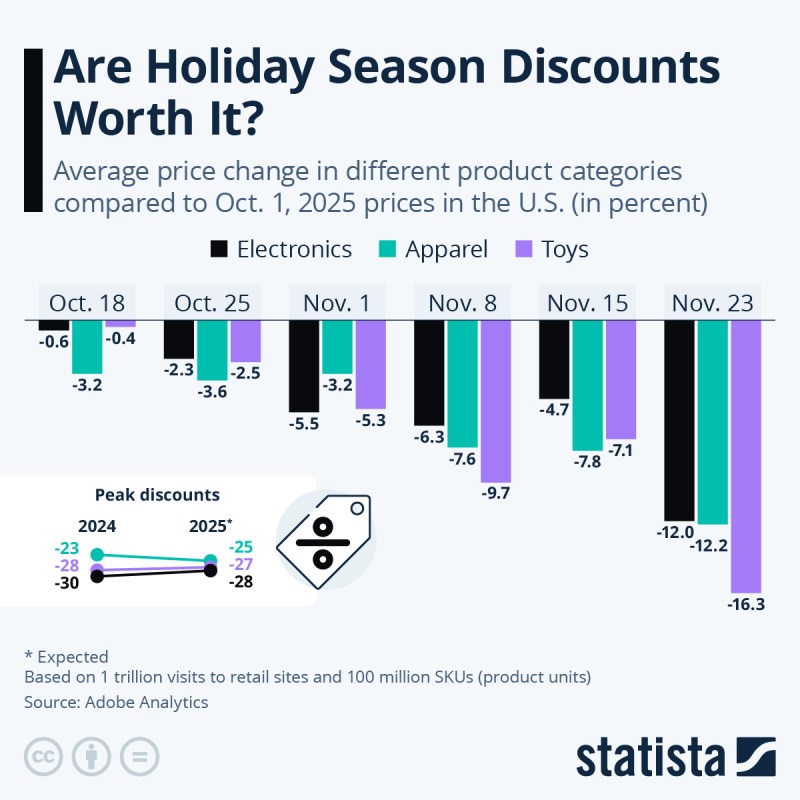
The art of securing unbeatable deals isn’t left to chance—it’s a science. Retailers time promotions with surgical precision, leveraging consumer behavior to maximize sales while minimizing losses. Understanding the ultimate guide to prices, discounts, and seasonal savings means recognizing these patterns before they unfold, allowing savvy shoppers to capitalize on opportunities others miss. Whether it’s the post-holiday clearance frenzy, the back-to-school price drops, or the hidden markdowns of lesser-known sales cycles, the key lies in anticipation.
Discounts aren’t just random slashes on prices; they’re calculated moves tied to inventory turnover, competitor positioning, and psychological triggers. A well-timed sale can clear stagnant stock, attract impulse buyers, or create a sense of urgency—all while keeping margins intact. For the consumer, this means discounts aren’t just about saving money; they’re about leveraging the retailer’s own strategies against them. The difference between a bargain hunter and a casual shopper often comes down to knowing when to strike—and how to decode the signals.
The seasonal discount cycle isn’t a one-size-fits-all event. It’s a dynamic ecosystem where timing, location, and even digital behavior play critical roles. Black Friday may dominate headlines, but the real savings often lie in the quiet months between major holidays—or in the niche discounts of smaller retailers who don’t rely on hype. The challenge? Navigating this landscape without falling into common traps, like overpaying for "limited-time" deals that aren’t truly limited, or missing out on discounts that require proactive research.
The Complete Overview of the Ultimate Guide to Prices, Discounts, and Seasonal Savings
The ultimate guide to prices, discounts, and seasonal savings isn’t just about waiting for a sale; it’s about understanding the entire lifecycle of pricing strategies. Retailers deploy discounts as tools—sometimes to liquidate excess inventory, other times to create artificial demand, and occasionally to reward loyal customers while luring new ones. The most effective shoppers don’t react to discounts; they predict them. This requires knowledge of retail calendars, supply chain logistics, and even macroeconomic factors that influence pricing (e.g., inflation, supply chain disruptions). For instance, a retailer might drop prices on winter coats in early March not just because demand has waned, but because they’re preparing for spring inventory arrivals.What separates the casual discount-seeker from the strategic saver is the ability to recognize the why behind the discount. A 50% off label might seem like a steal, but if the item’s original price was inflated to begin with, the savings could be illusory. Conversely, a modest discount on a high-demand product (like electronics during a holiday) might still offer real value if the retailer is under pressure to meet quarterly sales targets. The ultimate guide to prices, discounts, and seasonal savings demands a critical eye—one that questions not just the discount itself, but the context in which it’s offered.
Historical Background and Evolution
The concept of seasonal discounts traces back to ancient markets, where vendors would reduce prices on perishable goods as they neared expiration. However, the modern retail discount cycle took shape in the early 20th century with the rise of department stores and catalog shopping. Sears, Roebuck & Co. pioneered the idea of "sales seasons," offering discounts during off-peak periods to encourage purchases. By the mid-1900s, the practice had evolved into structured events like Christmas sales and summer clearance, designed to align with consumer spending patterns. The real turning point came in the 1980s with the advent of Black Friday, which transformed discount shopping from a sporadic event into a cultural phenomenon.Today, the ultimate guide to prices, discounts, and seasonal savings must account for digital transformation. The internet democratized access to price comparisons, forcing retailers to become more transparent—and more competitive. Tools like price-tracking apps, cashback platforms, and dynamic pricing algorithms have reshaped the discount landscape. Meanwhile, social media has introduced new forms of "discounts," such as influencer-exclusive codes or flash sales tied to viral trends. The evolution hasn’t just changed when discounts occur; it’s altered how they’re perceived. Consumers now expect personalization—discounts tailored to their browsing history, purchase behavior, or even time of day. This shift has made the seasonal discount cycle more fragmented and data-driven than ever before.
Core Mechanisms: How It Works
At its core, the ultimate guide to prices, discounts, and seasonal savings hinges on three pillars: inventory management, consumer psychology, and competitive positioning. Retailers use discounts to address overstock (e.g., post-holiday clearance), create urgency (e.g., "24-hour flash sales"), or counter competitors’ pricing (e.g., matching Amazon’s deals). The mechanics vary by industry—luxury brands might offer "member-exclusive" discounts to cultivate loyalty, while grocery stores rely on weekly flyers to drive foot traffic. What remains constant is the retailer’s goal: to maximize revenue per item while minimizing dead stock.Table of Contents
- The Complete Overview of the Ultimate Guide to Prices, Discounts, and Seasonal Savings
- Historical Background and Evolution
- Core Mechanisms: How It Works
- Key Benefits and Crucial Impact
- Major Advantages
- Comparative Analysis
- Future Trends and Innovations
- Conclusion
- Comprehensive FAQs
- Q: What’s the best time of year to find the deepest discounts?
- Q: Are "limited-time" discounts really limited?
- Q: Can I negotiate discounts in-store?
- Q: How do I avoid falling for "fake" discounts?
- Q: Are online discounts always better than in-store?
- Q: How can I stack discounts for maximum savings?
- Q: What’s the most overlooked discount season?
- Q: How do I know if a discount is worth the wait?
The consumer’s role in this system is equally critical. Discounts trigger emotional responses—FOMO (fear of missing out), the thrill of a bargain, or the satisfaction of "winning" a deal. Retailers exploit these triggers through limited-time offers, scarcity messaging ("Only 3 left!"), and dynamic pricing (where prices fluctuate based on demand). For example, airlines adjust fares in real-time based on booking patterns, while e-commerce sites use cookies to show higher prices to first-time visitors. Understanding these mechanisms allows shoppers to reverse-engineer discounts: if a retailer is desperate to move inventory, they’re more likely to offer deeper cuts. The ultimate guide to prices, discounts, and seasonal savings thus becomes a game of reading between the lines of marketing language.
Key Benefits and Crucial Impact
The primary allure of the ultimate guide to prices, discounts, and seasonal savings is obvious: saving money. But the real value lies in the broader financial and behavioral benefits. Strategic discount hunting can stretch budgets, reduce debt, and even improve credit scores by freeing up cash for other priorities. For businesses, discounts serve as a tool for market penetration, customer retention, and data collection (e.g., email sign-ups for discount access). However, the impact isn’t always positive. Over-reliance on discounts can erode brand perception if consumers associate a product solely with its sale price, rather than its value. Similarly, retailers risk devaluing their products if discounts become too frequent or too deep.The psychology behind discounts extends beyond immediate savings. Studies show that consumers who engage in discount shopping often experience a dopamine-driven sense of achievement, reinforcing the behavior. This can lead to compulsive shopping if not managed—hence the importance of setting spending limits even during sales. For retailers, the seasonal discount cycle is a double-edged sword: while it drives short-term revenue, poorly executed discounts can cannibalize future sales or attract bargain hunters who lack long-term loyalty.
"A discount is not a gift to the customer; it’s a calculated investment in future sales. The best retailers don’t give away value—they trade it strategically." — Retail Pricing Strategist, Harvard Business Review
Major Advantages
- Financial Savings: Direct reductions in purchase costs, often ranging from 20% to 70% off retail prices during peak discount seasons (e.g., Black Friday, end-of-season clearance).
- Access to Premium Products: Discounts on luxury or high-ticket items (e.g., electronics, fashion) allow consumers to afford brands they otherwise couldn’t justify at full price.
- Inventory Liquidation Benefits: Retailers pass on savings to clear old stock, which can lead to even deeper discounts as the season progresses.
- Loyalty Program Perks: Many discounts are tied to memberships (e.g., Amazon Prime, Sephora Beauty Insider), offering additional rewards like free shipping or exclusive early access.
- Strategic Timing for Big Purchases: Seasonal discounts on durable goods (e.g., appliances, furniture) coincide with tax refunds or bonus seasons, aligning savings with increased disposable income.

Comparative Analysis
| Discount Type | Best For / Worst For |
|---|---|
| Black Friday / Cyber Monday | Best: Electronics, home goods, major appliances (deep discounts, often with price-matching guarantees). Worst: Perishables, fashion (limited use-by dates; trends may change by next season). |
| End-of-Season Clearance | Best: Winter coats (March), swimwear (September), holiday decor (January). Discounts can reach 70%+. Worst: Items with short shelf lives (e.g., seasonal produce, limited-edition cosmetics). |
| Flash Sales (e.g., Groupon, RetailMeNot) | Best: Services (e.g., spa treatments, dining), niche products (e.g., artisanal goods). Worst: High-demand items (scalpers often exploit these, driving prices up post-sale). |
| Loyalty Member Discounts | Best: Recurring purchases (e.g., groceries, beauty products). Often stack with coupons. Worst: One-time buyers (non-members may pay full price for the same product). |
Future Trends and Innovations
The ultimate guide to prices, discounts, and seasonal savings is evolving with advancements in AI and personalization. Retailers are increasingly using machine learning to predict individual spending thresholds, offering discounts tailored to a shopper’s past behavior rather than a one-size-fits-all approach. For example, a customer who frequently buys running shoes might receive a discount on new releases before they’re officially marked down. Similarly, dynamic pricing—already standard in travel and hospitality—will expand into more retail sectors, with prices adjusting in real-time based on demand, location, and even weather patterns.Another emerging trend is the rise of "subscription-based discounts," where consumers pay a monthly fee for access to exclusive deals (e.g., Amazon’s Prime membership). This model benefits retailers by creating recurring revenue while giving shoppers predictable savings. Additionally, sustainability-driven discounts—such as rebates for returning old products (e.g., electronics recycling programs)—are gaining traction as consumers prioritize eco-friendly shopping. The future of discounts won’t just be about price cuts; it’ll be about aligning savings with values, convenience, and data-driven personalization.

Conclusion
Mastering the ultimate guide to prices, discounts, and seasonal savings isn’t about chasing every deal—it’s about understanding the system that creates them. The most successful shoppers treat discounts as a negotiation, leveraging retailer incentives to their advantage while avoiding the pitfalls of impulsive spending. For businesses, the challenge lies in balancing generosity with profitability, ensuring that discounts drive long-term growth rather than short-term spikes. As technology reshapes the retail landscape, the lines between shopper and retailer will continue to blur, making strategic discount hunting an essential skill for the modern consumer.The key takeaway? Discounts are a language, and those who learn to speak it fluently will always come out ahead. Whether it’s timing purchases to align with inventory cycles, stacking discounts for maximum savings, or recognizing when a "sale" is truly a bargain, the seasonal discount cycle rewards the prepared. The question isn’t if you’ll save money—it’s how much you’ll leave on the table if you don’t play the game right.
Comprehensive FAQs
Q: What’s the best time of year to find the deepest discounts?
A: The most significant discounts typically occur during post-holiday clearance (January–March), end-of-season sales (e.g., winter coats in March, swimwear in September), and Black Friday/Cyber Monday (late November). However, niche discounts (e.g., tax-free weekends, back-to-school sales) can offer better value in specific categories. Always cross-reference retailer calendars—some brands start promotions earlier to avoid holiday crowds.
Q: Are "limited-time" discounts really limited?
A: Not always. Many retailers use urgency tactics (e.g., "Only 3 left!") to create artificial scarcity, even if the discount is available for weeks. To verify, check the product’s original price history using tools like CamelCamelCamel (for Amazon) or Honey. If the price has been fluctuating, the "limited-time" claim may be a marketing ploy.
Q: Can I negotiate discounts in-store?
A: Yes, but success depends on the retailer’s policies and your approach. Start by researching the item’s MSRP (Manufacturer’s Suggested Retail Price) and compare it to online prices. Politely ask to speak to a manager and cite competitors’ lower prices or mention you’re willing to pay cash (some stores offer discounts for cash transactions). High-end retailers (e.g., furniture stores, car dealerships) are more likely to negotiate than big-box chains.
Q: How do I avoid falling for "fake" discounts?
A: Watch for these red flags:
- Inflated original prices: Compare the "sale" price to the item’s history (e.g., was it really $200, or is that the inflated "list price"?).
- No price-matching guarantees: Some retailers (e.g., Best Buy, Walmart) will match competitors’ prices if you ask.
- Expiration dates: Discounts that expire in hours may not be as limited as they seem.
- Shipping fees: "Free shipping" deals can turn costly if the base price is already high.
Q: Are online discounts always better than in-store?
A: It depends on the category. Online discounts often include:
- Automated price drops (e.g., Amazon’s price history).
- Cashback rewards (e.g., Rakuten, Ibotta).
- Subscription perks (e.g., Prime Day exclusives).
- Immediate gratification (no shipping waits).
- Higher-touch services (e.g., furniture assembly, tech support).
- Last-minute deals (e.g., open-box discounts at Best Buy).
Q: How can I stack discounts for maximum savings?
A: Stacking discounts involves combining multiple offers to reduce the final price further. Common methods include:
- Coupon + Sale Price: Use retailer coupons (e.g., Target Circle, Kroger coupons) during marked-down periods.
- Cashback + Discount: Apply cashback apps (e.g., Honey, Rakuten) after the sale price is applied.
- Loyalty Points + Promo Code: Redeem points (e.g., Sephora, Ulta) and enter promo codes at checkout.
- Price-Matching: Some stores (e.g., Walmart, Lowe’s) will match online discounts if you show proof.
Q: What’s the most overlooked discount season?
A: Many shoppers focus on Black Friday and holiday sales, but these often-overlooked periods offer better value with less competition:
- January White Sales (Linen/Curtains): Post-holiday clearance on home goods can yield 50–70% off.
- Presidents’ Day (February): Mid-range electronics and furniture discounts, with fewer crowds than Black Friday.
- Tax-Free Weekends (State-Specific): Some states (e.g., Florida, Texas) offer sales tax holidays on specific items (e.g., clothing, school supplies).
- Labor Day (Early September): Early back-to-school deals on electronics and office supplies.
- Green Monday (Late January): A lesser-known online shopping event with deep discounts on luxury and fashion.
Q: How do I know if a discount is worth the wait?
A: Use this framework to evaluate:
- Price Drop Potential: If an item’s price has been declining for weeks (e.g., via CamelCamelCamel), waiting may not yield significant savings.
- Inventory Risk: Perishable or trend-driven items (e.g., seasonal fashion) may not hold value long-term.
- Opportunity Cost: Could you earn more by investing the money saved (e.g., high-yield savings accounts) instead of waiting?
- Retailer Reputation: Some brands (e.g., Apple, Patagonia) rarely discount—if you see a "sale," verify it’s legitimate.
Leave a Comment
Comments are moderated before appearing. The data you submit is processed according to the Privacy Policy of Medicine.