Dublin California Sales Tax Rate: What Residents and Businesses Must Know
Dublin, California—nestled in the heart of Silicon Valley—is a city where tech giants and affluent residents coexist, shaping its economic landscape. Yet, beneath the gleaming corporate campuses and upscale neighborhoods lies a critical financial consideration: the Dublin California sales tax rate. Unlike other municipalities, Dublin’s tax structure reflects its unique blend of high-income households and a booming commercial sector, making it essential for both buyers and sellers to grasp the nuances. Whether you're a homeowner calculating renovation costs, a small business owner pricing products, or a remote worker assessing local tax implications, understanding this rate isn’t just about compliance—it’s about strategic financial planning.
The Dublin California sales tax rate isn’t a static figure. It’s a layered system comprising state, county, and local levies, each contributing to the city’s revenue while influencing consumer behavior. For instance, a $1,000 purchase in Dublin doesn’t just incur the standard California state sales tax; it also absorbs additional percentages from Alameda County and the city itself. This complexity can catch residents off guard, especially when comparing prices across neighboring cities like Pleasanton or Livermore, where tax rates may differ slightly. The interplay between these rates also affects business decisions—from inventory pricing to expansion strategies—making Dublin’s tax environment a microcosm of broader economic forces at play in Northern California.
What sets Dublin apart is its deliberate balance between funding local services and maintaining competitiveness in a region dominated by tech-driven economies. The city’s tax policies are designed to support infrastructure, education, and public safety without stifling growth. But how did this system evolve? And what does it mean for everyday transactions? The answers lie in the historical context, the mechanics of the tax structure, and the tangible impacts it has on both individuals and businesses.
The Complete Overview of Dublin California Sales Tax Rate
Dublin’s sales tax rate is a composite of multiple jurisdictions, each with its own purpose and revenue allocation. At its core, the state of California imposes a base sales tax of 7.25%, which includes a 6% state rate and a 1.25% temporary rate (as of 2024) to fund education and other services. However, Dublin residents and businesses must also account for additional levies: Alameda County adds 0.50%, while the city of Dublin itself imposes an extra 0.50%. This brings the total Dublin California sales tax rate to 8.25% for most transactions. Yet, this isn’t the full picture. Special districts, such as those funding transportation or parks, may tack on further percentages, pushing the effective rate closer to 8.50% or higher in specific cases.The breakdown isn’t merely academic—it has real-world consequences. For example, a $500 purchase in Dublin would incur approximately $41.25 in sales tax, compared to $36 in a city with a lower combined rate. This discrepancy can influence spending habits, particularly for high-value items like electronics, furniture, or automotive purchases. Businesses, meanwhile, must navigate these rates when setting prices, ensuring they remain competitive while covering tax obligations. The Dublin California sales tax rate thus serves as both a revenue generator and a subtle economic regulator, shaping consumer choices and business strategies alike.
Historical Background and Evolution
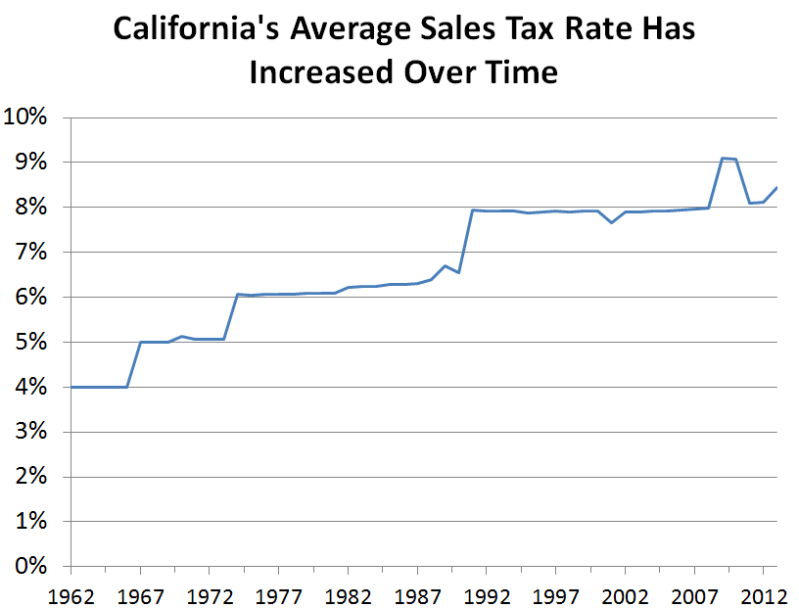
The origins of Dublin’s sales tax structure trace back to California’s broader fiscal policies, which have evolved in response to demographic shifts and economic needs. When California first introduced its state sales tax in 1933, it was a modest 2%. Over the decades, this rate has fluctuated, expanding to fund public services amid population growth and inflation. By the 1990s, as Silicon Valley’s tech boom accelerated, local governments—including Dublin—began imposing additional levies to support infrastructure and education. The city’s incorporation in 1982 marked a turning point, allowing it to establish its own tax authority and tailor rates to local priorities.Dublin’s decision to adopt a 0.50% local sales tax in the early 2000s reflected its ambition to become a self-sustaining municipality. Unlike some neighboring cities that rely heavily on property taxes, Dublin’s leadership recognized the potential of a diversified revenue stream, particularly as tech companies like Oracle and Tesla established a presence. The addition of Alameda County’s 0.50% rate further solidified the city’s fiscal framework, ensuring funds for public safety, libraries, and road maintenance. Today, the Dublin California sales tax rate stands as a testament to this evolution—a blend of state mandates and local innovation designed to meet the demands of a rapidly growing community.
Core Mechanisms: How It Works
The mechanics of Dublin’s sales tax system operate on a tiered model, where each jurisdiction’s rate stacks atop the previous one. The process begins with the state’s 7.25% base rate, which applies uniformly across California. For Dublin transactions, Alameda County’s 0.50% is added next, followed by the city’s 0.50%. This cumulative approach ensures transparency, though it can complicate calculations for businesses and consumers alike. For instance, a retailer must display the total tax rate (8.25%) on receipts, breaking down the components if requested—a requirement enforced by the California Department of Tax and Fee Administration (CDTFA).Table of Contents
- The Complete Overview of Dublin California Sales Tax Rate
- Historical Background and Evolution
- Core Mechanisms: How It Works
- Key Benefits and Crucial Impact
- Major Advantages
- Comparative Analysis
- Future Trends and Innovations
- Conclusion
- Comprehensive FAQs
- Q: What is the current total sales tax rate in Dublin, California?
- Q: Are there any exemptions or special cases for the Dublin sales tax?
- Q: How often do businesses need to remit sales tax in Dublin?
- Q: Does Dublin’s sales tax apply to online purchases? A: Yes. Since 2019, California has required remote sellers (including online retailers) to collect and remit sales tax if they have a physical presence in the state or meet certain sales thresholds. Dublin’s rate applies to all taxable online transactions shipped to the city. Q: Can Dublin adjust its sales tax rate independently?
- Q: Where can I find the most up-to-date information on Dublin’s sales tax?
What often confuses residents is the presence of additional district taxes. For example, the Dublin San Ramon Services District (DSRSD) may impose an extra 0.25% for water and sewer services, bringing the total to 8.50% for certain purchases. Businesses must register with the CDTFA and obtain a seller’s permit to collect these taxes accurately. The system is designed to be self-reporting, with sellers remitting taxes monthly, quarterly, or annually, depending on their sales volume. Failure to comply can result in penalties, audits, or even legal action—a reminder that the Dublin California sales tax rate is not just a financial detail but a regulatory obligation.
Key Benefits and Crucial Impact
The Dublin California sales tax rate plays a dual role: it funds essential services while subtly influencing economic behavior. For residents, the revenue generated supports critical infrastructure, such as the city’s award-winning parks and state-of-the-art libraries. Businesses, meanwhile, benefit from well-maintained roads and a skilled workforce, both of which enhance their operational efficiency. The tax system also fosters equity by ensuring that higher-income earners—who tend to spend more—contribute proportionally to public funds. Without this structure, Dublin’s rapid growth might have strained its budget, leading to higher property taxes or reduced services.Yet, the impact extends beyond local benefits. The Dublin California sales tax rate acts as a market differentiator in a competitive region. Cities with lower combined rates may attract more retail activity, but Dublin’s balance of taxes and amenities positions it as a desirable place to live and work. For instance, the city’s investment in public safety and education helps retain families, while its proximity to tech hubs ensures a steady influx of high-earning professionals. The tax system, therefore, isn’t just a revenue tool—it’s a cornerstone of Dublin’s economic stability.
"A well-structured sales tax system is more than a financial mechanism; it’s a reflection of a community’s priorities. Dublin’s approach demonstrates how local governance can align fiscal policy with quality of life." — California Tax Policy Institute, 2023
Major Advantages
- Funding Local Services: The additional 1.00% (city + county) directly supports Dublin’s police, fire, and library services, ensuring residents receive high-quality public amenities without relying solely on property taxes.
- Economic Stability: A predictable tax structure encourages business investment, as companies can accurately forecast costs and pricing strategies.
- Infrastructure Development: Revenue from the Dublin California sales tax rate has been allocated to road improvements, public transit, and utility expansions, enhancing the city’s appeal to both residents and businesses.
- Equitable Distribution: Unlike progressive income taxes, sales taxes impose a broader burden, capturing contributions from all economic segments while funding services used by everyone.
- Competitive Edge: By balancing taxes with amenities, Dublin attracts high-value industries and retains talent, reinforcing its status as a Silicon Valley leader.
Comparative Analysis
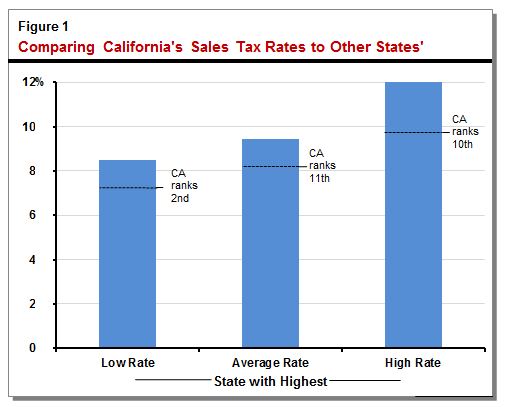
To contextualize Dublin’s rates, a comparison with neighboring cities reveals both similarities and distinctions. While all areas in Alameda County share the same state and county base rates, local variations create meaningful differences.| City | Combined Sales Tax Rate (2024) |
|---|---|
| Dublin | 8.25% (8.50% with district taxes) |
| Pleasanton | 8.50% (includes additional district taxes) |
| Livermore | 8.00% |
| San Ramon | 8.75% (highest in Alameda County) |
Future Trends and Innovations
As Dublin continues to grow, its sales tax system may face pressures to adapt. One potential trend is the increasing use of tax increment financing (TIF), where additional revenue from new developments funds infrastructure improvements in those same areas. This approach could allow Dublin to lower base rates in high-growth zones while maintaining service levels. Additionally, the rise of e-commerce may prompt discussions about remote seller laws, ensuring online retailers contribute fairly to local coffers.Another innovation on the horizon is the integration of automated tax collection systems, which could reduce administrative burdens for businesses and improve compliance. Dublin may also explore tiered tax rates for specific industries, such as tech or green energy, to incentivize growth while balancing fiscal sustainability. As California grapples with broader tax reform debates, Dublin’s leaders will need to navigate these changes carefully, ensuring the Dublin California sales tax rate remains a tool for progress rather than a barrier to it.

Conclusion
The Dublin California sales tax rate is far more than a line item on a receipt—it’s a reflection of the city’s values, priorities, and economic strategy. For residents, it’s a necessary consideration in everyday spending, while for businesses, it’s a critical factor in financial planning and competitiveness. The rate’s evolution mirrors Dublin’s transformation from a rural area to a thriving urban center, and its future will likely shape the city’s trajectory in an increasingly complex fiscal landscape.Understanding this rate isn’t just about compliance; it’s about leveraging Dublin’s strengths while advocating for policies that sustain its growth. Whether you’re a homeowner, a business owner, or a visitor, grasping the nuances of the Dublin California sales tax rate empowers you to make informed decisions—ensuring that the city’s prosperity continues to benefit everyone who calls it home.
Comprehensive FAQs
Q: What is the current total sales tax rate in Dublin, California?
A: As of 2024, the standard combined sales tax rate in Dublin is 8.25%, comprising 7.25% (state), 0.50% (Alameda County), and 0.50% (city). Additional district taxes may bring the total to 8.50% for certain purchases.
Q: Are there any exemptions or special cases for the Dublin sales tax?
A: Yes. Exemptions include groceries (with some exceptions), prescription medications, and certain manufacturing equipment. Additionally, nonprofits and government entities may qualify for reduced rates. Always verify with the California Department of Tax and Fee Administration (CDTFA) for specifics.
Q: How often do businesses need to remit sales tax in Dublin?
A: Businesses must remit sales tax based on their sales volume: monthly for high-volume sellers, quarterly for moderate volumes, and annually for low-volume sellers. The CDTFA provides guidelines to determine your filing frequency.
Q: Does Dublin’s sales tax apply to online purchases?
A: Yes. Since 2019, California has required remote sellers (including online retailers) to collect and remit sales tax if they have a physical presence in the state or meet certain sales thresholds. Dublin’s rate applies to all taxable online transactions shipped to the city.
Q: Can Dublin adjust its sales tax rate independently?
A: Dublin can propose changes to its local sales tax rate, but any adjustments require voter approval or alignment with state and county fiscal policies. The city council typically reviews rates biennially to ensure they reflect community needs.
Q: Where can I find the most up-to-date information on Dublin’s sales tax?
A: The official sources are the California Department of Tax and Fee Administration and the City of Dublin’s finance department. Both provide real-time updates, rate breakdowns, and compliance resources.
Leave a Comment
Comments are moderated before appearing. The data you submit is processed according to the Privacy Policy of Medicine.