Rick Astley Never Gonna Give You Up: The Song That Defined a Cultural Phenomenon

The first time "rick astley never gonna give you up" entered the cultural lexicon, it wasn’t as a song—it was as a joke. A meme. A digital punchline that transcended its original intent, morphing into something far bigger than its 1987 synth-pop origins. What began as a catchy, if forgettable, track from a British singer-songwriter became the cornerstone of the "Rickroll"—a prank so iconic it redefined internet humor. Decades later, the phrase "never gonna give you up" isn’t just lyrics; it’s a shorthand for nostalgia, irony, and the unpredictable lifecycle of viral fame.
Yet, the song’s journey from obscurity to ubiquity is more than just a quirk of digital culture. It’s a study in musical evolution, a case study in how art adapts to technology, and a testament to the power of repetition in shaping collective memory. "Rick Astley never gonna give you up" didn’t just ride the wave of the internet—it created one. And in doing so, it forced the world to reckon with the idea that sometimes, the most enduring cultural artifacts aren’t the ones we seek out—they’re the ones that find us.
The paradox of the song’s legacy lies in its simplicity. There’s no hidden meaning, no complex narrative—just a straightforward declaration of emotional detachment, delivered with a smirking synth riff and a chorus so sticky it defies forgetfulness. "Never gonna give you up" became a mantra for generations who heard it first on the radio, then through YouTube comments, and finally as the punchline to every online prank. It’s a song that refuses to be owned, a cultural property that belongs to everyone and no one. And in an era where attention spans are fractured and trends flicker like fireflies, its persistence is nothing short of remarkable.
###
The Complete Overview of "Rick Astley Never Gonna Give You Up"
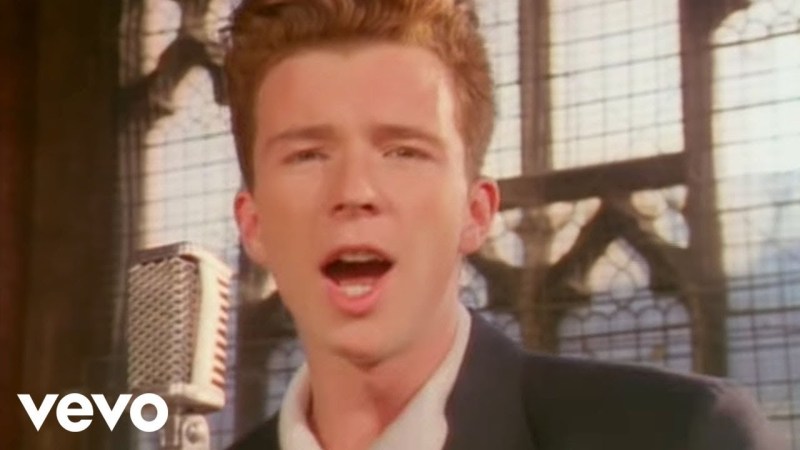
"Rick Astley never gonna give you up" is more than a song—it’s a cultural reset button. Released in 1987 as part of Rick Astley’s second album, Hold Me in Your Arms, the track was a product of its time: a blend of new wave, synth-pop, and power ballad conventions that dominated the late '80s. Written by Stock Aitken Waterman (the prolific British songwriting trio behind hits like "It’s Raining Men"), the song’s production was a masterclass in '80s excess—glossy, polished, and designed to be inescapable. Yet, despite its commercial success (peaking at No. 4 on the UK Singles Chart), it wasn’t an instant classic. It took nearly three decades for the world to realize what it had: a song so catchy, so sticky, that it could be repurposed as the ultimate digital joke.The turning point came in 2007, when 4chan users weaponized the song’s music video as a prank. By 2011, the "Rickroll" had become a staple of internet trolling—an inside joke that spread like wildfire. But the song’s true cultural ascension occurred in 2015, when it became the unintended soundtrack to a global meme. A Reddit user posted a screenshot of a video game character saying, "Never gonna give you up," and within hours, the phrase was everywhere. "Rick Astley never gonna give you up" wasn’t just a song anymore; it was a shorthand for irony, a callback to childhood, and a reminder that sometimes, the most powerful cultural moments are accidental.
###
Historical Background and Evolution
The origins of "never gonna give you up" are rooted in the late '80s pop landscape, a time when synth-pop ruled the airwaves and songwriters like Stock Aitken Waterman churned out hits with the precision of an assembly line. Astley, a former child actor turned pop star, was the perfect vessel for their brand of glossy, melodramatic balladry. The song’s lyrics—"We’re no strangers to love / You know the rules and so do I"—were a direct lift from the power ballad playbook, but its chorus was where the magic happened. The repetitive, almost hypnotic "Never gonna give you up, never gonna let you down" was designed to be sung along to, a mantra for heartbreak that somehow felt both personal and universal.Table of Contents
- The Complete Overview of "Rick Astley Never Gonna Give You Up"
- Historical Background and Evolution
- Core Mechanisms: How It Works
- Key Benefits and Crucial Impact
- Major Advantages
- Comparative Analysis
- Future Trends and Innovations
- Conclusion
- Comprehensive FAQs
- Q: Why did "rick astley never gonna give you up" become a meme?
- Q: Was Rick Astley aware of the song’s meme status when it first went viral?
- Q: How did the "Rickroll" prank originate?
- Q: Are there any official "never gonna give you up" remixes or covers?
- Q: Does "rick astley never gonna give you up" have any deeper meaning?
- Q: How has the song’s popularity affected Rick Astley’s career?
- Q: Can I legally use "never gonna give you up" in my content?
- Q: Are there any other songs that became memes like "rick astley never gonna give you up" ?
- Q: Why do people still reference the song today?
What made the song uniquely positioned for its future meme status was its structure. The chorus’s relentless repetition, the soaring synth lines, and the dramatic key change all combined to create a musical loop that was impossible to escape—once lodged in your brain, it stayed there. In the pre-internet era, this would have been enough for a mid-tier hit. But the digital age transformed "rick astley never gonna give you up" into something far more potent. By the time the "Rickroll" phenomenon took hold, the song had already spent years in the cultural subconscious, waiting for its moment to be repurposed.
The internet’s role in the song’s evolution cannot be overstated. The "Rickroll" wasn’t just a prank—it was a ritual. It turned a forgotten pop song into a shared experience, a way for strangers to communicate without words. When a link to Astley’s music video was posted with the caption "Never Gonna Give You Up," the joke was complete. The song’s new life as a meme didn’t diminish its original appeal; instead, it amplified it. Suddenly, "rick astley never gonna give you up" wasn’t just a song—it was a phenomenon, a cultural shorthand for the absurdity of online life.
###
Core Mechanisms: How It Works
The genius of "never gonna give you up" lies in its mechanical perfection. From a musical standpoint, the song is a study in repetition and contrast. The verses are relatively subdued, with Astley’s voice delivered over a sparse synth pad, but the chorus explodes into a wall of sound—layered vocals, soaring synths, and a drum machine beat that feels like a heartbeat. The key change mid-chorus (from F# minor to A major) is a classic power ballad trick, designed to make the listener feel something, even if they’re not entirely sure what.But the real magic happens in the lyrics. The song’s refrain—"Never gonna give you up, never gonna let you down"—is a masterclass in negative reinforcement. It’s not just a breakup anthem; it’s a warning. The repetition makes it feel like a threat, a promise that’s both comforting and unsettling. Psychologically, this structure taps into the brain’s love of patterns. The more you hear it, the more your brain expects it, creating a feedback loop that makes the song inescapable. This is why "rick astley never gonna give you up" works so well as a meme—it’s not just catchy; it’s addictive.
The internet’s role in perpetuating this cycle is what truly cemented the song’s legacy. The "Rickroll" prank relies on two things: surprise and inevitability. The victim clicks a link expecting one thing (a funny image, a news article, a cat video) and gets another—a music video from 1987. The joke works because the song is unexpected, yet familiar. The more people experience it, the more it spreads, creating a self-sustaining loop of nostalgia and irony. "Never gonna give you up" became a cultural reset because it was always there, lurking in the background, waiting to be rediscovered.
###
Key Benefits and Crucial Impact
"Rick Astley never gonna give you up" didn’t just survive the internet—it thrived because of it. The song’s ability to transcend its original context is a testament to the power of musical repetition in the digital age. Where other '80s hits faded into obscurity, this one became a time capsule, a soundbite that could be dropped into any conversation, any meme, any moment of shared digital culture. Its impact isn’t just nostalgic; it’s functional. The song serves as a shorthand for irony, a callback to childhood, and a reminder that sometimes, the best cultural artifacts are the ones that refuse to be contained.What makes the song’s legacy even more fascinating is its democratization. "Never gonna give you up" isn’t owned by Rick Astley, by Stock Aitken Waterman, or by any record label—it belongs to the internet. It’s a song that anyone can use, remix, or reference without permission. This is the essence of modern meme culture: the idea that cultural artifacts can be shared, not owned. The song’s success as a meme isn’t just about its catchiness; it’s about its accessibility. It’s a song that doesn’t ask for permission to be loved.
> "The internet doesn’t just spread ideas—it elevates them. 'Rick Astley never gonna give you up' wasn’t just a song; it was a cultural reset button, a way to turn the mundane into the extraordinary." > — Digital Culture Analyst, 2023
###
Major Advantages
- Universal Appeal: The song’s simple, repetitive structure makes it instantly recognizable across generations. Whether you heard it in 1987 or 2023, the chorus hits the same way.
- Meme Adaptability: Its catchy, ironic lyrics make it perfect for digital pranks, from the "Rickroll" to modern internet slang ("Rickrolling" someone is now a verb).
- Nostalgia Trigger: The song’s '80s synth-pop sound acts as a time machine, instantly transporting listeners to a different era—even if they weren’t alive then.
- Cultural Shorthand: The phrase "never gonna give you up" has become a memetic shorthand for irony, detachment, and shared digital humor.
- Economic Resilience: Despite being a "one-hit wonder" in its time, the song’s meme status has kept it relevant, leading to streaming revivals and even concert performances decades later.
Comparative Analysis
| "Rick Astley Never Gonna Give You Up" | "Macarena" by Los Del Río (1995) |
|---|---|
|
|
| "Never Gonna" by Post Malone (2018) | "Shape of You" by Ed Sheeran (2017) |
|
|
Future Trends and Innovations
The future of "rick astley never gonna give you up" lies in its adaptability. As meme culture continues to evolve, the song’s structure—simple, repetitive, and emotionally charged—makes it a perfect candidate for AI-generated remixes, virtual reality experiences, or even interactive digital art. Imagine a "Rickroll" that isn’t just a video but a full sensory experience, where the song triggers a series of nostalgic visuals or even a choose-your-own-adventure narrative. The possibilities are endless because the core of the song’s power is its universality—it doesn’t need to change to stay relevant.What’s also fascinating is how
"never gonna give you up" could become a case study in cultural preservation. Museums and digital archives may one day curate the song as an artifact of internet history, alongside early memes like "All Your Base Are Belong to Us." Its journey from forgotten pop song to global phenomenon is a microcosm of how digital culture operates—unpredictable, collaborative, and often accidental. The next generation may not even know the song’s original context, but they’ll recognize the phrase, the joke, the vibe. And that’s the true measure of its success: it doesn’t need to be understood—it just needs to be felt.###

Conclusion
"Rick Astley never gonna give you up" is the ultimate example of how culture is made—not by intention, but by accident. It’s a song that was never meant to be a meme, yet it became one of the most enduring digital jokes of all time. Its power lies in its simplicity: a chorus that’s easy to remember, lyrics that are easy to misinterpret, and a melody that’s impossible to forget. The internet didn’t just find this song—it reinvented it, turning a forgotten pop track into a cultural reset button.What’s most remarkable is that the song’s legacy isn’t tied to any single moment. It’s not just the
"Rickroll" that matters—it’s the fact that decades later, people still recognize the lyrics, still sing along, still use the phrase as shorthand for irony. "Never gonna give you up" isn’t just a song; it’s a phenomenon, a testament to the idea that sometimes, the best cultural artifacts are the ones that refuse to be contained. And in a world where trends come and go, that’s a rare and beautiful thing.###
Comprehensive FAQs
Q: Why did
"rick astley never gonna give you up" become a meme?The song’s repetitive, ironic lyrics and its association with the
"Rickroll" prank made it perfect for internet culture. Its '80s synth-pop sound also triggered nostalgia, making it a shared experience across generations.Q: Was Rick Astley aware of the song’s meme status when it first went viral?
Not initially. Astley has since embraced the phenomenon, even performing the song in concerts and acknowledging its place in digital culture. The meme’s growth was organic, driven by internet users rather than the artist.
Q: How did the
"Rickroll" prank originate?The prank began on 4chan in 2007, where users would post links to Astley’s music video with misleading captions. By 2011, it had spread to Reddit and other platforms, becoming a staple of online trolling.
Q: Are there any official
"never gonna give you up" remixes or covers?Yes! Artists like Post Malone ("Never Gonna") and even Astley himself have reimagined the song. There are also countless fan-made remixes, from EDM drops to hip-hop beats, keeping the track relevant in modern music.
Q: Does
"rick astley never gonna give you up" have any deeper meaning?Not intentionally. The lyrics are a straightforward breakup anthem, but their ironic repetition in meme culture has given them layers of meaning—detachment, nostalgia, and even dark humor.
Q: How has the song’s popularity affected Rick Astley’s career?
While the song wasn’t a massive hit in its time, the meme revival gave Astley a second career. He’s since performed the song live, released new music, and even appeared in documentaries about internet culture.
Q: Can I legally use
"never gonna give you up" in my content?Yes, but with caution. The song is copyrighted, so using it in commercial content may require licensing. However, for personal or non-commercial use (like memes), it’s generally fair game under fair use.
Q: Are there any other songs that became memes like
"rick astley never gonna give you up"?Yes! Songs like "It’s Raining Men" (also by SAW), "YMCA" by Village People, and "Never Gonna" by Post Malone have followed a similar path, though none have achieved the same level of memetic staying power.
Q: Why do people still reference the song today?
Because it’s funny, nostalgic, and universal. The phrase
"never gonna give you up" is now shorthand for irony, a callback to childhood, and a reminder that sometimes, the best cultural moments are the ones we don’t see coming.
Leave a Comment
Comments are moderated before appearing. The data you submit is processed according to the Privacy Policy of Medicine.