Transform Your Space: Backyard Kitchen Ideas for Year-Round Gourmet Living
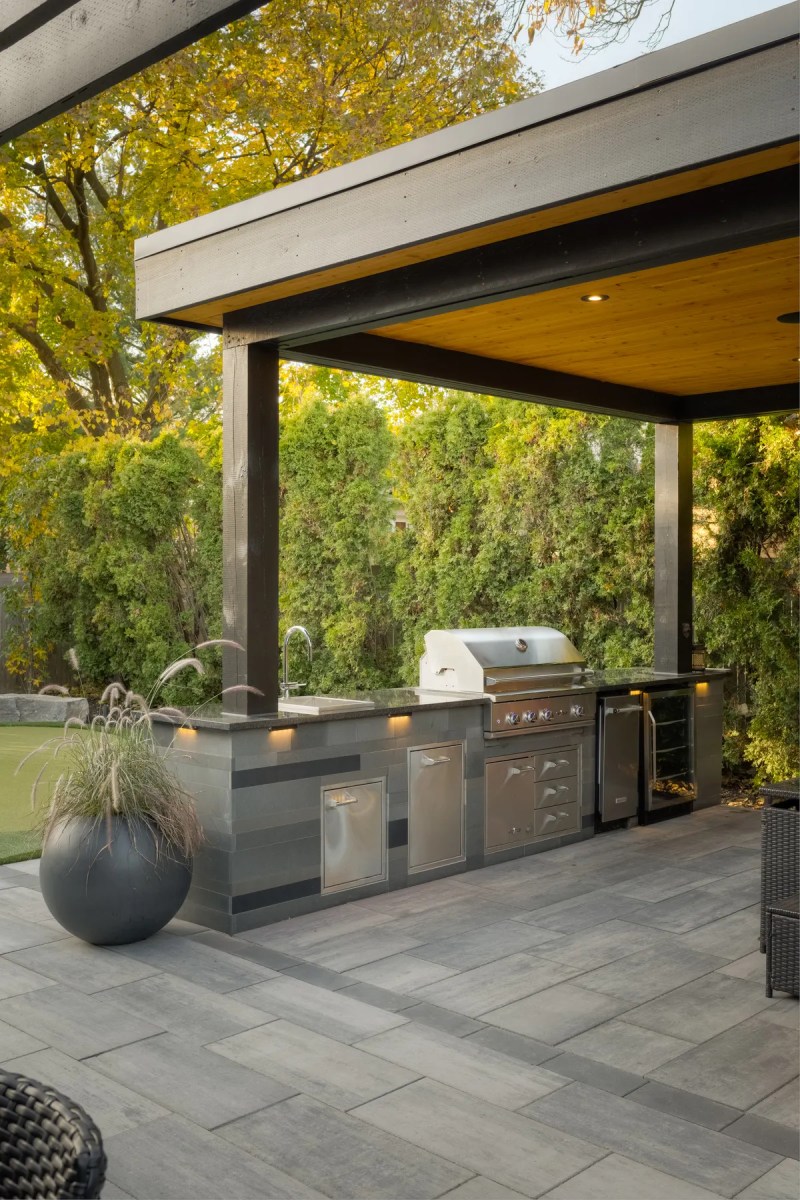
The first sip of coffee on a sunlit morning, the sizzle of steak over an open flame, the laughter of guests gathered around a handcrafted bar—these are the moments backyard kitchens turn a simple yard into a living room. The trend isn’t just about grilling; it’s about reclaiming outdoor space as an extension of the home, where culinary creativity meets architectural harmony. Whether you’re a master chef or a weekend BBQ enthusiast, the right backyard kitchen ideas can elevate your lifestyle, merging practicality with bespoke design.
What separates a functional outdoor cooking area from a showstopping backyard kitchen? Precision. The best installations balance durability, climate adaptability, and seamless integration with existing landscapes. From high-end built-ins with refrigeration to minimalist mobile carts, the options reflect a spectrum of budgets and tastes—but all share one goal: transforming idle square footage into a hub for relaxation and gastronomy. The key lies in anticipating daily use while preserving the natural beauty of the environment.
The allure of backyard kitchen ideas extends beyond aesthetics. Studies show that outdoor dining reduces stress by 30% compared to indoor meals, thanks to fresh air and natural light. Yet, the real magic happens when design aligns with climate and lifestyle. A well-planned outdoor kitchen isn’t just a feature—it’s an investment in experiences that last decades, from summer soirées to winter gatherings around a fire pit.
The Complete Overview of Backyard Kitchen Ideas
Backyard kitchen ideas have evolved from simple charcoal grills to sophisticated multi-zone cooking stations, each tailored to specific needs. The modern approach prioritizes modularity—allowing homeowners to start small (a portable grill) and expand over time (adding a sink, prep counter, or pizza oven). This flexibility is crucial, as outdoor spaces often serve dual roles: primary cooking area by day, cozy retreat by night. The best designs incorporate weather-resistant materials like stainless steel, teak, or composite decking, which resist moisture while aging gracefully.The layout of a backyard kitchen depends on three critical factors: traffic flow, climate, and available space. For compact yards, vertical storage and foldable surfaces maximize utility without overwhelming the area. In larger spaces, a dedicated island with built-in appliances (like a smoker or ice maker) creates a restaurant-quality setup. The choice between permanent structures and mobile units also hinges on local regulations—some neighborhoods require permits for fixed installations, while others allow temporary setups that can be winterized.
Historical Background and Evolution
The concept of outdoor cooking dates back to ancient civilizations, where communal fire pits served as both culinary and social centers. In the 19th century, European aristocracy embraced garden kitchens as a way to prepare meals away from indoor heat, using cast-iron stoves and copper pots. The trend crossed the Atlantic in the early 20th century, but it wasn’t until the 1980s that backyard kitchen ideas gained mainstream traction in North America, thanks to the rise of gas grills and the suburban boom. Brands like Weber popularized portable grilling, while high-end builders began crafting custom stone-and-brick stations for luxury homes.Today, the evolution reflects technological and cultural shifts. Smart grills with Wi-Fi connectivity, solar-powered refrigerators, and induction burners that work outdoors are redefining what’s possible. Sustainability also plays a role—modern backyard kitchen ideas often incorporate rainwater harvesting for cleaning stations, composting bins for organic waste, and drought-resistant landscaping to minimize water use. The result? A fusion of nostalgia and innovation, where the past’s communal spirit meets the present’s demand for efficiency.
Core Mechanisms: How It Works
At its core, a backyard kitchen operates on three principles: functionality, durability, and integration. Functionality starts with zoning—grouping appliances by use (grilling, prep, storage) to minimize movement. A typical setup includes a grill (gas, charcoal, or pellet), a sink with a water filtration system, and counter space for chopping and plating. High-end models add refrigeration, ice makers, and even wine coolers, while budget-friendly options rely on portable coolers and foldable tables.Table of Contents
- The Complete Overview of Backyard Kitchen Ideas
- Historical Background and Evolution
- Core Mechanisms: How It Works
- Key Benefits and Crucial Impact
- Major Advantages
- Comparative Analysis
- Future Trends and Innovations
- Conclusion
- Comprehensive FAQs
- Q: What’s the best layout for a small backyard kitchen?
- Q: Are there weatherproof alternatives to wood for outdoor counters?
- Q: How do I keep pests away from my backyard kitchen?
- Q: Can I install a backyard kitchen without permits?
- Q: What’s the most energy-efficient way to heat an outdoor kitchen in winter?
- Q: How can I make my backyard kitchen eco-friendly?
Durability hinges on material science. Stainless steel resists rust and high heat, while sealed granite or concrete counters prevent water damage. Electrical systems must be weatherproof, often requiring underground wiring or battery-powered solutions to avoid hazards. Integration with the landscape is equally critical—elevating structures on piers prevents flooding, and pergolas or shade sails protect against UV damage. The best backyard kitchen ideas treat the space as an ecosystem, where every element—from the grill’s placement to the choice of lighting—serves both practical and aesthetic purposes.
Key Benefits and Crucial Impact
Backyard kitchen ideas aren’t just about convenience; they redefine how we interact with our homes and the outdoors. The psychological benefits alone—fresh air, natural light, and the sensory pleasure of cooking al fresco—create a multisensory experience that indoor kitchens can’t replicate. For families, it fosters connection; for entertainers, it extends hospitality without the chaos of indoor cooking. Even for solo chefs, the ritual of grilling under the stars offers a meditative escape from screen time.The financial and environmental perks are equally compelling. A well-designed outdoor kitchen can increase a home’s resale value by up to 15%, according to real estate studies, while reducing indoor heat gain in summer. Energy-efficient models with LED lighting and solar-powered tools cut utility costs, and composting systems divert organic waste from landfills. The ripple effects extend to local economies, too—homeowners often source ingredients from farmers’ markets, supporting small businesses.
"An outdoor kitchen is more than a place to cook; it’s a statement about how you want to live—slowly, intentionally, and in harmony with nature." — Chef Michael Smith, Founder of The Outdoor Chef Collective
Major Advantages
- Extended Cooking Season: Weatherproof designs with heaters or fire pits allow year-round use, from spring brunches to winter fondue nights.
- Healthier Meals: Grilling reduces indoor air pollution from stovetop fumes, and fresh herbs grown in nearby planters boost nutritional value.
- Low-Maintenance Luxury: High-quality materials like teak or powder-coated metal require minimal upkeep compared to indoor appliances.
- Customizable Ambiance: String lights, fire features, and smart speakers transform the space for day or night entertaining.
- Increased Property Value: A professionally installed backyard kitchen ranks among the top home upgrades for curb appeal and functionality.

Comparative Analysis
| Feature | Permanent Backyard Kitchen | Mobile/Modular Setup |
|---|---|---|
| Installation Cost | $10,000–$50,000+ (built-ins, plumbing, electrical) | $500–$5,000 (portable grills, carts, foldable tables) |
| Climate Adaptability | High (insulated cabinets, weatherproof appliances) | Moderate (requires seasonal storage or covers) |
| Maintenance | Low (professional-grade materials) | Moderate (frequent cleaning, weatherproofing checks) |
| Resale Impact | High (permanent fixture adds value) | Low (portable items may not appeal to buyers) |
Future Trends and Innovations
The next decade of backyard kitchen ideas will be shaped by sustainability and smart technology. Solar-powered grills and induction cooktops with USB charging ports are already gaining popularity, while AI-driven systems could soon monitor food safety and optimize grill temperatures via smartphone apps. Eco-conscious designs will incorporate permeable paving to reduce runoff, and vertical gardens will blur the line between kitchen and garden, allowing homeowners to harvest herbs and vegetables on demand.Climate resilience is another frontier—modular kitchens with retractable roofs or underground storage will protect against extreme weather, while self-cleaning surfaces and antimicrobial materials will minimize maintenance. The rise of "agritainment" (combining agriculture with entertainment) will also influence designs, with hydroponic stations and beekeeping setups integrated into outdoor cooking areas. As urban sprawl continues, these innovations will make backyard kitchen ideas more accessible, proving that luxury and functionality can coexist—even in small spaces.

Conclusion
Backyard kitchen ideas are more than a trend; they’re a reflection of how we choose to live. Whether you opt for a minimalist mobile cart or a full-scale entertainment hub, the goal remains the same: to create a space where food, nature, and community intersect. The best installations tell a story—of craftsmanship, of intention, and of the simple joy of cooking under an open sky. As technology and design continue to evolve, the possibilities are limitless, but the core principle stays constant: a backyard kitchen should feel like an extension of the home, not an afterthought.The key to success lies in balancing ambition with practicality. Start with your lifestyle needs, then layer in the elements that inspire you—whether it’s a built-in smoker for weekend projects or a fire pit for stargazing dinners. With the right planning, your backyard kitchen won’t just be a place to cook; it’ll be the heart of your outdoor living experience.
Comprehensive FAQs
Q: What’s the best layout for a small backyard kitchen?
A: Prioritize a "work triangle" between the grill, prep area, and sink to minimize movement. Use vertical storage (pegboards, hanging racks) and foldable surfaces to save space. For very tight areas, a mobile cart with a built-in grill and cooler can serve as a versatile hub.
Q: Are there weatherproof alternatives to wood for outdoor counters?
A: Yes. Composite materials (like Trex or TimberTech), sealed granite, or concrete with epoxy coatings resist moisture and UV damage. Stainless steel is also durable and easy to clean, though it can get hot in direct sunlight.
Q: How do I keep pests away from my backyard kitchen?
A: Use sealed trash bins with lids, install motion-activated lights, and keep food storage areas clean. Citrus peels or vinegar-soaked cotton balls placed near entry points can deter ants and flies. Elevating the grill and prep surfaces also reduces rodent access.
Q: Can I install a backyard kitchen without permits?
A: It depends on local regulations. Permanent structures with plumbing or electrical work typically require permits, while portable setups (grills, carts) often don’t. Check with your city’s building department for specific rules—some areas restrict open flames or require fire-resistant materials.
Q: What’s the most energy-efficient way to heat an outdoor kitchen in winter?
A: Use a ventless propane heater (like Mr. Heater) for small spaces, or install a wood-fired pizza oven that doubles as a heat source. For larger areas, consider a radiant floor heating system under a covered patio. Insulated cabinets and weatherproofing also help retain warmth.
Q: How can I make my backyard kitchen eco-friendly?
A: Start with solar-powered appliances (grills, lights, or even a small fridge). Use rainwater collection for cleaning stations, and opt for composting bins to reduce waste. Native plants around the kitchen minimize watering needs, and recycled materials (like reclaimed wood or bamboo) add sustainability without sacrificing style.
Leave a Comment
Comments are moderated before appearing. The data you submit is processed according to the Privacy Policy of Medicine.