The Essential Guide to Safely Cleaning a Newborn’s Tongue
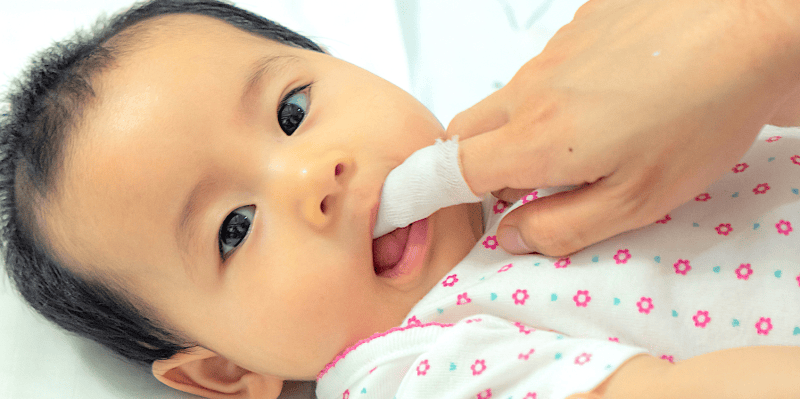
Newborns arrive with an instinct to explore the world through touch and taste, but their tiny tongues often become a battleground for bacteria, milk residue, and early signs of oral discomfort. Unlike adults, infants cannot signal discomfort through words, leaving parents to decipher subtle cues—such as fussiness during feeds or a white coating on the tongue—that hint at the need for gentle oral care. The question of how to clean the tongue of newborn isn’t just about aesthetics; it’s a foundational step in preventing infections, improving digestion, and fostering healthy oral development.
The tongue is a sponge-like organ in infants, highly porous and prone to trapping milk, saliva, and environmental particles. Without proper care, this buildup can lead to thrush (oral candidiasis), a common fungal infection that causes redness, white patches, and feeding difficulties. Pediatricians often recommend introducing tongue cleaning early, but the method must be tailored to a newborn’s delicate anatomy. Unlike older children or adults, whose tongues can tolerate firmer strokes, a newborn’s oral mucosa is thin and sensitive, demanding a softer, more deliberate approach.
Misconceptions abound—some parents assume saliva alone will suffice, while others overlook the tongue entirely, focusing only on gums and cheeks. Yet, studies in pediatric dentistry emphasize that the tongue harbors up to 40% of oral bacteria, making it a critical area for maintenance. The key lies in balance: removing debris without causing irritation, using tools designed for infant use, and recognizing when professional intervention is necessary.
The Complete Overview of How to Clean the Tongue of Newborn
The practice of how to clean the tongue of newborn has evolved from anecdotal advice to evidence-based protocols, rooted in pediatric dentistry and neonatal care. Historically, oral hygiene for infants was minimal, with parents relying on breast milk’s natural antimicrobial properties to "clean" the mouth post-feeding. However, as research into neonatal immune development advanced, it became clear that passive cleaning was insufficient for preventing infections like oral thrush, which affects up to 10% of newborns in the first month of life. Modern guidelines now advocate for gentle, daily tongue cleaning as part of a broader oral care routine, starting as early as the first week.Today, the approach is twofold: preventive (removing residue after feeds) and corrective (addressing buildup or infections). The tools have also diversified, moving beyond traditional gauze wraps to include silicone tongue cleaners, soft-bristle infant toothbrushes, and even sterile saline sprays for stubborn debris. Pediatricians stress that the method should be non-invasive, painless, and integrated into the baby’s daily routine, such as during diaper changes or bath time. The goal isn’t to mimic adult tongue scraping but to stimulate circulation, reduce bacterial load, and prepare the tongue for future dental development.
Historical Background and Evolution
The concept of tongue cleaning traces back to ancient Ayurvedic practices, where copper scrapers were used to detoxify the tongue and improve digestion. However, applying these methods to newborns would be impractical and unsafe. In the 20th century, Western pediatric care focused on oral hygiene as a secondary concern, prioritizing feeding and vaccination schedules. It wasn’t until the 1990s that studies linked oral bacteria in infants to respiratory infections and earaches, prompting a shift toward proactive oral care. The American Academy of Pediatric Dentistry (AAPD) now recommends that parents begin cleaning their baby’s mouth within the first few days of life, using a damp cloth or soft brush.Culturally, attitudes toward infant oral hygiene vary. In some Asian countries, parents use boiled water to rinse a baby’s mouth after feeds, while in Western practices, silicone tongue cleaners have gained popularity for their gentleness. The evolution reflects a broader understanding of the microbiome’s role in early health—recognizing that the tongue’s bacterial balance influences everything from digestion to immune response. As research continues, the methods for how to clean the tongue of newborn are becoming more nuanced, with an emphasis on personalized care based on the baby’s age, diet, and health status.
Core Mechanisms: How It Works
The mechanics of cleaning a newborn’s tongue revolve around two principles: mechanical removal and chemical neutralization. Mechanically, the goal is to dislodge debris without damaging the tongue’s delicate papillae (the tiny bumps that house taste buds). This is achieved through gentle pressure applied with a tool—such as a silicone scraper or a folded gauze pad—moving from the back to the front of the tongue to avoid triggering the gag reflex. The chemical aspect involves using sterile water, saline solution, or a pediatric-safe oral rinse to break down milk proteins and neutralize pH levels that foster bacterial growth.Table of Contents
- The Complete Overview of How to Clean the Tongue of Newborn
- Historical Background and Evolution
- Core Mechanisms: How It Works
- Key Benefits and Crucial Impact
- Major Advantages
- Comparative Analysis
- Future Trends and Innovations
- Conclusion
- Comprehensive FAQs
- Q: How often should I clean my newborn’s tongue?
- Q: Can I use my finger to clean my baby’s tongue?
- Q: What if my newborn resists tongue cleaning?
- Q: Are there any signs that indicate my baby’s tongue needs cleaning?
- Q: When should I introduce a tongue cleaner vs. a toothbrush?
- Q: Is tongue cleaning necessary if my baby doesn’t have visible residue?
- Q: Can tongue cleaning help with colic or reflux symptoms?
- Q: How do I sterilize tongue cleaning tools for my newborn?
- Q: Are there any cultural or traditional methods for cleaning a newborn’s tongue?
- Q: What should I do if my baby develops white patches after tongue cleaning?
The tongue’s anatomy in newborns is uniquely vulnerable. Its surface area is larger relative to body size, and the taste buds are more sensitive, making abrasive tools or harsh motions counterproductive. Studies in neonatal physiology show that excessive pressure can lead to micro-tears, increasing the risk of infection. Instead, the ideal technique involves light, sweeping motions that cover the entire dorsal surface (top) of the tongue while avoiding the sides, where the gag reflex is most pronounced. For breastfed babies, cleaning should occur after each feed to prevent milk sugars from fermenting and creating an acidic environment.
Key Benefits and Crucial Impact
The decision to incorporate tongue cleaning into a newborn’s routine extends beyond basic hygiene—it’s a proactive measure with systemic benefits that influence long-term health. Research published in the Journal of Clinical Pediatric Dentistry highlights that infants with regular oral care experience 30% fewer incidents of oral thrush and a reduced likelihood of developing early childhood caries (tooth decay). Beyond dental health, a clean tongue improves digestion by ensuring that food particles aren’t trapped, which can lead to discomfort or reflux-like symptoms. Parents often report that their babies feed more comfortably after tongue cleaning, as residue buildup can cause a "coating" that interferes with taste and swallowing.The psychological impact is equally significant. Newborns who experience gentle oral care from an early age are more likely to accept future dental procedures, such as brushing or flossing, without resistance. This early positive association with oral hygiene sets the stage for lifelong habits. Additionally, cleaning the tongue can serve as a calming ritual for both parent and child, fostering a sense of security during the vulnerable newborn phase. The act of touch—even something as simple as wiping the tongue—releases oxytocin, strengthening the parent-infant bond.
"The tongue is a mirror of systemic health, and its care in infancy lays the groundwork for a lifetime of oral and overall well-being." — Dr. Emily Chen, Pediatric Dentist & Neonatal Care Specialist
Major Advantages
- Prevention of Infections: Removes milk residue and bacteria that can lead to thrush, stomatitis, or even systemic infections in immunocompromised infants.
- Improved Digestion: Reduces trapped food particles that may contribute to gas, bloating, or reflux-like symptoms post-feeding.
- Enhanced Feeding Comfort: Babies with clean tongues often latch better and feed more efficiently, reducing fussiness and colic-like symptoms.
- Early Habit Formation: Introduces positive associations with oral care, making future dental visits less stressful for both child and parent.
- Boosted Immune Response: A cleaner oral environment reduces the load of harmful bacteria, supporting the development of a healthy microbiome.

Comparative Analysis
| Method | Pros | Cons ||--------------------------|--------------------------------------------------------------------------|--------------------------------------------------------------------------|
| Gauze Wrap (Finger) | Inexpensive, customizable pressure; no tools needed. | Risk of bacterial transfer if not sterilized; may be messy. |
| Silicone Tongue Cleaner | Designed for infants; gentle, non-abrasive; easy to clean and reuse. | Requires purchase; may feel awkward for new parents. |
| Soft Infant Toothbrush | Effective for gums and tongue; introduces brushing habit early. | Bristles may be too firm for some newborns; requires toothpaste-free use. |
| Saline Rinse (Spray/Bottle) | Chemical neutralization; soothes irritation; no physical contact. | Messy application; not suitable for very young infants (risk of aspiration). |
Future Trends and Innovations
The field of neonatal oral care is poised for innovation, with emerging technologies aiming to make how to clean the tongue of newborn more efficient and parent-friendly. One promising development is the integration of smart oral care tools, such as tongue cleaners embedded with sensors to detect bacterial levels or pH imbalance, alerting parents via a mobile app when cleaning is needed. Additionally, research into probiotic oral sprays for infants shows potential in preventing thrush by introducing beneficial bacteria, though regulatory approval is still pending.Another trend is the rise of eco-friendly, disposable tongue cleaners made from biodegradable materials, addressing concerns about hygiene and sustainability. Pediatric dentists are also exploring the use of laser therapy for stubborn cases of oral thrush, though this remains experimental for newborns. As our understanding of the oral microbiome deepens, future protocols may include personalized cleaning regimens based on a baby’s saliva composition, detected through non-invasive swab tests. The ultimate goal is to transition from reactive care (treating infections) to predictive and preventive oral hygiene, starting at birth.

Conclusion
The act of cleaning a newborn’s tongue is deceptively simple yet profoundly impactful, bridging the gap between instinctive parental care and evidence-based pediatric practice. It’s not merely about removing white residue or following a trend; it’s about safeguarding an infant’s health, comfort, and future dental well-being. The methods for how to clean the tongue of newborn have refined over decades, but the core principle remains unchanged: gentleness, consistency, and awareness. Parents who embrace this practice early often find it becomes a seamless part of their routine, offering both practical benefits and a moment of connection with their child.As research continues to unravel the links between oral health and systemic wellness, the importance of neonatal tongue care will only grow. The tools and techniques may evolve, but the foundation—a clean, healthy tongue from day one—will remain a cornerstone of infant care. For parents, the takeaway is clear: start small, stay consistent, and prioritize the well-being of this often-overlooked yet vital part of a newborn’s anatomy.
Comprehensive FAQs
Q: How often should I clean my newborn’s tongue?
A: For breastfed babies, clean the tongue after every feed to remove milk residue. Formula-fed infants may need cleaning 2–3 times daily due to thicker residue. Always use clean tools and avoid over-cleaning, which can irritate the tongue.
Q: Can I use my finger to clean my baby’s tongue?
A: Yes, but only with a sterilized gauze pad or soft cloth wrapped around your finger. Avoid bare fingers to prevent bacterial transfer. The gauze should be dampened with sterile water or saline solution for effectiveness.
Q: What if my newborn resists tongue cleaning?
A: Resistance is common at first. Try cleaning during a calm, sleepy state or after a feed when the baby is relaxed. Use minimal pressure and pair it with gentle touch elsewhere (e.g., patting the back) to distract. Never force the process—stop if the baby cries persistently.
Q: Are there any signs that indicate my baby’s tongue needs cleaning?
A: Look for white patches (possible thrush), a thick coating on the tongue, or fussiness during feeds. Excessive drooling, bad breath (uncommon in newborns), or redness around the mouth are also red flags. If you notice these, consult a pediatrician before attempting cleaning.
Q: When should I introduce a tongue cleaner vs. a toothbrush?
A: Use a silicone tongue cleaner for the first 6 months, as it’s designed specifically for infants and poses no risk of gum irritation. Introduce a soft infant toothbrush (no toothpaste) around 6–12 months, focusing on gums first, then gradually including the tongue. Always use a brush with ultra-soft bristles and rinse thoroughly after use.
Q: Is tongue cleaning necessary if my baby doesn’t have visible residue?
A: Even without visible buildup, cleaning the tongue 2–3 times weekly helps maintain a healthy microbiome and prevents bacterial overgrowth. Think of it as preventive maintenance—similar to how you’d wipe a baby’s face daily, even if no dirt is visible.
Q: Can tongue cleaning help with colic or reflux symptoms?
A: While not a cure, cleaning the tongue may alleviate discomfort caused by trapped milk or gas. Some parents report reduced fussiness after feeds following tongue cleaning, as it removes irritants that could contribute to reflux-like symptoms. However, consult a pediatrician if symptoms persist, as colic and reflux require medical evaluation.
Q: How do I sterilize tongue cleaning tools for my newborn?
A: Boil gauze pads or silicone cleaners in water for 3–5 minutes before and after each use. For toothbrushes, use a sterilizing UV case or soak in hydrogen peroxide (3%) for 10 minutes, then rinse thoroughly. Always dry tools completely before storage to prevent bacterial growth.
Q: Are there any cultural or traditional methods for cleaning a newborn’s tongue?
A: Some cultures use boiled water drops on a cloth to wipe the tongue, while others employ gold or silver tongue cleaners (though these are not recommended for infants due to safety risks). In Ayurveda, parents may use warm ghee (clarified butter) on a cloth for soothing effects, but always opt for sterile, pediatric-safe methods for newborns.
Q: What should I do if my baby develops white patches after tongue cleaning?
A: White patches that persist after cleaning could indicate oral thrush. Stop cleaning with tools until a pediatrician confirms the diagnosis. Thrush often requires antifungal treatment (e.g., nystatin or fluconazole). Avoid over-cleaning, as it can worsen irritation and delay healing.
Leave a Comment
Comments are moderated before appearing. The data you submit is processed according to the Privacy Policy of Medicine.