Navigating Path Schedule Newark WTC: The Definitive Guide for Efficiency

Newark’s World Trade Center (WTC) isn’t just a landmark—it’s the pulse of New Jersey’s transit ecosystem. The navigating path schedule Newark WTC system, a critical artery connecting downtown Newark to Manhattan, operates with precision, yet its nuances often elude even seasoned commuters. Whether you’re a daily professional, a first-time visitor, or a logistics coordinator, understanding the path schedule isn’t optional; it’s a necessity. The PATH trains that crisscross this hub don’t just move people—they define productivity, accessibility, and urban connectivity. But the schedule isn’t static. It evolves with demand, disruptions, and infrastructure upgrades, making real-time adaptation a skill in itself.
The Newark WTC PATH station serves as the gateway to Manhattan’s financial district, yet its operational intricacies—like peak-hour crowd management or last-minute rerouting—can turn a smooth commute into a logistical puzzle. For businesses reliant on this transit, delays aren’t just inconveniences; they’re financial variables. Meanwhile, travelers unfamiliar with NJ Transit’s quirks often find themselves stranded between platforms, unaware of the path schedule’s hidden layers: express vs. local trains, weekend adjustments, or the impact of special events. The system’s efficiency hinges on one thing: knowledge. And that’s where this guide steps in—to demystify the navigating path schedule Newark WTC process, from historical roots to future innovations.
The Complete Overview of Navigating the Newark WTC PATH System
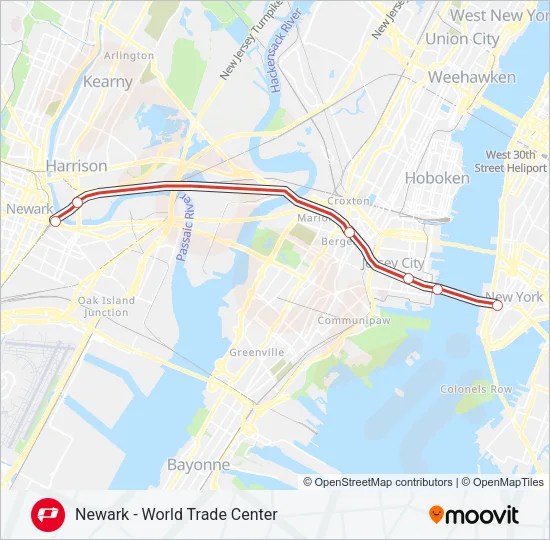
The navigating path schedule Newark WTC system is a marvel of urban planning, blending legacy infrastructure with modern transit demands. At its core, it’s a network of electrified rail lines connecting Newark’s WTC to Manhattan’s World Financial Center, Hoboken, and Jersey City. But the schedule isn’t just about trains—it’s a reflection of New Jersey’s economic heartbeat. During weekday mornings, the PATH (Port Authority Trans-Hudson) system ferries over 250,000 passengers daily, with Newark WTC acting as a critical transfer point. The path schedule here is dynamic: rush hours see trains arriving every 5–10 minutes, while off-peak intervals stretch to 20 minutes or more. This variability isn’t random; it’s engineered to balance capacity with cost, a delicate act that transit authorities must recalibrate constantly.What sets the Newark WTC PATH schedule apart is its integration with other transit modes. The station sits adjacent to NJ Transit’s Northeast Corridor lines, Amtrak’s Northeast Regional trains, and NJ Transit buses, creating a multimodal hub. This interconnection means a delayed PATH train could cascade into ripple effects across the region’s rail network. For commuters, this translates to a need for real-time monitoring—whether through the NJ Transit app, digital signage, or the Port Authority’s official updates. The path schedule itself is a living document, subject to seasonal adjustments (e.g., reduced service during holidays) and unforeseen disruptions (track maintenance, weather-related delays). Ignoring these factors can turn a 20-minute commute into a 90-minute ordeal.
Historical Background and Evolution
The origins of the PATH system trace back to the early 20th century, when the Hudson & Manhattan Railroad (H&M) began ferrying workers between Manhattan and Jersey City. By the 1960s, the network expanded to include Newark, but it wasn’t until the 1980s—with the construction of the Newark Penn Station and the WTC complex—that the PATH schedule became a cornerstone of regional transit. The station’s design itself was revolutionary: a subterranean hub with direct connections to the PATH, NJ Transit, and Amtrak, eliminating the need for cumbersome transfers. This integration was a response to Newark’s post-industrial revival, positioning the city as a viable alternative to Manhattan for business and residence.The path schedule Newark WTC has undergone significant transformations since its inception. The 1990s saw the introduction of express trains, cutting travel times between Newark and Manhattan by up to 15 minutes. Then came the 2000s, marked by the September 11 attacks, which temporarily halted PATH service but later spurred infrastructure upgrades, including the installation of modern signaling systems. More recently, the PATH’s privatization and subsequent renegotiation with the Port Authority have led to service reliability improvements, though not without controversy. Today, the path schedule is a product of decades of trial, error, and adaptation—a system that balances legacy constraints with 21st-century demands.
Core Mechanisms: How It Works
Understanding the navigating path schedule Newark WTC requires grasping two key components: the PATH’s operational framework and the station’s physical layout. The PATH operates on a fixed-interval system, meaning trains depart at predetermined times rather than on-demand. This model ensures predictability but also means delays can compound if not managed proactively. At Newark WTC, the station’s design is optimized for efficiency: platforms are color-coded (e.g., red for Manhattan-bound, blue for Jersey City/Hoboken), and digital displays provide real-time updates on arrivals, departures, and track changes. However, the station’s subterranean nature can create challenges, particularly for passengers unfamiliar with the layout or those with mobility constraints.The path schedule itself is tiered. During peak hours (typically 6–9 AM and 4–7 PM), trains run every 5–10 minutes, with express services bypassing intermediate stops to maximize speed. Off-peak hours see reduced frequency, and weekends often operate on a skeleton schedule. What’s less obvious is how the PATH integrates with NJ Transit’s Northeast Corridor (NEC) lines. For example, a delayed PATH train might force NJ Transit to adjust its own schedule to prevent overcrowding at transfer points like Newark Penn Station. This interdependence underscores why navigating the path schedule requires awareness of broader transit ecosystem dynamics.
Key Benefits and Crucial Impact
The path schedule Newark WTC isn’t just a logistical tool—it’s an economic enabler. For businesses in Newark’s downtown core, reliable transit translates to talent retention and cost savings. Employees who can commute seamlessly are more productive, and companies benefit from lower overhead compared to Manhattan rents. Similarly, the PATH’s role in connecting Newark to Manhattan’s financial district makes it indispensable for professionals who split their time between the two cities. The schedule’s efficiency also supports tourism: visitors relying on the PATH to explore Newark’s cultural attractions (like the Newark Museum or Prudential Center) experience fewer barriers to access.Table of Contents
- The Complete Overview of Navigating the Newark WTC PATH System
- Historical Background and Evolution
- Core Mechanisms: How It Works
- Key Benefits and Crucial Impact
- Major Advantages
- Comparative Analysis
- Future Trends and Innovations
- Conclusion
- Comprehensive FAQs
- Q: How can I access real-time updates for the PATH schedule at Newark WTC?
- Q: Are there express trains on the PATH , and how do they differ from locals?
- Q: What should I do if my PATH train is delayed or canceled?
- Q: Can I transfer between PATH and NJ Transit at Newark WTC without buying a new ticket?
- Q: How does the PATH schedule change on weekends or holidays?
- Q: Is Newark WTC’s PATH station accessible for passengers with disabilities?
- Q: What’s the best strategy for avoiding crowds during rush hour at Newark WTC?
- Q: How does the PATH handle emergencies or service disruptions?
Beyond economics, the path schedule has social implications. It democratizes access to opportunity, allowing residents of Newark and surrounding areas to participate in Manhattan’s job market without the prohibitive costs of living in the city. For low-income commuters, the PATH can be the difference between employment and unemployment. Yet, the system’s benefits are not without trade-offs. Overcrowding during peak hours, for instance, can lead to safety concerns, while service cuts during off-peak times may leave certain demographics underserved. These challenges highlight the need for continuous optimization—a task the Port Authority and NJ Transit are constantly refining.
"The PATH isn’t just a train; it’s the lifeblood of a region. Its schedule isn’t static—it’s a living document that must adapt to the needs of millions. Ignore it, and you’re ignoring the very fabric of New Jersey’s economic and social mobility." — Transit Policy Analyst, Rutgers University
Major Advantages
- Time Efficiency: Direct connections to Manhattan’s financial district reduce commute times by up to 40% compared to driving or alternative transit routes.
- Cost Savings: A PATH ticket to Manhattan costs a fraction of parking or taxi fares, with monthly passes offering further discounts.
- Reliability: With real-time updates and dedicated tracks, the PATH maintains higher punctuality rates than many road-based transit options.
- Multimodal Integration: Seamless transfers between PATH, NJ Transit, and Amtrak eliminate the need for multiple tickets or long walks.
- Economic Leverage: Businesses in Newark’s WTC district benefit from the PATH’s ability to attract talent from across the region, fostering growth.

Comparative Analysis
| PATH (Newark WTC to Manhattan) | NJ Transit (NEC Lines) |
|---|---|
| Electrified rail; underground in Newark | Diesel/electric hybrid; surface and underground segments |
| Peak-hour frequency: Every 5–10 minutes | Peak-hour frequency: Every 15–30 minutes (varies by line) |
| Express services available (skips stops) | Limited express options; most trains stop at all stations |
| Single ticket covers entire route (~$5.25 one-way) | Zonal pricing; fares vary by distance (~$3–$10 one-way) |
Future Trends and Innovations
The path schedule Newark WTC is poised for transformation. One immediate trend is the expansion of digital tools: real-time GPS tracking for trains, mobile ticketing, and AI-driven predictive analytics to minimize delays. The Port Authority has also signaled plans to upgrade signaling systems, potentially increasing train frequencies by 20%. Longer-term, discussions around electrifying NJ Transit’s NEC lines could blur the lines between PATH and traditional rail services, creating a unified transit network. Sustainability is another focus: initiatives to reduce energy consumption and integrate renewable power sources are underway, aligning with New Jersey’s climate goals.Yet, challenges remain. Aging infrastructure, funding constraints, and the need to balance capacity with affordability will shape the path schedule’s future. The rise of remote work post-pandemic has also prompted questions about demand forecasting—will off-peak hours see a resurgence, or will the PATH need to adapt to a more decentralized workforce? One thing is certain: the navigating path schedule Newark WTC will continue to evolve, driven by technology, policy, and the ever-changing needs of the region’s commuters.
Conclusion
The path schedule Newark WTC is more than a timetable—it’s a testament to regional collaboration, engineering prowess, and the relentless pursuit of efficiency. For the millions who rely on it daily, mastering its nuances isn’t just about avoiding delays; it’s about unlocking potential. Whether you’re a commuter, a business leader, or a transit enthusiast, understanding the PATH’s mechanics empowers you to navigate the system with confidence. As Newark’s role in the tri-state economy grows, so too will the demands on this vital artery. The future of navigating the path schedule lies in innovation—balancing speed, cost, and sustainability while ensuring no one is left behind.Comprehensive FAQs
Q: How can I access real-time updates for the PATH schedule at Newark WTC?
A: Use the official PATH app or NJ Transit’s website. Digital signage at the station also displays live arrivals/departures. For alerts, follow @PATHtrain on Twitter or enable text notifications via NJ Transit’s SMS service.
Q: Are there express trains on the PATH, and how do they differ from locals?
A: Yes. Express trains (marked on schedules) skip stops like Journal Square and Secaucus Junction, reducing travel time to Manhattan by ~10–15 minutes. Locals stop at all stations but offer more frequent service during off-peak hours.
Q: What should I do if my PATH train is delayed or canceled?
A: Check the station’s digital boards for rerouting info. NJ Transit often provides free transfers to alternative routes (e.g., NJ Transit buses). Contact PATH customer service at 212-560-5500 for assistance with refunds or rebooking.
Q: Can I transfer between PATH and NJ Transit at Newark WTC without buying a new ticket?
A: No. The PATH and NJ Transit operate under separate systems, so you’ll need to purchase a new ticket for NJ Transit lines (e.g., Northeast Corridor). However, some monthly passes (like the NJ Transit RailPass) offer discounts on PATH fares when used together.
Q: How does the PATH schedule change on weekends or holidays?
A: Weekend service runs on a reduced schedule (trains every 15–30 minutes), with no express service. Major holidays (e.g., Thanksgiving, Christmas) may see further cuts. Always verify the official holiday schedule in advance.
Q: Is Newark WTC’s PATH station accessible for passengers with disabilities?
A: Yes. The station features elevators, tactile paving, and designated boarding areas. However, during peak hours, accessibility may be delayed due to crowding. For priority assistance, notify PATH staff or use the station’s intercom system.
Q: What’s the best strategy for avoiding crowds during rush hour at Newark WTC?
A: Arrive 10–15 minutes early to secure a spot on the platform. Use the PATH app to track incoming trains and avoid boarding overcrowded cars. Off-peak hours (before 6 AM or after 9 PM) offer significantly less congestion.
Q: How does the PATH handle emergencies or service disruptions?
A: The Port Authority has protocols for delays, including free transfers to buses or alternative trains. For major disruptions (e.g., track work), announcements are made via PA systems, digital boards, and social media. Always carry a backup plan, such as a charged phone and emergency contact info.
Leave a Comment
Comments are moderated before appearing. The data you submit is processed according to the Privacy Policy of Medicine.