Your Essential Handbook on Diagnostic Services
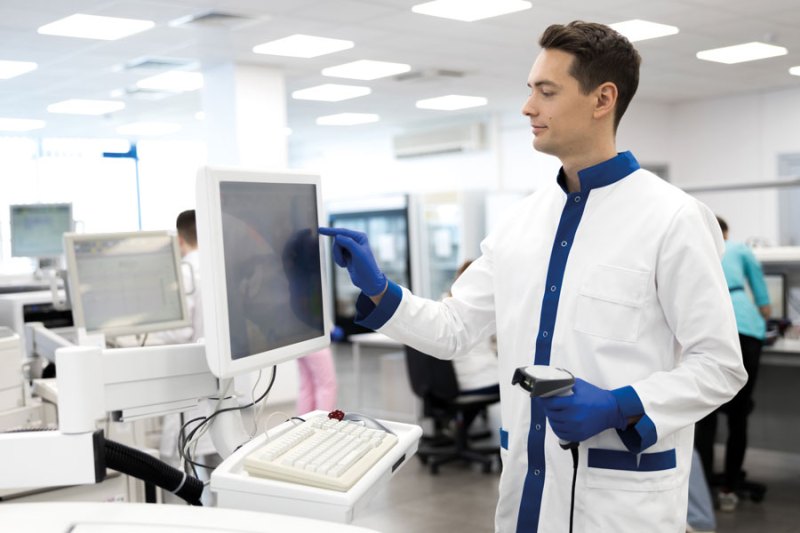
Diagnostic services are the silent architects of modern healthcare, transforming raw data into actionable insights that save lives. Without them, diseases would linger undetected, treatments would miss their mark, and preventive care would remain a theoretical ideal. Yet despite their critical role, the nuances of diagnostic services—from their evolutionary roots to emerging technologies—remain poorly understood outside specialized circles. This guide cuts through the ambiguity, offering a rigorous exploration of how diagnostics operate, their tangible benefits, and the forces reshaping their trajectory.
The stakes are higher than ever. A single misdiagnosis can derail a patient’s life, while inefficient testing strains healthcare systems globally. Yet for all their importance, diagnostic services often operate in the shadows, overshadowed by flashier medical advancements. This oversight is costly. The right diagnostic service isn’t just a tool—it’s a strategic asset, capable of redefining patient outcomes, reducing costs, and even preventing epidemics before they spread. Understanding their mechanics isn’t optional; it’s essential for anyone invested in the future of medicine.
The problem? Most resources either oversimplify diagnostics or bury readers in jargon. This isn’t that guide. Below, we dissect the anatomy of diagnostic services—from their historical evolution to the cutting-edge innovations redefining the field. Whether you’re a clinician, administrator, or simply someone seeking clarity, this is your me comprehensive guide diagnostic services.
The Complete Overview of Diagnostic Services
Diagnostic services form the backbone of evidence-based medicine, serving as the bridge between symptoms and solutions. At their core, they encompass a spectrum of tests, imaging, and analytical procedures designed to identify diseases, monitor health, and guide treatment. From the humblest urine dipstick to the most sophisticated genomic sequencing, these services rely on a fusion of technology, biology, and data science to deliver precision. Their reach is vast: cardiology, oncology, infectious disease, and even mental health all depend on diagnostics to validate hypotheses, rule out conditions, and tailor interventions.What distinguishes modern diagnostic services is their integration into a seamless workflow—one where speed, accuracy, and accessibility are non-negotiable. Hospitals, labs, and even point-of-care devices now operate in real-time, with results influencing decisions within hours rather than days. This shift hasn’t happened by accident. It’s the result of decades of refinement, where each advancement—whether in imaging resolution, molecular biology, or AI-assisted analysis—has pushed the boundaries of what’s possible. The result? A system that’s more reliable, but also more complex, demanding a deeper understanding of how diagnostics function at every level.
Historical Background and Evolution
The origins of diagnostic services trace back to antiquity, where physicians relied on observation, pulse-taking, and rudimentary tools like the stethoscope (invented in 1816) to infer health. The 19th century marked a turning point with the advent of microscopy, enabling the discovery of bacteria and the birth of microbiology. By the early 20th century, X-rays revolutionized imaging, allowing doctors to peer inside the body without invasive surgery. Each breakthrough expanded the diagnostic toolkit, but it wasn’t until the late 20th century that services became truly systematic—standardized, regulated, and integrated into clinical pathways.The digital revolution of the 1990s and 2000s accelerated this transformation. Computed tomography (CT) scans, magnetic resonance imaging (MRI), and later, molecular diagnostics like PCR tests, introduced unparalleled precision. The 21st century has seen diagnostics evolve into a data-driven discipline, with artificial intelligence now assisting in image analysis, predictive modeling, and even early disease detection. What was once a series of isolated tests has become a dynamic, interconnected ecosystem—one where diagnostics don’t just diagnose but predict, personalize, and prevent.
Core Mechanisms: How It Works
Diagnostic services operate on a dual foundation: biological markers and technological infrastructure. Biological markers—ranging from proteins and genes to metabolic byproducts—serve as the raw material for diagnosis. When a patient presents symptoms, clinicians select tests based on these markers, whether it’s a blood glucose level for diabetes or a PSA test for prostate cancer. The technology then processes these markers using methods like spectroscopy, chromatography, or imaging to generate measurable data.Table of Contents
- The Complete Overview of Diagnostic Services
- Historical Background and Evolution
- Core Mechanisms: How It Works
- Key Benefits and Crucial Impact
- Major Advantages
- Comparative Analysis
- Future Trends and Innovations
- Conclusion
- Comprehensive FAQs
- Q: What’s the difference between a diagnostic test and a screening test?
- Q: How accurate are AI-driven diagnostic tools compared to human experts?
- Q: Can diagnostic services reduce healthcare costs?
- Q: What are the biggest challenges in global diagnostic access?
- Q: How do regulatory bodies ensure diagnostic accuracy?
- Q: What’s the role of telemedicine in diagnostics?
The real magic happens in the interpretation. Advanced diagnostics don’t just detect abnormalities; they contextualize them. For example, a mammogram might reveal a dense mass, but AI can now assess its likelihood of being malignant by comparing it to thousands of prior cases. This fusion of hardware, software, and human expertise ensures diagnostics are both sensitive (catching true positives) and specific (avoiding false alarms). The result? A system that’s not just reactive but proactive, capable of identifying risks before they manifest.
Key Benefits and Crucial Impact
The impact of diagnostic services extends far beyond individual patient care. They are the invisible force that optimizes resource allocation, reduces healthcare costs, and drives public health initiatives. Consider this: without accurate diagnostics, antibiotic resistance would spiral unchecked, cancer survival rates would stagnate, and chronic diseases would go untreated. The data speaks for itself—studies show that early and precise diagnostics can improve treatment success rates by 30–50% in conditions like heart disease and diabetes. Yet for all their potential, diagnostics remain underleveraged in many regions, where outdated infrastructure or lack of training limits their effectiveness.At the heart of their value lies their ability to democratize healthcare. In developed nations, diagnostics enable personalized medicine, where treatments are tailored to a patient’s genetic profile. In low-resource settings, they empower frontline workers to make critical decisions with minimal equipment. The ripple effect is undeniable: better diagnostics mean fewer unnecessary surgeries, faster recoveries, and fewer preventable deaths. It’s a domino effect that starts with a single test and ends with systemic change.
"Diagnostics are the silent heroes of medicine—they don’t cure, but they enable everything else to work." — Dr. Eric Topol, Cardiologist and Digital Medicine Pioneer
Major Advantages
- Early Detection: Identifies diseases (e.g., cancer, HIV) at asymptomatic stages, dramatically improving survival rates.
- Cost Efficiency: Reduces unnecessary treatments by confirming or ruling out conditions before intervention.
- Treatment Personalization: Genomic and biomarker testing allow therapies to be matched to individual biological profiles.
- Public Health Surveillance: Enables tracking of outbreaks (e.g., COVID-19, Ebola) through rapid, scalable testing.
- Regulatory Compliance: Ensures adherence to standards (e.g., CLIA in the U.S., ISO 15189 globally) for accuracy and safety.

Comparative Analysis
Not all diagnostic services are created equal. The choice between modalities depends on factors like cost, turnaround time, and diagnostic yield. Below is a side-by-side comparison of four key approaches:| Modality | Strengths and Use Cases |
|---|---|
| Laboratory Testing (e.g., blood/urine tests) | Highly standardized, cost-effective for metabolic/immunological conditions. Ideal for routine screenings (e.g., cholesterol, glucose). |
| Imaging (MRI, CT, Ultrasound) | Non-invasive, excellent for structural abnormalities (e.g., tumors, fractures). MRI offers superior soft-tissue contrast; CT is faster for emergencies. |
| Molecular Diagnostics (PCR, NGS) | Unmatched sensitivity for genetic/infectious diseases (e.g., COVID-19, cystic fibrosis). Next-gen sequencing enables comprehensive genomic analysis. |
| Point-of-Care Testing (POCT) | Rapid results (minutes/hours) for acute settings (e.g., A1C tests for diabetes, troponin for heart attacks). Reduces hospital stays and improves triage. |
Future Trends and Innovations
The next decade will redefine diagnostic services through three major forces: miniaturization, AI integration, and decentralization. Portable, lab-on-a-chip devices will bring high-complexity testing to remote areas, while AI will move beyond image analysis to predict disease progression based on longitudinal data. Decentralization—empowering patients to monitor health via wearables—will blur the lines between diagnostics and daily life. Meanwhile, liquid biopsy (detecting cancer via blood samples) and multi-omic profiling (combining genomics, proteomics, and metabolomics) will enable earlier, more precise interventions.The challenge? Ensuring these innovations are accessible. As diagnostics become more sophisticated, disparities in training and infrastructure could widen gaps in care. The solution lies in global collaboration—standardizing protocols, investing in low-cost technologies, and prioritizing equity in deployment. The future of diagnostics isn’t just about better tools; it’s about making them work for everyone.

Conclusion
Diagnostic services are the unsung backbone of modern healthcare—a system so intricate that its failures are visible, but its successes are often taken for granted. This guide has mapped their evolution, mechanics, and impact, but the story isn’t static. As technology advances, so too will the expectations placed on diagnostics. The question isn’t whether they’ll improve; it’s how quickly we can adapt to harness their full potential.For clinicians, the message is clear: stay ahead of the curve by embracing continuous learning in diagnostic technologies. For policymakers, the priority must be infrastructure and equity. And for patients, awareness is power—knowing what diagnostics can (and can’t) do empowers better decision-making. The future of diagnostics isn’t a distant horizon; it’s being built today, one test at a time.
Comprehensive FAQs
Q: What’s the difference between a diagnostic test and a screening test?
A: Diagnostic tests are used to confirm or rule out a suspected condition in symptomatic patients (e.g., a CT scan for chest pain). Screening tests, by contrast, identify risks in asymptomatic individuals (e.g., mammograms for breast cancer). The key difference is intent: diagnostics confirm, while screenings prevent.
Q: How accurate are AI-driven diagnostic tools compared to human experts?
A: AI excels in consistency and speed, particularly in imaging (e.g., detecting lung nodules in X-rays with 90%+ accuracy). However, it lacks clinical judgment—human oversight remains critical for nuanced cases. The ideal model is a hybrid: AI assists, but final decisions are made by trained professionals.
Q: Can diagnostic services reduce healthcare costs?
A: Absolutely. Early and accurate diagnostics prevent costly treatments (e.g., avoiding surgery for a benign tumor) and reduce hospital readmissions. Studies show a 15–25% cost savings in chronic disease management when diagnostics are optimized.
Q: What are the biggest challenges in global diagnostic access?
A: Three barriers dominate:
- Infrastructure: Many regions lack reliable electricity or lab facilities.
- Training: Healthcare workers often receive outdated diagnostic education.
- Affordability: High-tech tests (e.g., NGS) are prohibitively expensive in low-income settings.
Q: How do regulatory bodies ensure diagnostic accuracy?
A: Agencies like the FDA (U.S.) and EMA (Europe) require rigorous validation before approving tests. This includes clinical trials to assess sensitivity, specificity, and real-world performance. Continuous monitoring also tracks post-market issues (e.g., false positives in rapid tests).
Q: What’s the role of telemedicine in diagnostics?
A: Telemedicine expands access by enabling remote consultations and test interpretation. For example, a rural clinic can send a digital mammogram to an urban radiologist for analysis. It’s particularly valuable for follow-ups, chronic disease management, and reducing unnecessary visits.
Leave a Comment
Comments are moderated before appearing. The data you submit is processed according to the Privacy Policy of Medicine.