Where to Check Maryland Vehicle Emissions Locations: Full Guide

Maryland’s vehicle emissions program is more than a bureaucratic formality—it’s a critical component of air quality regulation, public health, and environmental sustainability. For drivers, understanding where and how to conduct emissions testing can save time, avoid fines, and ensure compliance with state law. Unlike some states where emissions testing is optional, Maryland’s Maryland Vehicle Emissions Program (MVEAP) mandates inspections for vehicles over a certain age, with specific Maryland vehicle emissions locations designated across the state.
The process isn’t just about passing or failing; it’s about transparency. Maryland’s testing stations, from Baltimore’s urban hubs to rural testing centers in Western Maryland, operate under strict protocols to ensure accuracy. Yet, many drivers remain unaware of the nuances—whether it’s the difference between a standard emissions test and an enhanced inspection, or how to locate the nearest Maryland vehicle emissions locations for their vehicle type. Missteps here can lead to delays, additional costs, or even vehicle inoperability until compliance is achieved.
For fleet operators, commuters, and even electric vehicle owners (who may still need emissions-related documentation), navigating Maryland’s system requires precision. The state’s approach to emissions testing has evolved alongside stricter federal standards, but the core question remains: Where do you go, and what do you need to know? This guide breaks down the essentials—from historical context to future innovations—so you can approach your next inspection with confidence.
The Complete Overview of Maryland Vehicle Emissions Locations
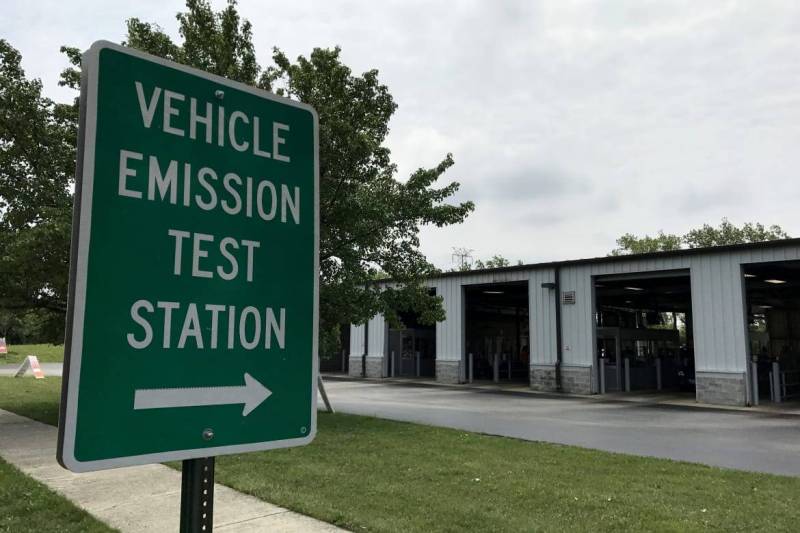
Maryland’s Maryland vehicle emissions locations are strategically distributed to balance accessibility with regulatory efficiency. The state operates under the Maryland Vehicle Emissions Program (MVEAP), which mandates emissions testing for vehicles over 6 model years old (or 12 years for diesel vehicles). Testing is required annually for vehicles registered in certain counties (e.g., Baltimore, Montgomery, Prince George’s) and biennially in others, depending on local air quality zones. The program is administered by the Maryland Motor Vehicle Administration (MVA), with testing conducted at over 100 approved stations statewide, including private businesses and MVA-operated facilities.The network of Maryland vehicle emissions locations is designed to minimize travel burdens, with urban centers like Baltimore and Annapolis hosting multiple stations, while rural areas rely on regional hubs. For example, a driver in Frederick County might visit a station in Emmitsburg, while those in Southern Maryland could opt for testing in Waldorf or Waldorf Heights. The MVA provides an online locator tool to help drivers find the nearest facility, but understanding the types of tests offered—such as the Enhanced Emissions Inspection for older vehicles or the On-Board Diagnostics (OBD-II) scan for newer models—is crucial. Without this knowledge, drivers risk scheduling the wrong test, leading to wasted time and potential non-compliance.
Historical Background and Evolution
Maryland’s emissions testing program traces its roots to the Clean Air Act of 1970, which empowered states to implement vehicle inspection programs to reduce harmful pollutants like carbon monoxide and nitrogen oxides. By the 1980s, Maryland joined the ranks of states adopting emissions testing, initially focusing on high-pollution areas like Baltimore and Washington, D.C. The program expanded in the 1990s with the introduction of the Enhanced Emissions Inspection, which required a two-speed idle test for vehicles over 10 model years old—a move aimed at targeting older, high-emission vehicles.The 21st century brought further refinements, including the integration of OBD-II technology for vehicles post-1996, which allowed for real-time monitoring of emissions systems. This shift reduced subjectivity in testing and aligned Maryland’s Maryland vehicle emissions locations with federal EPA standards. Today, the program is a hybrid of traditional tailpipe testing and digital diagnostics, reflecting Maryland’s commitment to both legacy compliance and modern innovation. The evolution underscores a broader trend: emissions testing is no longer a static requirement but a dynamic system adapting to technological and environmental priorities.
Core Mechanisms: How It Works
The process begins with scheduling an appointment at one of Maryland’s Maryland vehicle emissions locations, though walk-ins are often accommodated at less busy stations. Upon arrival, the vehicle undergoes a two-part inspection: first, an OBD-II scan to check for error codes in the vehicle’s emissions control system. If no codes are present, the vehicle proceeds to the tailpipe emissions test, where a probe measures pollutants like hydrocarbons, carbon monoxide, and oxides of nitrogen. For vehicles equipped with a positive crankcase ventilation (PCV) system, an additional leak-down test may be performed.Table of Contents
- The Complete Overview of Maryland Vehicle Emissions Locations
- Historical Background and Evolution
- Core Mechanisms: How It Works
- Key Benefits and Crucial Impact
- Major Advantages
- Comparative Analysis
- Future Trends and Innovations
- Conclusion
- Comprehensive FAQs
- Q: Do all Maryland counties require emissions testing?
- Q: Can I test my vehicle at any Maryland emissions station?
- Q: What happens if my vehicle fails the emissions test?
- Q: Are electric vehicles (EVs) exempt from emissions testing?
- Q: How much does an emissions test cost in Maryland?
- Q: Can I schedule an emissions test online?
- Q: What documents do I need for an emissions test?
- Q: Are there any exemptions to Maryland’s emissions testing?
- Q: How long are emissions test results valid?
- Q: What should I do if I can’t find a testing station near me?
- Q: Can I test my vehicle in a different state and use those results in Maryland?
The entire process typically takes 15–30 minutes, with results provided on-site. If the vehicle fails, the driver receives a report detailing the specific emissions component(s) that need repair—often the catalytic converter, oxygen sensors, or exhaust system. Once repairs are made, a retest is required within 90 days. The MVA’s online portal allows drivers to check their vehicle’s test history, ensuring transparency. For commercial fleets, some Maryland vehicle emissions locations offer bulk testing discounts, though appointment scheduling remains essential to avoid long wait times during peak seasons (spring and fall).
Key Benefits and Crucial Impact
Maryland’s emissions testing program is a cornerstone of public health and environmental policy, directly tied to reducing respiratory illnesses and smog formation. The state’s Maryland vehicle emissions locations serve as gatekeepers for cleaner air, particularly in urban areas where vehicle density is high. Studies link reduced emissions to lower asthma rates and improved lung function among residents, making the program’s impact tangible. Additionally, the economic ripple effect is significant: emissions testing creates jobs at testing stations, supports automotive repair industries, and generates revenue for state environmental initiatives.For drivers, the benefits are practical. Regular emissions testing ensures vehicles operate efficiently, reducing fuel costs and extending engine life. Failed tests often reveal underlying mechanical issues, prompting timely repairs that prevent costly breakdowns. The program also fosters accountability—drivers who maintain their vehicles are less likely to face fines or registration holds. Yet, the system’s effectiveness hinges on participation. Without widespread compliance, Maryland’s air quality goals remain at risk, underscoring the collective responsibility of drivers to engage with the Maryland vehicle emissions locations network.
"Emissions testing isn’t just about passing a check—it’s about breathing cleaner air and leaving a healthier environment for future generations. Maryland’s program sets a standard that balances rigor with accessibility, proving that regulation and responsibility can go hand in hand." —Maryland Department of the Environment (MDE)
Major Advantages
- Environmental Protection: Reduces harmful pollutants by up to 30% in high-testing counties, directly improving air quality and public health.
- Cost Savings for Drivers: Early detection of emissions-related issues can prevent engine damage, saving hundreds in repair costs over time.
- Convenience: Over 100 Maryland vehicle emissions locations statewide, with extended hours at many stations, including weekends.
- Legal Compliance: Avoids fines (up to $500) and registration holds by ensuring timely testing and repairs.
- Technological Integration: OBD-II scans provide instant diagnostics, reducing guesswork and speeding up the testing process.

Comparative Analysis
| Feature | Maryland (MVEAP) | California (SMOG) | Virginia (VDEQ) |
|---|---|---|---|
| Testing Frequency | Annual (high-pollution counties) or biennial (others) | Annual for all vehicles over 2 years old | Biennial for vehicles over 5 model years |
| Test Types | OBD-II + tailpipe (Enhanced for older vehicles) | OBD-II + visual + tailpipe (SMOG check) | OBD-II only (no tailpipe test) |
| Failure Rate | ~15–20% (varies by vehicle age) | ~10–15% (strict standards) | ~5–10% (OBD-II only) |
| Retest Window | 90 days after failure | 180 days (with repairs) | No retest required if OBD-II passes |
Future Trends and Innovations
The future of Maryland vehicle emissions locations will likely be shaped by two converging forces: electrification and smart testing technology. As electric vehicles (EVs) become more prevalent, Maryland may phase out emissions testing for battery-powered cars entirely, focusing instead on ensuring hybrid and gas-powered vehicles meet evolving standards. The MVA has already signaled interest in piloting remote OBD-II diagnostics, where drivers could receive preliminary emissions status via a mobile app before visiting a station—a move that could reduce wait times and administrative overhead.Another innovation on the horizon is real-time emissions monitoring, where vehicles equipped with telematics could transmit data directly to regulators, eliminating the need for in-person testing. While this approach raises privacy concerns, Maryland’s MDE has expressed openness to exploring such models in partnership with automakers. For now, the state’s Maryland vehicle emissions locations will continue to adapt, incorporating AI-driven diagnostics and blockchain for test record-keeping to enhance transparency. The overarching goal remains clear: to maintain air quality standards while minimizing friction for drivers.
Conclusion
Navigating Maryland’s Maryland vehicle emissions locations doesn’t have to be a source of stress—it’s a manageable process with clear benefits for both drivers and the environment. Whether you’re a commuter in Baltimore, a fleet operator in Frederick, or a weekend driver in Garrett County, understanding the testing requirements, locating the nearest station, and addressing failures promptly ensures compliance without unnecessary hassle. The program’s evolution reflects Maryland’s commitment to balancing regulatory rigor with practicality, a model worth emulating as other states grapple with similar challenges.As technology advances, the lines between emissions testing and vehicle maintenance will blur further, but the core principle remains unchanged: cleaner vehicles mean cleaner air. By staying informed and proactive, drivers can turn what might seem like a bureaucratic hurdle into an opportunity to contribute to a healthier Maryland.
Comprehensive FAQs
Q: Do all Maryland counties require emissions testing?
A: No. Emissions testing is mandatory only in certain counties (e.g., Baltimore, Montgomery, Prince George’s) and for vehicles over 6 model years old. Rural counties like Garrett or Somerset may have biennial or no testing requirements. Use the MVA’s locator tool to confirm your county’s rules.
Q: Can I test my vehicle at any Maryland emissions station?
A: Most stations accept all vehicles, but some may specialize in certain tests (e.g., diesel inspections). Always check the station’s website or call ahead to confirm they offer the type of test your vehicle needs, especially if it’s a commercial or diesel vehicle.
Q: What happens if my vehicle fails the emissions test?
A: You’ll receive a report detailing the specific emissions system failure (e.g., catalytic converter, oxygen sensor). Repairs must be made within 90 days, after which you can retest at any Maryland vehicle emissions locations. Some stations offer repair referrals if needed.
Q: Are electric vehicles (EVs) exempt from emissions testing?
A: Yes. EVs are exempt from Maryland’s emissions testing requirements because they produce zero tailpipe emissions. However, ensure your vehicle’s registration reflects its EV status to avoid unnecessary testing requests.
Q: How much does an emissions test cost in Maryland?
A: The standard test fee is $30 for most vehicles, though diesel vehicles may incur higher costs (up to $50). Some stations offer discounts for bulk testing (e.g., fleets), and low-income drivers may qualify for fee waivers through local programs.
Q: Can I schedule an emissions test online?
A: Yes. Many Maryland vehicle emissions locations allow online scheduling via their websites or the MVA’s portal. Walk-ins are usually accepted but may result in longer wait times, especially during peak seasons (spring and fall).
Q: What documents do I need for an emissions test?
A: Bring your vehicle registration, proof of insurance, and a valid driver’s license. Some stations may also require your MVA-issued emissions test receipt from the previous year. If your vehicle is leased, check with the leasing company for additional requirements.
Q: Are there any exemptions to Maryland’s emissions testing?
A: Yes. Exemptions include vehicles over 25 years old, motorcycles, motor homes, and vehicles with a gross vehicle weight rating (GVWR) over 8,500 lbs. Additionally, vehicles with a temporary disability permit may qualify for exemptions under specific conditions.
Q: How long are emissions test results valid?
A: Results are valid for one year from the test date in high-pollution counties and two years in others. After this period, your vehicle must be retested to maintain compliance. The MVA’s online portal allows you to check your test history and expiration date.
Q: What should I do if I can’t find a testing station near me?
A: Use the MVA’s official locator tool (MVA Emissions Locator) to search by ZIP code or county. If no stations are listed nearby, consider testing in an adjacent county (e.g., testing in Frederick if your home county has limited options). Contact the MDE for assistance if you believe your area lacks adequate coverage.
Q: Can I test my vehicle in a different state and use those results in Maryland?
A: No. Maryland only accepts emissions tests conducted at approved Maryland vehicle emissions locations. Out-of-state tests are not recognized, even if the vehicle passes. Always test in Maryland to avoid compliance issues.
Leave a Comment
Comments are moderated before appearing. The data you submit is processed according to the Privacy Policy of Medicine.