How *The Mary Tyler Moore Show* Redefined TV Comedy Forever
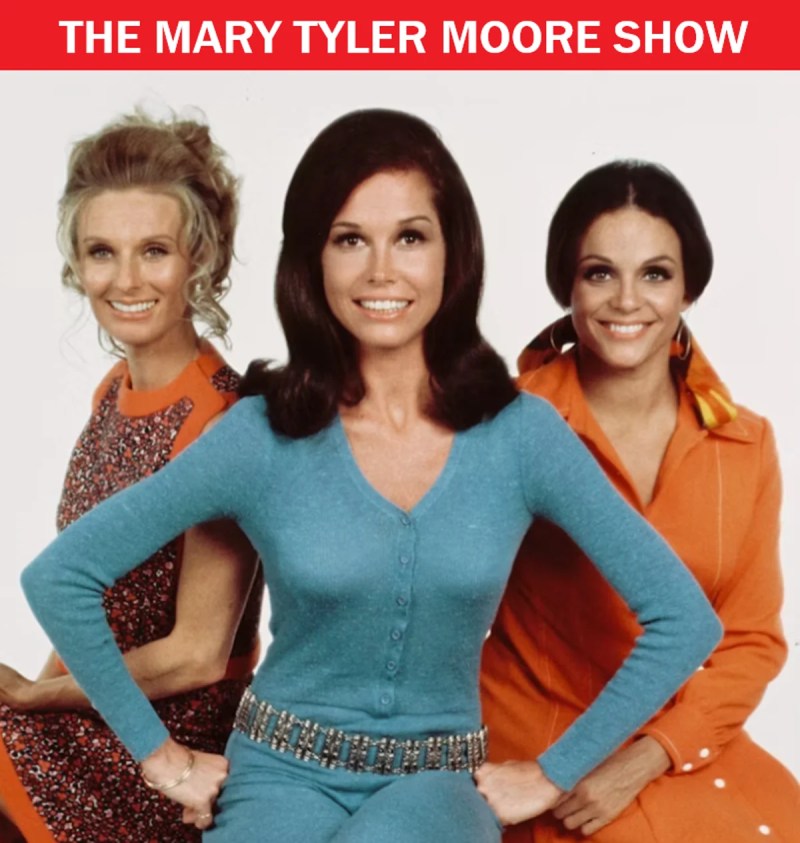
The Mary Tyler Moore Show didn’t just air from 1970 to 1977—it landed on American television like a single-camera revolution. At a time when women on screen were either damsels, housewives, or caricatures, Mary Richards (played by Mary Tyler Moore) walked into Minneapolis’ WJM-TV as a career-driven single woman with a wry wit and a typewriter, redefining what a female protagonist could be. The show’s blend of sharp humor, emotional vulnerability, and workplace dynamics wasn’t just ahead of its time; it was a blueprint for every modern sitcom that followed. Critics initially dismissed it as "too serious" for network TV, but within months, The Mary Tyler Moore Show became a ratings juggernaut, proving that audiences craved authenticity over stale tropes.
What made it work wasn’t just Moore’s magnetic performance or the chemistry between her and Ted Baxter (Ted Knight), but the show’s refusal to romanticize failure. Mary’s professional struggles—her boss’s condescension, her own insecurities—were treated with the same weight as her romantic misadventures. The ensemble cast, from Ed Asner’s gruff but lovable news director Lou Grant to Cloris Leachman’s acerbic Sue Ann Nivens, created a workplace that felt lived-in, flawed, and deeply human. Even the show’s opening credits, with their playful yet sophisticated animation, signaled a departure from the glossy sitcoms of the era. This wasn’t just television; it was a cultural reset.
The Mary Tyler Moore Show’s influence is impossible to overstate. It paved the way for shows like Lou Grant (its spin-off), Cheers, and The Golden Girls, all of which inherited its balance of humor and heart. But more than that, it normalized the idea of a woman as the lead of a narrative—not just a supporting character or a love interest. The show’s success also forced networks to rethink how they marketed female-led programming, proving that women didn’t need a man to anchor their stories. Decades later, its impact is still visible in the DNA of workplace comedies, from The Office to Parks and Recreation, which owe a debt to the way The Mary Tyler Moore Show treated its setting as a character itself.
The Complete Overview of The Mary Tyler Moore Show
At its core, The Mary Tyler Moore Show was a masterclass in structural innovation. Unlike the multi-camera, laugh-track-heavy sitcoms dominating the airwaves, it embraced single-camera production, allowing for tighter framing, more natural dialogue, and a cinematic quality that made it feel distinct from its competitors. The show’s pilot, originally titled Working Girl, was rejected by CBS for being "too depressing," but when it was retooled with a lighter tone and a focus on Mary’s quirky charm, it became a hit. The network’s gamble paid off: by its second season, it was the highest-rated show on television, a feat no other female-led sitcom had achieved before or since.The show’s success wasn’t just about its format—it was about its people. Mary Richards wasn’t a cartoon; she was a woman navigating a male-dominated industry with intelligence, humor, and occasional frustration. Her relationship with Lou Grant, her gruff but caring mentor, became one of the most iconic boss-employee dynamics in TV history, blending professional respect with genuine affection. The supporting cast—Georgette (Betty White), Murray (Gavin MacLeod), and even the recurring characters like Chuckles the Chipmunk (how he got there remains a mystery)—added layers of warmth and absurdity that kept the show grounded. The Mary Tyler Moore Show didn’t just tell stories; it built a world where every character had agency, even the ones who seemed like background noise.
Historical Background and Evolution
The Mary Tyler Moore Show emerged from a television landscape dominated by male-led comedies and family sitcoms. In the late 1960s, female characters were often relegated to roles like Lucy Ricardo or June Cleaver—wives, mothers, or objects of male desire. When Mary Richards stepped into the newsroom of WJM-TV, she did so as a single, career-focused woman in her mid-30s, a demographic rarely seen on screen at the time. The show’s creator, Allan Burns, and writer-producer Mary Tyler Moore (who also starred) crafted a character who was both relatable and aspirational, reflecting the shifting social attitudes of the era.The show’s evolution was just as significant as its debut. Early seasons focused heavily on Mary’s romantic entanglements, particularly with Ted Baxter, but as the series progressed, the emphasis shifted to her professional growth and the dynamics of the newsroom. The introduction of Lou Grant in Season 3 (after the spin-off The Mary Tyler Moore Show was announced) added depth to the workplace narrative, turning the show into a more complex exploration of mentorship and power. By its final season, The Mary Tyler Moore Show had become a cultural institution, influencing everything from fashion (Mary’s iconic bob haircut) to workplace culture. Its legacy wasn’t just in its ratings but in how it redefined what a sitcom could be.
Core Mechanisms: How It Works
The Mary Tyler Moore Show’s genius lay in its ability to balance humor and pathos without sacrificing either. Each episode followed a loose structure: a professional challenge for Mary (or the newsroom), a personal dilemma, and a resolution that often highlighted the absurdity of the workplace while still delivering emotional resonance. The show’s humor was dry, character-driven, and frequently self-deprecating—qualities that made it feel more like a sit-com (in the British sense) than a traditional American sitcom. The lack of a laugh track allowed the audience to react organically, making the comedy feel sharper and more authentic.Table of Contents
- The Complete Overview of The Mary Tyler Moore Show
- Historical Background and Evolution
- Core Mechanisms: How It Works
- Key Benefits and Crucial Impact
- Major Advantages
- Comparative Analysis
- Future Trends and Innovations
- Conclusion
- Comprehensive FAQs
- Q: Why was The Mary Tyler Moore Show so groundbreaking for female representation?
- Q: How did The Mary Tyler Moore Show influence later sitcoms?
- Q: Was The Mary Tyler Moore Show initially controversial?
- Q: Who were the key cast members, and why were they important?
- Q: How does The Mary Tyler Moore Show compare to modern female-led sitcoms?
- Q: Are there any modern revivals or reboots of The Mary Tyler Moore Show ?
Behind the scenes, the show’s production was equally innovative. It was one of the first network sitcoms to shoot primarily in single-camera format, a technique borrowed from dramatic television and film. This approach allowed for more intimate performances and tighter storytelling, setting it apart from the multi-camera, live-audience comedies that dominated the era. The show’s writers, many of whom were women, brought a fresh perspective to the material, ensuring that Mary’s struggles felt real rather than contrived. The Mary Tyler Moore Show didn’t just entertain; it worked on multiple levels, appealing to audiences while pushing the boundaries of what network television could achieve.
Key Benefits and Crucial Impact
The Mary Tyler Moore Show didn’t just entertain—it changed the way television was made and consumed. It proved that a female-led sitcom could be both a critical and commercial success, opening doors for future shows like Murphy Brown, Ally McBeal, and Sex and the City. Its influence extended beyond comedy, shaping the way women were portrayed in media and encouraging networks to take risks on stories that centered female perspectives. The show’s blend of humor and heart also made it a cultural touchstone, resonating with audiences who saw themselves in Mary’s struggles and triumphs.The Mary Tyler Moore Show’s impact can still be felt today in the way workplace comedies are structured. Shows like The Office and Parks and Recreation owe a debt to its emphasis on ensemble dynamics and realistic workplace interactions. Even the way modern audiences engage with television—through streaming, rewatching, and fan communities—can trace its roots back to the way The Mary Tyler Moore Show fostered a sense of intimacy with its viewers. It wasn’t just a show; it was a movement.
"Mary Richards wasn’t just a character; she was a revolution in a skirt suit." — Television critic David Bianculli
Major Advantages
- Pioneering Female Lead: Mary Richards was one of the first female protagonists in a sitcom who wasn’t defined by her relationships with men. Her career and personal growth were treated as equally important, setting a new standard for female representation.
- Workplace Realism: The show’s newsroom setting was groundbreaking, offering a behind-the-scenes look at media that felt authentic. The dynamics between characters—like Mary and Lou’s mentor-mentee relationship—were complex and emotionally rich.
- Humor Without Laugh Tracks: By rejecting the traditional laugh track, The Mary Tyler Moore Show allowed for a more natural, character-driven comedy. This approach influenced future sitcoms to prioritize writing and performance over forced reactions.
- Cultural Shift in Marketing: The show’s success proved that female-led programming could be a ratings powerhouse, leading networks to invest more in stories centered on women. This had a ripple effect on casting, writing, and production choices.
- Legacy of Spin-Offs and Revivals: The show’s influence extended beyond its original run, inspiring spin-offs like Lou Grant and revivals in the form of Mary Tyler Moore specials and documentaries. Its themes continue to resonate in modern media.

Comparative Analysis
| Aspect | The Mary Tyler Moore Show | Traditional 1970s Sitcoms (e.g., All in the Family, The Brady Bunch) |
|---|---|---|
| Production Style | Single-camera, cinematic framing, no laugh track | Multi-camera, live audience, laugh track |
| Female Representation | Mary Richards as a career-driven, independent woman | Women as wives, mothers, or secondary characters (e.g., Carol Brady, Gloria Stivic) |
| Humor Style | Dry, character-driven, situational | Slapstick, one-liners, family-based jokes |
| Cultural Impact | Redefined female-led storytelling, influenced workplace comedies | Reflected conservative family values, limited female agency |
Future Trends and Innovations
The Mary Tyler Moore Show’s legacy continues to shape modern television, particularly in how it handles female protagonists and workplace settings. Today’s streaming era has revived interest in the show, with platforms like Peacock and Amazon Prime offering it to new generations of viewers. Its influence can also be seen in the rise of female-led ensemble comedies like The Mindy Project and Superstore, which borrow its blend of humor and heart. As audiences grow more diverse and demand more authentic representation, the principles The Mary Tyler Moore Show established—authenticity, character depth, and emotional honesty—remain as relevant as ever.Looking ahead, the show’s impact may extend into interactive and binge-worthy formats. Imagine a modern reboot that preserves its spirit while adapting it for today’s audiences—perhaps with a female news anchor navigating the challenges of digital media. The Mary Tyler Moore Show’s greatest lesson is that great storytelling transcends its time, and its DNA is still evolving in the DNA of new shows. Its future isn’t just in nostalgia; it’s in how it continues to inspire the next generation of writers, actors, and creators to push boundaries.

Conclusion
The Mary Tyler Moore Show wasn’t just a sitcom—it was a cultural earthquake. It arrived at a moment when television was ready for change, and it delivered a show that was as smart as it was funny, as heartfelt as it was groundbreaking. Mary Richards wasn’t just a character; she was a symbol of what women could be on screen and off. The show’s blend of innovation—from its production style to its storytelling—proved that network television could be more than just escapism. It could be art.Decades later, its influence is undeniable. Whether in the way modern sitcoms handle workplace dynamics or the way female leads are written, The Mary Tyler Moore Show remains a touchstone. It’s a reminder that great television doesn’t just reflect its time—it helps shape it. And in an era where representation and authenticity are more important than ever, its lessons are as vital as they were in 1970.
Comprehensive FAQs
Q: Why was The Mary Tyler Moore Show so groundbreaking for female representation?
A: The show was one of the first to center a single, career-driven woman as its protagonist without defining her through her relationships with men. Mary Richards’ professional struggles and personal growth were treated as equally important, a radical departure from the female characters of the era, who were often wives, mothers, or love interests.
Q: How did The Mary Tyler Moore Show influence later sitcoms?
A: Its use of single-camera production, lack of a laugh track, and focus on character-driven humor set a new standard for sitcoms. Shows like Cheers, The Office, and Parks and Recreation all inherited its emphasis on workplace dynamics and ensemble casts. Even the way modern audiences engage with television—through streaming and rewatching—can trace roots to the intimacy The Mary Tyler Moore Show fostered with its viewers.
Q: Was The Mary Tyler Moore Show initially controversial?
A: Yes. CBS initially rejected the pilot for being "too depressing," and some critics dismissed it as too serious for network TV. However, its success proved that audiences craved authenticity over stale tropes, leading to its rapid rise in ratings and cultural significance.
Q: Who were the key cast members, and why were they important?
A: Mary Tyler Moore played Mary Richards, the show’s lead. Ed Asner’s Lou Grant became an iconic mentor figure, while Cloris Leachman’s Sue Ann Nivens and Betty White’s Georgette added layers of humor and warmth. The ensemble cast’s chemistry was crucial, making the newsroom feel like a real, lived-in workplace.
Q: How does The Mary Tyler Moore Show compare to modern female-led sitcoms?
A: While modern shows like Girls or Fleabag explore darker, more experimental storytelling, The Mary Tyler Moore Show balanced humor and heart in a way that made it accessible yet sophisticated. Its workplace setting also remains influential, with today’s sitcoms often borrowing its emphasis on ensemble dynamics and professional growth.
Q: Are there any modern revivals or reboots of The Mary Tyler Moore Show?
A: While there hasn’t been a direct reboot, the show has seen revivals through specials (like the 2014 Mary Tyler Moore reunion) and remains available on streaming platforms. Its themes continue to inspire new shows, and its legacy is often cited in discussions about female-led storytelling in television.
Leave a Comment
Comments are moderated before appearing. The data you submit is processed according to the Privacy Policy of Medicine.