The Enigmatic Pen Behind *Dracula*: Who Wrote the Legend That Defined Gothic Horror

Bram Stoker’s Dracula is more than a novel—it is the cornerstone of vampire mythology, a text that has haunted literature, film, and culture for over a century. When who wrote Dracula is asked, the answer is rarely just a name; it is a gateway to understanding the Victorian mind, the anxieties of empire, and the birth of a genre. Stoker, a man often overshadowed by his creation, crafted a story that transcended its time, blending folklore with psychological terror. His genius lay not in inventing vampires—those had stalked European folklore for centuries—but in transforming them into a symbol of sexual repression, colonial fear, and the uncanny.
Yet, the question of who wrote Dracula is not merely biographical. It is a puzzle of literary influence, a tapestry woven from Stoker’s readings of Eastern European folklore, his correspondence with scholars like William Crawford, and his fascination with the Transylvanian landscapes described in travelogues. The novel’s epistolary structure—letters, diary entries, and telegrams—was revolutionary, mimicking the real-time dread of a plague spreading across Europe. Stoker’s method was meticulous; he researched bloodletting rituals, consulted medical texts on hysteria, and even studied the legal systems of 19th-century Romania to ground his fiction in plausibility.
The irony of who wrote Dracula is that Stoker’s own life was far less dramatic than his creation. Born in Clontarf, Ireland, in 1847, he was the son of a civil servant and a devout Anglican mother, raised in an environment where superstition and science collided. As a student at Trinity College Dublin, he edited the university magazine and developed a passion for theater, later becoming the business manager of the Lyceum Theatre in London—a role that sharpened his administrative skills but left him financially dependent on Dracula’s success. The novel, published in 1897, was an immediate critical success, though its commercial triumph came posthumously. Stoker died in 1912, unaware that his vampire would become a global icon, his name synonymous with the very monster he imagined.
The Complete Overview of Dracula: The Author and His Masterpiece
Bram Stoker’s Dracula is a literary anomaly: a novel that did not emerge from a single burst of inspiration but from years of research, revision, and collaboration. The question who wrote Dracula must be answered in layers. On the surface, it was Stoker’s name on the cover, but beneath that was a network of influences—from the 18th-century vampire panics in Eastern Europe to the Victorian obsession with the "other." Stoker’s method was collaborative; he corresponded with experts on folklore, including the Hungarian archaeologist Arminius Vámbéry, who provided details about Transylvanian customs. Even the novel’s structure—its fragmented narrative, shifting perspectives—was a deliberate choice to mirror the unpredictability of horror itself.Yet, Stoker’s authorship was not without controversy. Some scholars argue that Dracula was not entirely his creation, pointing to the novel’s similarities with earlier works like Emily Gerard’s The Land Beyond the Forest (1888), which described vampire myths in Romania. Others suggest that Stoker’s friend, the actor Henry Irving, may have contributed to the character’s theatricality. However, historical evidence—including Stoker’s meticulous notes and his own letters—confirms his primary role. The novel’s success was not just a product of its time but a reflection of Stoker’s ability to synthesize disparate sources into a cohesive, terrifying vision.
Historical Background and Evolution
The origins of Dracula are deeply rooted in the Gothic tradition, a genre that flourished in the 18th and 19th centuries as a response to the Enlightenment’s rationalism. Gothic literature thrived on the macabre, the supernatural, and the exploration of human fears—particularly those tied to sexuality, death, and the unknown. Stoker was well-versed in this tradition, having read Mary Shelley’s Frankenstein and the works of Edgar Allan Poe. However, Dracula distinguished itself by grounding its horror in real-world anxieties. The novel’s setting—Transylvania, a region then part of the Austro-Hungarian Empire—was exoticized in Victorian travel literature, making it the perfect backdrop for a story about invasion and contamination.Stoker’s research was exhaustive. He pored over accounts of Eastern European vampires, such as the 18th-century Serbian nobleman Petar Blagojević, whose legend was documented in local folklore. He also drew from medical texts describing hysteria and nervous disorders, which he used to depict the psychological unraveling of characters like Mina Harker. The novel’s publication in 1897 was timely; it coincided with a period of heightened interest in spiritualism and the occult, as well as growing fears about immigration and disease. Dracula tapped into these concerns, presenting the vampire not just as a monster but as a metaphor for the "foreign invader" threatening Victorian society.
Core Mechanisms: How It Works
At its core, Dracula is a narrative engine powered by suspense and misdirection. Stoker’s use of an epistolary format—where the story unfolds through letters, newspaper clippings, and diary entries—creates a sense of immediacy, as if the reader is witnessing events in real time. This structure also allows for multiple perspectives, each revealing different facets of Dracula’s menace. The novel’s mechanics are psychological as much as they are supernatural; Stoker manipulates the reader’s expectations by blending folklore with scientific detail, making the vampire’s existence feel eerily plausible.Table of Contents
- The Complete Overview of Dracula : The Author and His Masterpiece
- Historical Background and Evolution
- Core Mechanisms: How It Works
- Key Benefits and Crucial Impact
- Major Advantages
- Comparative Analysis
- Future Trends and Innovations
- Conclusion
- Comprehensive FAQs
- Q: Was Bram Stoker the first person to write about vampires?
- Q: Did Bram Stoker ever meet a real vampire?
- Q: Why did Stoker choose Transylvania as the setting for Dracula ?
- Q: How did Dracula influence modern horror?
- Q: Are there any controversies surrounding Stoker’s authorship of Dracula ?
- Q: What was Bram Stoker’s inspiration for Dracula’s name?
- Q: How did Dracula perform commercially when it was first published?
- Q: Did Bram Stoker write any other horror novels?
- Q: How has the depiction of Dracula changed over time?
- Q: What can we learn from Dracula about Victorian society?
The novel’s power lies in its ambiguity. Dracula is never fully seen; he is described through the reactions of others, his presence inferred rather than confirmed. This uncertainty forces the reader to engage with the text on a visceral level, filling in gaps with their own fears. Stoker also employs symbolism masterfully—blood, crosses, and mirrors become recurring motifs that reinforce the novel’s themes of purity, corruption, and the battle between good and evil. The question who wrote Dracula is thus inseparable from understanding how Stoker wielded these literary tools to create a story that remains unsettling over a hundred years later.
Key Benefits and Crucial Impact
The legacy of Dracula is immeasurable. Stoker’s novel did not merely introduce the vampire to popular culture; it redefined the monster as a complex, seductive figure capable of inspiring both terror and fascination. The novel’s impact on literature is evident in the countless works it inspired, from Anne Rice’s Interview with the Vampire to Stephen King’s Salem’s Lot. In film, Dracula’s influence is even more pronounced, shaping every adaptation from Nosferatu (1922) to Bram Stoker’s Dracula (1992). The question who wrote Dracula is also a question of cultural evolution—how a single novel could give birth to an entire genre and a global phenomenon.Beyond its artistic achievements, Dracula reflects the anxieties of its time. The novel’s themes of immigration, sexual repression, and the fear of the "other" resonate today, making it a text that is both historically specific and universally relevant. Stoker’s ability to merge folklore with contemporary concerns ensured that his creation would outlive him, becoming a symbol of the enduring power of horror as a literary and cultural force.
"The strength of the novel lies in its ambiguity. Dracula is never fully seen; he is described through the reactions of others, his presence inferred rather than confirmed. This uncertainty forces the reader to engage with the text on a visceral level, filling in gaps with their own fears." — Literary critic and Stoker biographer Daniel Farson
Major Advantages
- Innovative Narrative Structure: Stoker’s use of an epistolary format was groundbreaking, allowing for multiple perspectives and a sense of real-time dread that had never been attempted in horror fiction.
- Cultural Synthesis: The novel seamlessly blends Eastern European folklore with Victorian medical and legal knowledge, creating a vampire that feels both mythical and terrifyingly real.
- Psychological Depth: Unlike previous vampire stories, Dracula explores the mental and emotional impact of encountering the supernatural, making the horror deeply personal.
- Symbolic Richness: Blood, crosses, and mirrors are used as recurring symbols that reinforce the novel’s themes of purity, corruption, and the battle between good and evil.
- Enduring Influence: Dracula has inspired countless adaptations in film, television, and literature, cementing its place as the definitive vampire story.

Comparative Analysis
| Aspect | Bram Stoker’s Dracula (1897) | John Polidori’s The Vampyre (1819) |
|---|---|---|
| Characterization | Dracula is a complex, multi-layered figure—charismatic, intelligent, and terrifying. He is not merely a monster but a predator with human traits. | Lord Ruthven is more of a Byronic antihero—cold, calculating, and devoid of the charm that makes Dracula compelling. |
| Setting | Transylvania and London, blending exotic folklore with the familiar streets of Victorian England. | Set primarily in England, with a vague, almost mythical Eastern European backdrop. |
| Narrative Style | Epistolary format with shifting perspectives, creating a sense of immediacy and uncertainty. | First-person narrative with a single, limited perspective, making the horror feel more distant. |
| Themes | Sexual repression, colonialism, the fear of the "other," and the battle between science and superstition. | Gothic melancholy, the dangers of seduction, and the corrupting influence of the supernatural. |
Future Trends and Innovations
The question who wrote Dracula is not just about Bram Stoker’s authorship but about the novel’s capacity for reinvention. As horror evolves, Dracula continues to inspire new interpretations, from queer readings of the vampire’s seductive power to postcolonial critiques of its depiction of Eastern Europe. Future adaptations may explore Dracula as a metaphor for modern fears—climate change, pandemics, or artificial intelligence—while still retaining the novel’s core themes of invasion and contamination.Technological advancements, such as virtual reality and immersive storytelling, could also redefine how Dracula is experienced. Imagine stepping into the shoes of Jonathan Harker, navigating Dracula’s castle in 3D, or receiving "letters" from the novel’s characters via augmented reality. The novel’s epistolary structure is particularly suited to digital storytelling, allowing for interactive, multi-perspective narratives that engage readers in ways Stoker could never have imagined.
Conclusion
Bram Stoker’s Dracula remains one of the most influential novels in history, not just because of its horror but because of its enduring relevance. The question who wrote Dracula is a gateway to understanding the man behind the myth—a scholar, a theater manager, and a storyteller who captured the fears of his age and turned them into art. Stoker’s genius was in his ability to synthesize folklore, science, and psychology into a narrative that transcends its time. Today, Dracula is more than a novel; it is a cultural touchstone, a symbol of the power of storytelling to shape our fears and desires.As we continue to ask who wrote Dracula, we also acknowledge the novel’s capacity for reinvention. Whether through film, literature, or emerging technologies, the story of the vampire lord endures because it speaks to universal anxieties. Stoker’s creation is a reminder that the best horror is not just about scaring us but about reflecting our deepest, most complex fears back at us.
Comprehensive FAQs
Q: Was Bram Stoker the first person to write about vampires?
A: No. Vampires appeared in European folklore long before Dracula, with early literary depictions in works like John Polidori’s The Vampyre (1819). However, Stoker’s novel was the first to create a fully realized, complex vampire character and to popularize the myth in modern culture.
Q: Did Bram Stoker ever meet a real vampire?
A: There is no evidence that Stoker encountered a real vampire. His research was based on folklore, travelogues, and scholarly works. However, he was deeply influenced by accounts of Eastern European vampire legends, which he used to craft Dracula’s character.
Q: Why did Stoker choose Transylvania as the setting for Dracula?
A: Transylvania was exoticized in Victorian travel literature, making it the perfect backdrop for a story about the "other." Additionally, Stoker drew from real accounts of vampire myths in the region, which added authenticity to his novel.
Q: How did Dracula influence modern horror?
A: Dracula redefined the vampire as a complex, seductive figure capable of inspiring both terror and fascination. Its epistolary structure, psychological depth, and symbolic richness set the standard for horror storytelling, influencing everything from film to literature.
Q: Are there any controversies surrounding Stoker’s authorship of Dracula?
A: Some scholars argue that Dracula was not entirely Stoker’s creation, pointing to similarities with earlier works like Emily Gerard’s The Land Beyond the Forest. Others suggest that his friend, actor Henry Irving, may have contributed to the character’s theatricality. However, historical evidence confirms Stoker’s primary role.
Q: What was Bram Stoker’s inspiration for Dracula’s name?
A: Stoker drew inspiration from Vlad the Impaler, a 15th-century Wallachian prince known for his brutal tactics against the Ottoman Empire. The name "Dracula" itself is derived from the Romanian word for "son of the dragon" (Dracul), a title Vlad held.
Q: How did Dracula perform commercially when it was first published?
A: Dracula was an immediate critical success but did not achieve significant commercial success until after Stoker’s death in 1912. Its popularity grew with the rise of horror films in the early 20th century, particularly with adaptations like Nosferatu (1922).
Q: Did Bram Stoker write any other horror novels?
A: While Dracula is Stoker’s most famous work, he also wrote The Jewel of Seven Stars (1903) and The Lair of the White Worm (1911), both of which explore supernatural themes. However, none achieved the same level of influence as Dracula.
Q: How has the depiction of Dracula changed over time?
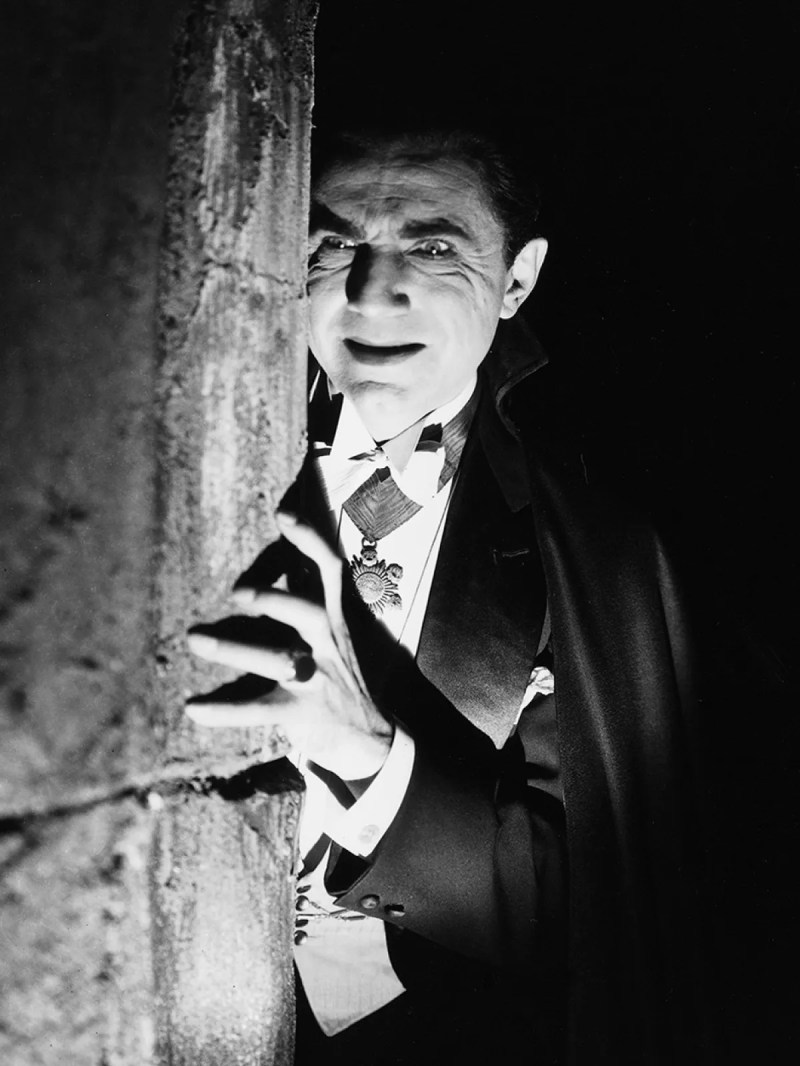
A: Early adaptations, like Nosferatu, portrayed Dracula as a grotesque, rat-like creature. Later interpretations, such as Bela Lugosi’s performance in the 1931 film, emphasized his aristocratic charm. Modern versions often explore Dracula as a tragic figure or a symbol of queer desire, reflecting changing cultural attitudes.
Q: What can we learn from Dracula about Victorian society?
A: Dracula reflects Victorian anxieties about sexuality, immigration, and the fear of the "other." The novel’s themes of contamination and invasion mirror contemporary concerns about disease and colonialism, making it a fascinating lens through which to examine the era.
Leave a Comment
Comments are moderated before appearing. The data you submit is processed according to the Privacy Policy of Medicine.