How to Access Case Info: The Definitive Guide to Retrieving Legal Records
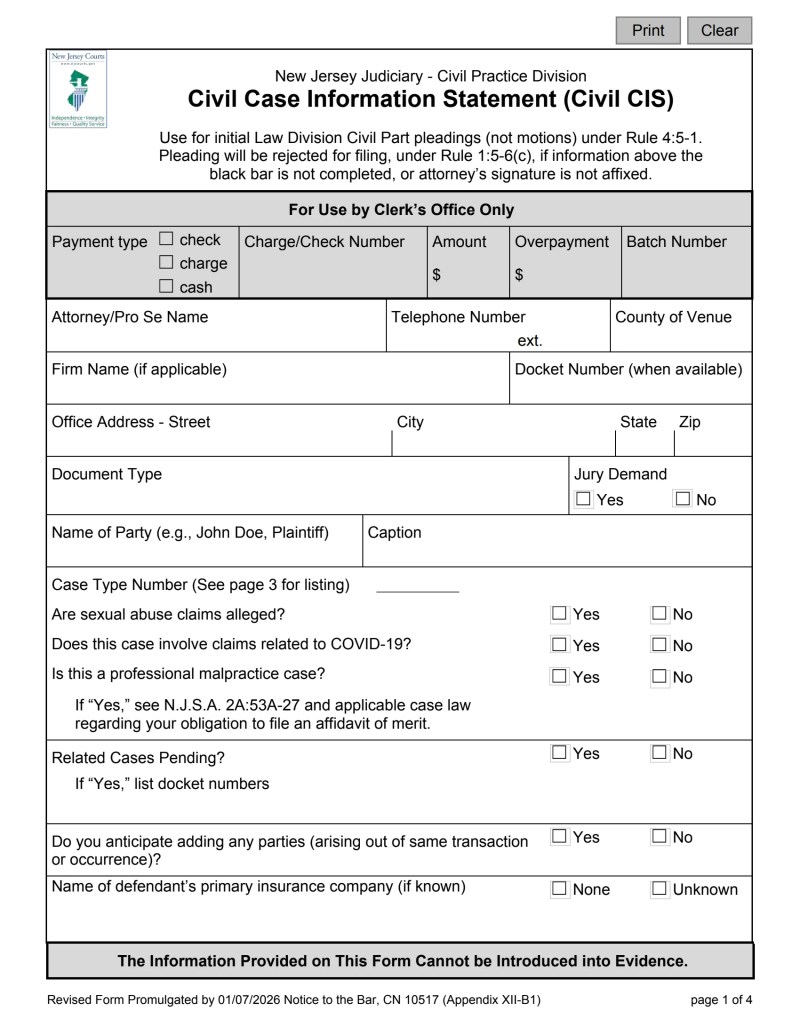
Accessing case information is a critical skill for legal professionals, researchers, and even individuals navigating personal or family matters. Whether you're tracking a civil lawsuit, verifying a criminal case, or conducting due diligence, knowing how to retrieve case details efficiently can save time and prevent costly errors. The process varies by jurisdiction, platform, and the type of case—each requiring specific steps, from understanding case numbering systems to navigating digital archives. Without the right approach, even the most straightforward inquiries can become tangled in bureaucratic red tape or outdated databases.
The evolution of digital records has transformed how case information is stored and accessed. Gone are the days of physically visiting courthouses to sift through microfiche or paper files. Today, most jurisdictions offer online portals, APIs, and even mobile applications to streamline the retrieval of case data. However, these advancements come with challenges: not all systems are user-friendly, some require legal credentials, and others charge fees for access. The key to success lies in identifying the most reliable methods for your specific needs—whether you're dealing with federal court filings, state-level cases, or international legal documents.
For those new to the process, the terminology alone can be overwhelming. Terms like "docket numbers," "case status reports," and "electronic case files" (ECFs) are thrown around in legal circles, but their meanings and applications aren’t always clear. This guide cuts through the confusion, providing a structured approach to accessing case information—from understanding the foundational systems to leveraging advanced tools. Whether you're a paralegal, a journalist, or someone assisting a family member, mastering these techniques will empower you to retrieve accurate, up-to-date case details with confidence.
The Complete Overview of Accessing Case Information
The foundation of accessing case information lies in recognizing that no single method fits all scenarios. Federal, state, and local courts operate under different rules, and even within a single jurisdiction, procedures can vary by court type (e.g., civil vs. criminal). For instance, federal cases in the U.S. are managed through the PACER system (Public Access to Court Electronic Records), while state cases may rely on regional portals like California Courts Online or NY Courts 24/7. International cases introduce additional layers of complexity, often requiring cooperation between legal databases and consular services. The first step is determining the jurisdiction and type of case—this dictates whether you’ll need to engage with a court clerk, a third-party aggregator, or a government-run digital archive.Beyond jurisdiction, the format of the case information itself plays a role in how you access it. Some records are fully digitized and searchable, while others may only exist in physical form, requiring in-person requests. Even within digital systems, the depth of information varies: a docket sheet might list basic details like case numbers and hearing dates, whereas a full case file could include exhibits, transcripts, and attorney filings. Understanding these distinctions is crucial—what works for retrieving a docket number may not suffice for obtaining a sealed document. Additionally, privacy laws (such as the Family Educational Rights and Privacy Act (FERPA) or Health Insurance Portability and Accountability Act (HIPAA)) can restrict access to certain records, necessitating special permissions or legal representation.
Historical Background and Evolution
The modern system for accessing case information traces its roots to the late 19th and early 20th centuries, when courthouses began centralizing records to improve transparency. Before digitalization, court clerks maintained manual ledgers and paper files, and accessing them often required physical visits or written requests. The advent of computers in the 1970s and 1980s marked the first major shift, with courts adopting early database systems to catalog cases. However, these systems were often proprietary, limiting public access to a handful of privileged users. The real breakthrough came in the 1990s with the rise of the internet, which allowed courts to publish basic case details online—though these early portals were clunky and lacked the search functionality we take for granted today.The Electronic Case Filing (ECF) initiative, launched by the U.S. federal courts in 2008, revolutionized how legal professionals interact with case records. ECF replaced paper filings with digital submissions, creating a searchable archive of court documents. This was followed by PACER, which democratized access to federal case information by allowing the public to pay a fee for online retrieval. State courts soon followed suit, with platforms like CM/ECF (California) and NYSCEF (New York) offering similar functionalities. Today, even small claims courts in some states provide online docket lookups, though the quality and completeness of these records can still vary widely. The shift toward digitalization hasn’t eliminated challenges—such as outdated systems or paywalls—but it has undeniably made case information more accessible than ever before.
Core Mechanisms: How It Works
At its core, accessing case information relies on three primary mechanisms: case numbering systems, digital repositories, and human intermediaries. Case numbers are the unique identifiers assigned to each legal proceeding, and understanding how they’re structured is essential. For example, federal cases in the U.S. use a format like "1:20-cv-01234", where "1" denotes the district, "20" the year, and "cv" that it’s a civil case. State cases may follow a similar pattern but with regional variations (e.g., "2023-CA-00123" in California). Once you’ve located the correct case number, the next step is determining where to find the associated records—this could be a court’s website, a third-party database like Westlaw or LexisNexis, or even a government FOIA request portal.Table of Contents
- The Complete Overview of Accessing Case Information
- Historical Background and Evolution
- Core Mechanisms: How It Works
- Key Benefits and Crucial Impact
- Major Advantages
- Comparative Analysis
- Future Trends and Innovations
- Conclusion
- Comprehensive FAQs
- Q: How do I find a case number if I only know the names of the parties involved?
- Q: Are there free alternatives to PACER for federal case records?
- Q: What should I do if a case record is sealed or restricted?
- Q: Can I access case information from another country?
- Q: How do I verify the accuracy of a case record I’ve retrieved?
- Q: What are the best practices for organizing case information for long-term research?
- Q: Are there legal risks to accessing case information without proper authorization?
Digital repositories are the backbone of modern case access. Systems like PACER allow users to search by case number, party name, or judge, with results displaying filings, motions, and orders. Some states offer open-data initiatives, where case information is freely available without fees, though these are still rare. For cases involving sensitive information (e.g., juvenile records or sealed documents), additional steps—such as filing a motion to unseal—may be required. Human intermediaries, like court clerks or legal librarians, remain invaluable for complex searches, especially when dealing with older cases or jurisdictions with limited digital infrastructure. Their expertise can bridge gaps left by automated systems, ensuring you retrieve the most accurate and complete information possible.
Key Benefits and Crucial Impact
The ability to access case information efficiently has far-reaching implications across legal, academic, and personal spheres. For legal professionals, it streamlines research, reduces the risk of procedural errors, and accelerates case preparation. Journalists and researchers rely on these records to verify facts, uncover trends, or hold institutions accountable. Even individuals navigating personal legal matters—such as divorce proceedings or property disputes—gain peace of mind by having direct access to their case status. The transparency enabled by digital case records has also reduced corruption and improved public trust in judicial processes. Without these tools, stakeholders would be forced to rely on outdated or incomplete information, leading to misinformed decisions and prolonged disputes.However, the benefits of accessing case information are not without trade-offs. Fees, such as PACER’s per-page charges, can add up quickly for high-volume users, creating a financial barrier for individuals and small firms. Privacy concerns also arise, particularly when sensitive personal data is exposed in public records. Jurisdictions vary in their approach to balancing transparency with confidentiality, with some states implementing stricter redaction policies for records involving minors or victims of crimes. Despite these challenges, the overall impact of improved case access has been overwhelmingly positive, fostering a more informed and engaged public.
"Access to justice begins with access to information. When case records are transparent and accessible, the legal system operates more efficiently—and the public gains trust in its institutions."
— American Bar Association, 2022 Report on Court Technology
Major Advantages
- Time Efficiency: Digital access eliminates the need for in-person visits, reducing retrieval time from days to minutes. Automated searches allow users to filter by date, party, or case type, cutting through manual record-keeping.
- Cost Savings: While some systems charge fees (e.g., PACER’s $0.10 per page), many state and local courts now offer free or low-cost alternatives. Bulk discounts and waivers for low-income individuals further reduce expenses.
- Enhanced Accuracy: Digital records are less prone to human error or physical degradation compared to paper files. Version control ensures you’re viewing the most recent filings, reducing discrepancies in legal research.
- Global Reach: International case databases (e.g., HUDOC for European Court of Human Rights cases) allow researchers to cross-reference legal precedents across borders, expanding the scope of their analysis.
- Public Accountability: Transparent case records enable citizens to monitor judicial processes, identify delays, and advocate for reforms. This openness is a cornerstone of democratic governance.

Comparative Analysis
| Federal Systems (U.S.) | State Systems (U.S.) |
|---|---|
|
|
| International Databases | Third-Party Aggregators |
|
|
Future Trends and Innovations
The next decade of case information access will likely be shaped by artificial intelligence (AI) and blockchain technology. AI-powered search tools are already emerging, capable of analyzing case law to predict judicial outcomes or identify relevant precedents in seconds. Platforms like ROSS Intelligence and CaseText use natural language processing to make legal research more intuitive, reducing the time lawyers spend sifting through documents. Blockchain, meanwhile, could revolutionize record-keeping by providing tamper-proof, decentralized ledgers for court filings, ensuring transparency and immutability. Early pilots in Estonia and Dubai have shown promise, though widespread adoption in the U.S. legal system remains years away due to regulatory hurdles.Another key trend is the
expansion of free, open-access portals. Pressure from advocacy groups and tech startups is pushing courts to eliminate fees and improve usability. Initiatives like Free Law Project’s RECAP (which crowdsources PACER fee waivers) highlight growing public demand for equitable access. Additionally, mobile applications are making case information more portable—apps like CourtListener and Justia allow users to track cases on the go, with push notifications for updates. As these tools evolve, the gap between professional and public access to case records may narrow further, democratizing legal research in ways previously unimaginable.
Conclusion
Accessing case information is no longer a niche skill reserved for legal experts—it’s a practical necessity for anyone navigating the modern legal landscape. Whether you’re a lawyer preparing for trial, a journalist investigating a high-profile case, or a concerned citizen tracking a local dispute, the right tools and strategies can make the process seamless. The key is understanding the nuances of each system, from federal PACER to state-specific portals, and knowing when to leverage human expertise or third-party resources. While challenges like fees and privacy restrictions persist, the overall trajectory is clear: technology is making case records more accessible, accurate, and actionable than ever before.As digital transformation continues, the focus will shift from how to access case information to how to use it effectively. AI-driven insights, blockchain security, and open-data policies will redefine legal research, but the core principle remains unchanged: informed access to case records empowers individuals and strengthens institutions. By staying ahead of these trends and adapting to new tools, you can ensure that your case information needs are met—today and in the future.
Comprehensive FAQs
Q: How do I find a case number if I only know the names of the parties involved?
To locate a case number using party names, start by searching the court’s online portal (e.g., PACER for federal cases or your state’s court website). Use the "party name" filter and narrow results by date or jurisdiction. If the case is older or involves a common name, cross-reference with local court records or contact the clerk’s office directly. Some states also offer
name-based search tools in their case management systems.Q: Are there free alternatives to PACER for federal case records?
Yes. The
Free Law Project’s RECAP browser extension automatically waives PACER fees for users who donate to the project. Additionally, Google Scholar and CourtListener provide free access to many federal case filings, though they may not be as comprehensive as PACER. For bulk downloads, check if your local law library offers PACER accounts with subsidized fees.Q: What should I do if a case record is sealed or restricted?
Sealed records require a
motion to unseal filed with the court. Explain your need for access (e.g., legal representation, public interest) and provide justification. Some jurisdictions allow limited access for journalists or researchers under specific conditions. If denied, you may appeal the decision or consult an attorney to explore alternative legal avenues.Q: Can I access case information from another country?
International case records are accessible but often require specialized databases. For European cases, use
HUDOC (Council of Europe). For U.N.-related cases, consult UNODC or ICC portals. Some countries (e.g., UK) offer public registers for company or property disputes. Always verify the authenticity of foreign records, as translation and legal equivalence may vary.Q: How do I verify the accuracy of a case record I’ve retrieved?
Cross-reference the record with multiple sources. For example, compare a PACER filing with a state court’s version or check for consistency in case numbers across databases. If discrepancies arise, contact the court clerk or a legal librarian for clarification. Some third-party services (like
Casetext) also offer case law analysis tools to validate filings against judicial precedents.Q: What are the best practices for organizing case information for long-term research?
Use a
document management system (e.g., Notion, Evernote, or Zotero) to tag and categorize case files by jurisdiction, date, or topic. For high-volume research, create a spreadsheet with columns for case numbers, parties, key dates, and outcomes. Regularly update your records to reflect new filings or rulings. If working with sensitive data, encrypt files and restrict access to authorized personnel.Q: Are there legal risks to accessing case information without proper authorization?
Generally, accessing public case records is legal, but misuse—such as
harassment, fraud, or violating privacy laws—can lead to consequences. For example, using case data to threaten a party or share sealed information could result in legal action. Always adhere to court rules and jurisdictional laws** governing record access. If in doubt, consult a legal professional before proceeding.
Leave a Comment
Comments are moderated before appearing. The data you submit is processed according to the Privacy Policy of Medicine.