What Is a Statutory Declaration? The Legal Powerhouse You Need to Know

When a document carries the weight of law but doesn’t require a courtroom, that’s the power of a what is a statutory declaration. It’s the unsung backbone of legal transactions—whether you’re buying property overseas, proving identity for a visa, or settling an inheritance dispute. Unlike court affidavits, this tool operates outside judicial supervision, yet its validity is just as enforceable. Governments and institutions trust it because it’s a sworn statement under penalty of perjury, but without the delay of a court date.
The beauty of understanding what is a statutory declaration lies in its versatility. It’s not just for lawyers or corporate entities; it’s for the individual navigating bureaucratic hurdles. A single declaration can unlock a bank account in another country, authenticate a signature on a will, or even resolve a dispute with a landlord. Yet, despite its ubiquity, many people stumble at the first hurdle: How do you make one legally binding? The answer isn’t as simple as signing a form—it requires precision, proper witnesses, and adherence to local laws.
What separates a statutory declaration from a mere signature is its legal sanctity. While a notary public or commissioner for oaths can certify it, the declaration itself is a solemn promise that the facts presented are true. Miss a detail, and the document could be challenged. Get it right, and it becomes a shield against fraud, a bridge across borders, or the final piece in a complex transaction. The question isn’t just what is a statutory declaration—it’s how to wield it correctly when the stakes are high.
The Complete Overview of What Is a Statutory Declaration
A what is a statutory declaration is a formal, written statement of facts confirmed by oath or affirmation, typically used in legal, financial, or administrative contexts where proof of truth is required. Unlike an affidavit—which is filed in court—this document is sworn before a qualified official (such as a justice of the peace, solicitor, or notary) but isn’t submitted to a judge. Its strength lies in its simplicity: it’s a self-contained, standalone declaration that holds weight in contracts, immigration processes, and even criminal proceedings.The term itself is rooted in statutory law, meaning its validity is derived from legislation rather than common law. In jurisdictions like the UK, Australia, and Canada, the Statutory Declarations Act (or similar local statutes) governs its use, ensuring consistency across regions. Whether you’re dealing with a statutory declaration for a visa, a property transaction, or a corporate compliance matter, the core principle remains: the declarant swears that the information is true to the best of their knowledge, under penalty of perjury. This makes it a critical tool for individuals and businesses alike.
Historical Background and Evolution
The concept of a sworn statement dates back centuries, evolving alongside the need for verifiable truth in legal matters. In medieval Europe, oaths were administered by clergy or local magistrates to prevent fraud in land transfers and commercial agreements. By the 19th century, as bureaucracies expanded, governments formalized these declarations into statutory instruments—legally binding documents that didn’t require judicial oversight. The UK’s Statutory Declarations Act 1837 was a landmark, standardizing the process and distinguishing it from affidavits, which remained court-dependent.Today, the what is a statutory declaration process is streamlined but no less rigorous. Modern statutes emphasize accessibility, allowing declarations to be made before authorized officials like solicitors, police officers (in some regions), or even medical practitioners. This evolution reflects a broader legal trend: balancing efficiency with accountability. For instance, in Australia, the Statutory Declarations Act 1959 (Cth) permits declarations to be used in federal matters, while state laws govern local applications. The result? A system that adapts to digital age needs—such as electronic signatures—while preserving the oath’s gravity.
Core Mechanisms: How It Works
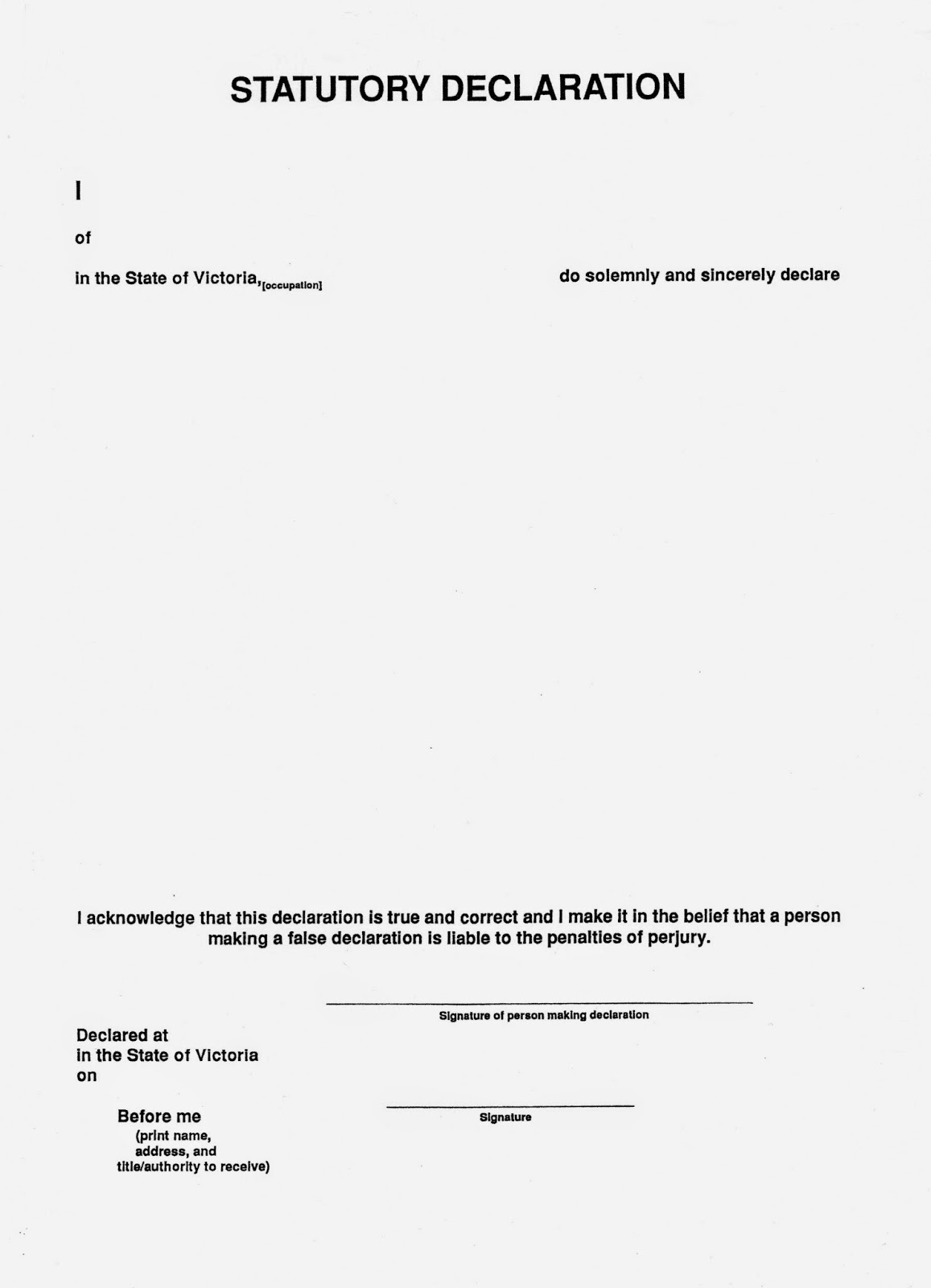
At its core, a statutory declaration follows a three-step process: preparation, swearing, and certification. First, the declarant drafts a clear, factual statement—no opinions or hearsay allowed. The document must include identifying details (name, address, date of birth) and a precise description of the facts being declared. Second, the declarant appears before a qualified official, who administers an oath or affirmation (for those who object to oaths on religious grounds). The official then signs and stamps the document, confirming its authenticity.Table of Contents
- The Complete Overview of What Is a Statutory Declaration
- Historical Background and Evolution
- Core Mechanisms: How It Works
- Key Benefits and Crucial Impact
- Major Advantages
- Comparative Analysis
- Future Trends and Innovations
- Conclusion
- Comprehensive FAQs
- Q: What is the difference between a statutory declaration and an affidavit?
- Q: Can I make a statutory declaration without a lawyer?
- Q: Is a statutory declaration valid internationally?
- Q: What happens if I lie in a statutory declaration?
- Q: Can a statutory declaration be used for business purposes?
- Q: How long does a statutory declaration take to process?
- Q: Do I need to notarize a statutory declaration?
- Q: Can I use a statutory declaration for a will?
- Q: Are there limits to what I can declare?
- Q: How do I find someone to swear my declaration?
What sets this apart from other legal documents is the penalty for falsehood. Underperjury laws, providing false information in a statutory declaration can lead to criminal charges, fines, or even imprisonment. This deterrent ensures that only truthful declarations are accepted. Additionally, the document must be sworn in the presence of the official, not via mail or digital proxy—though some jurisdictions now allow video-link swearing in emergencies. The official’s role is critical: they verify the declarant’s identity and ensure the declaration complies with local statutes.
Key Benefits and Crucial Impact
The value of a what is a statutory declaration lies in its ability to resolve disputes, facilitate transactions, and streamline administrative processes—all without the delays of court proceedings. Businesses use them to authenticate corporate resolutions, individuals rely on them for immigration paperwork, and governments trust them for welfare claims. The document’s flexibility makes it indispensable in scenarios where time and cost are critical. For example, a statutory declaration for a will can expedite probate, while one for a bank loan may bypass lengthy verification processes.Beyond efficiency, statutory declarations serve as a legal safeguard. They create a paper trail that’s admissible in court, protecting parties from fraudulent claims. In commercial contexts, they’re often used to confirm agreements, such as a tenant’s identity or a supplier’s credentials. Even in personal matters—like proving residency for a driver’s license—they provide a swift, official record. The impact is twofold: they reduce bureaucratic friction while upholding legal standards.
"A statutory declaration is not just a formality—it’s a contract with the law. When you sign it, you’re not just stating facts; you’re staking your reputation and legal standing on them." — Legal Scholar Dr. Eleanor Whitmore, University of Melbourne
Major Advantages
- Speed and Accessibility: Unlike affidavits, statutory declarations don’t require court filings, making them ideal for urgent matters (e.g., travel documents, emergency loans).
- Cost-Effective: No court fees or lawyer retainers are typically required, though professional drafting may incur costs.
- Global Recognition: Many countries accept statutory declarations for visa applications, property transfers, and international contracts, provided they’re properly certified.
- Versatility: Can be used for personal (e.g., statutory declaration for a visa), financial (e.g., bank references), or legal (e.g., inheritance disputes) purposes.
- Legal Protection: The oath or affirmation adds a layer of accountability, deterring fraud and ensuring the document’s integrity in court.

Comparative Analysis
| Statutory Declaration | Affidavit |
|---|---|
|
|
| Notarized Document | Simple Signature |
|
|
Future Trends and Innovations
As digital transformation reshapes legal processes, the what is a statutory declaration is evolving to meet new demands. E-signatures and blockchain technology are poised to revolutionize how declarations are sworn and stored. In Australia, for instance, the Electronic Transactions Act 1999 already permits electronic statutory declarations, provided the declarant’s identity is verified via biometrics or video link. This shift could eliminate the need for physical presence, making declarations faster and more accessible—especially for remote communities or expatriates.However, the oath’s traditional gravity raises ethical questions. Can a digital signature carry the same weight as a solemn vow in front of an official? Jurisdictions are grappling with this, with some requiring additional identity verification layers (e.g., government-issued ID checks via AI). Another trend is the integration of smart contracts, where statutory declarations could trigger automated legal actions (e.g., releasing funds upon verification). The future may blur the lines between paper, digital, and even AI-assisted declarations—but the core principle of truth and accountability must remain uncompromised.
Conclusion
Understanding what is a statutory declaration is more than memorizing a legal term—it’s about recognizing a tool that balances speed, legality, and practicality. Whether you’re a business owner, an expatriate, or an individual navigating a legal hurdle, this document can be the difference between a smooth process and a costly delay. Its strength lies in its simplicity: no courtroom drama, no excessive paperwork, just a clear, sworn statement that holds up under scrutiny.Yet, its power comes with responsibility. A poorly drafted or falsified declaration can have severe consequences. That’s why knowing the process—from drafting to swearing—is crucial. As laws adapt to digital age demands, the statutory declaration’s role will only grow. For now, it remains a cornerstone of legal verification, a testament to how ancient principles of truth can be applied to modern challenges.
Comprehensive FAQs
Q: What is the difference between a statutory declaration and an affidavit?
A statutory declaration is sworn outside court and used for administrative or personal matters, while an affidavit is filed in court as evidence in legal proceedings. Both carry the same legal weight for falsehoods, but affidavits are tied to litigation.
Q: Can I make a statutory declaration without a lawyer?
Yes. While a lawyer can draft it professionally, the declaration itself only requires a qualified official (e.g., justice of the peace) to swear it. However, complex cases may benefit from legal review to avoid errors.
Q: Is a statutory declaration valid internationally?
It depends on the country. Many nations (e.g., UK, Australia, Canada) accept them for visas, property, or contracts, but some may require apostille certification or consular legalization for foreign use.
Q: What happens if I lie in a statutory declaration?
Providing false information is a criminal offense under perjury laws. Penalties range from fines to imprisonment, and the declaration can be used as evidence in fraud cases.
Q: Can a statutory declaration be used for business purposes?
Absolutely. Businesses commonly use them to confirm corporate resolutions, authenticate signatures on contracts, or verify supplier credentials—especially in cross-border transactions.
Q: How long does a statutory declaration take to process?
Processing time varies. Simple declarations can be sworn and certified in minutes, while complex ones (e.g., for immigration) may take days due to official verification steps.
Q: Do I need to notarize a statutory declaration?
No. Notarization isn’t required—only a sworn oath before an authorized official. However, some institutions (e.g., banks) may request notarization for additional security.
Q: Can I use a statutory declaration for a will?
In some jurisdictions (e.g., Australia), a statutory declaration can support a will’s validity, but it’s not a substitute for proper legal execution. Consult a lawyer to ensure compliance with inheritance laws.
Q: Are there limits to what I can declare?
Yes. Declarations must be factual, not opinions or legal advice. Courts may reject declarations about future events, speculative claims, or matters requiring expert testimony.
Q: How do I find someone to swear my declaration?
Authorized officials include justices of the peace, solicitors, police officers (in some regions), and notaries. Check your local government’s website or contact a law firm for a list of qualified witnesses.
Leave a Comment
Comments are moderated before appearing. The data you submit is processed according to the Privacy Policy of Medicine.