Miles Davis’ *So What*: The Jazz Masterpiece That Redefined Music Forever

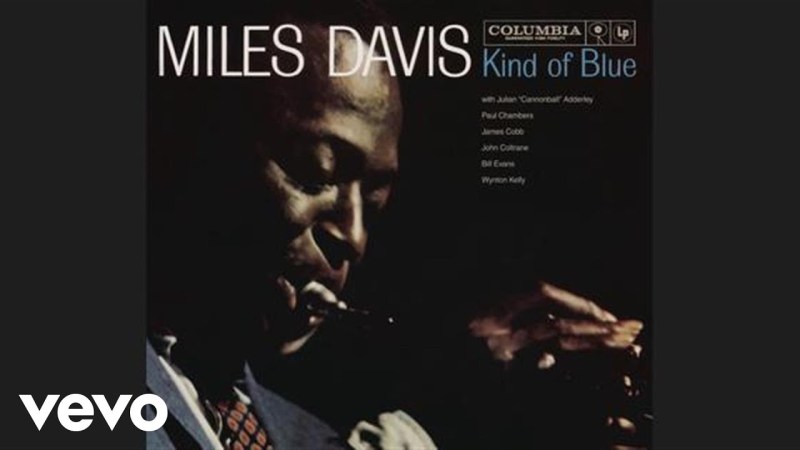
Miles Davis’ So What isn’t just a jazz standard—it’s a seismic shift in how music could be structured, felt, and experienced. Released in 1959 as the opening track of Kind of Blue, the album’s magnum opus, So What dismantled the rigid harmonic rules of bebop and birthed an era of modal jazz. Its hypnotic, cyclical phrasing and Miles’ understated trumpet solos redefined spontaneity, proving that jazz could thrive without a traditional chord progression. The question isn’t why it matters—it’s how a single 9-minute composition could alter the trajectory of Western music for decades.
What makes So What so enduring isn’t just its technical brilliance but its emotional resonance. The track’s minimalist framework—built on two modal scales (Dorian and Mixolydian) over a slow, pulsing rhythm—creates a meditative space where improvisation feels limitless. John Coltrane’s tenor saxophone weaves through the fabric like a spiritual confession, while Wynton Kelly’s piano and Paul Chambers’ bass ground the listener in a timeless groove. This wasn’t just music; it was a philosophical statement about freedom, restraint, and the infinite possibilities within silence.
The phrase "Miles Davis so what" isn’t just a casual reference—it’s a rhetorical challenge to listeners, demanding they confront the track’s radical simplicity. Why does it work? Because it strips away everything superfluous, leaving only the essence of sound. The genius of So What lies in its paradox: it’s both deeply structured and utterly free, a blueprint for artists from jazz fusion pioneers to electronic producers. To understand So What is to grasp the soul of improvisation itself.
### The Complete Overview of So What and Its Legacy
At its core, So What is a deconstruction of jazz convention. Before its release, bebop dominated with its complex chord changes and rapid-fire solos. Miles Davis, however, was frustrated by the genre’s constraints—why improvise within a fixed harmonic framework when the sky was the limit? His solution? Modal jazz. By focusing on scales (modes) rather than chords, he eliminated the need for harmonic resolution, allowing musicians to explore melodies with unprecedented fluidity. The result was a sound that felt both ancient and futuristic, echoing the cyclical rhythms of African music while pointing toward the minimalism of later electronic genres.
Table of Contents
- Q: Why is So What considered a modal jazz masterpiece?
- Q: How did So What influence later musicians?
- Q: What makes So What ’s rhythm section so effective?
- Q: Can you explain the difference between So What and bebop?
- Q: How did So What change jazz education?
- Q: What’s the significance of the title So What ?
- Q: Are there modern reinterpretations of So What ?
- Q: How did So What impact global music?
The track’s structure is deceptively simple: a 16-bar cycle repeated throughout, with the melody shifting between Dorian (for the first half) and Mixolydian (for the second). Yet this simplicity is its power. The absence of chord changes means the soloists—Coltrane, Cannonball Adderley, and Miles himself—aren’t bound by "correct" notes. Coltrane’s solo, in particular, becomes a spiritual journey, his phrases bending time and space. The bass and drums lock into a hypnotic groove, while Wynton Kelly’s sparse piano comping (often just single-note lines) creates a sense of vast, open possibility. "Miles Davis so what" isn’t just a question—it’s an invitation to listen without preconceptions, to let the music breathe.
### Historical Background and Evolution
So What emerged from a series of late-night jam sessions in 1959, where Miles and his band (the First Great Quintet) experimented with modal concepts. The track’s origins trace back to Miles’ fascination with Indian classical music and the work of composer George Russell, who advocated for a "modal matrix" approach to harmony. But So What wasn’t just theoretical—it was visceral. The recording sessions were intense, with Miles pushing his musicians to explore the edges of their creativity while maintaining a collective groove. The result was a track that felt both spontaneous and meticulously crafted, a testament to Miles’ ability to balance structure and freedom.
The impact of So What was immediate. Kind of Blue became the best-selling jazz album of all time, and So What itself entered the lexicon of jazz as a defining moment. Critics hailed it as a revolution, while musicians—from Herbie Hancock to Miles’ own future collaborators—saw it as a manual for reinvention. Even outside jazz, the track’s influence seeped into rock (think Jimi Hendrix’s modal solos) and electronic music (the cyclical loops of ambient artists). The phrase "Miles Davis so what" became shorthand for a mindset: why complicate when simplicity can be profound?
### Core Mechanisms: How It Works
The magic of So What lies in its modal harmony, a concept that might sound technical but is fundamentally about freedom. In traditional jazz, a chord progression dictates where a soloist can (and can’t) go. But in So What, the absence of chord changes means the soloists operate within a scale, giving them a vast playground. Miles’ trumpet lines, for example, often hover around the Dorian mode’s minor third, creating a melancholic yet uplifting tone. Coltrane’s solo, meanwhile, explores the Mixolydian mode’s dominant seventh, adding a bluesy tension that resolves not through harmony but through rhythmic phrasing.
The rhythm section is equally crucial. Paul Chambers’ bass plays a steady, walking-line pattern that anchors the track, while Jimmy Cobb’s drums provide a sparse, swinging pulse. This minimalist approach forces the listener to focus on the interplay between the instruments, creating a sense of depth and space. The lack of a traditional "head" (a repeated melody) means the track feels like a living organism, evolving with each listen. "Miles Davis so what" isn’t just a question—it’s a lesson in how to listen: not to what’s being played, but to how it’s being played.
### Key Benefits and Crucial Impact
So What didn’t just change jazz—it redefined what music could be. By eliminating harmonic constraints, Miles Davis and his band proved that improvisation wasn’t about technical virtuosity but emotional truth. This approach democratized jazz, making it accessible to musicians who didn’t fit the bebop mold. The track’s influence extends beyond jazz: filmmakers use its modal structure for soundtracks (e.g., The Conversation), electronic producers sample its loops, and even hip-hop artists cite it as a blueprint for rhythmic innovation.
> "So What isn’t just a song—it’s a philosophy. It says that music doesn’t need to be complicated to be profound. The genius of Miles Davis was in his ability to take something so simple and make it feel infinite." — Guitarist John McLaughlin
The track’s impact on education is equally significant. Jazz schools now teach modal theory through So What, and its structure is analyzed in music theory classes as a case study in minimalism. Even non-musicians feel its pull—the track’s hypnotic groove makes it a gateway drug for jazz, drawing in listeners who might otherwise shy away from the genre’s complexity.
### Major Advantages
- Harmonic Freedom: Modal jazz eliminated the need for chord changes, allowing soloists to explore melodies without constraints.
### Comparative Analysis
| Aspect | So What | Traditional Bebop (e.g., Blue in Green) |
|--------------------------|----------------------------------------|-----------------------------------------------|
| Harmonic Structure | Modal (Dorian/Mixolydian) | Chord-based (functional harmony) |
| Improvisational Freedom | Unlimited within modes | Bound by chord tones and changes |
| Rhythmic Approach | Sparse, swinging groove | Driving, syncopated rhythms |
| Emotional Tone | Meditative, expansive | Energetic, narrative-driven |
### Future Trends and Innovations
The legacy of So What continues to evolve. Modern jazz artists like Robert Glasper and Kamasi Washington blend modal concepts with contemporary production, while electronic musicians (e.g., Flying Lotus) use its cyclical structures in ambient and hip-hop beats. Even AI-generated music algorithms now study So What’s modal framework to create "improvisational" tracks. The question "Miles Davis so what" remains relevant because it challenges artists to ask: What if we stripped away the rules?
As jazz becomes increasingly globalized, So What’s influence is more pronounced. Artists from Africa, Asia, and Latin America are reinterpreting modal jazz, proving that Miles’ vision transcends cultural boundaries. The future of music may lie in the same principles that defined So What: simplicity, freedom, and the courage to redefine the impossible.
### Conclusion
So What isn’t just a jazz track—it’s a manifesto. Miles Davis didn’t just play music; he dismantled expectations and rebuilt them from the ground up. The phrase "Miles Davis so what" is more than a question—it’s a challenge to listeners, musicians, and innovators alike. In an era of overproduction and algorithmic music, So What stands as a reminder that genius often lies in subtraction, not addition.
Its impact is undeniable. From the stages of Montreux to the studios of Berlin, So What continues to inspire. It’s a testament to the power of minimalism, the beauty of constraint, and the endless possibilities within silence. And perhaps that’s the real answer to "Miles Davis so what"—the question itself is the invitation to listen, to explore, and to redefine what music can be.
### Comprehensive FAQs
Q: Why is So What considered a modal jazz masterpiece?
So What revolutionized jazz by replacing traditional chord progressions with modal scales (Dorian and Mixolydian), giving soloists unprecedented creative freedom. This approach eliminated harmonic constraints, allowing for a more fluid, meditative improvisation that became the foundation of modal jazz.
Q: How did So What influence later musicians?
The track’s impact is vast: rock musicians like Jimi Hendrix adopted its modal phrasing, electronic producers sampled its loops, and hip-hop artists used its rhythmic structure. Even non-jazz genres like film scoring and ambient music cite So What as a blueprint for minimalist composition.
Q: What makes So What’s rhythm section so effective?
Paul Chambers’ bass plays a steady, walking-line pattern, while Jimmy Cobb’s drums provide a sparse, swinging pulse. This minimalist approach creates a hypnotic groove that anchors the track without overpowering the soloists, making the rhythm section a defining element of modal jazz.
Q: Can you explain the difference between So What and bebop?
Bebop relied on complex chord changes and rapid improvisation within those changes, while So What uses modal scales (no chord changes) to allow soloists to explore melodies freely. Bebop is narrative-driven; So What is meditative and expansive.
Q: How did So What change jazz education?
The track became a cornerstone of jazz theory curricula, teaching students modal harmony and improvisation. Its simplicity makes it an ideal tool for understanding how to create music without harmonic constraints, influencing generations of jazz educators and musicians.
Q: What’s the significance of the title So What?
The title is both a rhetorical question and a statement of defiance. It challenges listeners to question why jazz needed complex harmonies when simplicity could achieve the same emotional depth. The phrase "Miles Davis so what" encapsulates the track’s philosophy: why complicate when the answer lies in the essence?
Q: Are there modern reinterpretations of So What?
Yes—artists like Kamasi Washington, Robert Glasper, and even electronic musicians have reimagined So What’s modal structure in contemporary contexts. The track’s influence persists in fusion, ambient, and experimental genres, proving its timeless relevance.
Q: How did So What impact global music?
Modal jazz’s principles spread worldwide, influencing African, Asian, and Latin American musicians. The track’s universal appeal lies in its simplicity and emotional depth, making it a bridge between cultures and a testament to jazz’s global language.

Leave a Comment
Comments are moderated before appearing. The data you submit is processed according to the Privacy Policy of Medicine.