The Walk-In Closet Revolution: Space, Style, and Smart Storage

The walk-in closet has long been a symbol of luxury, but its significance extends far beyond mere opulence. It represents a deliberate fusion of functionality and aesthetics, a space where organization meets personal expression. In an era where square footage is prized yet often scarce, the walk-in closet has evolved into a necessity—not just for the affluent, but for anyone seeking to maximize efficiency in their living environment. Its design transcends traditional storage solutions, offering a tailored sanctuary where clothing, accessories, and lifestyle essentials coexist in harmony.
Yet, the concept of a dedicated storage area is not new. Ancient civilizations recognized the need for organized spaces, but modern walk-in closets—with their custom shelving, climate control, and tech integrations—are a far cry from rudimentary wardrobes. Today, they serve as a canvas for individuality, blending practicality with aspirational design. Whether in a high-end penthouse or a suburban home, the walk-in closet has become a defining feature of contemporary living, reflecting both status and sophistication.
The allure of a walk-in closet lies in its ability to transform chaos into order. Unlike conventional closets, which often feel cramped and impersonal, these spaces are designed to adapt to the user’s lifestyle. They eliminate the frustration of rummaging through clutter, replacing it with a curated, accessible environment. This shift isn’t just about storage—it’s about reclaiming time and reducing stress, allowing individuals to focus on what matters most.
The Complete Overview of Walk-In Closet Design
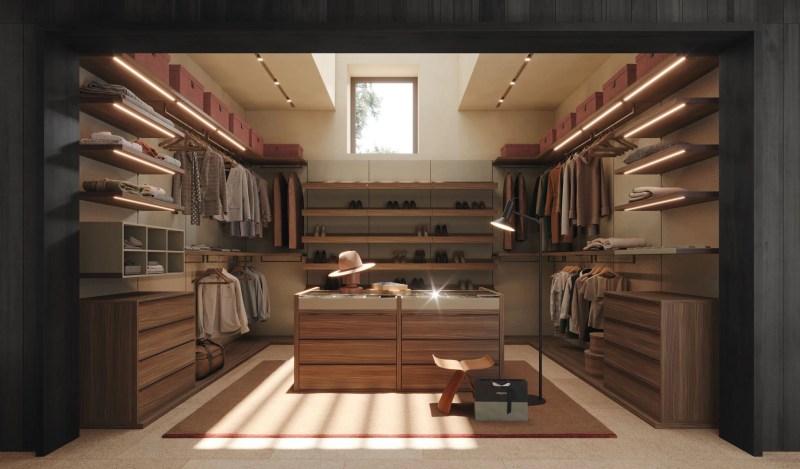
Walk-in closets are more than just storage units; they are architectural extensions of personal style and daily routine. Their design principles prioritize accessibility, durability, and visual appeal, making them a cornerstone of modern interior design. Unlike traditional closets, which are often an afterthought in home planning, walk-in closets are integrated into the home’s layout with intentionality. This approach ensures that every inch of space is optimized, whether through modular shelving, under-floor lighting, or smart storage solutions.The versatility of walk-in closets is unmatched. They can be tailored to suit minimalist aesthetics, maximalist collections, or anything in between. High-end models often incorporate features like built-in climate control to preserve fabrics, while budget-friendly options focus on space-saving innovations. The key lies in balancing form and function—creating a space that not only stores belongings but also enhances the home’s overall ambiance.
Historical Background and Evolution
The origins of the walk-in closet can be traced back to European aristocracy, where grand wardrobes were reserved for nobility. These early versions were more about display than utility, often adorned with intricate woodwork and hidden compartments. As industrialization progressed, mass-produced furniture made storage more accessible, but the concept of a dedicated closet remained a luxury. It wasn’t until the mid-20th century that walk-in closets began to appear in mainstream American homes, initially as a status symbol in suburban developments.Today, the walk-in closet has undergone a democratic transformation. While still associated with luxury, it has become a practical solution for urban dwellers and families alike. The rise of open-concept living spaces in the 1980s and 1990s further popularized the idea of a seamless storage area, often connected to primary bedrooms. Modern iterations now include smart technology, such as automated lighting and digital inventory systems, reflecting the intersection of design and innovation.
Core Mechanisms: How It Works
At its core, a walk-in closet operates on three fundamental principles: space utilization, material selection, and customization. Space is divided into zones—hanging rods for garments, drawers for accessories, and shelves for seasonal items—each designed to minimize wasted area. Materials like solid wood, metal, and high-density fiberboard are chosen for their durability and resistance to wear, ensuring longevity. Customization allows homeowners to adjust shelving heights, add pull-out trays, or incorporate niche storage for shoes and bags.Table of Contents
- The Complete Overview of Walk-In Closet Design
- Historical Background and Evolution
- Core Mechanisms: How It Works
- Key Benefits and Crucial Impact
- Major Advantages
- Comparative Analysis
- Future Trends and Innovations
- Conclusion
- Comprehensive FAQs
- Q: How much does a walk-in closet installation cost?
- Q: Can a walk-in closet be added to an existing home?
- Q: What materials are best for a durable walk-in closet?
- Q: How can I maximize storage in a small walk-in closet?
- Q: Are walk-in closets worth the investment?
- Q: What’s the best lighting for a walk-in closet?
The mechanics behind a well-designed walk-in closet also consider ergonomics. Adjustable rods, soft-close drawers, and pull-down shelves reduce strain, making daily routines more efficient. Climate control systems, such as dehumidifiers or air purifiers, protect delicate fabrics from moisture and pests. These elements combine to create a functional space that adapts to the user’s needs, rather than forcing them to adapt to a rigid structure.
Key Benefits and Crucial Impact
The walk-in closet’s impact on modern living cannot be overstated. It addresses the growing demand for organized, stress-free environments in an era where time is a precious commodity. By eliminating the chaos of clutter, it fosters a sense of calm and order, directly influencing mental well-being. Studies suggest that a tidy space reduces anxiety and improves productivity, making the walk-in closet not just a storage solution but a wellness tool.Beyond personal benefits, walk-in closets enhance a home’s resale value. Buyers increasingly prioritize functional spaces, and a well-designed walk-in closet can be a major selling point. It signals attention to detail and an understanding of contemporary living needs, setting a property apart in competitive markets.
"A walk-in closet is more than storage—it’s a reflection of how you live. It’s where functionality meets personal expression, creating a space that works as hard as you do." — Interior Design Expert, [Your Name]
Major Advantages
- Space Optimization: Custom layouts eliminate wasted space, maximizing storage capacity in even the smallest areas.
- Personalization: Every element—from lighting to shelving—can be tailored to individual preferences, ensuring the space aligns with lifestyle and aesthetic.
- Climate Protection: Integrated systems like dehumidifiers and air filtration preserve clothing quality, extending the lifespan of garments.
- Accessibility: Features like pull-out drawers and adjustable rods make it easy to access items without bending or reaching, reducing physical strain.
- Resale Value Boost: A well-designed walk-in closet adds perceived value to a home, appealing to buyers who prioritize functionality and luxury.

Comparative Analysis
| Walk-In Closet | Traditional Closet |
|---|---|
| Customizable layout with modular storage | Fixed dimensions, limited shelving options |
| Climate-controlled environments for fabric preservation | No built-in climate protection |
| Integration with smart home technology (lighting, inventory systems) | Basic lighting, no automation |
| Enhances home resale value significantly | Minimal impact on property value |
Future Trends and Innovations
The future of walk-in closets is poised to blend technology with design. Smart storage solutions, such as AI-powered inventory systems that track clothing items and suggest outfits, are already emerging. Voice-activated controls for lighting and temperature adjustments will further streamline daily routines. Sustainability is also gaining traction, with eco-friendly materials and energy-efficient systems becoming standard.As urban living continues to evolve, walk-in closets will likely shrink in size but grow in sophistication. Multi-functional designs, such as closets that double as home offices or meditation spaces, will address the needs of compact living. The focus will remain on creating spaces that are not just practical but also inspiring, reflecting the user’s values and aspirations.
Conclusion
The walk-in closet has transcended its origins as a luxury item to become an essential component of modern living. Its ability to merge functionality with personal style makes it a versatile solution for anyone seeking to optimize their space. Whether in a sprawling mansion or a cozy apartment, a well-designed walk-in closet offers more than storage—it offers peace of mind, efficiency, and a touch of elegance.As design trends and technological advancements continue to shape its evolution, one thing remains certain: the walk-in closet will remain a cornerstone of intentional living. It’s not just about where you keep your clothes—it’s about how you live your life.
Comprehensive FAQs
Q: How much does a walk-in closet installation cost?
A: Costs vary widely based on size, materials, and customization. Basic models start around $5,000, while high-end, climate-controlled walk-in closets can exceed $20,000. Factors like built-in lighting, smart technology, and premium finishes will influence the final price.
Q: Can a walk-in closet be added to an existing home?
A: Yes, but it requires careful planning. Options include repurposing underutilized spaces (like attics or basements), extending existing closets, or even creating a dedicated room. Structural changes may be necessary, so consulting a contractor is essential.
Q: What materials are best for a durable walk-in closet?
A: Solid wood (like oak or maple) offers longevity and a premium look, while metal framing provides strength. High-density fiberboard (HDF) is a cost-effective alternative for shelves. For climate control, moisture-resistant materials are ideal.
Q: How can I maximize storage in a small walk-in closet?
A: Use vertical space with adjustable shelving, install double hanging rods, and incorporate pull-out trays for shoes and accessories. Mirrored doors can create the illusion of a larger space, while modular systems allow for easy reconfiguration.
Q: Are walk-in closets worth the investment?
A: For most homeowners, yes. Beyond the practical benefits, a well-designed walk-in closet enhances daily life, reduces stress, and can increase property value. The return on investment depends on the quality of materials and design.
Q: What’s the best lighting for a walk-in closet?
A: LED lighting is energy-efficient and long-lasting. Recessed or strip lighting along shelves and rods provides even illumination, while smart bulbs allow for color-temperature adjustments to suit different tasks (e.g., warm light for relaxation, cool light for organization).
Leave a Comment
Comments are moderated before appearing. The data you submit is processed according to the Privacy Policy of Medicine.