The Definitive Guide to Mastering How to Clean a Couch
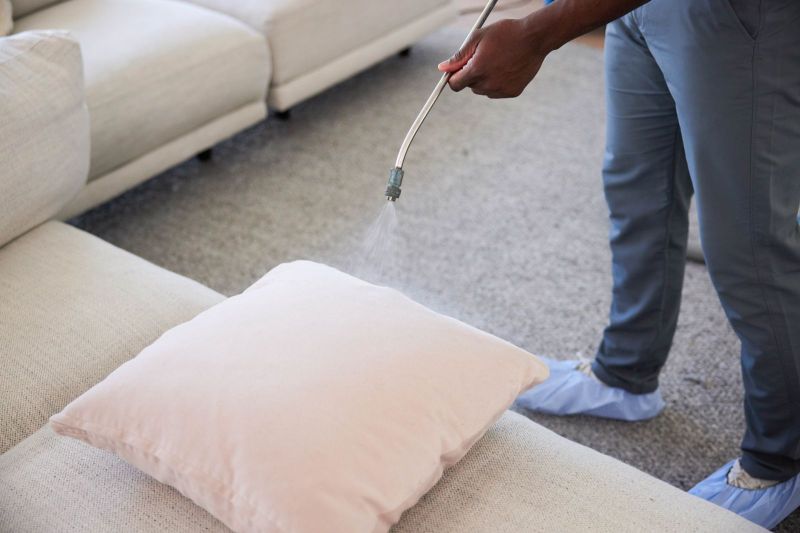
The couch sits as the silent sentinel of your living space—a canvas of memories, spills, and the inevitable wear of daily life. Yet for all its centrality, most people treat it as an afterthought until a stubborn stain or lingering odor demands attention. The truth is that how to clean a couch isn’t just about restoring appearance; it’s about preserving the integrity of the materials, extending its lifespan, and maintaining a healthy indoor environment. Without proper care, even the most luxurious leather or tightly woven fabric will degrade prematurely, trapping allergens and bacteria in a cycle of neglect.
Professional cleaners charge premium rates for what seems like simple upkeep, but the science behind cleaning a couch effectively is far from intuitive. Water chemistry, fabric composition, and the right tools determine whether you’ll salvage a once-pristine piece or accelerate its decline. The methods you choose today—whether steam cleaning, dry cleaning, or DIY solutions—will dictate how your couch looks and smells for years to come. Ignore these principles, and you risk turning a $2,000 investment into a $200 replacement within five years.
The Complete Overview of How to Clean a Couch
The art of how to clean a couch has evolved beyond the days of vinegar-and-water hacks, though those still have their place. Modern upholstery science now incorporates microfiber technology, antimicrobial treatments, and eco-friendly solvents designed to target specific stains without damaging the substrate. Understanding the difference between synthetic fibers (polyester, microfiber) and natural materials (leather, wool, linen) is the first step—each requires a tailored approach to avoid shrinking, bleaching, or weakening the fabric’s structure.At its core, cleaning a couch properly involves three critical phases: pre-treatment, active cleaning, and post-care maintenance. Pre-treatment targets stains with targeted solutions (e.g., enzyme cleaners for organic spills, solvent-based treatments for ink or paint). Active cleaning—whether through steam extraction, dry cleaning powders, or manual scrubbing—removes embedded dirt and allergens. Post-care includes conditioning treatments to restore moisture balance and protective sprays to repel future stains. Skipping any phase risks leaving hidden residues that attract more grime over time.
Historical Background and Evolution
The concept of upholstery cleaning dates back to 18th-century Europe, where wealthy households employed specialized "chairmen" to hand-rub furniture with soot and animal fats—a primitive form of dry cleaning. By the 19th century, the rise of industrial textiles introduced synthetic dyes and fabrics that required chemical treatments to prevent fading. The invention of the vacuum cleaner in 1901 marked the first mechanical solution for surface dust, but deep cleaning remained labor-intensive until the mid-20th century, when steam extraction machines became commercially viable.Today, how to clean a couch has splintered into specialized techniques based on material science. Leather couches, for instance, now use pH-balanced cleaners to avoid cracking, while microfiber sofas benefit from electrostatic dusters that lift pet hair without scratching. The environmental movement has also spurred innovations like ozone treatment for odor elimination and plant-based solvents that replace harsh petroleum derivatives. Even the tools have transformed: modern handheld steamers and HEPA-filtered vacuums make DIY upholstery care more accessible than ever.
Core Mechanisms: How It Works
The physics of cleaning a couch hinges on three principles: solubility, capillary action, and microbial breakdown. Solubility explains why oil-based stains (like grease) need non-polar solvents (e.g., rubbing alcohol), while water-soluble stains (coffee, juice) respond to emulsifiers in detergents. Capillary action is what draws cleaning solutions into fabric fibers, lifting embedded dirt when agitated—hence the importance of scrubbing or brushing during treatment. For organic stains (blood, pet accidents), enzymes break down proteins into harmless byproducts, which is why enzyme cleaners are the gold standard for biohazards.The choice of method also depends on the couch’s construction. Dense weaves (like chenille) trap dirt in tight loops, requiring agitation or steam to dislodge particles, while leather’s porous surface demands gentle wiping to avoid etching. Synthetic fibers often include stain-resistant coatings (e.g., Scotchgard), but these degrade over time and must be refreshed with protective sprays. Understanding these mechanics ensures you’re not just masking dirt but actively removing it at the molecular level.
Key Benefits and Crucial Impact
Investing time in how to clean a couch isn’t just about aesthetics—it’s a health and financial decision. Studies show that upholstery can harbor up to 200,000 bacteria per square inch, including Staphylococcus and mold spores, which exacerbate allergies and respiratory issues. Regular cleaning reduces these pathogens by 90%, creating a safer indoor environment. Financially, proper maintenance can add decades to a couch’s lifespan, saving thousands in replacements. Even a $1,500 sectional can last 15+ years with diligent care, whereas neglect may shorten its life to half that.Table of Contents
- The Complete Overview of How to Clean a Couch
- Historical Background and Evolution
- Core Mechanisms: How It Works
- Key Benefits and Crucial Impact
- Major Advantages
- Comparative Analysis
- Future Trends and Innovations
- Conclusion
- Comprehensive FAQs
- Q: How often should I clean my couch?
- Q: Can I use bleach to clean my couch?
- Q: What’s the best way to remove pet odors from a couch?
- Q: How do I clean a leather couch without damaging it?
- Q: Is steam cleaning safe for all couch fabrics?
- Q: What’s the fastest way to dry a wet couch?
- Q: Can I DIY a couch cleaning if it’s heavily stained?
- Q: How do I know if my couch needs professional cleaning?
- Q: Are there eco-friendly alternatives to commercial couch cleaners?
- Q: How can I prevent future stains on my couch?
The psychological impact is equally significant. A clean couch fosters a sense of order and comfort, directly influencing stress levels and productivity. The olfactory benefits—eliminating odors from pets, cooking, or sweat—are often underestimated. Professional-grade deodorizers (like baking soda or activated charcoal treatments) neutralize smells at the source, unlike air fresheners that merely mask them. When you consider that cleaning a couch thoroughly can improve air quality as effectively as changing HVAC filters, the stakes become clearer.
"Upholstery is the unsung hero of home hygiene—neglected, it becomes a breeding ground for allergens; cared for, it’s a silent protector of your health and wallet."
— Dr. Elena Vasquez, Indoor Air Quality Specialist
Major Advantages
- Allergen Reduction: Deep cleaning removes dust mites, pet dander, and mold, critical for asthma and allergy sufferers.
- Stain Prevention: Regular maintenance preserves fabric integrity, preventing permanent discoloration from spills.
- Odor Elimination: Targeted treatments neutralize smells at the source, unlike temporary masking.
- Longevity: Proper care can extend a couch’s life by 50% or more, delaying costly replacements.
- Healthier Indoor Air: Reduces volatile organic compounds (VOCs) from trapped dirt and bacteria.

Comparative Analysis
| Method | Pros and Cons |
|---|---|
| Steam Cleaning |
|
| Dry Cleaning (Powder) |
|
| DIY Solutions (Vinegar/Baking Soda) |
|
| Professional Cleaning |
|
Future Trends and Innovations
The future of how to clean a couch is being shaped by smart textiles and AI-driven diagnostics. Self-cleaning fabrics infused with titanium dioxide or copper ions are already in development, using UV light or antimicrobial properties to break down stains and bacteria on contact. Meanwhile, IoT-enabled vacuums with fabric sensors can detect dirt levels and recommend cleaning cycles, automating maintenance. Eco-conscious brands are also exploring biodegradable microfiber alternatives that dissolve after use, eliminating textile waste.Another frontier is odor-neutralizing nanotechnology, where nanoparticles embedded in upholstery actively absorb and decompose malodorous molecules. For pet owners, self-sanitizing coatings that repel fur and neutralize pet odors are gaining traction. As sustainability becomes non-negotiable, expect to see more waterless cleaning systems that use compressed air or electrostatic charges to lift dirt without chemicals. The goal? A couch that cleans itself—or at least requires minimal human intervention.

Conclusion
The decision to learn how to clean a couch properly isn’t just about immediate results—it’s about adopting a long-term relationship with your furniture. The methods you choose today will determine whether your couch remains a centerpiece or a liability. Start with the right tools (microfiber cloths, pH-balanced cleaners, a quality vacuum) and tailor your approach to the fabric type. Don’t underestimate the power of regular maintenance; even weekly fluffing with a fabric shaver can prevent deep-seated dirt buildup.For those unwilling to DIY, professional services offer peace of mind, but understanding the process ensures you’re not overpaying for basic tasks. The key takeaway? Cleaning a couch effectively is a blend of science, patience, and consistency. Skip the shortcuts, and your couch will reward you with years of comfort—and a home that feels truly lived-in.
Comprehensive FAQs
Q: How often should I clean my couch?
A: For general maintenance, vacuum weekly to remove surface dust and pet hair. Deep clean every 6–12 months, or immediately after spills. High-traffic areas (like pet owners’ couches) may need monthly spot treatments.
Q: Can I use bleach to clean my couch?
A: Never. Bleach damages fabric fibers, causes discoloration, and releases toxic fumes. For stains, use hydrogen peroxide (diluted) or fabric-safe oxidizers instead.
Q: What’s the best way to remove pet odors from a couch?
A: Start with a HEPA vacuum to remove hair, then sprinkle baking soda or an enzymatic cleaner, let sit for 15 minutes, and vacuum again. For deep odors, consider professional ozone treatment.
Q: How do I clean a leather couch without damaging it?
A: Use a damp microfiber cloth with a pH-neutral leather cleaner, wipe gently in circular motions, and condition immediately after with a leather balm to prevent cracking.
Q: Is steam cleaning safe for all couch fabrics?
A: No. Avoid steam on wool, silk, or delicate synthetics, as excess moisture can cause shrinking or mildew. Always check the manufacturer’s care label first.
Q: What’s the fastest way to dry a wet couch?
A: Use absorbent towels to blot excess moisture, then place fans or a dehumidifier nearby. Avoid direct heat (like hairdryers), which can shrink or warp fabric.
Q: Can I DIY a couch cleaning if it’s heavily stained?
A: For deep stains, DIY may suffice with targeted treatments (e.g., vinegar for ink, dish soap for grease), but professional extraction is better for embedded grime or large areas.
Q: How do I know if my couch needs professional cleaning?
A: Signs include persistent odors, visible mold, deep stains that won’t lift, or fabric that feels stiff or discolored. If DIY methods fail after 2–3 attempts, it’s time to call an expert.
Q: Are there eco-friendly alternatives to commercial couch cleaners?
A: Yes. Mix equal parts water and white vinegar for mild cleaning, or use cornstarch as a dry cleaner for odors. For stains, castile soap (diluted) is a gentle, non-toxic option.
Q: How can I prevent future stains on my couch?
A: Use fabric protectors (like Scotchgard), place mats under food/drinks, and train pets to avoid jumping on furniture. Regular vacuuming also reduces dirt buildup that attracts stains.
Leave a Comment
Comments are moderated before appearing. The data you submit is processed according to the Privacy Policy of Medicine.