The Secret to Perfect Baked Potatoes: Choosing the Best Potatoes for Baking

The difference between a mealy, dry baked potato and one with a golden, crisp exterior and a pillow-soft interior often comes down to one critical decision: the potato itself. Not all tubers are created equal when it comes to baking. The best potatoes for baking are those with a balance of starch content, moisture retention, and structural integrity—qualities that transform a simple oven dish into a culinary masterpiece. Whether you're preparing a classic Idaho spud or a lesser-known heirloom variety, understanding the science and history behind these staples will redefine your approach to baking.
Potatoes have been a cornerstone of human diets for centuries, yet their versatility in the oven remains underappreciated by many home cooks. The right choice of potato can turn a mundane side dish into a centerpiece, capable of absorbing flavors like a sponge while maintaining its form. But how do you navigate the sea of options—from waxy fingerlings to starchy russets—to land on the ideal potatoes for baking? The answer lies in a combination of botanical science, regional growing conditions, and culinary tradition. This guide cuts through the ambiguity to deliver a precise, evidence-backed roadmap for selecting and preparing the perfect baking potato.
Consider this: a potato’s genetic makeup dictates its behavior in heat. Some varieties collapse into a paste-like consistency, while others develop a satisfying resistance when pierced with a fork. The top potatoes for baking are those that strike a delicate equilibrium—holding their shape while yielding a creamy, buttery texture. This isn’t just about personal preference; it’s about harnessing the natural properties of the tuber to achieve a result that’s both visually and texturally satisfying. The journey begins with understanding the nuances of potato classification, the role of starch in texture, and the subtle ways in which growing conditions influence flavor and structure.
The Complete Overview of the Best Potatoes for Baking
The search for the best potatoes for baking is fundamentally a study in starch content and moisture balance. Potatoes are broadly categorized into two types: waxy and starchy. Waxy potatoes, such as red or yellow varieties, have lower starch levels and higher moisture content, making them ideal for dishes where texture is paramount—think salads or grilling. In contrast, starchy potatoes, like russets or Yukon Golds, contain higher levels of amylopectin, a complex carbohydrate that breaks down during baking to create a fluffy, dry interior while forming a crisp, caramelized skin. For baking, the latter category reigns supreme, though exceptions exist depending on the desired outcome.
Beyond starch, the ideal potatoes for baking must also possess a thick skin to resist cracking and a moderate moisture content to prevent excessive steaming in the oven. Thin-skinned varieties, while delicious in other preparations, tend to dry out or disintegrate when baked. The best candidates are those with a medium to large size, as they offer a larger canvas for flavor infusion and a more satisfying bite. Regional growing conditions further refine these characteristics; for instance, Idaho’s volcanic soil produces russets with an exceptionally high dry-matter content, making them a global benchmark for baked potatoes. Understanding these variables ensures that every potato you bake meets the gold standard of texture and flavor.
Historical Background and Evolution
The potato’s journey from the Andes to global kitchens is a testament to its adaptability, but its evolution as a baking staple is equally fascinating. Native to the high-altitude regions of South America, potatoes were domesticated by the Incas around 7000 BCE, where they were primarily boiled or roasted in underground pits. The Spanish introduced them to Europe in the 16th century, where they initially faced resistance due to their association with poisonous nightshades. However, by the 18th century, potatoes had become a dietary cornerstone, particularly in Ireland, where they were baked in ashes—a method that laid the groundwork for modern oven baking.
Table of Contents
- The Complete Overview of the Best Potatoes for Baking
- Historical Background and Evolution
- Core Mechanisms: How It Works
- Key Benefits and Crucial Impact
- Major Advantages
- Comparative Analysis
- Future Trends and Innovations
- Conclusion
- Comprehensive FAQs
- Q: What makes a potato ideal for baking?
- Q: Can I bake waxy potatoes like red or new potatoes?
- Q: How do I store potatoes for optimal baking results?
- Q: What’s the best way to prepare potatoes before baking?
- Q: Are organic or heirloom potatoes better for baking?
- Q: How do I revive a baked potato that’s gone dry?
- Q: What’s the difference between baking and roasting potatoes?
- Q: Can I bake potatoes from frozen?
- Q: How do I choose the perfect baked potato size?
- Q: What’s the science behind a potato’s crispy skin?
In the United States, the russet potato emerged as the preferred choice for baking in the 19th century, thanks to its high yield and ability to withstand long storage. The Idaho russet, in particular, became synonymous with baked potatoes after World War II, when its dry, fluffy texture and long shelf life made it a practical choice for large-scale production. Meanwhile, European varieties like the Maris Piper and British Queen continued to dominate in regions where flavor and versatility were prioritized over sheer starch content. Today, the best potatoes for baking reflect a blend of historical necessity and modern culinary innovation, with breeders developing hybrids that optimize both texture and taste.
Core Mechanisms: How It Works
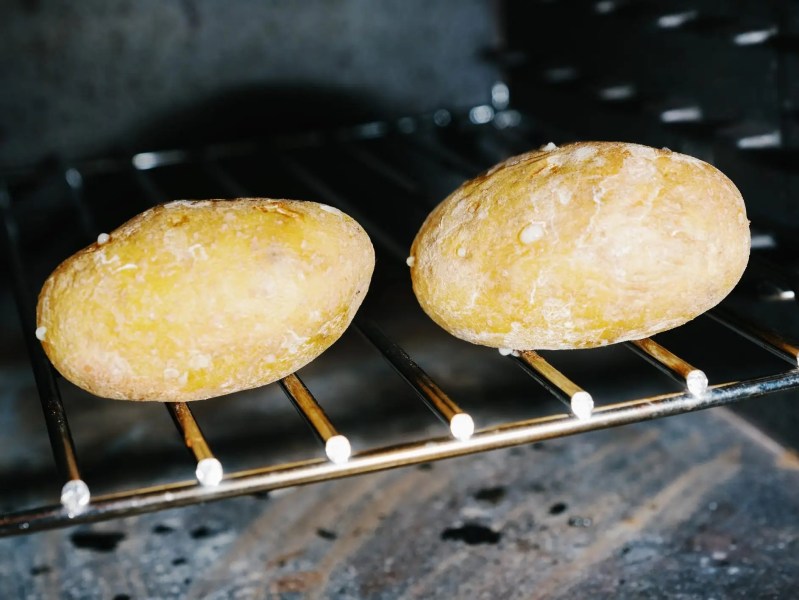
The transformation of a raw potato into a perfectly baked one is governed by a series of chemical and physical reactions. When exposed to dry heat, the potato’s starch granules absorb moisture and swell, a process known as gelatinization. In starchy potatoes, this swelling is more pronounced, leading to the characteristic fluffy interior. Simultaneously, the potato’s natural sugars caramelize on the surface, creating a crisp, golden crust. The skin’s thickness and composition play a crucial role here; thinner skins may crack or burn, while thicker skins provide a protective barrier that enhances flavor development.
Moisture management is equally critical. Potatoes with high water content, such as red or new potatoes, release steam during baking, which can lead to a soggy texture if not properly dried or pricked before cooking. The top potatoes for baking, therefore, are those with a balanced moisture-to-starch ratio, allowing them to absorb heat evenly without becoming waterlogged. Additionally, the potato’s cell structure—composed of tightly packed parenchyma cells—must remain intact to prevent collapse. This is why russets and Yukon Golds excel; their dense cellular structure resists breakdown under heat, ensuring a stable form and satisfying mouthfeel.
Key Benefits and Crucial Impact
The right choice of potato can elevate a baked dish from ordinary to extraordinary, offering a canvas for toppings, seasonings, and sauces that would otherwise fall flat. The best potatoes for baking not only deliver a superior texture but also enhance the nutritional profile of the meal. High-starch potatoes, for instance, are rich in potassium and vitamin C, while their low glycemic index makes them a better choice for sustained energy compared to refined carbohydrates. Beyond health benefits, the sensory experience of biting into a perfectly baked potato—with its crisp skin and buttery interior—is a culinary reward that few other dishes can match.
For professional chefs and home cooks alike, the impact of selecting the right potato extends to efficiency and consistency in the kitchen. A poorly chosen potato can lead to wasted time, uneven cooking, and disappointing results. Conversely, the ideal potatoes for baking ensure that every batch meets expectations, whether serving a crowd or preparing a single, indulgent meal. The ability to control texture and flavor through potato selection is a skill that separates amateur cooks from those who truly understand the art of baking.
"A potato’s worth is measured not just in its size, but in its ability to transform under heat. The best potatoes for baking are those that respect the cook’s effort by delivering a result that’s as close to perfect as nature allows."
— James Beard Award-winning chef, Michael Smith
Major Advantages
- Superior Texture: Starchy potatoes like russets and Yukon Golds develop a fluffy, dry interior and a crisp, caramelized skin, ensuring a satisfying bite in every forkful.
- Flavor Enhancement: The natural sugars in the right potato variety caramelize beautifully, deepening the overall flavor profile and making them more receptive to toppings.
- Versatility: The best potatoes for baking can be dressed in countless ways—from classic butter and sour cream to gourmet truffle oil and chive cream—without compromising their structural integrity.
- Nutritional Value: High-starch potatoes are packed with essential nutrients like potassium, vitamin B6, and fiber, offering a healthier alternative to refined carbs.
- Consistency: Selecting the right potato reduces the risk of uneven cooking, ensuring that every baked potato meets the same high standards, batch after batch.
Comparative Analysis
| Potato Variety | Best Use for Baking |
|---|---|
| Russet Potato | Ideal for classic baked potatoes due to high starch content, crisp skin, and fluffy interior. Best for large batches and hearty toppings. |
| Yukon Gold | Superior for buttery, creamy baked potatoes with a slightly waxy texture. Holds shape well and absorbs flavors beautifully. |
| Kennebec | A balanced choice with medium starch, offering a firm texture and mild flavor. Great for those who prefer a less dry baked potato. |
| Maris Piper | Popular in Europe for its rich, nutty flavor and excellent baking qualities. Develops a crisp skin and moist interior. |
Future Trends and Innovations
The future of baking potatoes lies in genetic innovation and sustainable farming practices. Breeders are developing hybrid varieties that combine the best traits of existing potatoes—high starch for texture, low moisture for crispness, and enhanced flavor profiles—while also focusing on disease resistance and longer shelf life. Climate-smart agriculture is another frontier, with farmers in regions like Idaho and Oregon adopting precision irrigation and soil management techniques to produce potatoes with even more consistent baking qualities. Additionally, the rise of heirloom and organic varieties is driving demand for potatoes that are not only delicious but also grown with minimal environmental impact.
Technological advancements in kitchen equipment may also redefine how we bake potatoes. Infrared ovens, for instance, promise faster cooking times with more even heat distribution, reducing the risk of overcooking or undercooking. Meanwhile, smart cooking devices that monitor internal temperature and adjust heat settings in real time could become standard in professional and home kitchens, ensuring that every baked potato achieves perfection. As consumer preferences shift toward convenience without sacrificing quality, the best potatoes for baking of tomorrow will likely be those that adapt to these innovations while retaining their natural, unadulterated appeal.

Conclusion
The pursuit of the best potatoes for baking is more than a culinary preference—it’s a celebration of science, history, and craftsmanship. From the high-altitude fields of the Andes to the modern test kitchens of chefs worldwide, potatoes have evolved to meet the demands of both tradition and innovation. By understanding the role of starch, moisture, and skin integrity, cooks can make informed choices that result in consistently exceptional baked potatoes. Whether you’re a purist who swears by the Idaho russet or an adventurous eater exploring heirloom varieties, the key to success lies in selecting potatoes that align with your goals for texture, flavor, and presentation.
Ultimately, the best baked potato is one that reflects both the natural qualities of the potato and the skill of the cook. With the right variety, technique, and a touch of creativity, you can transform a simple tuber into a dish that’s as close to perfect as possible. So next time you reach for a potato, remember: the journey to a flawless bake begins with the right choice.
Comprehensive FAQs
Q: What makes a potato ideal for baking?
A: The best potatoes for baking are high in starch (like russets or Yukon Golds) with thick skins and moderate moisture content. These traits ensure a crisp exterior, fluffy interior, and resistance to cracking during cooking.
Q: Can I bake waxy potatoes like red or new potatoes?
A: While possible, waxy potatoes are better suited for boiling or roasting. Their high moisture content can lead to a soggy texture when baked, though they may work in recipes where a creamier, less dry result is desired.
Q: How do I store potatoes for optimal baking results?
A: Store potatoes in a cool, dark, and well-ventilated place (like a pantry) away from onions. Avoid refrigeration, as it converts starch to sugar, altering texture and flavor. Use within a few weeks for the best results.
Q: What’s the best way to prepare potatoes before baking?
A: Scrub thoroughly, prick with a fork to release steam, and pat dry. For extra crispiness, rub with oil or butter before baking. Preheating the oven to 400–425°F (200–220°C) ensures even cooking.
Q: Are organic or heirloom potatoes better for baking?
A: Organic or heirloom potatoes can offer unique flavors and textures, but their baking performance depends on variety. Some, like the Purple Peruvian, have lower starch and may not be ideal. Always check starch content or test a small batch first.
Q: How do I revive a baked potato that’s gone dry?
A: Place the potato in a paper bag with a few ice cubes for 5–10 minutes. The steam will rehydrate the interior slightly. For a richer texture, brush with melted butter or olive oil before reheating.
Q: What’s the difference between baking and roasting potatoes?
A: Baking typically refers to cooking whole, unpeeled potatoes in the oven until tender, while roasting often involves cutting potatoes into smaller pieces and cooking them with oil until crispy. The best potatoes for baking (like russets) may not perform as well when roasted due to their tendency to dry out.
Q: Can I bake potatoes from frozen?
A: Not recommended. Freezing disrupts the potato’s cell structure, leading to uneven cooking and a grainy texture. Always bake fresh potatoes for the best results.
Q: How do I choose the perfect baked potato size?
A: For individual servings, aim for medium-sized potatoes (about 12–18 oz). Larger potatoes may take longer to bake evenly, while smaller ones can dry out faster. Adjust oven time accordingly.
Q: What’s the science behind a potato’s crispy skin?
A: The skin crisps due to caramelization and the Maillard reaction, which occurs when natural sugars and amino acids react under dry heat. Thick-skinned, high-starch potatoes like russets are ideal for this effect.
Leave a Comment
Comments are moderated before appearing. The data you submit is processed according to the Privacy Policy of Medicine.