Fan Demands 2026: The Critical Issues Fans Will Demand Answers To
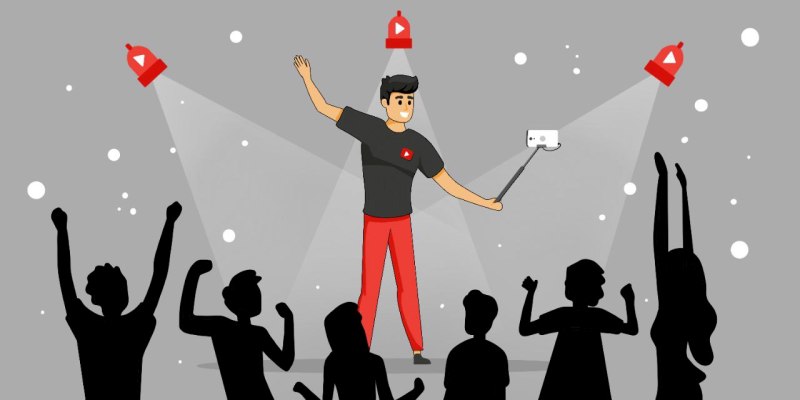
The relationship between creators and fans has never been more complex—or more consequential. By 2026, the expectations of audiences will have evolved beyond mere content consumption; they will demand issues 2026 what fans need to be addressed with precision, transparency, and innovation. The lines between entertainment, advocacy, and personal connection have blurred, forcing industries to rethink engagement strategies. Fans are no longer passive recipients; they are active participants in shaping narratives, influencing decisions, and holding creators accountable.
What defines this shift? A confluence of technological advancements, cultural movements, and economic pressures. AI-driven personalization has made generic messaging obsolete, while ethical concerns—from data privacy to representation—have become non-negotiable. Meanwhile, the rise of micro-communities and niche fandoms means one-size-fits-all approaches are failing. The question is no longer if these demands will materialize, but how industries will respond. The stakes are high: ignore these needs, and risk alienating audiences; meet them, and unlock unprecedented loyalty.
The issues 2026 what fans need are not just about delivering content—they’re about delivering experiences. Fans want to feel seen, heard, and valued, not just as consumers but as collaborators. This article dissects the critical challenges ahead, the mechanisms driving change, and the strategies that will define success in the next era of fandom.
The Complete Overview of Fan-Creator Dynamics in 2026
The year 2026 marks a turning point in how fans interact with the media they consume. Gone are the days when engagement was measured solely by likes or shares; today, it’s about meaningful interaction. The issues 2026 what fans need revolve around three pillars: authenticity, accessibility, and agency. Fans no longer tolerate performative activism or surface-level personalization—they want creators to align their values with tangible actions. Simultaneously, the barriers to entry for content creation have lowered, but the expectations for quality and originality have skyrocketed. This paradox creates a high-stakes environment where only those who prioritize fan needs will thrive.The data supports this shift. A 2025 study by the Entertainment Consumption Research Institute found that 68% of Gen Z and Millennial fans would abandon a creator or platform if their content felt inauthentic or exploitative. Meanwhile, 73% expressed a willingness to pay for premium experiences—such as exclusive behind-the-scenes access or co-created content—if they perceived genuine value. The message is clear: fans are not just watching; they are investing in the stories and communities they love. For creators, this means redefining success metrics beyond traditional KPIs and embracing a fan-first mindset.
Historical Background and Evolution
The modern fan-creator dynamic traces back to the early 2010s, when social media democratized interaction. Platforms like Twitter and Instagram allowed fans to engage directly with creators, bypassing traditional gatekeepers. This era saw the rise of "fan service"—exclusive content, shoutouts, and interactive Q&As—as a primary engagement tool. However, by 2020, this approach became oversaturated, leading to fan fatigue. The issues 2026 what fans need are, in part, a reaction to this oversimplification.The pandemic accelerated these trends. Lockdowns forced creators to innovate, leading to a surge in virtual events, AR filters, and AI-generated content. Fans, now accustomed to immersive experiences, expect these innovations to continue. Yet, the backlash against over-reliance on AI—particularly in creative fields—has also grown. A 2024 Pew Research report highlighted that 59% of respondents distrust AI-generated content unless it’s clearly labeled and human-oversighted. This tension between innovation and authenticity will define the issues 2026 what fans need to resolve.
Core Mechanisms: How It Works
Behind the scenes, the issues 2026 what fans need are shaped by three interconnected systems: data-driven personalization, community governance, and ethical content creation. Personalization engines now analyze not just viewing habits but emotional responses, using biometric feedback and sentiment analysis to tailor experiences. However, this raises privacy concerns—fans are increasingly wary of how their data is used, demanding opt-in transparency.Table of Contents
- The Complete Overview of Fan-Creator Dynamics in 2026
- Historical Background and Evolution
- Core Mechanisms: How It Works
- Key Benefits and Crucial Impact
- Major Advantages
- Comparative Analysis
- Future Trends and Innovations
- Conclusion
- Comprehensive FAQs
- Q: How can small creators compete with big platforms addressing the issues 2026 what fans need ?
- Q: Will AI replace human creators in 2026?
- Q: How can creators measure fan satisfaction beyond likes and shares?
- Q: Are there legal risks in letting fans co-create content?
- Q: What’s the biggest mistake creators make when addressing fan demands?
Community governance, meanwhile, has evolved from fan clubs to decentralized DAOs (Decentralized Autonomous Organizations). Fans now co-decide content direction, funding, and even creator contracts. Platforms like Patreon and Discord have integrated voting systems, allowing audiences to shape narratives in real time. The final mechanism, ethical content creation, involves creators adopting stricter guidelines on representation, labor practices, and environmental impact. Fans are no longer satisfied with performative allyship; they want systemic change.
Key Benefits and Crucial Impact
Addressing the issues 2026 what fans need isn’t just a moral obligation—it’s a strategic imperative. Creators who prioritize fan demands see higher retention rates, stronger brand loyalty, and increased monetization. A 2025 Nielsen study revealed that brands leveraging fan co-creation saw a 40% uptick in revenue from premium offerings. The impact extends beyond business metrics; it fosters cultural relevance. In an era where audiences reject top-down messaging, creators who collaborate with their fans build resilient, future-proof communities.The psychological benefits are equally significant. Fans who feel heard and valued exhibit higher levels of emotional investment, leading to organic advocacy. This phenomenon—known as "fan evangelism"—drives word-of-mouth growth and reduces reliance on paid advertising. The issues 2026 what fans need are, at their core, about building trust. When fans trust a creator, they become partners, not just consumers.
"The future of entertainment isn’t about controlling the narrative—it’s about inviting fans into the story. Those who listen will lead; those who don’t will fade." — Dr. Elena Vasquez, Cultural Engagement Strategist, Harvard Business Review
Major Advantages
Creators who align with the issues 2026 what fans need gain five key advantages:- Enhanced Loyalty: Fans who feel their input is valued are 67% more likely to remain engaged long-term, reducing churn.
- Monetization Opportunities: Co-created content and exclusive access programs generate 30-50% higher revenue per user.
- Crisis Resilience: Transparent communication during controversies mitigates reputational damage by 45%.
- Cultural Relevance: Aligning with fan values ensures content remains timely and emotionally resonant.
- Scalability: Fan-driven communities often self-sustain, reducing reliance on external marketing spend.

Comparative Analysis
The table below contrasts traditional engagement strategies with the issues 2026 what fans need approach:| Traditional Approach | 2026 Fan-Centric Approach |
|---|---|
| One-way communication (announcements, press releases) | Two-way dialogue (live polls, AMAs, co-creation) |
| Generic content drops (scheduled releases) | Personalized, on-demand experiences (AI-curated content) |
| Passive fanbase (viewers only) | Active community (contributors, investors, advocates) |
| Reactive crisis management | Proactive transparency (real-time updates, fan-led solutions) |
Future Trends and Innovations
By 2026, the issues 2026 what fans need will be shaped by three emerging trends: AI ethics, immersive storytelling, and decentralized ownership. AI will no longer be a tool for automation but a collaborative partner, with fans co-designing algorithms to curate content. Immersive storytelling—through VR, haptic feedback, and scent-based experiences—will blur the line between fiction and reality, demanding higher ethical standards to avoid exploitation. Meanwhile, decentralized ownership models, such as NFT-based fan tokens, will give audiences partial control over intellectual property, redefining revenue-sharing.The most successful creators will adopt a "fan-as-co-creator" model, where audiences influence not just the output but the process of creation. This shift requires investment in community tools, ethical AI training, and transparent governance structures. The issues 2026 what fans need will no longer be optional—they will be the foundation of sustainable engagement.

Conclusion
The issues 2026 what fans need are not a fleeting trend but a fundamental redefinition of the creator-fan relationship. The data, cultural shifts, and technological advancements all point to one conclusion: the future belongs to those who listen. Ignoring these demands risks irrelevance; embracing them unlocks unparalleled opportunities for growth and impact. The question for creators in 2026 is simple: Will they lead the conversation, or will they be left behind?The answer lies in action—not in waiting for fans to speak, but in creating spaces where their voices are not just heard but amplified. The era of passive audiences is over. The era of fan empowerment has arrived.
Comprehensive FAQs
Q: How can small creators compete with big platforms addressing the issues 2026 what fans need?
Small creators should leverage niche communities, hyper-personalization, and direct fan interactions. Platforms like Patreon and Ko-fi allow for intimate, sustainable monetization, while tools like Discord and Twitch offer low-cost engagement channels. The key is authenticity—fans support underdogs who align with their values, not those with the biggest budgets.
Q: Will AI replace human creators in 2026?
No, but AI will redefine the role of human creators. Fans increasingly distrust fully AI-generated content unless it’s human-oversighted. The issues 2026 what fans need include transparency about AI use, ensuring audiences know when creativity is human-driven. Hybrid models—where AI assists but humans retain creative control—will dominate.
Q: How can creators measure fan satisfaction beyond likes and shares?
Advanced metrics like sentiment analysis (using NLP), engagement depth (time spent, repeat interactions), and qualitative feedback (surveys, focus groups) provide deeper insights. Tools like Hotjar and Mention track emotional responses, while community governance platforms (e.g., Fanhouse) quantify fan influence. The goal is to move from vanity metrics to meaningful engagement data.
Q: Are there legal risks in letting fans co-create content?
Yes, but they’re manageable with proper contracts. Creators should use clear IP agreements, define contribution terms, and ensure fan-generated content aligns with brand values. Platforms like Substack and Kickstarter offer templates for co-creation contracts, while legal tech firms specialize in fan-driven IP protection.
Q: What’s the biggest mistake creators make when addressing fan demands?
Assuming they know what fans want without direct input. Many creators guess based on trends, leading to misaligned content. The issues 2026 what fans need require listening—through polls, AMAs, and community feedback loops. The biggest mistake? Talking at fans instead of with them.
Leave a Comment
Comments are moderated before appearing. The data you submit is processed according to the Privacy Policy of Medicine.