Unleashing the Beast: How Dire Wolf 5e Dominates D&D Combat

The dire wolf 5e isn’t just another four-legged menace lurking in the shadows of the Forgotten Realms—it’s a tactical nightmare designed to exploit weaknesses in even the most seasoned adventuring parties. With its unnerving pack mentality and brutal physical prowess, this apex predator forces players to rethink their strategies, whether they’re battling a lone hunter or a full horde in the wilderness. Its presence isn’t just about raw damage; it’s about psychological pressure, forcing characters to question every step in terrain as unpredictable as its behavior.
What makes the dire wolf 5e so formidable isn’t its complexity—it’s its simplicity. Unlike creatures burdened by arcane abilities or overloaded stat blocks, the dire wolf thrives on raw aggression, pack coordination, and environmental mastery. A single encounter can turn a routine skirmish into a high-stakes chase, where misplaced trust in a "harmless" forest path becomes a fatal miscalculation. This is why veterans of the game treat it with the same caution as a dragon, despite its lack of breath weapons or magical defenses.
The dire wolf 5e’s reputation isn’t built on hype—it’s earned through decades of tabletop battles where its stats translate seamlessly into real-world consequences. Whether you’re a DM crafting a survival horror scenario or a player desperate to outmaneuver a pack, understanding its mechanics isn’t just useful—it’s essential.
The Complete Overview of Dire Wolf 5e
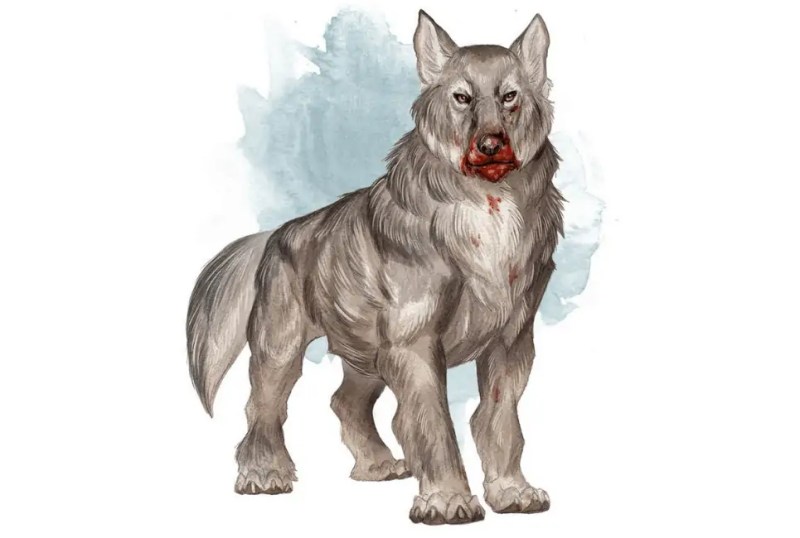
The dire wolf 5e stands as one of the most versatile predators in the Monster Manual, bridging the gap between a standard wolf and a full-fledged combatant. Unlike its smaller counterparts, which rely on stealth or hit-and-run tactics, the dire wolf 5e operates with a mix of brute force and tactical intelligence. Its stat block isn’t just about high damage output—it’s about disrupting formations, exploiting flanks, and turning the tide of battle through sheer persistence. This makes it a favorite for dungeon masters seeking to introduce unpredictability into encounters, whether as a solo ambush predator or as part of a larger pack dynamic.What truly sets the dire wolf 5e apart is its adaptability. It doesn’t require a high-level party to pose a threat; even a single dire wolf can challenge a group of level 1 characters if the terrain and positioning are optimized. Its pack tactics, where multiple wolves coordinate to surround prey, force players to think beyond individual combat—requiring them to consider terrain control, movement speed, and even morale checks. This adaptability ensures that the dire wolf 5e remains relevant across campaigns, from low-level survival scenarios to high-stakes wilderness expeditions.
Historical Background and Evolution
The dire wolf 5e traces its roots back to the earliest iterations of Dungeons & Dragons, where it was introduced as a larger, more aggressive cousin of the common wolf. Over time, its stat block evolved to reflect its role as a predator capable of hunting humanoids, making it a staple in survival-themed adventures. The 5th Edition version refined its mechanics, stripping away unnecessary complexity while enhancing its combat effectiveness. This evolution mirrors the broader trend in D&D 5e toward streamlined, high-impact monsters that demand player engagement without overwhelming the game’s balance.In the lore of the Forgotten Realms, dire wolves are often depicted as solitary hunters or part of nomadic packs that roam the untamed wilderness. Their intelligence and pack mentality make them more than just mindless beasts—they’re strategic adversaries. This depth is reflected in their stat block, where abilities like Pack Tactics and Keen Smell aren’t just flavor text but functional tools that shape encounters. The dire wolf 5e’s design philosophy prioritizes realism, ensuring that its presence feels organic rather than forced.
Core Mechanisms: How It Works
At its core, the dire wolf 5e is a master of ambush tactics, leveraging its speed and pack coordination to overwhelm opponents. Its Pack Tactics trait allows it to gain advantage on attacks if at least one ally is within 5 feet of the target—a mechanic that turns the tide of battle when multiple dire wolves are involved. This ability isn’t just about raw numbers; it’s about forcing players into defensive positions where they’re constantly threatened from multiple angles. The dire wolf’s Keen Smell further enhances its effectiveness, granting it advantage on Wisdom (Perception) checks to track prey, making stealth nearly impossible in open terrain.Table of Contents
- The Complete Overview of Dire Wolf 5e
- Historical Background and Evolution
- Core Mechanisms: How It Works
- Key Benefits and Crucial Impact
- Major Advantages
- Comparative Analysis
- Future Trends and Innovations
- Conclusion
- Comprehensive FAQs
- Q: Can a dire wolf 5e be tamed or used as a mount?
- Q: How does the dire wolf 5e compare to a giant wolf in terms of combat effectiveness?
- Q: Are there any official homebrew variants of the dire wolf 5e?
- Q: How can players effectively counter a pack of dire wolves 5e?
- Q: Can a dire wolf 5e be used in urban or civilized settings?
- Q: What’s the best way to integrate dire wolves 5e into a survival horror campaign?
- Q: Are there any official lore references to dire wolves in the Forgotten Realms?
The dire wolf’s Multiattack feature ensures that it doesn’t rely on a single strike to end an encounter. With two attacks per turn, it can pressure players even if they manage to drop one wolf. Its Bite attack, dealing 2d6 + 2 piercing damage, may seem modest at first glance, but when combined with its Pack Tactics, the cumulative damage becomes significant. Additionally, its Speed of 50 feet allows it to reposition quickly, making it difficult for players to pin it down. This combination of mobility, damage output, and tactical coordination is what makes the dire wolf 5e a formidable opponent in any setting.
Key Benefits and Crucial Impact
The dire wolf 5e isn’t just a stat block—it’s a narrative tool that can elevate an encounter from a simple combat challenge to a full-fledged survival scenario. Its presence forces players to engage with the environment in ways they might not otherwise consider, whether it’s navigating treacherous terrain or using cover to avoid being surrounded. This dynamic interaction is what makes the dire wolf 5e a favorite among dungeon masters who want to create memorable, high-stakes moments without resorting to overpowered creatures.Beyond its tactical advantages, the dire wolf 5e serves as a reminder of the dangers lurking in the wild. Unlike humanoid adversaries, which often have motivations and dialogue, the dire wolf represents an untamed force of nature—one that doesn’t negotiate, doesn’t surrender, and doesn’t care about the party’s quest. This raw, primal threat adds a layer of realism to any campaign, making the world feel more immersive and unpredictable.
"A dire wolf doesn’t just attack—it hunts. And in the hunt, there are no rules, no mercy, and no second chances." — Jeremy Crawford, D&D Designer
Major Advantages
- Pack Coordination: The Pack Tactics trait ensures that multiple dire wolves can overwhelm a party, even if they’re outnumbered. This makes them ideal for ambushes or large-scale encounters.
- High Mobility: With a Speed of 50 feet, dire wolves can reposition quickly, making them difficult to pin down in melee combat.
- Stealth and Tracking: Keen Smell grants advantage on perception checks, making it nearly impossible for players to sneak past a pack without detection.
- Sustainable Damage Output: While individual attacks may not be game-breaking, the cumulative effect of multiple dire wolves dealing 2d6 + 2 piercing damage per hit can quickly deplete hit points.
- Versatility in Encounters: Dire wolves can be used in solo ambushes, large packs, or even as mounts (with the right modifications), making them adaptable to any campaign.

Comparative Analysis
| Stat Block Feature | Dire Wolf 5e vs. Standard Wolf |
|---|---|
| Size and Strength | The dire wolf 5e is significantly larger and stronger, with 2d6 + 2 damage compared to a standard wolf’s 1d4 + 1. |
| Pack Tactics | The dire wolf 5e includes Pack Tactics, allowing allies to grant advantage, whereas standard wolves lack this ability. |
| Speed | Both have a Speed of 50 feet, but the dire wolf’s higher damage output and pack coordination make it far more dangerous. |
| Intelligence and Stealth | The dire wolf 5e has Keen Smell, making it nearly untrackable in open terrain, while standard wolves rely on basic perception. |
Future Trends and Innovations
As Dungeons & Dragons continues to evolve, the dire wolf 5e is likely to remain a staple in monster encounters, particularly in campaigns that emphasize survival and wilderness exploration. Future iterations may see adjustments to its stat block to better balance it against new player classes and spells, but its core mechanics—pack coordination, high mobility, and relentless aggression—will likely endure. Additionally, we may see more creative uses of dire wolves in roleplaying scenarios, such as tamed mounts or even as allies in certain contexts, further expanding their versatility.The dire wolf’s design philosophy—prioritizing simplicity and effectiveness over complexity—aligns with the broader trends in D&D 5e toward accessible yet impactful gameplay. As dungeon masters continue to push the boundaries of encounter design, the dire wolf 5e will remain a go-to choice for creating dynamic, unpredictable challenges that test a party’s adaptability and resilience.
Conclusion
The dire wolf 5e is more than just a monster—it’s a reflection of the untamed wilds that define much of the Dungeons & Dragons world. Its ability to disrupt plans, exploit weaknesses, and force players into reactive gameplay makes it one of the most effective predators in the Monster Manual. Whether used as a solo ambush predator or as part of a larger pack, its presence ensures that no encounter is ever predictable.For dungeon masters, the dire wolf 5e offers a tool to introduce tension and danger without overwhelming the game’s balance. For players, it serves as a reminder that the world is filled with threats that demand respect and strategy. In an era where many monsters rely on complex abilities or high-level mechanics, the dire wolf 5e stands out for its raw, unfiltered effectiveness—a true testament to the power of simplicity in design.
Comprehensive FAQs
Q: Can a dire wolf 5e be tamed or used as a mount?
A: While the Monster Manual doesn’t explicitly state that dire wolves can be tamed, some homebrew rules and supplements (like Volo’s Guide to Monsters) suggest that they can be trained under specific conditions. However, their aggressive nature makes them unreliable mounts compared to more docile creatures like horses.
Q: How does the dire wolf 5e compare to a giant wolf in terms of combat effectiveness?
A: The dire wolf 5e is generally more dangerous due to its Pack Tactics ability and higher damage output (2d6 + 2 vs. a giant wolf’s 2d6). While a giant wolf may have slightly better statistics in some editions, the dire wolf’s pack coordination makes it far more threatening in group encounters.
Q: Are there any official homebrew variants of the dire wolf 5e?
A: While there aren’t official variants in core rulebooks, some third-party sources and DMs have created modified versions, such as dire wolf druid companions or winter dire wolves with additional cold resistance. These variants often tweak abilities like Keen Smell or add environmental adaptations.
Q: How can players effectively counter a pack of dire wolves 5e?
A: The best strategies include terrain control (using cover to limit their advantage), area denial (forcing them into chokepoints), and fire-based attacks (since they lack natural resistances). Ranged attackers should focus on picking off stragglers, while melee fighters should avoid being surrounded.
Q: Can a dire wolf 5e be used in urban or civilized settings?
A: While dire wolves are primarily wilderness predators, some campaigns have used them in urban settings as feral beasts or as part of a larger horror scenario. However, their presence in cities would likely draw significant attention, making them less practical for long-term encounters.
Q: What’s the best way to integrate dire wolves 5e into a survival horror campaign?
A: To maximize tension, use dire wolves in ambush scenarios, tracking challenges, and resource scarcity (e.g., limited food forcing characters to risk hunting near their lairs). Their Keen Smell makes stealth nearly impossible, forcing players to rely on misdirection and environmental awareness.
Q: Are there any official lore references to dire wolves in the Forgotten Realms?
A: Yes. In Forgotten Realms lore, dire wolves are often associated with the Fealands and Wild Tracklands, where they roam as solitary hunters or in small packs. Some legends even depict them as messengers of Lliira, the goddess of the hunt.
Leave a Comment
Comments are moderated before appearing. The data you submit is processed according to the Privacy Policy of Medicine.