Navigating Dublin, California’s Sales Tax: The Definitive Guide
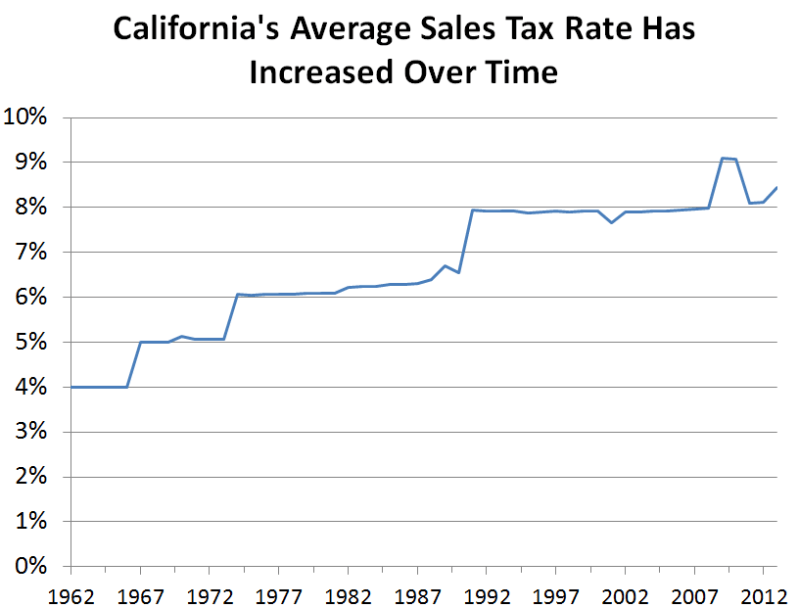
Dublin, California, a city thriving at the intersection of Silicon Valley’s tech boom and Alameda County’s suburban charm, operates under a sales tax regime that blends state, county, and city levies. Unlike larger urban centers, Dublin’s tax structure reflects its unique position as a planned community—where economic growth and fiscal policy walk hand in hand. Businesses and residents alike must navigate a system where rates fluctuate based on transaction type, location, and exemptions, making a guide to Dublin, California sales tax not just informative but essential for compliance and financial planning.
The city’s sales tax landscape is shaped by its proximity to Oakland and San Jose, yet Dublin maintains distinct fiscal boundaries. With a mix of general sales tax, special district levies, and potential future adjustments, understanding these layers is critical for avoiding audits or underpayments. For entrepreneurs eyeing Dublin’s booming retail and tech sectors, or homeowners considering property-related transactions, the nuances of local tax obligations can mean the difference between seamless operations and costly missteps.
Dublin’s tax framework also tells a story of deliberate municipal strategy. As a city designed for efficiency, its tax policies often prioritize infrastructure and services that cater to a population skewed toward high-income professionals. This focus on targeted funding—whether for schools, public safety, or transit—demonstrates how sales tax revenue directly influences quality of life. For those unfamiliar with California’s layered tax system, the interplay between state-mandated rates and Dublin’s additional levies can be perplexing. This guide demystifies the process, ensuring clarity for both seasoned operators and newcomers.
The Complete Overview of Dublin, California Sales Tax
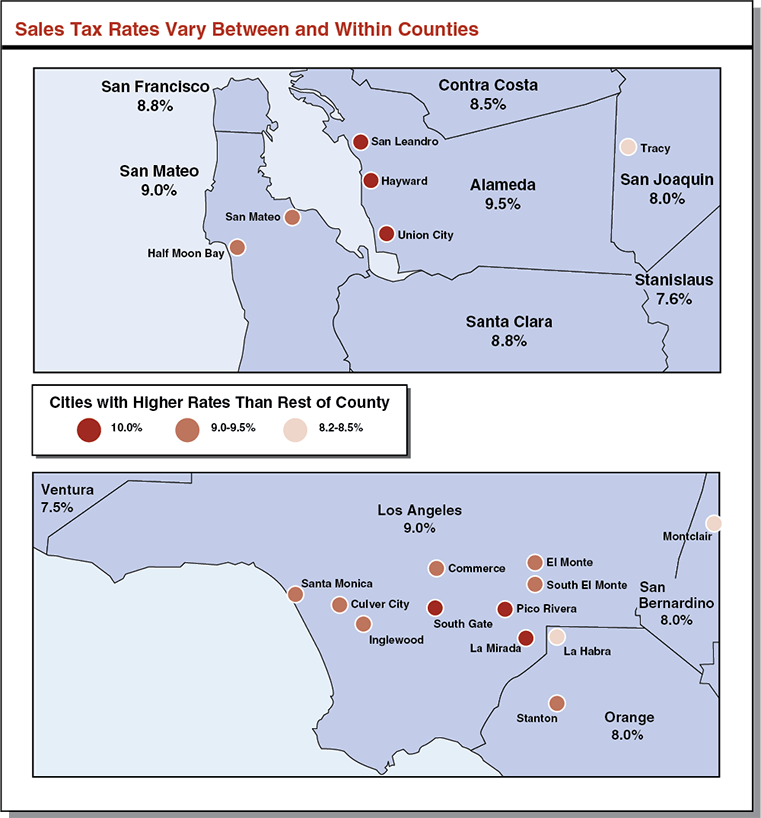
Dublin’s sales tax structure is a tiered system where the state of California sets the baseline, Alameda County adds its own surcharge, and the city of Dublin imposes additional rates for local services. As of 2024, the combined sales tax rate in Dublin, California typically ranges between 8.75% and 9.25%, depending on the type of transaction and applicable exemptions. This includes:The city’s ability to adjust its rate—within state limits—reflects its proactive approach to funding growth. For example, Dublin has historically used sales tax increments to support its award-winning schools and expanding public transit options, such as the Dublin/Pleasanton BART Extension. This flexibility, however, requires businesses to stay vigilant about rate changes, which can occur annually or in response to voter-approved measures.
Understanding these layers is particularly crucial for businesses with operations spanning multiple jurisdictions. A tech startup with a Dublin office but remote employees in San Francisco, for instance, must account for differing tax obligations when processing payroll or purchasing equipment. Similarly, consumers making large purchases—such as vehicles or real estate—may encounter additional taxes or fees that aren’t immediately obvious. The guide to Dublin, California sales tax serves as a compass for these complexities, ensuring all parties adhere to legal requirements while optimizing their fiscal strategy.
Historical Background and Evolution
Dublin’s sales tax system traces its roots to California’s broader tax reforms of the late 20th century, particularly the 1978 passage of Proposition 13, which capped property taxes and shifted reliance toward sales and use taxes. As a newly incorporated city in 1982, Dublin initially adopted the state’s standard rate but quickly recognized the need for additional revenue to fund its rapid development. The city’s first local sales tax measure, approved by voters in 1990, set a precedent for future increases tied to specific public improvements.Table of Contents
- The Complete Overview of Dublin, California Sales Tax
- Historical Background and Evolution
- Core Mechanisms: How It Works
- Key Benefits and Crucial Impact
- Major Advantages
- Comparative Analysis
- Future Trends and Innovations
- Conclusion
- Comprehensive FAQs
- Q: What is the current sales tax rate in Dublin, California?
- Q: How do I determine the correct sales tax rate for my business?
- Q: Are there any exemptions to Dublin’s sales tax?
- Q: When are sales tax returns due in Dublin?
- Q: How does Dublin’s sales tax compare to neighboring cities?
- Q: Can Dublin increase its sales tax rate without voter approval?
- Q: What happens if I underpay Dublin’s sales tax?
- Q: Are there special districts in Dublin with unique tax rates?
- Q: How can I stay updated on Dublin’s sales tax changes?
The evolution of Dublin’s tax policy mirrors its growth trajectory. In the 1990s, as tech companies began establishing footholds in the region, Dublin’s sales tax was incrementally raised to support infrastructure projects like the Dublin City Center and the expansion of Pleasanton Airport. A turning point came in 2006 with the passage of Measure J, which authorized a temporary 0.5% increase to fund school programs and transportation. This measure was later extended and modified, demonstrating how Dublin’s tax policy adapts to community needs. More recently, the city has explored dedicated sales tax allocations for affordable housing and environmental initiatives, aligning with broader California trends toward targeted funding.
The historical context is critical because it explains why Dublin’s rates may differ from neighboring cities like Pleasanton or San Ramon. For example, while Pleasanton also levies a local sales tax, its allocation priorities—such as police and fire services—create distinct fiscal landscapes. Dublin’s approach, with its emphasis on education and transit, reflects a deliberate choice to invest in long-term community assets. This history underscores the importance of consulting a Dublin, California sales tax guide when planning business expansions or major purchases, as past measures can foreshadow future adjustments.
Core Mechanisms: How It Works
At its core, Dublin’s sales tax operates on a destination-based principle, meaning the tax rate applied is determined by the location where the sale occurs—not the seller’s or buyer’s residence. This rule is particularly relevant for online retailers or businesses with multi-state operations. For instance, a Dublin-based e-commerce company selling to a customer in San Jose must charge the Dublin sales tax rate, not San Jose’s. This mechanism ensures revenue flows to the jurisdiction where the economic activity takes place, preventing tax competition between cities.The collection and remittance process involves several key steps:
1. Tax Calculation: Sellers must determine the applicable rate by identifying the transaction’s location (e.g., in-store purchases use the city’s rate; remote sales may require a county or state rate).
2. Exemption Handling: Certain transactions—such as sales to government entities, nonprofit organizations, or agricultural equipment—may qualify for exemptions or reduced rates.
3. Filing and Remittance: Businesses must file returns with the California Department of Tax and Fee Administration (CDTFA) and, if applicable, the Alameda County Tax Collector’s Office. Dublin’s local tax is typically remitted through the county’s system, though direct filings may be required for specific districts.
4. Audits and Compliance: The CDTFA conducts periodic audits to ensure accuracy, with penalties for underreporting or late filings.
For businesses, the complexity lies in maintaining accurate records and staying updated on rate changes. Dublin’s city council may adjust rates annually, and special districts (e.g., for transportation or parks) can add layers of complexity. A Dublin, California sales tax guide simplifies this process by outlining current rates, exemption criteria, and filing deadlines, reducing the risk of non-compliance.
Key Benefits and Crucial Impact
The sales tax system in Dublin is more than a revenue generator—it’s a tool for shaping the city’s future. By funneling funds into education, infrastructure, and public services, the tax structure directly enhances Dublin’s appeal as a place to live and do business. For residents, this means access to top-rated schools, low crime rates, and modern amenities like the Dublin City Center Park. For businesses, the stability of a well-funded community translates to a skilled workforce and a high quality of life for employees, which are critical for retention and growth.The economic impact is equally significant. Dublin’s sales tax revenue has historically supported job creation by funding projects like the Dublin Tech Center and partnerships with institutions such as the University of California, Berkeley. The city’s proactive tax policy also attracts investment by demonstrating fiscal responsibility. For example, the allocation of sales tax funds to expand BART service has increased Dublin’s connectivity, making it a more attractive hub for commuters and businesses alike.
> "A city’s sales tax isn’t just about collecting money—it’s about investing in the conditions that make a community thrive. Dublin’s approach shows how local taxes can be a force for progress, not just a burden." — Alameda County Tax Collector’s Office, 2023 Annual Report
Major Advantages
- Targeted Funding for Growth: Dublin’s sales tax is often earmarked for high-impact projects like schools, transit, and technology infrastructure, ensuring revenue directly benefits the community’s long-term prosperity.
- Competitive Business Environment: By maintaining a stable tax structure, Dublin attracts businesses that rely on predictable fiscal policies, fostering economic diversity from tech startups to retail chains.
- Exemption Flexibility: The system includes provisions for nonprofits, agricultural sales, and manufacturing equipment, reducing the tax burden on key industries that drive local employment.
- Transparency and Accountability: Dublin’s city council provides annual reports detailing how sales tax funds are allocated, building trust with taxpayers and businesses alike.
- Adaptability to Market Changes: The ability to adjust rates via voter-approved measures allows Dublin to respond to economic shifts, such as the rise of remote work or new industrial developments.

Comparative Analysis
| Dublin, California | Nearby Cities (Pleasanton/San Ramon) |
|---|---|
| Combined Rate: 8.75%–9.25% (varies by district) | Pleasanton: ~8.625%; San Ramon: ~8.75% |
| Primary Allocations: Schools (40%), Transit (25%), Public Safety (20%) | Pleasanton: Schools (35%), Parks (25%); San Ramon: General Fund (40%), Infrastructure (30%) |
| Exemptions: Agricultural equipment, manufacturing tools, nonprofit sales | Pleasanton/San Ramon: Similar exemptions, but San Ramon includes additional tech equipment exemptions |
| Future Trends: Potential increases for affordable housing; focus on remote-worker tax incentives | Pleasanton: Emphasis on senior services; San Ramon: Tech-sector subsidies |
Future Trends and Innovations
Dublin’s sales tax policy is poised for evolution, driven by demographic shifts and technological advancements. One emerging trend is the integration of remote-worker tax policies, as the city seeks to retain professionals who may no longer commute daily. Initiatives to offer tax incentives for hybrid work arrangements could reshape Dublin’s revenue model, particularly as companies adopt flexible schedules. Additionally, the city may explore dedicated funding streams for affordable housing, addressing the growing demand for middle-income housing in a high-cost region.Innovation in tax administration is also on the horizon. Dublin could adopt real-time sales tax reporting systems, leveraging AI to automate compliance and reduce human error. Pilot programs for dynamic rate adjustments—where taxes fluctuate based on economic indicators—might emerge, though these would require careful voter approval. For businesses, staying ahead of these trends means monitoring legislative updates and consulting a Dublin, California sales tax guide for proactive adjustments to pricing and operations.
Conclusion
Dublin’s sales tax system is a testament to the city’s ability to balance fiscal responsibility with community investment. For businesses, understanding the nuances—from rate variations to exemption rules—is non-negotiable for compliance and profitability. For residents, the tax structure underpins the quality of life that makes Dublin a desirable place to live. As the city continues to grow, its approach to sales tax will remain a critical factor in shaping its future, whether through infrastructure projects, tech-sector support, or housing initiatives.The key takeaway is that Dublin’s sales tax is not a static obligation but a dynamic tool for progress. By leveraging resources like a Dublin, California sales tax guide, stakeholders can navigate the system with confidence, ensuring their contributions align with the city’s vision for sustainability and innovation.
Comprehensive FAQs
Q: What is the current sales tax rate in Dublin, California?
A: As of 2024, Dublin’s combined sales tax rate typically ranges from 8.75% to 9.25%, including state (7.25%), county (1.00%), and city (0.75%–1.25%) components. Rates may vary for specific districts or voter-approved measures.
Q: How do I determine the correct sales tax rate for my business?
A: Use the destination-based rule: Apply Dublin’s rate if the sale occurs within city limits, regardless of the buyer’s or seller’s location. For online sales, check the billing address. Consult the California Department of Tax and Fee Administration for tools to verify rates.
Q: Are there any exemptions to Dublin’s sales tax?
A: Yes. Common exemptions include sales to government entities, nonprofit organizations, agricultural equipment, and manufacturing tools. Resale certificates may also apply for wholesale transactions. Always verify with the Alameda County Tax Collector before claiming exemptions.
Q: When are sales tax returns due in Dublin?
A: Businesses must file returns monthly, quarterly, or annually, depending on sales volume. Monthly filers are due on the 20th of the following month; quarterly filers on the last day of the month following the quarter. Late filings incur penalties. Use the CDTFA’s filing schedule for specifics.
Q: How does Dublin’s sales tax compare to neighboring cities?
A: Dublin’s rate (~8.75%–9.25%) is slightly higher than Pleasanton (~8.625%) but comparable to San Ramon (~8.75%). However, Dublin allocates a larger portion to schools and transit, while Pleasanton focuses more on parks and San Ramon on general infrastructure. Always cross-reference with a Dublin, California sales tax guide for updates.
Q: Can Dublin increase its sales tax rate without voter approval?
A: No. Any increase to Dublin’s local sales tax rate requires approval via a citywide ballot measure. The state allows cities to adjust rates within limits, but changes must be democratically validated. Past increases, such as Measure J, demonstrate this process.
Q: What happens if I underpay Dublin’s sales tax?
A: Underpayment triggers penalties and interest, calculated based on the unpaid amount and duration. The CDTFA may also conduct audits, leading to additional fines or legal action. Maintaining accurate records and consulting a Dublin, California sales tax guide can mitigate risks.
Q: Are there special districts in Dublin with unique tax rates?
A: Yes. Certain areas, such as those served by the Dublin San Ramon Services District (DSRSD), may have additional levies for services like water or waste management. Always confirm the applicable rate for transactions in these zones.
Q: How can I stay updated on Dublin’s sales tax changes?
A: Subscribe to notifications from the Dublin City Council, follow the Alameda County Tax Collector, and review the CDTFA’s tax rate lookup tool. A Dublin, California sales tax guide should also include links to official resources.
Leave a Comment
Comments are moderated before appearing. The data you submit is processed according to the Privacy Policy of Medicine.