The Strongest Dog Breeds on Earth: What Is the Strongest Dog in the World?
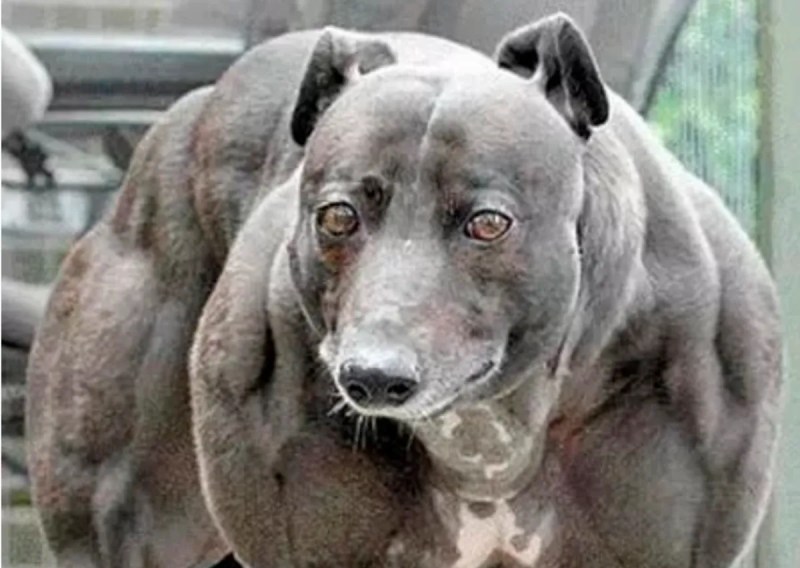
When discussing what is the strongest dog in the world, the conversation inevitably circles back to breeds engineered for brute force, endurance, and unyielding loyalty. These dogs weren’t bred for companionship alone—they were forged in the crucible of necessity, whether pulling sleds across Arctic tundras, guarding livestock from predators, or hauling tons of weight in war zones. Their strength isn’t just a matter of muscle; it’s a fusion of genetics, conditioning, and purpose. Yet, defining "strongest" requires more than raw numbers. Is it the dog that can drag a cart twice its weight? The one that can overpower a wolf? Or the breed that combines power with intelligence to outmaneuver threats? The answer lies in understanding the roles these dogs were born to fulfill—and the science behind their physical and mental fortitude.
The question of what is the strongest dog in the world has been debated for centuries, but modern science and historical records provide clearer answers. Breeds like the Cane Corso, Mastiff, and Siberian Husky dominate discussions, yet each excels in different domains. A Cane Corso might be the apex predator in a controlled environment, while a Siberian Husky’s endurance in subzero temperatures redefines stamina. The confusion often stems from conflating strength with size, speed, or aggression. True strength in canines is a multifaceted trait: it includes pulling power, bite force, sheer muscle mass, and the ability to sustain physical exertion. Even within a single breed, individual variations exist—some dogs are built like tanks, others like sprinters. The key is recognizing that what is the strongest dog in the world depends entirely on the context: whether you’re measuring raw power, working capacity, or combat prowess.
The Complete Overview of What Is the Strongest Dog in the World
The debate over what is the strongest dog in the world is less about absolute dominance and more about specialization. No single breed holds every title—just as a lion is the king of the savanna but not the fastest runner, the strongest dog varies by function. Historically, humans have relied on canines for labor, protection, and survival, and the breeds that emerged from these roles often share common traits: thick coats for insulation, dense bone structure for durability, and a deep chest for lung capacity. Modern genetics and veterinary science have refined our understanding of these traits, revealing that strength in dogs is as much about biomechanics as it is about instinct. For instance, the Siberian Husky’s ability to pull sleds for hundreds of miles isn’t just about muscle—it’s about efficient energy use, a trait honed over millennia by Arctic indigenous peoples.What sets the strongest dogs apart is their ability to combine physical power with mental resilience. A dog like the Great Dane may dwarf others in size, but its strength is often tempered by a more docile temperament. In contrast, breeds such as the Rhodesian Ridgeback or the Dogo Argentino were bred to hunt large game, requiring both brute force and strategic aggression. The answer to what is the strongest dog in the world thus hinges on defining "strength" beyond mere weight. Is it the dog that can overpower a bear? The one that can outlast a marathon runner? Or the breed that can perform under extreme conditions? The truth is that the title is fluid, depending on whether you’re evaluating raw power, endurance, or combat effectiveness.
Historical Background and Evolution
The origins of what is the strongest dog in the world can be traced back to ancient civilizations where canines were indispensable. The Molosser-type dogs, ancestors of modern Mastiffs, were revered in Mesopotamia and Egypt as guardians and war dogs. These early breeds were larger than their wild counterparts, suggesting selective breeding for size and strength. By the time of the Roman Empire, dogs like the Alaunt (a precursor to the Bullmastiff) were used to hunt boar and protect livestock, their sheer size and courage making them formidable. Fast-forward to the Middle Ages, and breeds like the Irish Wolfhound were bred to hunt wolves, their speed and endurance allowing them to outmaneuver prey in open terrain. These historical roles shaped the genetic blueprint of today’s strongest dogs, prioritizing traits like bone density, muscle mass, and a fearless disposition.The industrial revolution and the rise of modern warfare further refined the criteria for what is the strongest dog in the world. During World War I and II, breeds like the Belgian Malinois and the German Shepherd were deployed for their strength, agility, and trainability. Meanwhile, in colder climates, the Siberian Husky and Alaskan Malamute became essential for sled-pulling, their endurance and teamwork capabilities unmatched. The 20th century also saw the rise of working dogs in law enforcement and search-and-rescue roles, where breeds like the Rottweiler and Doberman Pinscher were prized for their strength and obedience. Today, the strongest dogs are no longer just products of natural selection—they are the result of centuries of deliberate breeding, where humans have fine-tuned their physical and mental attributes to meet specific demands.
Core Mechanisms: How It Works
Understanding what is the strongest dog in the world requires dissecting the biological and mechanical factors that contribute to their power. At the most basic level, strength in dogs is determined by muscle fiber composition, bone density, and cardiovascular efficiency. Breeds like the Mastiff and Cane Corso have a higher proportion of Type II muscle fibers, which are responsible for explosive strength and short bursts of power. Their skeletal structure is also uniquely adapted—thick, dense bones allow them to withstand immense force without breaking, a critical trait for dogs used in combat or protection roles. For example, a Mastiff’s bite force can exceed 500 psi, nearly twice that of a German Shepherd, making it one of the most powerful bites in the canine world.Yet, strength isn’t solely about brute force. Endurance, another critical component, is governed by a dog’s respiratory and circulatory systems. Breeds like the Siberian Husky have a larger lung capacity relative to their body size, enabling them to sustain prolonged physical activity. Their double coat also insulates against extreme temperatures, allowing them to work for hours in freezing conditions. Additionally, the strongest dogs often exhibit a high pain tolerance and a strong prey drive, traits that were historically essential for survival. Modern science has further enhanced our ability to assess these traits through genetic testing, which can identify markers for muscle development, stamina, and even aggression levels. This precision breeding ensures that today’s strongest dogs are not just powerful but also optimized for their specific roles.
Key Benefits and Crucial Impact
The question of what is the strongest dog in the world isn’t merely academic—it has practical implications across industries, from agriculture to military operations. Historically, these dogs have been the backbone of human labor, pulling plows, herding livestock, and even serving as living shields in battle. In contemporary settings, their strength translates into roles like police work, search-and-rescue missions, and therapy for individuals with disabilities. The economic and social impact of these breeds is immeasurable; without them, many modern conveniences—from medical detection to disaster response—would be far less efficient. Their presence in human societies also reflects a deeper cultural significance, symbolizing loyalty, protection, and companionship.Table of Contents
- The Complete Overview of What Is the Strongest Dog in the World
- Historical Background and Evolution
- Core Mechanisms: How It Works
- Key Benefits and Crucial Impact
- Major Advantages
- Comparative Analysis
- Future Trends and Innovations
- Conclusion
- Comprehensive FAQs
- Q: What is the strongest dog breed based on pure muscle mass?
- Q: Can a smaller dog be considered one of the strongest?
- Q: How does bite force correlate with overall strength?
- Q: Are there any extinct or historical dogs that were stronger than modern breeds?
- Q: How do climate and environment affect a dog’s strength?
- Q: Can strength be improved through training, or is it purely genetic?
- Q: What is the strongest dog in the world for personal protection?
- Q: How does age affect a dog’s strength?
- Q: Are there any health risks associated with breeding for extreme strength?
- Q: Can mixed-breed dogs be as strong as purebreds?
What makes the strongest dogs truly exceptional is their adaptability. A breed like the Belgian Malinois, for instance, can transition from a high-energy working dog to a devoted family pet with proper training. This duality underscores their intelligence and versatility, traits that are often overlooked in discussions about raw power. The strongest dogs also serve as a bridge between human and animal worlds, demonstrating the profound bond that can exist between species when built on mutual respect and purpose.
"Strength in dogs, as in humans, is not just about the body—it’s about the spirit. The strongest dogs are those that combine physical power with an unbreakable will, a trait that has been honed over thousands of years of partnership with humanity." — Dr. Elizabeth Fraser, Canine Biomechanics Specialist, University of Edinburgh
Major Advantages
When evaluating what is the strongest dog in the world, several key advantages emerge that define their superiority in specific domains:- Unmatched Pulling Power: Breeds like the Siberian Husky and Alaskan Malamute can pull sleds weighing over 1,000 pounds for miles, a feat that requires a combination of muscle mass, endurance, and teamwork. Their ability to distribute weight evenly across their bodies minimizes strain, allowing them to maintain speed and stamina.
- Exceptional Bite Force: The strongest dogs, such as the Cane Corso and Mastiff, possess bite forces exceeding 500 psi. This power is not just for show—it’s a critical tool for protection, hunting, and even medical tasks like opening doors for disabled individuals.
- High Pain Tolerance: Working dogs, particularly those in military or police roles, often endure extreme physical stress. Breeds like the Rottweiler and Doberman Pinscher are known for their ability to push through pain, a trait that makes them invaluable in high-risk situations.
- Adaptability to Extreme Conditions: Arctic breeds like the Husky thrive in temperatures below -40°F, while desert breeds like the Rhodesian Ridgeback can withstand scorching heat. Their physiological adaptations allow them to perform optimally in environments that would debilitate lesser dogs.
- Intelligence and Trainability: Strength alone is meaningless without the ability to follow commands. The strongest dogs often rank among the most intelligent breeds, such as the Border Collie and German Shepherd, which can be trained for complex tasks requiring both physical and mental prowess.

Comparative Analysis
To truly answer what is the strongest dog in the world, it’s essential to compare the top contenders across key metrics. Below is a breakdown of four of the most powerful breeds, evaluated for their pulling strength, bite force, endurance, and combat effectiveness:| Breed | Key Strength Metrics |
|---|---|
| Siberian Husky |
|
| Cane Corso |
|
| Mastiff |
|
| Rhodesian Ridgeback |
|
Future Trends and Innovations
The evolution of what is the strongest dog in the world is far from over. Advances in genetic research are allowing breeders to enhance specific traits—such as muscle density or pain tolerance—with greater precision. CRISPR technology, for instance, could soon enable the modification of genes linked to canine strength, potentially creating dogs with even greater endurance or resistance to injury. However, ethical concerns loom large, particularly regarding the welfare of animals subjected to extreme breeding practices. The future may also see a shift toward hybrid breeds, combining the strengths of multiple lineages to create dogs optimized for niche roles, such as disaster response or medical assistance.Another emerging trend is the integration of technology with canine strength. Wearable devices that monitor a dog’s vital signs in real-time could revolutionize training and performance tracking, ensuring that working dogs operate at peak efficiency without overexertion. Additionally, the rise of AI-driven training programs may allow handlers to push the limits of a dog’s physical and mental capabilities more safely. As climate change alters traditional working environments—such as melting Arctic ice affecting sled-pulling routes—breeds may need to adapt to new challenges, potentially leading to the development of "climate-resistant" strong dogs. The question of what is the strongest dog in the world will continue to evolve, shaped by both scientific innovation and the ever-changing needs of human societies.

Conclusion
The search for what is the strongest dog in the world reveals more than just a ranking of breeds—it exposes the intricate relationship between humans and animals, one built on mutual evolution. From the battlefields of ancient Rome to the search-and-rescue teams of modern cities, these dogs have been indispensable partners, their strength serving as a testament to the power of selective breeding and human ingenuity. Yet, their true value lies not in their physical capabilities alone but in their ability to adapt, learn, and bond with their handlers. As we look to the future, the strongest dogs will likely be those that can balance raw power with intelligence, resilience, and a deep connection to their human counterparts.Ultimately, the answer to what is the strongest dog in the world depends on the lens through which you view it. Is it the dog that can outpull a team of horses? The one that can stand its ground against a bear? Or the breed that can outlast a marathon? The truth is that strength is a spectrum, and the strongest dogs are those that excel in their designated roles. Whether they are guarding a flock, saving lives in rubble, or simply providing companionship, these canines embody the perfect marriage of power and purpose—a legacy that spans millennia and continues to shape our world today.
Comprehensive FAQs
Q: What is the strongest dog breed based on pure muscle mass?
A: The English Mastiff and Cane Corso are often cited as the strongest in terms of muscle mass and overall size. The Mastiff, in particular, can weigh over 200 pounds and possesses a dense, powerful build optimized for protection and pulling heavy loads. However, muscle mass alone doesn’t define strength—endurance and functional power (like pulling or biting) are equally critical.
Q: Can a smaller dog be considered one of the strongest?
A: Yes, but "strength" is contextual. Breeds like the Jack Russell Terrier or Border Collie may not match the sheer size of a Mastiff, but their strength lies in agility, stamina, and intelligence. For example, a Border Collie’s ability to herd livestock for hours demonstrates a different kind of strength—one that combines speed, endurance, and mental acuity. In working roles, smaller dogs often outperform larger ones due to their adaptability.
Q: How does bite force correlate with overall strength?
A: Bite force is a partial indicator of strength, but it’s not the sole determinant. A dog with a powerful bite (e.g., Cane Corso at 700 psi) may excel in protection or hunting, but it doesn’t necessarily mean it can pull heavy loads or endure long distances. Bite force is more relevant for combat or grip-based tasks, while pulling strength depends on muscle distribution, bone density, and cardiovascular health.
Q: Are there any extinct or historical dogs that were stronger than modern breeds?
A: Historical records suggest that some ancient breeds, such as the Alano Español (a Spanish mastiff) or the Tibetan Mastiff, were bred for extreme strength and aggression. These dogs were often larger and more muscular than their modern counterparts, but their exact physical capabilities are difficult to quantify without genetic or archaeological data. Modern breeds benefit from selective breeding techniques that ancient cultures lacked, making today’s strongest dogs more refined in specific roles.
Q: How do climate and environment affect a dog’s strength?
A: Climate plays a critical role in determining a dog’s functional strength. For instance, Arctic breeds like the Siberian Husky are built for endurance in freezing temperatures, while desert breeds like the Rhodesian Ridgeback thrive in heat. A Husky’s strength is measured in its ability to pull sleds for miles in subzero conditions, whereas a Ridgeback’s strength is in its stamina for tracking game in the sun. Breeds not adapted to extreme climates may lose efficiency or risk injury when pushed beyond their environmental limits.
Q: Can strength be improved through training, or is it purely genetic?
A: While genetics set the foundation, training and conditioning can significantly enhance a dog’s functional strength. For example, a Belgian Malinois used in police work undergoes rigorous physical and mental conditioning to maximize its strength, speed, and obedience. However, genetic limitations remain—no amount of training can turn a small breed into a pulling powerhouse. The strongest dogs are those that combine natural genetic advantages with disciplined training tailored to their breed’s capabilities.
Q: What is the strongest dog in the world for personal protection?
A: For personal protection, breeds like the Cane Corso, Dogo Argentino, and Rottweiler are often recommended due to their size, bite force, and natural guarding instincts. The Cane Corso, in particular, is renowned for its ability to deter threats while remaining loyal to its family. However, protection strength isn’t just about aggression—it also requires intelligence, trainability, and a stable temperament to avoid unnecessary conflict.
Q: How does age affect a dog’s strength?
A: A dog’s strength peaks during adulthood (2-5 years), after which it gradually declines due to muscle atrophy, joint wear, and reduced stamina. Puppies may have bursts of energy but lack the muscle mass and coordination of adults. Senior dogs (7+ years) often struggle with mobility and endurance, though some breeds maintain functional strength longer than others. Proper nutrition, exercise, and veterinary care can mitigate age-related strength loss, but genetic predispositions play a role—working breeds typically age more gracefully than those bred purely for size.
Q: Are there any health risks associated with breeding for extreme strength?
A: Yes, selective breeding for extreme strength can lead to genetic disorders, joint problems (e.g., hip dysplasia in Mastiffs), and shortened lifespans. Breeds with exaggerated traits—such as massive heads or deep chests—often suffer from breathing difficulties or mobility issues. Ethical breeders prioritize health over extreme size, but the demand for "stronger" dogs can sometimes overshadow welfare concerns. Responsible ownership and genetic testing are essential to mitigating these risks.
Q: Can mixed-breed dogs be as strong as purebreds?
A: Absolutely. Mixed-breed dogs often inherit the best traits from multiple lineages, potentially resulting in a more balanced and robust build. For example, a mix of a German Shepherd and Husky might combine the Shepherd’s strength with the Husky’s endurance. However, predicting strength in mixed breeds is less precise than in purebreds, where genetic lines are well-documented. Working with a knowledgeable breeder or rescue organization can help identify mixed-breed dogs with strong potential.
Leave a Comment
Comments are moderated before appearing. The data you submit is processed according to the Privacy Policy of Medicine.