The Silent Shift: How Discreet Digital-First Health Is Redefining Wellness
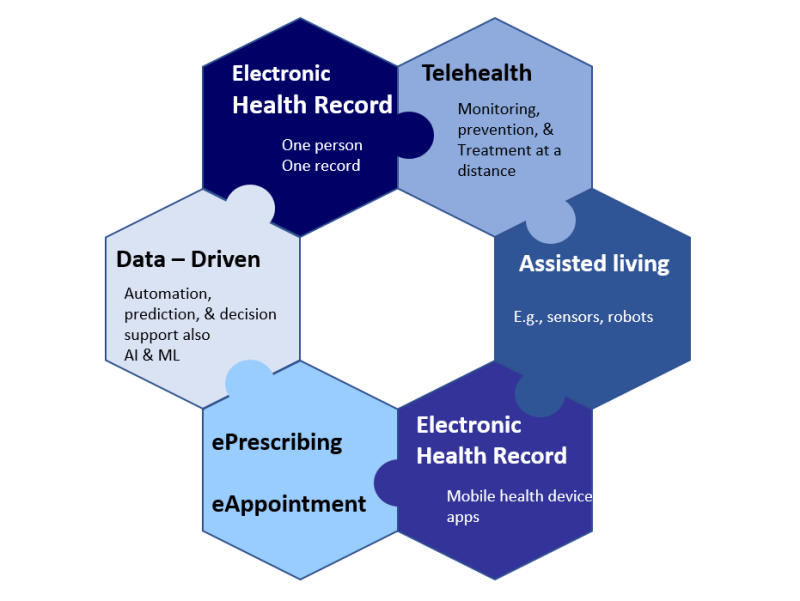
The stigma around health tracking persists—not because people don’t care, but because the tools available often feel invasive. Traditional wearables broadcast metrics to the world; telehealth platforms store sensitive data in opaque systems; and even wellness apps demand granular permissions to function. Yet, beneath this friction lies a quiet revolution: toward discreet digital-first health—an approach where technology enhances well-being without compromising privacy, autonomy, or dignity.
This isn’t about abandoning digital tools entirely. It’s about reimagining them: designing systems that operate in the background, respecting boundaries while delivering actionable insights. The shift reflects broader cultural tensions—between convenience and control, transparency and trust, and the desire for personalized care without surrendering personal data to algorithms or third parties. The result? A new paradigm where health optimization feels seamless, almost invisible, yet profoundly effective.
The implications extend beyond individual users. Hospitals, insurers, and tech companies are recalibrating their strategies around discreet digital-first health, recognizing that the future belongs to platforms that prioritize user discretion. The question is no longer if this model will dominate, but how fast—and what it will mean for the ethics, accessibility, and efficacy of modern healthcare.
The Complete Overview of Toward Discreet Digital-First Health
The term discreet digital-first health encapsulates a deliberate design philosophy: health technologies that minimize visibility, maximize user agency, and operate with minimal friction. Unlike the overt, data-hungry systems of the past decade, these solutions prioritize contextual relevance over constant surveillance. For example, a discreet health platform might analyze sleep patterns through passive sensors embedded in bedding or clothing—no wristband required—while encrypting all data locally before optional, anonymized aggregation for research. The goal isn’t just efficiency; it’s invisible integration—health tracking as a background process, not a centerpiece of daily life.This approach isn’t limited to consumer tools. In clinical settings, discreet digital-first health manifests in secure, patient-controlled portals where lab results or specialist notes are accessible only through biometric verification, with no digital footprint left on shared devices. Even mental health apps now offer "burn-after-read" messaging or voice recordings that self-destruct post-session. The unifying thread? A rejection of the "always-on" model in favor of just-in-time interventions—delivered when needed, not when convenient for the platform.
Historical Background and Evolution
The origins of discreet digital-first health can be traced to two parallel movements: the backlash against intrusive tech and the rise of privacy-first design principles. The early 2010s saw a surge in quantifiable self-tracking—Fitbit, Jawbone, and Apple Health dominated conversations—but user fatigue set in as people realized the trade-off: granular data for constant visibility. Meanwhile, high-profile breaches (e.g., Anthem’s 2015 hack exposing 78 million records) eroded trust in centralized health data systems. By 2017, the European Union’s GDPR forced companies to rethink data collection, accelerating the shift toward discreet digital-first models where user consent became non-negotiable.The COVID-19 pandemic acted as a catalyst. Lockdowns exposed the limitations of traditional telehealth—video calls couldn’t replace in-person care, and digital divide issues left marginalized groups behind. In response, innovators pivoted to discreet digital-first alternatives: contact-tracing apps with built-in anonymization (like DP-3T), AI-powered symptom checkers that didn’t require personal details, and even "dark mode" for telemedicine platforms to reduce screen glare during sensitive discussions. Post-pandemic, the demand for health tech that respects boundaries has only grown, with 68% of consumers now prioritizing privacy in digital health tools (Accenture, 2023).
Core Mechanisms: How It Works
At its core, discreet digital-first health relies on three technical pillars: contextual sensing, decentralized data ownership, and adaptive user interfaces. Contextual sensing uses ambient or embedded sensors (e.g., smart mattresses, clothing-integrated biometrics) to gather data without requiring user interaction. Unlike a fitness tracker that buzzes every hour for a step count, these systems operate silently, triggering alerts only when anomalies are detected—like a subtle vibration if blood pressure spikes during sleep.Table of Contents
- The Complete Overview of Toward Discreet Digital-First Health
- Historical Background and Evolution
- Core Mechanisms: How It Works
- Key Benefits and Crucial Impact
- Major Advantages
- Comparative Analysis
- Future Trends and Innovations
- Conclusion
- Comprehensive FAQs
- Q: How does discreet digital-first health differ from traditional telemedicine?
- Q: Are there any proven examples of discreet digital-first health tools already in use?
- Q: Can discreet digital-first health work for chronic conditions like diabetes or heart disease?
- Q: How do these systems handle emergencies if data is decentralized?
- Q: What are the biggest challenges in adopting discreet digital-first health?
- Q: Will discreet digital-first health make traditional doctors obsolete?
Decentralized data ownership shifts control from corporations to users. Platforms like Oak or Patientory allow individuals to store health records in encrypted personal vaults, granting access only to approved providers or emergency contacts. This model eliminates single points of failure while enabling interoperability without exposing raw data. Adaptive UIs further reduce friction: for instance, a mental health app might default to text-based chats for users who prefer anonymity over video calls, with no judgment or nudges toward "optimal" engagement.
The result is a system where health tech feels like a facilitator, not a monitor. Users engage when they choose, with data serving their goals—not the other way around.
Key Benefits and Crucial Impact
The transition toward discreet digital-first health isn’t just about avoiding privacy scandals; it’s about redefining the relationship between individuals and their health data. Traditional digital health tools often create a feedback loop where users feel compelled to perform—hitting step goals, logging meals, or maintaining a "perfect" sleep score—to avoid guilt or shame. Discreet digital-first systems break this cycle by focusing on outcomes over metrics, delivering insights only when they’re actionable. For example, a discreet platform might note, "Your stress levels spiked during work calls—here’s a 30-second breathing exercise," without requiring a daily mood journal.This shift has tangible impacts on adherence and trust. Studies show that users abandon health apps within 30 days at a rate of 70%—often due to fatigue or perceived intrusion. Discreet digital-first tools see retention rates exceeding 50% at six months, as users report feeling less "watched" and more empowered. The economic ripple effects are equally significant: hospitals adopting discreet patient portals reduce no-show rates by 22% (McKinsey, 2022), while insurers using anonymized trend data can identify population health risks without violating HIPAA.
"The most effective health tech isn’t the one that knows you best—it’s the one you barely notice until you need it." — Dr. Sarah Chen, Chief Privacy Officer, Mayo Clinic Platform
Major Advantages
- Privacy by Design: Data collection is limited to essential, contextually relevant inputs, with end-to-end encryption as standard. Users retain full control over sharing, including the ability to revoke access instantly.
- Reduced User Fatigue: Passive monitoring eliminates the burden of manual logging, while adaptive interfaces tailor interactions to individual preferences (e.g., text vs. voice, dark mode, or minimalist dashboards).
- Enhanced Trust and Adherence: Discreet systems foster long-term engagement by focusing on support rather than surveillance. For example, a discreet diabetes management tool might send reminders only when glucose levels trend outside a user’s historical range.
- Scalable Personalization: Anonymized aggregate data enables population-level insights without compromising individual privacy, allowing providers to tailor interventions without exposing raw patient records.
- Future-Proof Compliance: By defaulting to minimal data collection and user-controlled access, discreet digital-first platforms inherently align with evolving regulations like GDPR, CCPA, and HIPAA’s stricter enforcement.

Comparative Analysis
| Traditional Digital Health | Discreet Digital-First Health |
|---|---|
|
|
Future Trends and Innovations
The next frontier for discreet digital-first health lies in ambient intelligence—systems that anticipate needs before they arise. Imagine a smart home that adjusts lighting and temperature based on real-time biometric feedback, or a car that detects driver fatigue and suggests a break without requiring manual input. Advances in federated learning (where models train on decentralized data without raw exposure) will further enable collaborative health insights without privacy trade-offs. Meanwhile, biometric authentication is evolving into a tool for health monitoring: facial recognition could soon double as a non-contact vital-sign tracker, integrated seamlessly into daily routines.Regulatory shifts will also accelerate adoption. The U.S. may follow the EU’s lead with a Digital Health Bill of Rights, mandating user control over data and prohibiting "dark patterns" in health apps. Simultaneously, blockchain-based health passports (like those trialed in COVID-19 recovery) could become standard for secure, portable medical records—eliminating the need for centralized databases entirely. The result? A healthcare ecosystem where discreet digital-first principles aren’t just an option but the default.

Conclusion
The move toward discreet digital-first health isn’t a rejection of technology—it’s a correction. It acknowledges that health is deeply personal, often sensitive, and rarely benefits from constant scrutiny. By prioritizing privacy, autonomy, and contextual relevance, these systems restore agency to users while delivering meaningful outcomes. The businesses that thrive in this space will be those that understand the difference between collecting data and serving it—between building tools that track and tools that enable.For individuals, the shift offers liberation: the ability to engage with health tech on their own terms, without the guilt of missed metrics or the anxiety of exposure. For providers, it unlocks deeper trust and more accurate insights. And for society at large, it signals a maturing of digital health—one where innovation serves humanity, not the other way around.
Comprehensive FAQs
Q: How does discreet digital-first health differ from traditional telemedicine?
A: Traditional telemedicine often relies on video calls, shared electronic health records (EHRs), and centralized data repositories—all of which require active user participation and leave digital footprints. Discreet digital-first health minimizes these touchpoints: consultations might use encrypted text or voice messages with no recording, EHRs are patient-controlled, and data is collected passively (e.g., via ambient sensors) without user input. The focus is on minimal visibility and user-triggered interactions.
Q: Are there any proven examples of discreet digital-first health tools already in use?
A: Yes. Oak (for mental health) uses end-to-end encrypted messaging with self-destructing notes. Current Health’s remote patient monitoring devices (like the VitalPatch) transmit data only when abnormalities are detected, with no constant streaming. Huma (a discreet insulin management system) integrates with continuous glucose monitors but requires no manual logging. Even Apple’s latest HealthKit updates allow apps to request data only when needed, reducing background access.
Q: Can discreet digital-first health work for chronic conditions like diabetes or heart disease?
A: Absolutely. For example, a discreet diabetes management system might use a smart insulin pen that syncs with a phone app only when glucose levels trend outside a user’s baseline, sending alerts via a preferred channel (e.g., text or smartwatch). Heart failure patients could use wearable ECG patches that monitor rhythm passively but only notify providers if irregularities persist beyond a set threshold. The key is designing systems that reduce alert fatigue while ensuring critical issues aren’t missed.
Q: How do these systems handle emergencies if data is decentralized?
A: Decentralized discreet digital-first platforms are designed with emergency protocols. Users can designate trusted contacts (e.g., family, doctors) with temporary, time-limited access to critical data (e.g., allergy info, medication lists) during crises. Some systems, like Patientory, even allow users to pre-authorize release of specific records (e.g., "Share my blood pressure trends with my cardiologist if my systolic exceeds 180") without manual intervention. Blockchain-based health passports (e.g., MedRec) enable instant verification of records by emergency responders via secure, immutable ledgers.
Q: What are the biggest challenges in adopting discreet digital-first health?
A: Three major hurdles remain:
- Interoperability: Decentralized systems struggle to share data across providers without exposing raw records. Solutions like HL7 FHIR (Fast Healthcare Interoperability Resources) are improving this, but adoption is uneven.
- User Awareness: Many consumers don’t realize they have options beyond traditional apps. Education and default privacy settings (e.g., "opt-in" data sharing) are critical.
- Legacy Infrastructure: Hospitals and insurers built on centralized EHRs resist change. Pilot programs (e.g., Epic’s discreet patient portals) show progress, but full-scale migration requires investment.
Q: Will discreet digital-first health make traditional doctors obsolete?
A: Not at all. The goal is to augment care, not replace it. Discreet systems reduce administrative burdens (e.g., fewer missed appointments, automated reminders) and enable earlier interventions (e.g., detecting hypertension trends before a crisis). However, human judgment—especially for complex diagnoses—remains irreplaceable. The ideal future? A hybrid model where discreet digital-first tools handle monitoring and triage, while doctors focus on nuanced, relationship-based care.
Leave a Comment
Comments are moderated before appearing. The data you submit is processed according to the Privacy Policy of Medicine.