What Is the Gallbladder For? The Hidden Organ Shaping Digestion

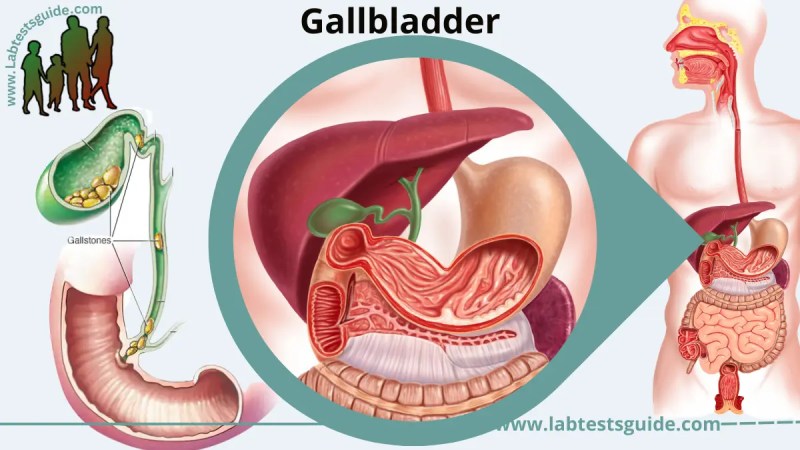
The gallbladder is an unassuming pouch tucked beneath the liver, yet its functions are indispensable to the body’s ability to process fats. Without it, digestion would become a laborious, inefficient process—one that modern medicine only fully understood after centuries of anatomical puzzles. This small, pear-shaped organ stores and concentrates bile, a digestive fluid produced by the liver, releasing it precisely when needed to break down dietary fats in the small intestine. Its absence, whether due to disease or surgical removal, forces the body to adapt in ways that reveal just how intricately it is woven into the digestive system.
What is the gallbladder for, then? At its core, it serves as a reservoir for bile, ensuring that the liver’s continuous production doesn’t overwhelm the digestive tract. But its role extends beyond storage—it regulates the timing and concentration of bile release, optimizing nutrient absorption. When fatty foods enter the small intestine, the gallbladder contracts, squirting bile into the duodenum to emulsify fats, turning them into droplets that enzymes can further degrade. This process is so efficient that without it, the digestive system would struggle to extract calories and essential fatty acids from meals.
The consequences of gallbladder dysfunction or removal are telling. Patients often report bloating, diarrhea, or malabsorption after cholecystectomy, underscoring the organ’s non-negotiable role. Yet, for all its importance, the gallbladder remains one of the most overlooked structures in the body—until something goes wrong. Understanding its mechanisms, historical significance, and modern medical relevance offers a deeper appreciation for how even the smallest organs sustain life.
The Complete Overview of What Is the Gallbladder For
The gallbladder’s primary function is to store and concentrate bile, a digestive fluid synthesized by the liver. This process is essential because bile, composed of bile salts, cholesterol, and bilirubin, is crucial for the emulsification of fats—a step that precedes enzymatic digestion. Without the gallbladder’s ability to hold and release bile in a controlled manner, the digestive system would lack the efficiency needed to process high-fat meals. The organ’s muscular walls contract in response to hormonal signals (primarily cholecystokinin, or CCK) triggered by food entering the small intestine, ensuring bile is deployed exactly when required.What is the gallbladder for beyond bile storage? Its role in cholesterol metabolism is equally critical. The gallbladder helps regulate cholesterol levels by excreting excess cholesterol into bile, which is then eliminated via feces. This process prevents cholesterol buildup in the bloodstream, reducing the risk of atherosclerosis. Additionally, the gallbladder’s anatomical position beneath the liver allows it to act as a buffer, preventing bile from refluxing into the liver—a condition that could lead to inflammation or damage. Together, these functions highlight why the gallbladder is often called the "digestive system’s unsung hero."
Historical Background and Evolution
The gallbladder’s significance has been recognized for millennia, though its precise function remained a mystery until the 19th century. Ancient Egyptian physicians, as early as 1600 BCE, documented gallbladder-related ailments in the Ebers Papyrus, describing symptoms like jaundice and abdominal pain. However, it wasn’t until the Renaissance that anatomists like Andreas Vesalius and William Harvey began dissecting the organ in detail, linking it to bile production and digestion. The breakthrough came in 1882 when physiologist Wilhelm von Mering demonstrated that removing the gallbladder in dogs led to digestive disturbances, proving its necessity.Evolutionarily, the gallbladder’s development reflects a trade-off between efficiency and redundancy. While some species, like rats and rabbits, can survive without it, humans rely on it to optimize bile usage—a trait that became advantageous as diets shifted toward higher fat content. The organ’s structure, with its mucosal folds and muscular layers, evolved to maximize bile concentration, reducing the volume of fluid that must be stored. This adaptation allowed early humans to extract more calories from fatty foods, a survival advantage in environments where food scarcity was common.
Core Mechanisms: How It Works
The gallbladder operates through a finely tuned cycle of storage, concentration, and release. Bile, produced continuously by the liver, flows into the gallbladder via the cystic duct, where it is stored and concentrated up to tenfold. This concentration occurs through the absorption of water and electrolytes by the gallbladder’s epithelial cells, a process driven by osmotic gradients. The result is a potent bile solution that can efficiently emulsify fats when released.Table of Contents
- The Complete Overview of What Is the Gallbladder For
- Historical Background and Evolution
- Core Mechanisms: How It Works
- Key Benefits and Crucial Impact
- Major Advantages
- Comparative Analysis
- Future Trends and Innovations
- Conclusion
- Comprehensive FAQs
- Q: Can you live without a gallbladder?
- Q: What causes gallbladder problems?
What is the gallbladder for in terms of timing? The organ’s release mechanism is triggered by the hormone cholecystokinin (CCK), secreted by the duodenum in response to dietary fats and proteins. CCK binds to receptors on the gallbladder’s smooth muscle, causing it to contract and expel bile into the common bile duct, which then delivers it to the small intestine. This synchronized response ensures that bile is only released when fats are present, maximizing digestive efficiency. The gallbladder’s neural and hormonal regulation demonstrates how the digestive system integrates mechanical and chemical processes to maintain homeostasis.
Key Benefits and Crucial Impact
The gallbladder’s contributions to digestion are undeniable, but its broader impact on metabolic health extends beyond the gastrointestinal tract. By regulating bile flow, it prevents the backflow of digestive enzymes and acids into the liver, reducing the risk of conditions like cholangitis and cirrhosis. Additionally, its role in cholesterol excretion helps maintain lipid balance, lowering the likelihood of gallstones—a condition that affects millions worldwide. Studies show that individuals with non-functional gallbladders (post-removal) often experience long-term changes in gut microbiota, further illustrating the organ’s systemic influence.What is the gallbladder for in a clinical context? Its removal, while common (over 600,000 cholecystectomies are performed annually in the U.S. alone), forces the body to rely on intermittent bile release from the liver, which can lead to loose stools or fat malabsorption. Yet, for many, the trade-off is worth it when gallbladder disease—such as cholelithiasis or cholecystitis—becomes debilitating. The organ’s dual role in digestion and disease prevention underscores its duality: a silent partner in health and a potential liability when dysfunctional.
"Without the gallbladder, the digestive system becomes a less precise machine—one that compensates for loss with inefficiency. Its removal is a testament to its importance, yet also a reminder of the body’s remarkable adaptability."
— Dr. Sarah Chen, Gastroenterologist, Johns Hopkins Medical Center
Major Advantages
- Fat Emulsification: The gallbladder’s concentrated bile ensures fats are broken down into microscopic droplets, increasing surface area for enzymatic action and enhancing nutrient absorption.
- Cholesterol Regulation: By excreting excess cholesterol via bile, the gallbladder helps prevent arterial plaque formation and reduces cardiovascular risk.
- Prevention of Liver Damage: Its role in bile storage prevents reflux into the liver, protecting against bile-induced inflammation and fibrosis.
- Hormonal Integration: The gallbladder’s response to CCK exemplifies the digestive system’s hormonal coordination, linking nutrient intake to bile release.
- Disease Mitigation: A healthy gallbladder reduces the risk of gallstones, cholecystitis, and related complications, which can be life-threatening if untreated.
Comparative Analysis
| Function | With Gallbladder | Without Gallbladder (Post-Removal) |
|---|---|---|
| Bile Storage | Concentrated and stored for on-demand release. | Bile drips continuously from the liver, reducing concentration. |
| Fat Digestion | Highly efficient; fats are fully emulsified. | May lead to malabsorption, fatty stools, or diarrhea. |
| Cholesterol Excretion | Excess cholesterol is eliminated via bile. | Risk of elevated cholesterol and gallstone recurrence. |
| Digestive Adaptation | No long-term changes to gut microbiota. | Altered gut bacteria composition over time. |
Future Trends and Innovations
Advances in medical imaging and robotic surgery are poised to revolutionize gallbladder-related treatments. Laparoscopic cholecystectomy, already a standard procedure, is being refined with AI-assisted diagnostics to predict gallstone formation before symptoms arise. Meanwhile, research into bile acid sequestrants—drugs that mimic the gallbladder’s cholesterol-binding function—offers potential alternatives for patients who cannot undergo surgery. The field of regenerative medicine may also explore bioengineered gallbladder tissues, though ethical and practical challenges remain.What is the gallbladder for in the age of precision medicine? Its study is increasingly interdisciplinary, blending gastroenterology with metabolomics to understand how bile composition affects not just digestion but also metabolism and even brain function (via gut-brain axis interactions). As diets shift toward plant-based or high-fat trends, the gallbladder’s role in adapting to nutritional changes will become even more critical. Future therapies may target the gallbladder’s hormonal pathways to treat obesity or metabolic syndrome, expanding its relevance beyond traditional digestive health.

Conclusion
The gallbladder’s functions are a masterclass in biological efficiency—a small organ with outsized impact on digestion, metabolism, and overall health. What is the gallbladder for, ultimately? It is the body’s bile regulator, the cholesterol guardian, and the silent partner in fat metabolism. Its removal, while often necessary, serves as a reminder of how tightly knit the digestive system is, and how adaptable the body can be when forced to compensate. As research progresses, the gallbladder may transition from a reactive treatment target to a proactive health monitor, with innovations in diagnostics and therapeutics redefining its role in modern medicine.For now, its legacy lies in the balance it strikes between storage and release, concentration and control—a delicate equilibrium that millions rely on daily, often without a second thought.
Comprehensive FAQs
Q: Can you live without a gallbladder?
A: Yes, the body can adapt after gallbladder removal (cholecystectomy). The liver will continue producing bile, but it will drip continuously into the small intestine instead of being stored and concentrated. This can lead to digestive symptoms like diarrhea or bloating, especially after high-fat meals, but most people adjust within a few weeks.
Q: What causes gallbladder problems?
A: Gallbladder issues typically arise from gallstones (hardened deposits of cholesterol or bilirubin), inflammation (cholecystitis), or infections. Risk factors include obesity, rapid weight loss, high cholesterol, and certain genetic predispositions. Symptoms may include severe abdominal pain, nausea, fever, or jaundice.
Q: How does the gallbladder affect weight loss?
A: A healthy gallbladder aids fat digestion, which is crucial for extracting calories from food. If it’s removed or dysfunctional, fat malabsorption can lead to weight loss—but also to nutrient deficiencies. Some patients report unintended weight loss post-surgery, though this is often temporary as the body adapts.
Q: Are there natural ways to support gallbladder health?
A: Maintaining a balanced diet low in saturated fats, staying hydrated, and including fiber-rich foods (like leafy greens and oats) can reduce gallstone risk. Avoiding rapid weight loss, managing cholesterol, and limiting processed sugars may also help. However, severe conditions often require medical intervention.
Q: Can gallbladder disease be prevented?
A: While not all cases are preventable, lifestyle modifications can lower risk. These include maintaining a healthy weight, exercising regularly, eating a Mediterranean-style diet, and avoiding crash diets. Regular medical check-ups can also help detect early signs of gallbladder dysfunction.
Q: How does the gallbladder relate to liver health?
A: The gallbladder and liver are closely linked—the liver produces bile, and the gallbladder stores it. If the gallbladder fails, bile can reflux into the liver, causing inflammation or damage. Conditions like cirrhosis or hepatitis can also affect bile flow, increasing gallstone risk. Protecting both organs involves similar dietary and lifestyle strategies.
Leave a Comment
Comments are moderated before appearing. The data you submit is processed according to the Privacy Policy of Medicine.