The Hidden Organ: What Does the Gallbladder Do and Why It Matters

The gallbladder is a small, pear-shaped organ tucked beneath the liver, often overlooked until it causes pain. Yet, its role in digestion is nothing short of essential. When fatty foods trigger discomfort or doctors recommend its removal, patients are left wondering: What does the gallbladder do? The answer lies in its precise function—storing and concentrating bile, a digestive fluid produced by the liver. Without it, digestion becomes less efficient, forcing the body to adapt in ways many never anticipate.
This unassuming organ operates silently for decades, only drawing attention when gallstones form or inflammation sets in. Its removal, once a last resort, is now routine, leaving patients to navigate a new dietary reality. But what exactly happens when the gallbladder is gone? How does the body compensate? And why does this organ, often dismissed as expendable, play such a critical role in maintaining metabolic balance?
The gallbladder’s significance extends beyond digestion. Its dysfunction can signal deeper metabolic issues, from cholesterol imbalances to liver strain. Understanding what does the gallbladder do isn’t just about recognizing its mechanical role—it’s about appreciating how its absence reshapes health, nutrition, and even long-term wellness strategies.
The Complete Overview of the Gallbladder
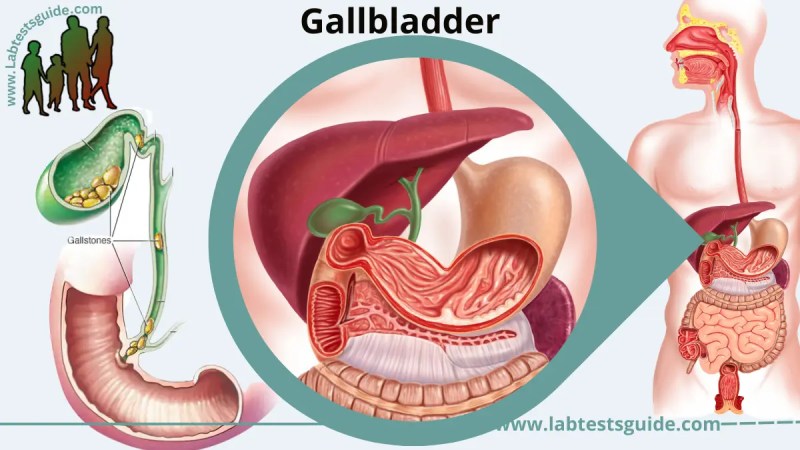
The gallbladder is a hollow, muscular organ measuring about 7–10 centimeters long, resembling a teardrop in shape. Its primary function revolves around bile—a greenish-yellow fluid composed of bile salts, cholesterol, and bilirubin—produced by the liver. When food enters the small intestine, especially fatty or oily meals, the gallbladder contracts, releasing bile in a controlled surge to aid digestion. Without this storage and release mechanism, bile would flood the digestive tract continuously, diluting its effectiveness and potentially overwhelming the intestines.What does the gallbladder do beyond bile storage? It acts as a quality control system for bile composition. By concentrating bile, it removes excess water and waste products, ensuring that only the most potent digestive fluid is deployed when needed. This efficiency is critical: bile emulsifies fats, breaking them into smaller particles that enzymes can further digest. Without this process, fat-soluble vitamins (A, D, E, and K) would be poorly absorbed, leading to deficiencies over time. The gallbladder’s role is thus twofold—it optimizes digestion and safeguards nutrient absorption.
Historical Background and Evolution
Ancient civilizations, including the Egyptians and Greeks, documented gallbladder-related ailments, though their understanding was rudimentary. The organ’s name derives from Latin: vesica fellea ("little bladder of bile"). Early physicians like Galen of Pergamon described its anatomical position but mistakenly believed it was a secondary bile producer. It wasn’t until the 17th century that scientists like William Harvey clarified its role in storing and releasing bile, laying the groundwork for modern gastroenterology.The 20th century brought transformative insights. Laparoscopic cholecystectomy, pioneered in the 1980s, revolutionized gallbladder surgery, reducing recovery times from weeks to days. Yet, even today, questions persist about what does the gallbladder do in the long term for those who live without it. Studies now reveal that while the body adapts, chronic low-grade inflammation and altered gut microbiota may emerge, particularly in patients with pre-existing metabolic conditions.
Core Mechanisms: How It Works
The gallbladder’s operation is a finely tuned biochemical process. Bile, synthesized in the liver, travels through the hepatic ducts to the common bile duct, where it either flows into the duodenum (the first segment of the small intestine) or is diverted into the gallbladder for storage. The hormone cholecystokinin (CCK), released in response to fatty foods, triggers gallbladder contractions, propelling bile into the digestive tract. This pulsatile release ensures bile’s concentrated form is delivered precisely when fats are present.Table of Contents
- The Complete Overview of the Gallbladder
- Historical Background and Evolution
- Core Mechanisms: How It Works
- Key Benefits and Crucial Impact
- Major Advantages
- Comparative Analysis
- Future Trends and Innovations
- Conclusion
- Comprehensive FAQs
- Q: Can you live without a gallbladder?
- Q: What happens if your gallbladder is removed?
- Q: Does removing the gallbladder affect weight loss?
- Q: Are there natural ways to prevent gallstones?
- Q: How does the gallbladder relate to liver health?
- Q: Can gallbladder issues cause back pain?
- Q: Is gallbladder surgery always necessary for gallstones?
- Q: What foods should you avoid after gallbladder removal?
- Q: Can gallbladder problems be genetic?
- Q: How long does it take to recover from gallbladder surgery?
What does the gallbladder do when dysfunction occurs? Gallstones—hardened deposits of cholesterol or bilirubin—can block bile flow, leading to pain (biliary colic), inflammation (cholecystitis), or even pancreatitis. The organ’s muscular walls, though robust, can weaken over time, especially with repeated stone episodes. Modern imaging (ultrasound, MRI/MRCP) now detects these issues early, but the underlying question remains: Can the body function optimally without this organ?
Key Benefits and Crucial Impact
The gallbladder’s removal—cholecystectomy—is one of the most common abdominal surgeries worldwide. Yet, its necessity often overshadows the organ’s daily contributions. Beyond bile storage, the gallbladder regulates bile’s cholesterol content, preventing precipitation that leads to stones. Its absence forces the liver to produce bile continuously, diluting its potency and potentially increasing the risk of diarrhea or malabsorption in some patients.Understanding what does the gallbladder do also sheds light on its indirect effects. Bile plays a role in detoxification, helping eliminate waste products like excess hormones and toxins. When the gallbladder is removed, patients may experience shifts in gut bacteria, as bile’s altered composition can influence microbial balance. These changes underscore the organ’s broader impact on metabolic health.
"The gallbladder is not just a storage vessel; it’s a metabolic regulator, ensuring that every molecule of fat we consume is broken down efficiently. Remove it, and the body must recalibrate—sometimes with unexpected consequences." — Dr. Sarah Chen, Gastroenterologist, Mayo Clinic
Major Advantages
While the gallbladder’s removal eliminates its storage function, several adaptive benefits emerge:- Immediate pain relief: Removing a diseased gallbladder resolves chronic pain from gallstones or inflammation.
- Reduced infection risk: Eliminates the risk of recurrent cholecystitis or abscess formation.
- Simplified digestion: The liver’s continuous bile flow may improve fat digestion in some individuals, though others report temporary digestive upset.
- Lower long-term complications: Prevents potential complications like pancreatitis or bile duct obstruction.
- Minimally invasive options: Laparoscopic surgery allows faster recovery compared to open procedures.
Comparative Analysis
| With Gallbladder | Without Gallbladder |
|---|---|
| Bile stored and concentrated; released in pulses during meals. | Bile flows continuously, diluting its fat-digesting efficiency. |
| Lower risk of diarrhea or malabsorption (if bile is properly regulated). | Some patients experience loose stools due to less potent bile. |
| Higher risk of gallstones if bile composition is imbalanced. | No risk of gallstones, but potential for bile duct stones (less common). |
| Fat-soluble vitamins absorbed optimally. | May require dietary adjustments to ensure adequate vitamin absorption. |
Future Trends and Innovations
Advances in regenerative medicine may one day offer alternatives to gallbladder removal. Stem cell research is exploring whether bioengineered gallbladder tissues could restore function in patients with severe dysfunction. Meanwhile, AI-driven diagnostics are improving early detection of gallbladder disease, reducing the need for invasive procedures.For now, dietary interventions—such as low-fat diets post-surgery—remain the cornerstone of adaptation. However, emerging research suggests that probiotics and bile acid sequestrants could help mitigate digestive side effects in gallbladder-removed patients. The future may also see personalized medicine approaches, tailoring bile flow regulation based on individual gut microbiomes.

Conclusion
The gallbladder’s role in digestion is often underestimated until it fails. What does the gallbladder do? It ensures that every bite of fatty food is processed efficiently, protecting against nutrient deficiencies and metabolic strain. While its removal is life-changing, the body’s adaptability is remarkable. Yet, the absence of this organ serves as a reminder of how interconnected our systems are—and how even the smallest players can have outsized impacts.For those facing gallbladder-related challenges, the key lies in understanding the organ’s mechanics, recognizing symptoms early, and embracing lifestyle adjustments. Whether through medical innovation or dietary wisdom, the story of the gallbladder is far from over.
Comprehensive FAQs
Q: Can you live without a gallbladder?
The body adapts remarkably well after gallbladder removal. The liver continues producing bile, though in a less concentrated form. Most people experience no long-term issues, though some may need to adjust their diet to avoid fatty foods that could cause diarrhea or discomfort.
Q: What happens if your gallbladder is removed?
Immediately after surgery, bile flows continuously into the small intestine. Over time, the liver may produce slightly more bile to compensate, but its fat-digesting efficiency may decrease. Some patients report temporary digestive changes, while others notice no difference at all.
Q: Does removing the gallbladder affect weight loss?
Some studies suggest that gallbladder removal may lead to modest weight loss in the short term, as fatty foods become harder to digest. However, this effect is not universal, and long-term weight management depends more on overall diet and lifestyle than the absence of the gallbladder.
Q: Are there natural ways to prevent gallstones?
Yes. Maintaining a healthy weight, eating a low-fat diet rich in fiber, staying hydrated, and avoiding rapid weight loss can reduce gallstone risk. Some evidence also supports the use of ursodeoxycholic acid (a bile acid) in high-risk individuals.
Q: How does the gallbladder relate to liver health?
The gallbladder and liver are closely linked. The liver produces bile, which the gallbladder stores and concentrates. If the gallbladder is removed or dysfunctional, the liver may become overworked, potentially leading to inflammation or fatty liver disease over time.
Q: Can gallbladder issues cause back pain?
Yes. Severe gallbladder problems, such as cholecystitis or gallstones blocking the bile duct, can cause referred pain in the upper right abdomen that radiates to the back or shoulder blades. This pain is often sharp and may worsen after eating.
Q: Is gallbladder surgery always necessary for gallstones?
Not always. Small, asymptomatic gallstones may not require treatment. However, if stones cause pain, block bile flow, or lead to complications like pancreatitis, surgical removal (cholecystectomy) is typically recommended to prevent future issues.
Q: What foods should you avoid after gallbladder removal?
High-fat foods, fried foods, creamy sauces, and fatty meats can be difficult to digest without a gallbladder. Many patients benefit from a low-fat diet initially, gradually reintroducing fats as their body adjusts. Small, frequent meals may also help.
Q: Can gallbladder problems be genetic?
Yes. A family history of gallstones or gallbladder disease increases your risk. Genetic factors influence bile composition, making some individuals more prone to cholesterol or pigment gallstones.
Q: How long does it take to recover from gallbladder surgery?
Recovery from laparoscopic cholecystectomy typically takes 1–2 weeks, with most patients resuming normal activities within a few days. Open surgery requires a longer recovery (4–6 weeks), but laparoscopic methods are now the standard for most cases.
Leave a Comment
Comments are moderated before appearing. The data you submit is processed according to the Privacy Policy of Medicine.