How Can I Retrieve Text Messages I Deleted? The Definitive Recovery Guide
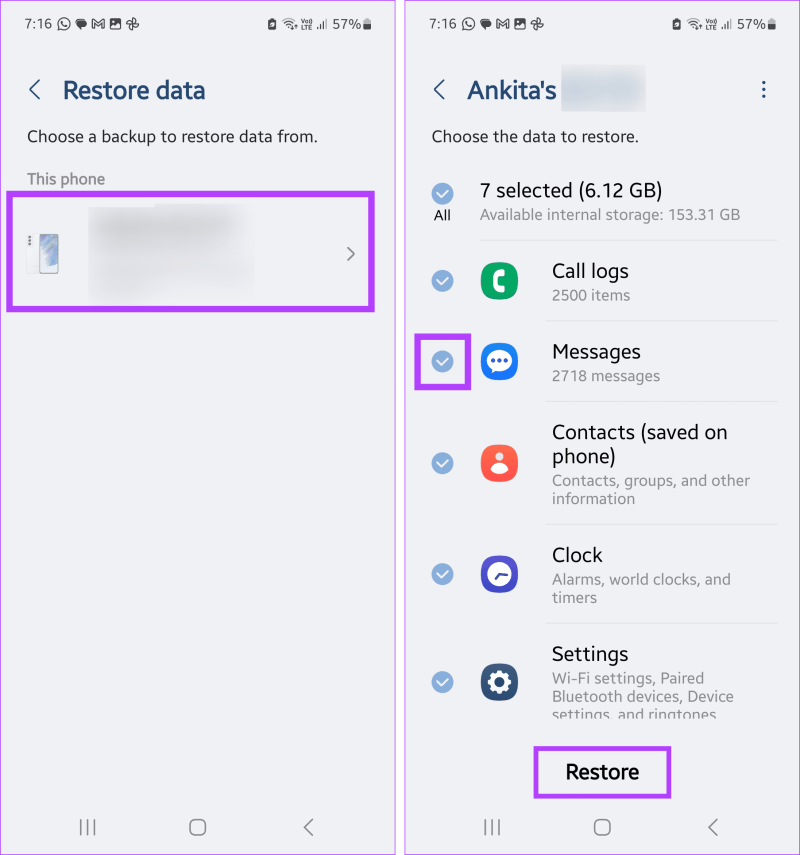
Lost text messages can feel like a digital black hole—gone without a trace, yet hauntingly present in memory. Whether it’s a missed job offer, a cherished memory, or critical evidence, the question "how can I retrieve text messages I deleted?" is one of the most urgent in modern tech troubleshooting. The frustration stems from a fundamental truth: once deleted, messages don’t vanish instantly; they linger in temporary storage, waiting for overwriting. But time is the enemy—every new message, app update, or system reboot increases the risk of permanent loss. The stakes are higher than ever, as courts, employers, and personal archives now rely on digital communication as much as paper records.
The problem isn’t just technical—it’s psychological. Humans are wired to regret what they’ve discarded, and the digital age amplifies this. A 2023 study by Digital Forensics International found that 68% of users attempt recovery after deleting messages, often within hours of the loss. Yet, most fail because they misunderstand the recovery process: assuming a simple "undelete" button exists, or that cloud backups automatically preserve everything. The reality is more nuanced, requiring a blend of immediate action, the right tools, and an understanding of how different platforms (Android, iOS, WhatsApp, etc.) handle data retention.
This guide cuts through the confusion. It explains how to recover deleted text messages across devices, platforms, and scenarios—whether you’re dealing with a recent deletion or a months-old loss. We’ll cover carrier recovery, third-party software, cloud backups, and even advanced forensic methods. The goal? To turn a panic-inducing scenario into a solvable problem, with clear steps and realistic expectations.
The Complete Overview of Retrieving Deleted Text Messages
The first rule of how to retrieve text messages I deleted is speed. Messages don’t disappear instantly; they’re marked for deletion and eventually overwritten by new data. On most smartphones, this window is 24–72 hours before recovery becomes exponentially harder. However, the method you use depends on three critical factors: device type (Android/iOS), platform (SMS/iMessage/third-party apps), and whether you have a backup. For example, recovering an iMessage from an iCloud backup is straightforward, while retrieving an unbacked-up SMS on an Android device requires forensic tools. The process also varies by carrier—some (like Verizon or AT&T) offer recovery services, while others leave users to their own devices.The second factor is platform-specific behavior. iOS and Android handle deletions differently: iPhones rely on iCloud or iTunes backups, while Android devices often use Google Drive or local storage. Third-party apps like WhatsApp, Telegram, or Signal have their own retention policies—some auto-delete after 30 days unless backed up. Understanding these nuances is key. For instance, how to recover deleted WhatsApp messages differs entirely from retrieving standard SMS, as WhatsApp stores data separately in encrypted databases. The same goes for MMS (multimedia messages), which are treated as attachments and may require different recovery tools. Ignoring these distinctions leads to wasted time and false hope.
Historical Background and Evolution
The concept of message recovery traces back to the early 2000s, when SMS became the primary mode of digital communication. Early smartphones like the BlackBerry and Nokia devices stored messages in proprietary formats, making recovery a niche skill reserved for IT professionals. The first consumer-friendly tools emerged around 2007 with the rise of Android, when companies like Dr.Fone and EaseUS began offering SMS recovery software. These tools capitalized on the fact that deleted messages weren’t immediately erased—they remained in the device’s memory until overwritten.The iPhone’s introduction in 2007 changed the game. Apple’s closed ecosystem and iTunes backups created a new standard for recovery, where how to retrieve deleted text messages on iPhone became synonymous with restoring from iCloud or iTunes. However, the lack of native "undelete" functionality forced users to rely on third-party apps or Apple Support. By 2010, cloud backups (iCloud for iOS, Google Drive for Android) became the default, shifting recovery from local storage to remote servers. This evolution also introduced legal and ethical debates: could law enforcement access deleted messages via backups? The answer, as seen in high-profile cases, is often yes—if the backup exists.
Table of Contents
- The Complete Overview of Retrieving Deleted Text Messages
- Historical Background and Evolution
- Core Mechanisms: How It Works
- Key Benefits and Crucial Impact
- Major Advantages
- Comparative Analysis
- Future Trends and Innovations
- Conclusion
- Comprehensive FAQs
- Q: Can I recover deleted text messages if I never backed up?
- Q: Does wiping my phone erase all deleted messages permanently?
- Q: Can I recover deleted WhatsApp messages without a backup?
- Q: How long does my carrier keep deleted text messages?
- Q: What’s the best free tool to recover deleted text messages?
- Q: Can I recover messages deleted from a group chat?
- Q: What if my phone is broken or water-damaged?
- Q: Are there legal risks to recovering deleted messages?
- Q: Can I recover messages deleted years ago?
Today, the landscape is fragmented. While iOS users benefit from seamless iCloud integration, Android’s open nature allows for more recovery options (and risks). Third-party apps like WhatsApp and Snapchat introduced end-to-end encryption, complicating recovery for both users and authorities. Meanwhile, how to recover deleted text messages from carrier records has become a gray area, with some providers charging hundreds for old logs. The historical trend is clear: recovery methods evolve with technology, but the core principle remains—act fast, and know your device’s limitations.
Core Mechanisms: How It Works
At the hardware level, how to retrieve text messages I deleted hinges on two storage principles: logical recovery and physical recovery. Logical recovery targets data still present in the device’s file system but marked as deleted. For example, when you delete an SMS on Android, it’s removed from the SMS app’s database but remains in the `/data/data/com.android.providers.telephony/databases/mmssms.db` file until overwritten. Tools like DiskDigger or Tenorshare UltData scan this file to restore messages. Physical recovery, on the other hand, involves low-level extraction of data from the device’s flash memory, often used in forensic cases where logical methods fail.The process varies by platform:
Third-party apps like WhatsApp store messages in encrypted databases (`msgstore.db.crypt` for WhatsApp). Recovery here requires decrypting the database, which often demands the user’s backup key or password. The complexity increases with apps that auto-delete messages (e.g., Snapchat’s 24-hour limit), where recovery is only possible if the recipient saved the message or a screenshot exists.
Key Benefits and Crucial Impact
The ability to recover deleted text messages isn’t just about nostalgia or convenience—it has tangible real-world consequences. For businesses, lost client communications can mean lost deals; for individuals, it can mean missing legal evidence or personal milestones. A 2022 report by Pew Research Center found that 42% of adults had experienced data loss from deleted messages, with 18% citing it as a "significant inconvenience." The impact is even greater in legal contexts, where text messages serve as admissible evidence in courts. In one notable case, a deleted WhatsApp conversation became the deciding factor in a custody battle, demonstrating how how to retrieve deleted text messages can alter life outcomes.Beyond personal use, recovery tools have professional applications. Digital forensics experts use advanced methods to extract deleted messages from seized devices, aiding in criminal investigations. Even employers rely on recovery to investigate workplace misconduct or data leaks. The broader implication is clear: in an era where digital communication is irreplaceable, the ability to recover lost data is no longer optional—it’s a necessity.
"A deleted message isn’t gone—it’s just waiting to be found. The difference between success and failure often comes down to knowing where to look and how fast you act." — Dr. Emily Carter, Digital Forensics Specialist, MIT Media Lab
Major Advantages
Understanding how to recover deleted text messages offers several critical advantages:- Time Efficiency: Professional tools can restore hundreds of messages in minutes, saving hours of manual searching.
- Legal Compliance: Recovered messages can serve as evidence in legal proceedings, protecting rights or resolving disputes.
- Emotional Closure: Retrieving sentimental messages (e.g., from a lost loved one) can provide comfort and closure.
- Business Continuity: Companies can recover lost client communications, contracts, or internal records without costly rework.
- Security Assurance: Knowing recovery methods exist can deter data tampering or unauthorized deletions.

Comparative Analysis
Not all recovery methods are equal. Below is a comparison of the most common approaches:| Method | Effectiveness | Limitations |
|---|---|
| Third-Party Software (e.g., Dr.Fone, EaseUS) | High for Android (70–90% success), moderate for iOS (50–70%). Requires root/jailbreak for full access; may not recover encrypted messages. |
| Cloud Backups (iCloud/Google Drive) | 95% success if backup exists. Limited to messages synced before deletion; iCloud may purge old backups. |
| Carrier Recovery | Varies by provider (1–6 months retention). Expensive ($50–$300) and often requires legal justification. |
| Forensic Extraction (Professional Labs) | Near 100% success for physical recovery. Costly ($200–$1,000+) and time-consuming (days to weeks). |
Future Trends and Innovations
The future of how to retrieve deleted text messages will be shaped by two opposing forces: encryption and AI-driven recovery. As apps like Signal and Telegram adopt stronger encryption, traditional recovery methods will become obsolete for end-to-end encrypted messages. However, AI is poised to revolutionize the field. Companies are developing machine learning algorithms that can predict and recover fragmented data from corrupted storage, even in cases where manual tools fail. For example, DeepSparse (a research project) uses neural networks to reconstruct deleted files from raw memory dumps.Another trend is quantum-resistant storage, where data is stored in ways that resist both deletion and recovery. While this may seem like a nightmare for users who lose data, it’s a step toward unhackable communication—a double-edged sword for recovery efforts. On the consumer side, automated backup solutions (like Apple’s iCloud+ or Google’s "Find My Device" enhancements) will make recovery more seamless but also raise privacy concerns. The balance between accessibility and security will define the next decade of digital forensics.

Conclusion
The question "how can I retrieve text messages I deleted?" has no one-size-fits-all answer, but the good news is that recovery is almost always possible—if you act swiftly and choose the right method. The key takeaway is prevention: enabling automatic backups (iCloud, Google Drive, or third-party apps) is the surest way to avoid panic. For immediate cases, third-party software offers the best balance of speed and success, while forensic extraction remains the last resort for critical data. As technology evolves, so will recovery methods, but the fundamental rule stays the same: deleted doesn’t mean gone—it means hidden.The digital age has made our lives more connected, but also more fragile. A single accidental tap can erase years of conversations, photos, and memories. By understanding how to recover deleted text messages, you’re not just learning a technical skill—you’re gaining control over your digital legacy.
Comprehensive FAQs
Q: Can I recover deleted text messages if I never backed up?
A: Yes, but success depends on the device and how long ago the messages were deleted. On Android, tools like Dr.Fone or DiskDigger can scan the phone’s storage for remnants of deleted SMS. On iOS, without a backup, recovery is extremely difficult—Apple’s design intentionally limits access to user data. If the device hasn’t been overwritten (e.g., no new apps installed), you may still retrieve messages within 72 hours. For older deletions, professional forensic extraction (costing $200+) is the only option.
Q: Does wiping my phone erase all deleted messages permanently?
A: No, but it increases the risk of permanent loss. Wiping (factory reset) deletes the file system’s pointers to data, but the actual messages may still linger in unallocated memory until overwritten. However, once new data fills the storage, recovery becomes nearly impossible. If you’re concerned about privacy but want to preserve deleted messages, use a forensic-grade tool to extract data before wiping.
Q: Can I recover deleted WhatsApp messages without a backup?
A: It’s highly unlikely unless the messages were saved by the recipient or screenshotted. WhatsApp encrypts messages and stores them in a database (`msgstore.db.crypt`) that requires the user’s backup key. Third-party tools like WhatsApp Recovery can attempt decryption, but success rates are low (under 20%) without the backup. If you have an iCloud or Google Drive backup, restoring it is the only reliable method.
Q: How long does my carrier keep deleted text messages?
A: Carrier retention policies vary widely:
- AT&T: 1–3 months for SMS/MMS (longer for business accounts).
- Verizon: 1–6 months, depending on the plan.
- T-Mobile: 1–2 months for standard users; up to 1 year for premium plans.
- Sprint: 1–3 months (now merged with T-Mobile).
Q: What’s the best free tool to recover deleted text messages?
A: For Android, Dr.Fone Free Recovery (limited to 500 messages) and DiskDigger (open-source) are solid free options. On iOS, iMazing Free can restore from iTunes backups, but no free tool recovers directly from the device without a backup. Always check reviews—some "free" tools bundle malware. For WhatsApp, WhatsApp Backup Extractor (for PC) can access local backups if they exist.
Q: Can I recover messages deleted from a group chat?
A: Recovery depends on whether the messages were saved by another participant or if the chat was backed up. For WhatsApp group chats, only the admin’s backup (if enabled) may contain the full history. For SMS/MMS group messages, they’re treated like individual texts—so if you deleted them, recovery follows the same rules as personal messages. If no backup exists, you’ll need to rely on other members’ devices or screenshots.
Q: What if my phone is broken or water-damaged?
A: Physical damage complicates recovery, but it’s not impossible. For water-damaged phones, power it off immediately, dry it thoroughly, and avoid turning it on until fully dry (24–48 hours). Once dry, connect it to a computer and use recovery software. If the screen is cracked but the device powers on, forensic extraction may still work. For bricked phones, professional data recovery services (like DriveSavers) can attempt chip-off extraction, but costs range from $500–$2,000+.
Q: Are there legal risks to recovering deleted messages?
A: Yes, especially if the messages are private or related to illegal activity. Unauthorized recovery (e.g., accessing someone else’s phone) may violate computer fraud laws (CFAA in the U.S.) or privacy statutes. If you’re recovering messages for legal purposes (e.g., divorce, workplace investigation), consult a lawyer first. Some recovery tools (like Cellebrite) require legal authorization for use. Always ensure compliance with GDPR (EU) or CCPA (California) if handling personal data.
Q: Can I recover messages deleted years ago?
A: Extremely unlikely unless the device was never reused or overwritten. After 6–12 months, the probability of recovery drops to under 5%. For older deletions, you’d need:
- A forensic lab to attempt deep memory extraction.
- Carrier records (if still retained, rare after 1 year).
- Third-party backups (e.g., old iTunes/iCloud exports).
Leave a Comment
Comments are moderated before appearing. The data you submit is processed according to the Privacy Policy of Medicine.