Mugshots Offender Info: The Definitive Guide to Criminal Record Access

The first time you search for someone’s name and stumble upon a mugshot, the experience is jarring. That split-second realization—this person has a criminal record—can trigger a cascade of questions: Why is this information public? How accurate is it? Can I verify it? The answers lie in the often opaque world of mugshots offender information, a system that balances transparency with privacy, law enforcement needs with public curiosity. Unlike passive news consumption, understanding this ecosystem requires dissecting its origins, mechanics, and the ethical tightrope it walks daily.
What separates a casual search from a legally sound investigation? The difference often hinges on jurisdiction, record types (arrest vs. conviction), and the digital infrastructure powering these databases. States like Texas and Florida dominate the online mugshot landscape, but the rules vary sharply—some records are expunged after acquittal, others remain indefinitely. The stakes are higher than mere curiosity: employers, landlords, and even potential partners may cross-reference these details, sometimes with life-altering consequences. Yet the system lacks standardization, leaving gaps that exploiters (and the exploited) navigate with unequal access to clarity.
The rise of commercial mugshot websites—some legitimate, others predatory—has further muddied the waters. A 2022 Pew Research study found that 40% of Americans had unknowingly encountered someone’s mugshot while researching a name, often through third-party aggregators. The question isn’t just how to find this information, but why it’s accessible at all, and what protections exist for those caught in its crossfire.
The Complete Overview of Mugshots and Offender Information
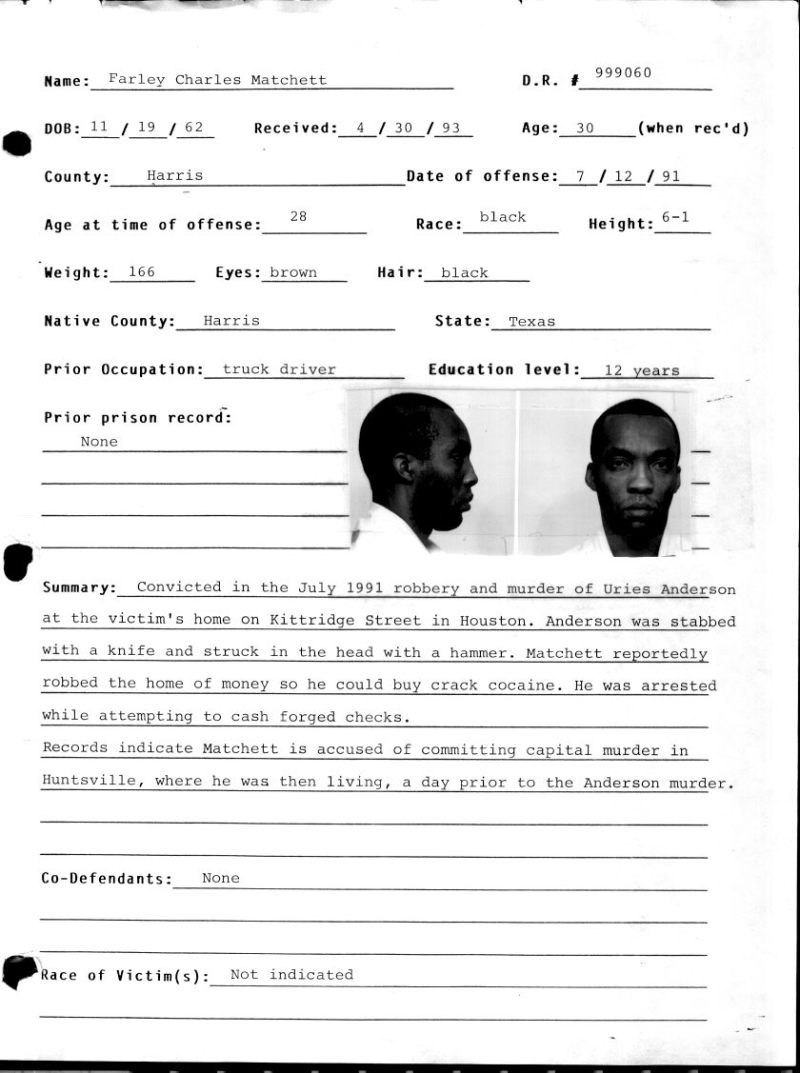
At its core, mugshots offender information refers to the public and semi-public records tied to criminal proceedings, including booking photos, arrest details, and court dispositions. These records serve dual purposes: they document legal actions while acting as a deterrent and tool for public safety. However, the line between transparency and exploitation is thin. For instance, while a mugshot may appear during an arrest (a temporary administrative step), its permanence online—often tied to for-profit sites—can outlast the legal case itself. This disconnect raises critical questions about due process and digital reputation.The system’s fragmentation is its defining challenge. County sheriffs’ offices, state repositories, and federal databases like the FBI’s National Crime Information Center (NCIC) operate under different rules. A mugshot from a misdemeanor DUI in Arizona might vanish after court resolution, while a similar record in Georgia could resurface years later on a private site demanding removal fees. The lack of a unified national standard means that accessing mugshots offender information often requires piecing together jurisdiction-specific protocols, from FOIA requests to paid subscriptions.
Historical Background and Evolution
The mugshot’s origins trace back to 1858, when French police officer Alphonse Bertillon introduced the anthropometric system—a method of identifying criminals using body measurements. By the early 20th century, mugshots became standardized in the U.S., evolving from handwritten police logs to photographic evidence. The shift to digital in the 1990s accelerated access, but it wasn’t until the 2000s that commercial mugshot websites emerged, capitalizing on the public’s fascination with criminal records. Sites like Arrests.org and Mugshots.com monetized the data, often without clear legal boundaries.The legal landscape shifted in 2016 when the FTC cracked down on deceptive mugshot websites, forcing some to remove non-conviction records. Yet the damage was done: millions of individuals—many falsely accused or acquitted—found their reputations tarnished by algorithms prioritizing clicks over accuracy. The evolution highlights a fundamental tension: while mugshots offender information was once a tool for law enforcement, it has become a commodity, blurring the lines between public safety and profit.
Core Mechanisms: How It Works
The process begins at the local level. When someone is arrested, law enforcement takes a booking photo (the mugshot), fingerprints, and basic details, which are entered into a Computerized Criminal History (CCH) system. These records are initially public but may be restricted if the case is sealed or expunged. For convictions, the information typically flows to state repositories like the California Department of Justice (DOJ) Criminal Records or the Florida Department of Law Enforcement (FDLE).Table of Contents
- The Complete Overview of Mugshots and Offender Information
- Historical Background and Evolution
- Core Mechanisms: How It Works
- Key Benefits and Crucial Impact
- Major Advantages
- Comparative Analysis
- Future Trends and Innovations
- Conclusion
- Comprehensive FAQs
- Q: Can I legally download mugshots from a commercial site?
- Q: How do I get a mugshot removed from Google?
- Q: Are mugshots public if the person was acquitted?
- Q: Can an employer legally use mugshot sites for hiring?
- Q: What’s the difference between a mugshot and a criminal record?
- Q: How can I verify if a mugshot is accurate?
- Q: Do mugshots affect credit scores?
- Q: Can I sue someone for posting my mugshot without permission?
- Q: How long do mugshots stay online?
- Q: Are there mugshot sites that don’t charge for removal?
The digital layer complicates matters. Third-party sites scrape public records but often add layers of misinformation—such as labeling arrests as convictions or including outdated data. Some states, like New York, allow individuals to petition for record restrictions, but the process is costly and time-consuming. The mechanics reveal a system where technology outpaces regulation, leaving individuals vulnerable to permanent digital stigma.
Key Benefits and Crucial Impact
The transparency offered by mugshots offender information serves critical functions. For victims of crime, these records can provide closure and safety warnings. Employers and landlords use them to assess risk, though the practice is legally contentious in many states. The data also aids journalists and researchers in exposing patterns of police misconduct or systemic bias. However, the benefits come with ethical costs: the public’s right to know often clashes with an individual’s right to rehabilitation.The psychological toll on those featured in mugshots cannot be overstated. A 2021 study in Criminal Justice Policy Review found that 68% of individuals with online mugshots reported employment discrimination, while 40% faced social ostracization. The records’ permanence—even for minor offenses—creates a digital scar that can follow a person for decades. This duality underscores the need for reforms that preserve public safety without perpetuating harm.
"A mugshot is not a conviction. It’s a snapshot of a moment—often a moment of accusation, not guilt. Yet in the digital age, that snapshot can become a life sentence." — Professor Emily Henderson, University of Michigan Law School
Major Advantages
- Public Safety: Mugshots and offender information help communities identify and avoid known threats, particularly in cases of repeat offenders.
- Legal Accountability: Transparent records deter police misconduct by allowing oversight of arrest and charging practices.
- Victim Support: Families of crime victims can access arrest details to monitor cases and seek justice.
- Employment Screening: In high-risk roles (e.g., childcare, finance), background checks using mugshot data can prevent hiring vulnerabilities.
- Journalistic Integrity: Investigative reporters use these records to expose corruption, racial profiling, and judicial errors.

Comparative Analysis
| Feature | Public Records (e.g., County Sheriff) | Commercial Mugshot Sites (e.g., Mugshots.com) |
|---|---|---|
| Data Source | Direct from law enforcement databases | Scraped from public records, often with errors |
| Accuracy | High (updated in real-time) | Variable (may include arrests as convictions) |
| Cost | Free (FOIA requests may have fees) | Paid subscriptions or removal fees |
| Legal Risks | Low (protected under FOIA) | High (potential defamation lawsuits) |
Future Trends and Innovations
The next decade will likely see blockchain-based criminal records, where individuals gain control over their data’s visibility. Pilot programs in Estonia and Australia are exploring decentralized ledgers to prevent exploitation by third-party sites. Meanwhile, AI-driven facial recognition in mugshot databases raises privacy concerns, as seen in the 2023 Illinois Biometric Information Privacy Act (BIPA) lawsuits targeting police departments.Another trend is automated record expungement, where algorithms flag outdated or irrelevant mugshots for removal, reducing the burden on individuals. However, these innovations must address a core issue: who owns the data? If mugshots are considered public property, can individuals ever truly reclaim their digital identity?
Conclusion
The mugshots offender information landscape is a microcosm of broader debates about privacy, technology, and justice. While the system provides vital transparency, its current form often prioritizes accessibility over accuracy or rehabilitation. The path forward requires balancing public needs with ethical safeguards—such as stricter verification protocols for commercial sites and clearer pathways for record correction.For individuals navigating this system, knowledge is power. Understanding how mugshots are disseminated, where to find verified records, and the legal avenues for removal can mitigate the damage. As digital footprints expand, so too must the accountability of those who curate—and profit from—them.
Comprehensive FAQs
Q: Can I legally download mugshots from a commercial site?
A: Legally, yes—but ethically, it’s fraught. Commercial sites often scrape public records but may include inaccuracies (e.g., labeling arrests as convictions). For verified data, use official sources like your state’s DOJ criminal records portal or submit a FOIA request to the arresting agency. Downloading for harassment or defamation purposes can lead to legal consequences.
Q: How do I get a mugshot removed from Google?
A: Start by requesting removal from the original source (e.g., the mugshot site or law enforcement database). If the image persists, file a Google Removal Request under "Right to Be Forgotten" (EU) or Section 230 takedown (U.S.). For U.S. residents, expungement or court-ordered record sealing may help. Note: Google prioritizes requests for outdated or misleading information.
Q: Are mugshots public if the person was acquitted?
A: It depends on the jurisdiction. Some states (e.g., California) allow acquitted individuals to petition for record destruction, while others (e.g., Texas) retain mugshots indefinitely unless sealed by a judge. Commercial sites often ignore acquittals, so proactive legal action is key. Consult a criminal defense attorney to explore options like expungement or record restriction orders.
Q: Can an employer legally use mugshot sites for hiring?
A: Legally, yes—but with restrictions. Under the Fair Credit Reporting Act (FCRA), employers must obtain written consent before checking criminal records. However, using mugshot sites (which may contain inaccuracies) can expose them to negligent hiring lawsuits if the record is misleading. Many states (e.g., New York, Colorado) also ban mugshot use in employment decisions unless directly job-related.
Q: What’s the difference between a mugshot and a criminal record?
A: A mugshot is a booking photo taken during arrest—it’s not proof of guilt. A criminal record includes convictions, sentences, and dispositions (e.g., probation, fines). Mugshots alone don’t indicate guilt; they’re administrative tools. However, commercial sites often conflate the two, leading to misinformation. Always cross-reference with official court or DOJ records for accuracy.
Q: How can I verify if a mugshot is accurate?
A: Start with the arresting agency’s records (e.g., sheriff’s office or police department). Request the full booking report, which includes charges, disposition, and case number. Compare this with the mugshot site’s data—discrepancies (e.g., wrong charges, outdated status) may indicate errors. For convictions, check your state’s DOJ criminal history database. If the mugshot is incorrect, demand a correction via the site’s dispute process or legal action.
Q: Do mugshots affect credit scores?
A: No, mugshots themselves do not impact credit scores. However, criminal convictions (e.g., fraud, theft) can appear on background checks used by lenders, potentially affecting loan approvals. Some states (e.g., Maryland) ban credit checks for minor offenses. To protect your financial standing, monitor your credit report and address any inaccuracies with the three major bureaus (Experian, Equifax, TransUnion).
Q: Can I sue someone for posting my mugshot without permission?
A: Possibly, but it’s complex. In the U.S., mugshots from public records are generally fair game under the First Amendment, even if posted without consent. However, if the poster knowingly includes false information (e.g., claiming a conviction where none exists), you may have a defamation case. For revenge porn or harassment, laws like California’s SB 1193 or New York’s "Revenge Porn" statute may apply. Consult an attorney to assess your options.
Q: How long do mugshots stay online?
A: Indefinitely, unless removed. Unlike court records (which may be expunged), mugshots posted by commercial sites persist until manually deleted. Some states allow record sealing after a certain period (e.g., 5–10 years for misdemeanors), but this doesn’t guarantee removal from third-party sites. Proactive steps—like DMCA takedown requests or legal pressure—are often necessary.
Q: Are there mugshot sites that don’t charge for removal?
A: Rarely. Most commercial mugshot sites operate on a freemium model: they offer free listings but charge $200–$500+ to remove them. Exceptions include nonprofit organizations like JustDetention.org, which advocate for record expungement. For free alternatives, focus on correcting the source (e.g., law enforcement or court records) and using Google’s removal tool. If a site refuses, legal action (e.g., cease-and-desist letters) may force compliance.
Leave a Comment
Comments are moderated before appearing. The data you submit is processed according to the Privacy Policy of Medicine.