When and Where to Attend Mass for the Holy Family: A Definitive Guide

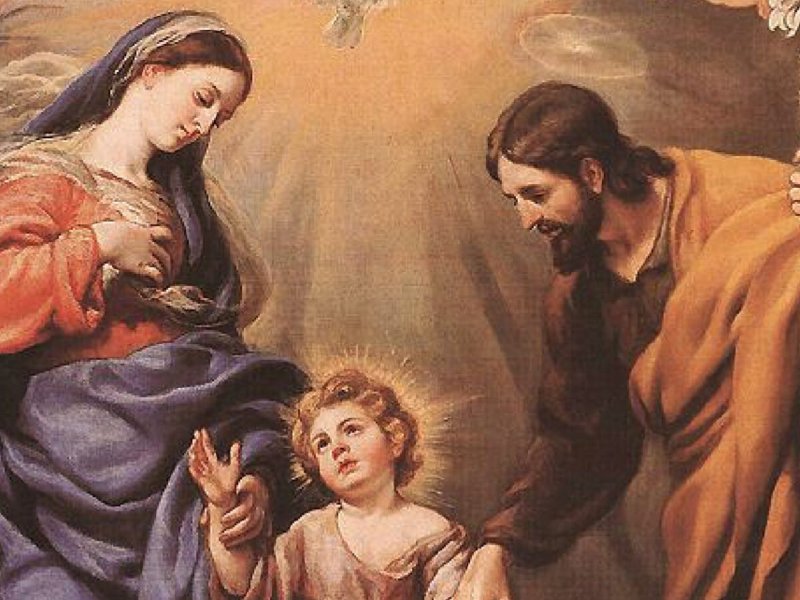
The Holy Family—Joseph, Mary, and the infant Jesus—embodies the sacred bond of family life, making their feast day one of the most cherished in the Catholic liturgical year. Celebrated annually on the Sunday within the Octave of Christmas (December 27–January 1) or, in some traditions, on the Sunday after Epiphany, the mass times for Holy Family vary by diocese and parish. Unlike daily Masses, these celebrations often feature extended homilies, family-focused prayers, and communal blessings, reflecting the feast’s emphasis on domestic holiness. For families seeking spiritual renewal or newcomers navigating parish schedules, understanding these variations is essential.
The Holy Family’s feast day traces its origins to the 17th century, when Pope Sixtus V instituted it to counter the Protestant Reformation’s erosion of familial piety. By the 20th century, the Church formalized its observance, aligning it with the Christmas season to reinforce the Gospel’s message of love and unity. Today, parishes worldwide adapt their mass times for Holy Family to accommodate working families, offering both traditional Latin Masses and contemporary liturgies. The feast’s universal appeal ensures that, regardless of location, Catholics can participate in a Mass that honors the model of Christian domesticity.
For those planning ahead, the discrepancy between diocesan calendars and parish bulletins can be confusing. Some churches combine the Holy Family Mass with the Feast of the Holy Name of Jesus (January 1), while others prioritize it as a standalone celebration. Additionally, multicultural parishes may incorporate cultural elements—such as readings in multiple languages or family-oriented processions—into their mass times for Holy Family, blending tradition with modern inclusivity.
The Complete Overview of Mass Times for Holy Family
The mass times for Holy Family are not uniform across Catholic communities, as they depend on local diocesan directives, parish traditions, and logistical considerations. In the United States, for instance, the United States Conference of Catholic Bishops (USCCB) recommends that the feast be observed on the Sunday within the Octave of Christmas, though some dioceses, like those in the Archdiocese of New York, may shift it to the following Sunday if December 27 falls on a weekday. This flexibility ensures accessibility, particularly for families balancing holiday obligations. Meanwhile, in Europe, countries like Italy and Spain often adhere strictly to December 27, aligning with the feast’s historical roots.Parishes typically announce their mass times for Holy Family in advance through bulletins, websites, and mobile apps like ChurchApp or Pewsitter. Some larger churches may offer multiple Masses—such as a 7:00 AM low Mass for early risers, a 9:00 AM family-focused liturgy, and a 6:00 PM Vigil Mass—to accommodate diverse schedules. For travelers or those unfamiliar with a parish, calling ahead or checking the diocese’s official website is advisable, as some churches may adjust timings due to inclement weather or special events.
Historical Background and Evolution
The feast’s inception in 1621 by Pope Sixtus V was a response to the Reformation’s emphasis on individual faith over communal life. By elevating the Holy Family to a liturgical celebration, the Church sought to reaffirm the sacredness of marriage, parenthood, and domestic virtues. Over centuries, the feast’s observance evolved, with some regions, like Mexico, incorporating local traditions such as posadas (processions) or las mañanitas (morning songs) into their mass times for Holy Family celebrations. The 19th century saw further standardization, particularly under Pope Leo XIII, who expanded the feast’s liturgical texts to underscore its pastoral significance.In the modern era, the Second Vatican Council (1962–1965) reinforced the Holy Family’s role as a model for contemporary families, leading many parishes to adopt more interactive liturgies. Today, mass times for Holy Family often include blessings for families, readings that highlight Joseph’s quiet sanctity, and opportunities for the faithful to renew vows or seek spiritual guidance. The feast’s adaptability—whether celebrated in a grand cathedral or a small chapel—reflects its enduring relevance in an era where familial structures are increasingly diverse.
Core Mechanisms: How It Works
The structure of a Holy Family Mass follows the ordinary form of the Roman Rite but incorporates unique elements tailored to the feast’s theme. After the opening hymn, the priest may offer a special prayer for families, followed by readings such as the Gospel of Luke (2:41–52), which recounts the Holy Family’s journey to Jerusalem. The homily often explores Joseph’s role as a protector and provider, drawing parallels to modern parenting challenges. Communion is typically distributed with a blessing for families, and the Mass concludes with a prayer for domestic peace, such as the Oremus pro Familia (Prayer for Families).Table of Contents
- The Complete Overview of Mass Times for Holy Family
- Historical Background and Evolution
- Core Mechanisms: How It Works
- Key Benefits and Crucial Impact
- Major Advantages
- Comparative Analysis
- Future Trends and Innovations
- Conclusion
- Comprehensive FAQs
- Q: Can I attend a Holy Family Mass if I’m not Catholic?
- Q: What should I bring to a Holy Family Mass?
- Q: Are there special prayers for the Holy Family Mass?
- Q: What if my parish doesn’t list Holy Family Mass times?
- Q: Can I request a family blessing during the Mass?
- Q: Are there Holy Family Masses for single parents or blended families?
- Q: How can I make the most of the Holy Family Mass?
Parishes often enhance the experience by distributing printed guides or digital resources outlining the Mass’s significance. Some churches also host pre-Mass activities, such as craft stations for children or discussions on family spirituality, to engage attendees before the mass times for Holy Family begin. For those unable to attend, livestreams or recorded homilies are increasingly common, ensuring global participation in this universal celebration.
Key Benefits and Crucial Impact
Attending a mass times for Holy Family Mass offers more than spiritual nourishment—it fosters a sense of communal belonging and reinforces Catholic teachings on family life. Research from the Center for Applied Research in the Apostolate (CARA) indicates that families who participate in such liturgies report higher levels of marital satisfaction and intergenerational bonding. The feast’s emphasis on Joseph’s virtues—obedience, humility, and silent strength—provides a counterpoint to contemporary societal pressures, offering a blueprint for resilient family dynamics.Beyond personal benefits, the Holy Family Mass serves as a pastoral tool for parishes. By centering on domestic holiness, priests can address issues like divorce, single parenthood, or blended families with compassion and scriptural guidance. The feast’s timing—within the Christmas season—also allows parishes to extend invitations to non-Catholic neighbors, fostering interfaith dialogue around shared values of love and sacrifice.
“A family that prays together stays together.” —Pope Francis, Apostolic Exhortation Amoris Laetitia (2016)
Major Advantages
- Spiritual Renewal: The Mass’s focus on the Holy Family provides an opportunity for Catholics to reflect on their own familial roles, offering grace for reconciliation or gratitude for existing bonds.
- Community Engagement: Parishes often organize post-Mass gatherings, such as potlucks or volunteer opportunities, strengthening parish cohesion.
- Cultural Preservation: In multicultural parishes, mass times for Holy Family may incorporate traditions from diverse backgrounds, enriching the liturgical experience.
- Pastoral Support: Many churches offer counseling or support groups following the Mass, addressing issues like grief, infertility, or parenting challenges.
- Accessibility: With multiple mass times for Holy Family available, working families can prioritize attendance without conflict, ensuring no one misses the feast’s blessings.
Comparative Analysis
| Traditional Latin Mass | Ordinary Form (Novus Ordo) |
|---|---|
| Celebrated in Latin; often at 7:00 AM or 6:00 PM. Emphasizes solemnity and historical continuity. | Conducted in vernacular; timings vary (e.g., 9:00 AM family Mass). Focuses on accessibility and contemporary relevance. |
| Readings and prayers follow the Missale Romanum of 1962. Less interactive but deeply rooted in tradition. | Uses revised lectionary and prayers from Sacrosanctum Concilium. May include responsive readings or lay participation. |
| Limited to parishes with traditionalist communities (e.g., Fraternity of St. Peter chapels). | Widely available; most dioceses offer multiple mass times for Holy Family in the Ordinary Form. |
Future Trends and Innovations
As Catholic demographics shift, parishes are innovating to keep mass times for Holy Family relevant. Hybrid liturgies—combining in-person attendance with livestreamed elements—are gaining traction, particularly in rural or aging communities. Additionally, digital tools like parish apps now allow families to RSVP for Mass, request prayer intentions, or access homily notes post-service. Some forward-thinking dioceses are also piloting “family Mass kits,” which include readings, discussion questions, and craft activities for at-home participation.The rise of multicultural parishes may further diversify mass times for Holy Family, with churches offering bilingual liturgies or themed celebrations (e.g., “Holy Family and Immigration” in border regions). Technological advancements, such as AI-driven translation tools or VR parish visits, could also democratize access, ensuring that even those in remote areas can engage with the feast’s spiritual richness.

Conclusion
The mass times for Holy Family represent more than a liturgical obligation—they are a living tradition that adapts to modern needs while preserving timeless values. Whether through a quiet Latin Mass or a vibrant family-centered liturgy, the feast invites all Catholics to pause and reflect on the sacredness of domestic life. As societal structures evolve, the Holy Family’s model of love, patience, and unity remains a beacon, guiding parishes and families alike toward deeper spiritual connection.For those planning their attendance, the key is preparation: checking parish websites, calling ahead for timings, and embracing the feast’s communal spirit. By doing so, families can transform a single Mass into a year-long commitment to holiness, one prayer at a time.
Comprehensive FAQs
Q: Can I attend a Holy Family Mass if I’m not Catholic?
A: Yes. While the Mass is a sacrament for Catholics, non-Catholics are welcome to attend as guests. Many parishes encourage ecumenical participation, especially during Christmas season. However, receiving Communion requires baptism and, for Catholics, a state of grace.
Q: What should I bring to a Holy Family Mass?
A: Attire is typically modest and respectful (e.g., no shorts or sleeveless tops). Bring a Bible or prayer book if you’d like to follow along, and consider a pen and notebook for taking notes during the homily. Some families bring small gifts for children or donations for the parish’s family outreach programs.
Q: Are there special prayers for the Holy Family Mass?
A: Yes. After the Eucharistic Prayer, the priest often recites the Oremus pro Familia or a local diocesan prayer. Families may also light candles or place intentions in a designated box. Some parishes distribute printed prayer cards with the feast’s key themes.
Q: What if my parish doesn’t list Holy Family Mass times?
A: Contact your parish office directly—they may have announced the Mass verbally or via email. Alternatively, check your diocese’s website for a centralized schedule. If the feast isn’t highlighted, ask the priest or pastoral staff to include it in future bulletins.
Q: Can I request a family blessing during the Mass?
A: Absolutely. After Communion, approach the priest or a deacon to request a blessing for your family. Some parishes offer a communal family blessing at the end of the Mass; if not, a private blessing can be arranged post-liturgy.
Q: Are there Holy Family Masses for single parents or blended families?
A: Many parishes tailor their mass times for Holy Family to include all family structures. Homilies often address single parenthood, divorce, or blended dynamics with compassion. Additionally, support groups like Catholic Charities may host follow-up discussions after Mass.
Q: How can I make the most of the Holy Family Mass?
A: Prepare by reading the Gospel (Luke 2:41–52) beforehand. Reflect on Joseph’s role as a protector and Mary’s example of faith. Engage with the community by greeting neighbors, volunteering to read, or participating in post-Mass activities. Consider making a resolution to strengthen your family’s spiritual life in the coming year.
Leave a Comment
Comments are moderated before appearing. The data you submit is processed according to the Privacy Policy of Medicine.