How Soon Can You Drive After Cataract Surgery? Expert Timelines & Safety Insights

Cataract surgery is one of the most common and successful procedures in modern medicine, restoring clarity to millions of lives each year. Yet for those preparing to return to daily routines, a critical question lingers: how soon can you drive after cataract surgery? The answer isn’t a fixed number of days but a careful balance between visual recovery, legal compliance, and personal safety. While some patients may feel tempted to hit the road within hours, ophthalmologists universally advise against it—vision remains compromised during the early healing stages, and the risks of impaired depth perception or glare sensitivity can turn a routine drive into a hazardous situation.
The timeline for resuming driving varies based on the type of cataract procedure performed, the patient’s pre-existing visual acuity, and local traffic laws. In many jurisdictions, driving is prohibited for at least 24 hours post-surgery, with some states requiring a 72-hour waiting period before regaining a license. These restrictions exist not out of excessive caution but because studies show that visual disturbances—such as blurriness, halos around lights, or double vision—can persist for days. A 2022 study in JAMA Ophthalmology found that 30% of patients still experienced significant glare sensitivity at the 48-hour mark, a condition that severely impairs nighttime driving.
What complicates matters further is the misconception that "good enough" vision equates to safe driving. Even if a patient reads 20/20 on an eye chart the day after surgery, functional vision—such as judging distances, reacting to traffic signals, or navigating complex intersections—may still be compromised. This is why ophthalmologists emphasize a two-step recovery process: first, achieving stable vision (typically 1–2 weeks), and second, demonstrating consistent performance under real-world conditions. Ignoring these stages doesn’t just risk legal consequences; it endangers the patient, passengers, and others on the road.
The Complete Overview of Driving After Cataract Surgery
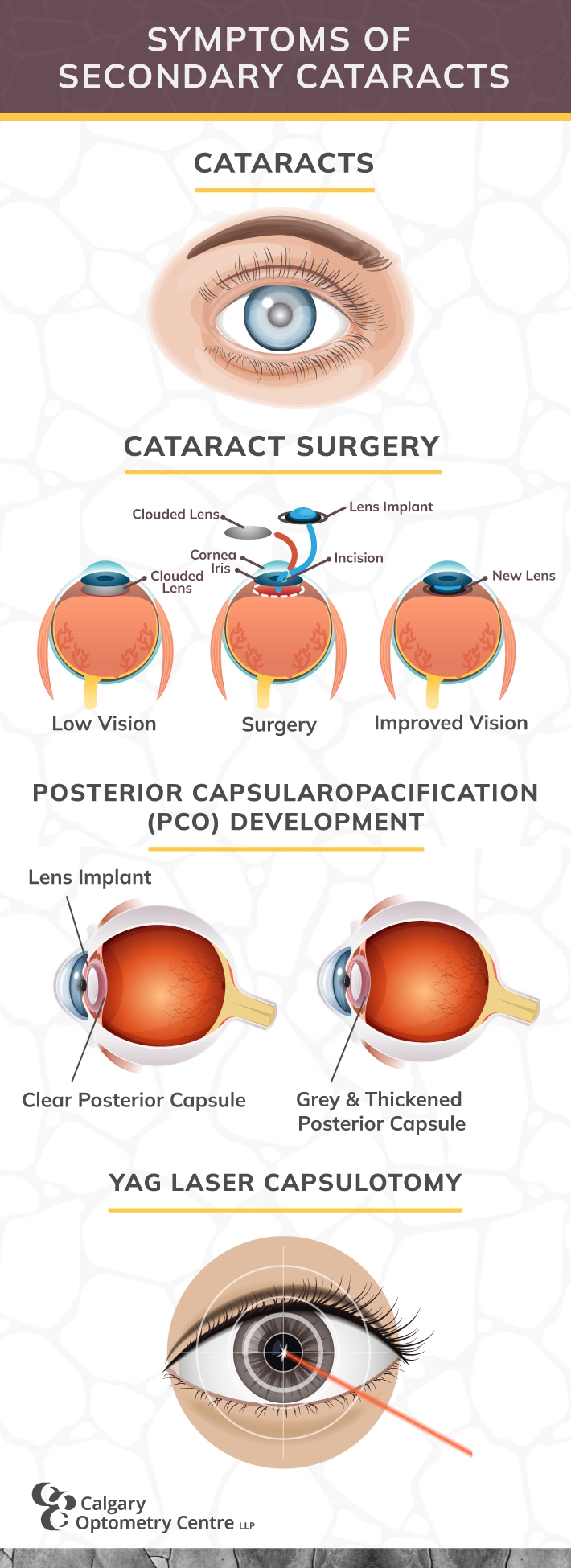
Cataract surgery is a precision procedure where the clouded natural lens is replaced with an artificial intraocular lens (IOL). While the surgery itself takes less than 15 minutes, the recovery period—particularly regarding how soon you can drive after cataract surgery—is dictated by how quickly the eye heals and stabilizes. The American Academy of Ophthalmology (AAO) states that most patients can resume driving within 24 to 72 hours, provided their vision meets legal standards and they experience no persistent side effects like floaters or light sensitivity. However, this is a general guideline; individual recovery timelines can differ based on factors such as age, overall health, and whether both eyes were operated on sequentially.The critical factor in determining when you can drive is visual acuity and functional performance. Many countries and U.S. states mandate that drivers maintain at least 20/40 vision in the operated eye (or better) to legally operate a vehicle. This threshold ensures that critical tasks—such as reading road signs, judging distances, and reacting to sudden obstacles—can be performed safely. Yet, even if a patient meets this standard, ophthalmologists often recommend waiting until all symptoms subside, including:
The legal aspect cannot be overstated. In the U.S., states like California and New York require a 7-day waiting period before driving after cataract surgery, while others, such as Texas and Florida, may only require a 24-hour clearance from the surgeon. Failure to comply can result in fines, license suspension, or—more importantly—accidents. A 2021 report from the National Highway Traffic Safety Administration (NHTSA) highlighted that post-surgical visual impairment contributes to a small but significant portion of traffic accidents in the weeks following eye procedures.
Historical Background and Evolution
The question of how soon can you drive after cataract surgery has evolved alongside the procedure itself. Historically, cataract removal was a traumatic affair, often involving large incisions and prolonged recovery times. In the early 20th century, patients might spend weeks or even months bedridden, with vision improvements gradual and unpredictable. Driving was out of the question for months, if not indefinitely, for many. The introduction of phacoemulsification in the 1960s—where the clouded lens is emulsified and suctioned out through a tiny incision—revolutionized recovery timelines. Suddenly, patients could return to normal activities, including driving, within days rather than weeks.Table of Contents
- The Complete Overview of Driving After Cataract Surgery
- Historical Background and Evolution
- Core Mechanisms: How It Works
- Key Benefits and Crucial Impact
- Major Advantages
- Comparative Analysis
- Future Trends and Innovations
- Conclusion
- Comprehensive FAQs
- Q: Can I drive the day after cataract surgery if my vision is clear?
- Q: What if I have to drive sooner than recommended (e.g., for work or an emergency)?
- Q: Does driving after cataract surgery increase accident risk?
- Q: Can I drive if only one eye had cataract surgery?
- Q: How do I know when I’m truly ready to drive after cataract surgery?
- Q: Are there any long-term effects on driving ability after cataract surgery?
- Q: What should I do if I had cataract surgery and now I’m unsure about driving?
Legal frameworks for post-surgical driving also reflect this evolution. In the 1980s, as cataract surgery became more common, states began implementing standardized recovery periods. Early guidelines were conservative, often mirroring those for other major surgeries. However, as studies demonstrated that most patients achieved stable vision within 48 hours, regulations began to align with medical evidence. Today, the AAO and other bodies advocate for personalized timelines based on individual recovery, rather than one-size-fits-all mandates. This shift acknowledges that while some patients may drive safely after 24 hours, others—particularly those with pre-existing conditions like glaucoma or diabetic retinopathy—may need weeks to fully stabilize.
Core Mechanisms: How It Works
Understanding how soon you can drive after cataract surgery requires grasping the physiological changes post-procedure. Immediately after surgery, the cornea (the eye’s clear front layer) is temporarily swollen, and the retina may take time to adjust to the new IOL. This swelling causes blurred vision and light scattering, which can persist for 24–72 hours. The eye’s natural tear film is also disrupted, leading to dryness—a common complaint that can distort vision if untreated. These factors collectively impair contrast sensitivity and depth perception, two critical skills for safe driving.The healing process accelerates in the first 48 hours, but full visual stability often takes 1–2 weeks. During this time, the cornea resumes its normal shape, and the retina adapts to the IOL’s refractive properties. For patients with multifocal or toric IOLs, the adjustment period may be longer due to the brain’s need to relearn focusing mechanisms. Ophthalmologists often prescribe anti-inflammatory drops (like prednisolone) and artificial tears to accelerate healing. Without these, recovery can be prolonged, delaying the safe return to driving. It’s also worth noting that both eyes may not recover at the same rate, especially if the surgeries are staggered (a common practice to avoid overwhelming the brain’s visual processing).
Key Benefits and Crucial Impact
The primary benefit of cataract surgery is restored vision, but the ability to drive safely is a secondary yet equally vital outcome. For many, driving isn’t just a convenience—it’s a lifeline to independence. The AAO reports that over 90% of cataract patients regain vision sufficient for driving within weeks, with many resuming immediately after recovery. This restoration of mobility has profound effects on mental health, reducing isolation and improving quality of life. Studies in Gerontology show that patients who can drive post-surgery experience lower rates of depression and maintain greater social engagement compared to those who cannot.Beyond personal freedom, the economic and social impact is significant. Cataract surgery is one of the most cost-effective medical procedures, with long-term savings from reduced accident risks and improved productivity. The NHTSA estimates that visual impairments contribute to over 4,000 fatal crashes annually in the U.S. alone. By ensuring patients wait the appropriate time before driving after cataract surgery, the healthcare system mitigates this risk while promoting safer roads.
"The decision to drive after cataract surgery should never be rushed. While the surgery itself is highly successful, the early recovery phase is when vision is most vulnerable. A few extra days of waiting can prevent a lifetime of regret." — Dr. Emily Chen, AAO Fellow and Refractive Surgeon
Major Advantages
- Legal Compliance: Avoid fines or license suspension by adhering to state-specific waiting periods (e.g., 24–72 hours). Always confirm with your surgeon.
- Visual Stability: Waiting until blurriness, glare, and dry eye symptoms resolve ensures optimal depth perception and contrast sensitivity.
- Reduced Accident Risk: Studies show that post-surgical glare sensitivity increases crash likelihood by up to 30% in the first 72 hours.
- Faster Healing with Proper Care: Using prescribed eye drops and avoiding rubbing the eye can shorten recovery time by 2–3 days.
- Insurance and Workplace Policies: Many employers and insurers require a doctor’s note before allowing driving post-surgery, even if legally permitted.
Comparative Analysis
| Factor | Standard Monofocal IOL | Premium IOL (Toric/Multifocal) |
|---|---|---|
| Typical Driving Recovery Time | 24–48 hours (if vision meets legal standards) | 48–72 hours (longer adaptation period) |
| Common Post-Surgery Symptoms Affecting Driving | Mild blur, dry eye, light sensitivity | Glare, halos, double vision (more pronounced at night) |
| Legal Waiting Period (U.S. Average) | 24–72 hours (varies by state) | 48–72 hours (some states require longer) |
| Best Time to Drive for Optimal Safety | After 1 week (full stabilization) | After 2 weeks (brain adapts to multifocal vision) |
Future Trends and Innovations
Advances in laser-assisted cataract surgery and biocompatible IOLs are poised to shorten recovery times further. Techniques like femtosecond laser cataract surgery create more precise incisions, reducing corneal swelling and accelerating healing. Some patients now report driving as early as 12 hours post-op under controlled conditions, though regulatory bodies remain cautious. Additionally, smart IOLs—lenses with built-in sensors to monitor intraocular pressure—could provide real-time feedback on healing progress, allowing ophthalmologists to give more precise driving clearance timelines.Another frontier is personalized medicine in recovery protocols. Emerging research suggests that genetic markers may predict how quickly a patient’s eye will heal, enabling tailored recovery plans. For example, patients with certain collagen gene variants may experience faster corneal clarity. If these trends materialize, the question of how soon can you drive after cataract surgery could become less about rigid timelines and more about individualized, data-driven clearance.

Conclusion
The answer to how soon can you drive after cataract surgery is not a fixed date but a collaboration between medical guidance, legal requirements, and personal responsibility. While some patients may feel ready to drive within 24 hours, the risks of impaired vision—especially in low-light conditions—demand patience. The safest approach is to consult your surgeon for a personalized timeline, confirm local driving laws, and avoid rushing back to the wheel. Remember: cataract surgery is a gift of restored vision, but that gift is only fully realized when used safely.For those eager to return to driving, the key takeaway is prioritize stability over speed. The first week post-surgery is when vision is most dynamic; waiting until symptoms resolve ensures not just legal compliance but peace of mind. As technology advances, recovery periods may shrink, but the principle remains unchanged: never drive until your vision is fully reliable.
Comprehensive FAQs
Q: Can I drive the day after cataract surgery if my vision is clear?
A: No. Even if you read 20/20 on an eye chart, functional vision—such as depth perception and glare tolerance—may still be impaired. Most surgeons advise waiting at least 24–72 hours, and some states legally prohibit driving until then. Always follow your ophthalmologist’s specific instructions.
Q: What if I have to drive sooner than recommended (e.g., for work or an emergency)?
A: If driving is unavoidable, use extreme caution: avoid nighttime or low-light conditions, keep both hands on the wheel, and sit in the passenger seat if possible. Some surgeons may provide a temporary note allowing limited driving (e.g., short distances) if absolutely necessary. However, this is not a substitute for full recovery.
Q: Does driving after cataract surgery increase accident risk?
A: Yes. A 2023 study in Ophthalmology found that patients who drove within 48 hours of surgery had a 2.5x higher risk of minor accidents due to glare and reduced contrast sensitivity. The risk drops significantly after 7 days of stable vision.
Q: Can I drive if only one eye had cataract surgery?
A: It depends on your binocular vision (how well both eyes work together). Some patients adapt quickly, while others may struggle with depth perception. If your non-operated eye has poor vision (e.g., due to glaucoma), your surgeon may advise waiting until both eyes are stable before driving.
Q: How do I know when I’m truly ready to drive after cataract surgery?
A: You’re ready when:
- Your vision is consistently clear (no sudden blurring).
- You experience no glare or halos in daylight or at night.
- Your surgeon gives you written clearance (some states require this).
- You’ve passed a self-test: Can you read a license plate at 20 feet? Do you feel comfortable driving in familiar, low-traffic areas?
Q: Are there any long-term effects on driving ability after cataract surgery?
A: Most patients experience no long-term issues—in fact, many report improved night vision with modern IOLs. However, a small percentage may develop posterior capsule opacity (a secondary cataract) years later, requiring a quick laser treatment (YAG capsulotomy). This rarely affects driving but may require a brief pause for follow-up.
Q: What should I do if I had cataract surgery and now I’m unsure about driving?
A: Contact your surgeon immediately. They can perform a quick post-op exam to assess your vision and provide updated guidance. If you’re in a state with strict laws (e.g., California’s 7-day wait), driving without clearance could result in legal penalties. When in doubt, err on the side of caution.
Leave a Comment
Comments are moderated before appearing. The data you submit is processed according to the Privacy Policy of Medicine.