How to Secure a Position at the World’s Largest Retailer
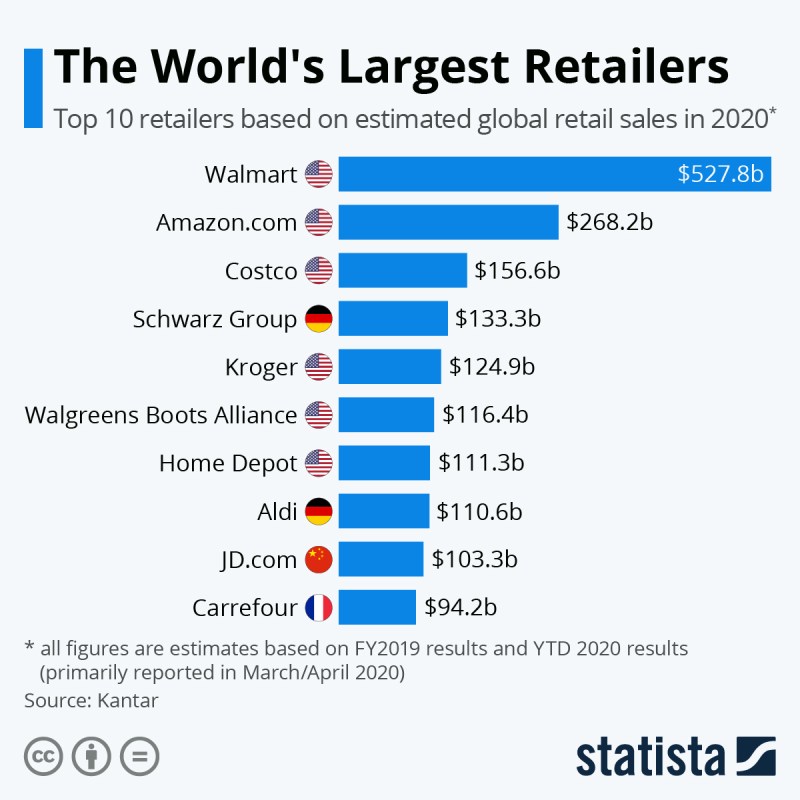
The world’s largest retailer isn’t just a corporate giant—it’s a fortress of opportunity, where career trajectories bend toward stability, scalability, and unparalleled influence. Landing a position here isn’t about luck; it’s about aligning with an ecosystem where operational precision meets relentless innovation. The companies dominating this space—Amazon, Walmart, Alibaba, and others—don’t hire based on resumes alone. They demand proof of adaptability, a grasp of their unique challenges, and the ability to thrive in environments where margins are razor-thin and customer expectations are sky-high.
Yet, the path to securing a role in these titans isn’t linear. It requires dissecting their hiring philosophies, understanding the unspoken metrics that separate candidates, and leveraging the right mix of skills—technical, interpersonal, and strategic. The stakes are high: a misstep in application strategy or interview preparation could leave you on the outside looking in, while a well-crafted approach positions you as the ideal candidate for roles where the world’s largest retailer operates.
What sets these retailers apart isn’t just their revenue or market share—it’s their ability to evolve faster than competitors. Amazon’s shift from bookseller to cloud computing titan. Walmart’s pivot to e-commerce dominance. These aren’t anomalies; they’re blueprints for how to secure a position in the world’s largest retailer before the industry shifts again. The question isn’t whether you’re ready for such an environment—it’s whether you’ve prepared for the rigors of a workplace where efficiency isn’t just valued; it’s non-negotiable.
The Complete Overview of Securing a Position at the World’s Largest Retailer
The foundation of any successful career move into the world’s largest retail organizations begins with recognizing that these entities operate on two parallel tracks: traditional retail mechanics and cutting-edge digital transformation. For instance, Amazon’s fulfillment centers blend robotics with human labor, while Walmart’s supply chain relies on AI-driven demand forecasting. To secure a position in the world’s largest retailer, candidates must demonstrate fluency in both realms—whether through direct experience, certifications, or a strategic understanding of how these systems intersect.
Another critical factor is the retailer’s global footprint. A role at Amazon in Seattle may differ vastly from one in Mumbai or Tokyo, where cultural nuances, regulatory landscapes, and consumer behaviors dictate operational strategies. The ability to navigate these differences isn’t just advantageous; it’s often a prerequisite. Companies like Alibaba and Shein, for example, prioritize candidates who understand cross-border logistics, local market dynamics, and the intricacies of scaling operations across continents. This global perspective is what separates a generic retail applicant from someone poised to lock down a position at the world’s largest retailer.
Historical Background and Evolution
The evolution of the world’s largest retailers mirrors the broader shifts in global commerce. Walmart’s rise in the late 20th century was built on the back of hyper-efficient supply chains and the "always low prices" mantra, which disrupted traditional brick-and-mortar models. Meanwhile, Amazon’s ascent in the 2000s was fueled by its obsession with customer experience—from one-click purchasing to Prime memberships—creating a template for digital retail dominance. These historical pivots didn’t happen by accident; they were the result of leaders who anticipated market changes and positioned their companies to capitalize on them.
Table of Contents
- The Complete Overview of Securing a Position at the World’s Largest Retailer
- Historical Background and Evolution
- Core Mechanisms: How It Works
- Key Benefits and Crucial Impact
- Major Advantages
- Comparative Analysis
- Future Trends and Innovations
- Conclusion
- Comprehensive FAQs
- Q: What are the most in-demand skills for securing a position at the world’s largest retailer?
- Q: How do I tailor my resume to stand out when applying to these retailers?
- Q: What’s the biggest mistake candidates make when interviewing for these roles?
- Q: Are certifications necessary to secure a position in the world’s largest retailer?
- Q: How important is networking for breaking into these companies?
- Q: What’s the best way to prepare for behavioral interviews at these retailers?
Today, the landscape is even more fragmented. The emergence of direct-to-consumer brands, the gig economy’s impact on labor, and the rise of sustainability as a consumer demand have forced retailers to rethink their strategies. Companies that once thrived on sheer scale now face pressure to innovate in areas like circular economies, ethical sourcing, and personalized shopping experiences. For job seekers, this means that securing a position in the world’s largest retailer now requires an understanding of these macro trends—and the ability to articulate how your skills address them.
Core Mechanisms: How It Works
The hiring process at these retailers is designed to filter candidates through multiple layers of assessment, each targeting a specific competency. For example, Amazon’s infamous Leadership Principles—like "Customer Obsession" and "Dive Deep"—are embedded in every interview, from entry-level roles to executive suites. Walmart’s focus, meanwhile, often revolves around operational excellence and data-driven decision-making. The key to navigating these systems is recognizing that retailers prioritize candidates who can secure a stable position in the world’s largest retailer by demonstrating measurable impact, not just theoretical knowledge.
Technology plays a pivotal role in these evaluations. Many retailers now use AI-driven screening tools to assess soft skills, such as emotional intelligence and problem-solving, before a human interviewer even reviews a resume. Platforms like HireVue or Pymetrics analyze tone, facial expressions, and response patterns to predict cultural fit. This means that even before you walk into an interview, your ability to secure a role at the world’s largest retailer hinges on aligning with the digital footprint the company expects from its employees.
Key Benefits and Crucial Impact
Beyond the prestige, a position at the world’s largest retailer offers unparalleled access to resources, mentorship, and career acceleration. Employees at these companies often find themselves at the forefront of industry disruptions, whether in logistics, customer service, or product innovation. The stability of these roles—especially in sectors like e-commerce and supply chain management—makes them attractive in volatile economic climates. Moreover, the global reach of these retailers means opportunities for international assignments, exposure to diverse markets, and the chance to work on projects with worldwide impact.
However, the benefits extend beyond individual career growth. By securing a position in the world’s largest retailer, professionals contribute to shaping the future of retail itself. Whether it’s optimizing warehouse automation, developing sustainable packaging solutions, or enhancing the omnichannel shopping experience, employees become part of a larger narrative that redefines how goods are produced, distributed, and consumed. This is not just a job; it’s a platform to influence an entire industry.
"The companies that will thrive in the next decade aren’t just selling products—they’re selling solutions. To secure a position at the world’s largest retailer today is to position yourself at the intersection of commerce and innovation."
— Retail Industry Analyst, McKinsey & Company
Major Advantages
- Career Longevity: Retail giants offer structured career paths with clear progression milestones, reducing the risk of stagnation common in smaller organizations.
- Global Exposure: Roles often include international rotations or projects, providing cross-cultural experience and a competitive edge in the global job market.
- Technological Edge: Access to cutting-edge tools, AI, and data analytics platforms that accelerate skill development in high-demand areas.
- Financial Stability: Competitive salaries, benefits, and stock options (especially at publicly traded retailers) ensure long-term financial security.
- Industry Influence: The ability to shape policies, trends, and consumer behaviors at a macro level, giving professionals a voice in retail’s future.

Comparative Analysis
| Amazon | Walmart |
|---|---|
|
|
Future Trends and Innovations
The next decade of retail will be defined by three major shifts: the blurring of physical and digital experiences, the rise of "phygital" retail (a fusion of physical stores and digital engagement), and the increasing importance of sustainability as a competitive differentiator. Retailers that secure dominant positions in the world’s largest retail sector will be those that integrate these trends into their hiring strategies. For instance, roles in augmented reality (AR) shopping experiences, blockchain for supply chain transparency, and AI-driven personalization will become cornerstones of these companies’ growth.
Additionally, the labor market is evolving. The gig economy’s influence means retailers will increasingly rely on flexible workforces, while internal mobility programs will prioritize upskilling employees to fill roles in emerging areas like climate-resilient logistics. To secure a future-proof position at the world’s largest retailer, candidates must stay ahead of these trends—whether through continuous learning, certifications in emerging tech, or a deep understanding of consumer psychology in the digital age.

Conclusion
Securing a position at the world’s largest retailer is not merely about finding a job—it’s about gaining entry into an ecosystem where innovation, scale, and influence intersect. The companies leading this space don’t just hire employees; they cultivate leaders who can navigate complexity, drive efficiency, and anticipate the next wave of retail evolution. The process demands more than a polished resume; it requires a strategic mindset, an understanding of the retailer’s unique challenges, and the ability to articulate how you’ll contribute to its success.
For those who meet these criteria, the rewards are substantial: career stability, global opportunities, and the chance to shape the future of commerce. But the path isn’t passive. It requires research, preparation, and a willingness to align your skills with the ever-changing demands of the world’s largest retailers. In an industry where agility is survival, those who secure a position in the world’s largest retailer today will be the ones defining its tomorrow.
Comprehensive FAQs
Q: What are the most in-demand skills for securing a position at the world’s largest retailer?
A: Retail giants prioritize candidates with expertise in data analytics, supply chain optimization, digital marketing, and customer experience design. Soft skills like adaptability, problem-solving, and cross-functional collaboration are equally critical. For tech-driven roles, proficiency in cloud computing, AI, or automation tools is often a differentiator.
Q: How do I tailor my resume to stand out when applying to these retailers?
A: Focus on quantifiable achievements—e.g., "Increased sales by 20%" or "Streamlined logistics, reducing costs by 15%." Use keywords from the job description (e.g., "customer obsession" for Amazon) and highlight transferable skills from prior roles. For global retailers, emphasize any international experience or language proficiency.
Q: What’s the biggest mistake candidates make when interviewing for these roles?
A: Overemphasizing technical skills without demonstrating cultural fit. Retailers like Amazon and Walmart assess how well you align with their values (e.g., leadership principles, service excellence). Another common pitfall is failing to research the company’s recent initiatives—interviewers often ask about trends like sustainability or automation.
Q: Are certifications necessary to secure a position in the world’s largest retailer?
A: Not always, but they can significantly boost your candidacy. Certifications in areas like Six Sigma (for process improvement), Google Analytics (for digital marketing), or AWS (for cloud roles) are highly valued. For leadership tracks, executive education from institutions like Harvard or INSEAD can provide a competitive edge.
Q: How important is networking for breaking into these companies?
A: Extremely important. Many roles are filled through internal referrals or connections within the industry. Attend retail-focused conferences, engage with alumni networks, and leverage platforms like LinkedIn to build relationships with current employees. Even informational interviews can uncover unadvertised opportunities.
Q: What’s the best way to prepare for behavioral interviews at these retailers?
A: Use the STAR method (Situation, Task, Action, Result) to structure responses. For Amazon, align answers with their Leadership Principles (e.g., "Tell me about a time you showed customer obsession"). For Walmart, emphasize teamwork and operational impact. Practice with a mentor or use mock interviews to refine delivery.
Leave a Comment
Comments are moderated before appearing. The data you submit is processed according to the Privacy Policy of Medicine.