The Best Audio Brands for Cars That Redefine Your Drive
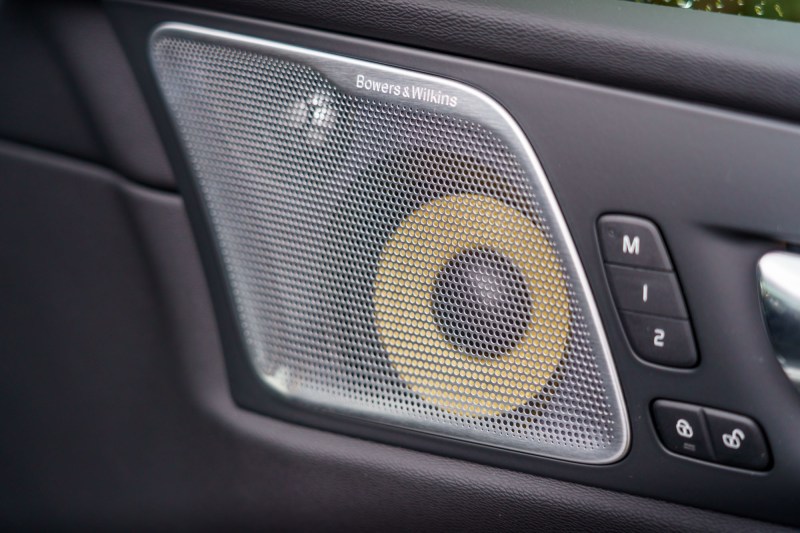
The hum of a well-tuned engine is one thing, but the clarity of a symphony filling your cabin? That’s the difference between a drive and an experience. The best audio brands for cars don’t just amplify sound—they craft an auditory journey, turning every commute into a concert hall on wheels. Whether you’re chasing the thunderous bass of a rock anthem or the crystalline highs of a jazz quartet, the right car audio system transforms your vehicle into a mobile sanctuary. But with options ranging from factory-installed speakers to custom-built, multi-amplifier setups, navigating the world of top-tier car audio brands demands more than just a cursory glance at specs. It requires an understanding of acoustics, power handling, and the subtle art of soundstage optimization.
The stakes are higher than ever. Modern drivers expect more than decent sound—they demand an immersive, theater-like experience without sacrificing clarity or power. This is where the best audio brands for cars separate the casual listener from the audiophile. Brands like JL Audio, Focal, and Alpine don’t just sell components; they engineer sonic landscapes. Yet, with so many variables—from subwoofer placement to digital signal processing—even the most discerning buyer can feel overwhelmed. The solution? A deep dive into what makes these brands stand out, how their technologies interact with your vehicle’s architecture, and why some systems cost thousands while others deliver near-professional results for a fraction of the price.
The Complete Overview of the Best Audio Brands for Cars
The market for high-performance car audio brands is no longer a niche—it’s a battleground of innovation, where companies push the boundaries of what’s possible inside a metal cocoon. From the raw power of competition-level subwoofers to the surgical precision of component speaker systems, the best audio brands for cars cater to every preference: the bass enthusiast, the audiophile seeking transparency, and the tech-savvy driver who wants seamless integration with smartphone apps. But not all systems are created equal. A $500 setup from a mid-tier brand might sound impressive in a showroom, yet falter under real-world conditions—where road noise, cabin resonance, and power limitations come into play. The key lies in understanding how these brands balance technology, durability, and sonic fidelity.What sets the leading car audio brands apart is their ability to adapt to the unique challenges of automotive environments. Unlike home audio systems, car audio must contend with vibrations, temperature fluctuations, and limited space. The best manufacturers—whether they’re legacy names like Kenwood or up-and-comers like SVS—design components that thrive in these conditions. This includes everything from weatherproofing and vibration damping to advanced DSP (Digital Signal Processing) that compensates for the acoustics of your car’s interior. The result? A system that doesn’t just play music—it performs it, turning your vehicle into a rolling studio where every note is crisp, every beat is felt, and every silence is intentional.
Historical Background and Evolution
The evolution of car audio brands mirrors the broader trajectory of consumer electronics, but with a twist: the constraints of a moving vehicle forced innovation. The 1970s and 1980s saw the rise of brands like Pioneer and Sony, which adapted their home audio technologies for cars, introducing compact cassette players and early AM/FM tuners. These systems were rudimentary by today’s standards, but they laid the foundation for what would become a multi-billion-dollar industry. By the 1990s, the shift to CD players and the advent of digital signal processing allowed brands to refine sound quality, with companies like Alpine and Kenwood leading the charge in Japan, where automotive audio culture was particularly strong.The 2000s marked a turning point with the integration of MP3 players and the rise of premium car audio brands that prioritized sound engineering over sheer volume. Brands like JL Audio and Focal emerged, catering to enthusiasts who demanded more than just "loud." The introduction of Bluetooth connectivity in the late 2000s further blurred the lines between car and home audio, as drivers sought seamless wireless streaming. Today, the best audio brands for cars are not just about raw power or high-end components—they’re about creating an ecosystem. Companies like Bang & Olufsen and Harman Kardon now offer fully integrated systems that sync with your phone, adapt to your listening habits, and even use AI to enhance sound based on your environment. The history of car audio isn’t just about getting louder; it’s about getting better.
Core Mechanisms: How It Works
At its core, car audio relies on three fundamental principles: amplification, transduction, and acoustic optimization. Amplifiers boost the weak signal from your source (whether it’s a CD, Bluetooth, or digital file) to a level that drivers and speakers can handle. The best car audio brands use Class D amplifiers, which are efficient and produce minimal heat, crucial in the confined space of a vehicle. Transduction—the process of converting electrical signals into sound—is where speakers come into play. Component systems, like those from Focal or Klipsch, separate tweeters, midranges, and woofers to deliver precise sound reproduction, whereas coaxial speakers combine these elements into a single unit for simplicity.Acoustic optimization is where the magic happens—or the frustration sets in. The best audio brands for cars understand that a car’s cabin is far from an ideal listening environment. Poor sound deadening, resonance from the doors or dashboard, and even the position of the seats can distort sound. That’s why top-tier brands offer not just speakers, but entire packages: sound-deadening materials, custom enclosures for subwoofers, and even software that adjusts EQ (equalization) based on your car’s specific acoustics. For example, a system from JL Audio might include a Digital Sound Processing (DSP) tuner that analyzes your cabin’s frequency response and adjusts in real time, ensuring that a bass-heavy track doesn’t turn your steering wheel into a subwoofer.
Key Benefits and Crucial Impact
Investing in the best audio brands for cars isn’t just about vanity—it’s about enhancing your daily life. A high-quality system can reduce driver fatigue by making navigation apps and phone calls clearer, improve safety by alerting you to sirens or horns more effectively, and even boost your mood with the right music at the right time. Studies suggest that listening to music while driving can lower stress levels, and a well-tuned car audio system amplifies that effect by delivering sound that’s immersive without being distracting. For audiophiles, the difference between a $200 aftermarket system and a premium car audio brand setup is like comparing a smartphone to a high-end headphone—one is functional, the other is transformative.Table of Contents
- The Complete Overview of the Best Audio Brands for Cars
- Historical Background and Evolution
- Core Mechanisms: How It Works
- Key Benefits and Crucial Impact
- Major Advantages
- Comparative Analysis
- Future Trends and Innovations
- Conclusion
- Comprehensive FAQs
- Q: What’s the difference between a component system and a coaxial speaker setup?
- Q: How important is sound deadening when upgrading car audio?
- Q: Can I install a high-end car audio system myself, or should I hire a professional?
- Q: What’s the best amplifier for a car audio system?
- Q: How do I choose between a digital tuner and a traditional FM/AM tuner?
- Q: Are there any car audio brands that specialize in electric vehicles (EVs)?
The impact extends beyond the driver’s seat. Passengers experience a level of sound quality that most home systems can’t match due to the proximity of speakers to the listener. A properly installed high-end car audio system can fill a cabin with depth, making you feel like you’re in the middle of the soundstage rather than on the periphery. This is particularly important for families or groups, where everyone can hear clearly without shouting. Even in terms of resale value, a vehicle equipped with a top-tier car audio brand system can command a premium, as enthusiasts and luxury buyers prioritize both performance and aesthetics.
"The best car audio systems don’t just play music—they create an emotional connection. It’s the difference between hearing a song and feeling it." — Mark Donnelly, Chief Audio Engineer at Focal
Major Advantages
- Superior Sound Clarity: The best car audio brands use advanced driver materials (like aluminum or titanium) to reproduce high frequencies with precision, ensuring vocals and instruments are distinct and natural.
- Power and Efficiency: Class D amplifiers and high-excursion subwoofers deliver deep, distortion-free bass without draining your car’s battery, even on long trips.
- Customization and Upgradability: Modular systems from brands like JL Audio or Rockford Fosgate allow you to start with a basic setup and expand with high-end components as your budget grows.
- Durability and Weather Resistance: Top-tier audio brands for cars design components to withstand extreme temperatures, humidity, and vibrations, ensuring longevity even in off-road conditions.
- Smart Integration: Modern systems sync with Apple CarPlay, Android Auto, and voice assistants, offering features like adaptive EQ, noise cancellation, and hands-free control.

Comparative Analysis
| Brand | Key Strengths |
|---|---|
| JL Audio | Industry-leading subwoofers and amplifiers; known for deep, controlled bass and high power handling. Ideal for competition-level setups. |
| Focal | Premium component speakers with exceptional clarity and imaging; favored by audiophiles for their transparency and detail. |
| Klipsch | Iconic horn-loaded tweeters for extended high-frequency response; great for rock and electronic music enthusiasts. |
| Alpine | Seamless OEM integration and high-end in-dash receivers; popular for luxury vehicles and aftermarket installations. |
Future Trends and Innovations
The next frontier for car audio brands lies in artificial intelligence and adaptive soundscapes. Companies are already experimenting with AI-driven EQ systems that learn your preferences and adjust in real time, whether you’re cruising at 70 mph or parked in a garage. Wireless car audio is another game-changer, with brands like Sony and Pioneer developing systems that eliminate the need for physical connections, using beamforming technology to direct sound precisely to the driver and passengers. Additionally, the rise of electric vehicles (EVs) presents new challenges—and opportunities. Without engine noise to mask audio imperfections, top car audio brands are developing active noise cancellation (ANC) systems that create a silent cabin, allowing music to shine without interference.Another trend is the convergence of car audio with augmented reality (AR). Imagine a system that not only plays music but also projects visuals onto your windshield, syncing with your playlist or navigation. Brands like Harman Kardon are already exploring haptic feedback systems, where your seat or steering wheel vibrates in sync with bass frequencies, adding a tactile dimension to the listening experience. As vehicles become more connected, the line between car audio and home entertainment will continue to blur, with leading audio brands for cars positioning themselves as the architects of the next era of immersive sound.

Conclusion
Choosing the right best audio brands for cars comes down to balancing your priorities: whether it’s raw power, audiophile-grade clarity, or smart integration. There’s no one-size-fits-all solution, but understanding the strengths of each brand—and how they interact with your vehicle’s acoustics—will ensure you make an investment that enhances every drive. The right system doesn’t just fill your car with sound; it transforms the act of driving into an experience, one where the road becomes a canvas and the music becomes the masterpiece.As technology advances, the possibilities for car audio systems are limitless. What was once a luxury is now an expectation, and the brands leading the charge are those that push boundaries without compromising on quality. Whether you’re a basshead, an audiophile, or simply someone who appreciates great sound, the best audio brands for cars offer a world of options—each designed to turn your daily commute into something extraordinary.
Comprehensive FAQs
Q: What’s the difference between a component system and a coaxial speaker setup?
A component system separates tweeters, midranges, and woofers into individual drivers, allowing for precise sound staging and better high-frequency response. Coaxial speakers combine these elements into one unit, which is easier to install but may lack the clarity and depth of a component setup. For best audio brands for cars, component systems (like those from Focal or Klipsch) are often the preferred choice for audiophiles.
Q: How important is sound deadening when upgrading car audio?
A: Sound deadening is critical for reducing vibrations and resonance, which can distort sound and muddy bass. The best car audio brands recommend using materials like Dynamat or Kilmat to treat your doors, trunk, and firewall. Without proper deadening, even high-end speakers may sound underwhelming due to unwanted noise and rattles.
Q: Can I install a high-end car audio system myself, or should I hire a professional?
A: While basic installations (like swapping out factory speakers) can be DIY-friendly, complex setups—especially those involving amplifiers, subwoofers, or premium car audio brands like JL Audio—require professional wiring and tuning. Poor installation can damage components, void warranties, and even pose a fire risk if wiring isn’t handled correctly.
Q: What’s the best amplifier for a car audio system?
A: The best amplifier depends on your power needs and budget. For high-performance car audio brands, Class D amplifiers (like those from JL Audio or Rockford Fosgate) are ideal due to their efficiency and low heat output. Match the amplifier’s RMS power to your speakers’ requirements to avoid distortion or clipping.
Q: How do I choose between a digital tuner and a traditional FM/AM tuner?
A: Digital tuners (like those from top car audio brands such as Pioneer or Sony) offer better sound quality, fewer static interferences, and often include features like HD Radio or internet streaming. Traditional tuners are simpler and may suffice if you primarily listen to local stations, but digital tuners provide superior clarity and reliability.
Q: Are there any car audio brands that specialize in electric vehicles (EVs)?
A: Yes, brands like Harman Kardon and Bang & Olufsen are developing EV-specific audio systems that leverage the silent cabin of electric cars to deliver immersive soundscapes. These systems often include advanced ANC (Active Noise Cancellation) and adaptive EQ to compensate for the lack of engine noise.
Leave a Comment
Comments are moderated before appearing. The data you submit is processed according to the Privacy Policy of Medicine.