What Is an Acquisition? The Hidden Power Behind Corporate Growth

When a company secures another’s assets, talent, or market share—not through organic growth but through a calculated financial maneuver—it’s not just a transaction. It’s a seismic shift in competitive positioning. The question what is an acquisition cuts to the core of how businesses expand beyond their own capabilities, often overnight. These moves don’t merely add balance-sheet weight; they rewrite industry rules, consolidate monopolies, or spark innovation by merging disparate strengths. The 2021 $45 billion acquisition of iRobot by Amazon wasn’t just about robots—it was about integrating AI-driven home automation into a retail giant’s ecosystem, a play that redefined both companies’ futures.
Yet the term itself is often misused. An acquisition isn’t the same as a merger (where two equals combine), nor is it merely a hostile takeover (though those exist). It’s a deliberate, structured process where one entity gains control—whether through stock purchases, asset swaps, or leveraged buyouts—while the acquired target’s identity may dissolve, evolve, or persist as a subsidiary. The stakes are high: failed acquisitions like HP’s botched Autonomy purchase (a $11.1 billion write-down) serve as cautionary tales, while successes like Microsoft’s LinkedIn buyout (now a $30B+ revenue generator) prove the potential. Understanding what is an acquisition means grasping both the art and the science behind these high-risk, high-reward gambits.
The mechanics behind these deals are deceptively complex. Behind the headlines of CEOs shaking hands lie layers of due diligence, regulatory hurdles, and financial engineering that can make or break a company. Whether it’s a private equity firm snapping up a distressed manufacturer to flip for profit or a tech titan acquiring a startup to plug a gap in its R&D pipeline, the underlying question remains: Why does this transaction create value? The answer lies in the alchemy of synergies—cost savings, market expansion, talent acquisition, or intellectual property—all of which must outweigh the premium paid. The failure to quantify these intangibles is why nearly 70% of acquisitions underdeliver on promised returns.
The Complete Overview of What Is an Acquisition
At its essence, an acquisition is a transaction where one company acquires a controlling stake in another, typically to integrate its operations, assets, or capabilities into its own business. Unlike mergers—where two entities combine to form a new entity—acquisitions are asymmetric: the acquiring firm retains its identity while absorbing or restructuring the target. This distinction matters legally, financially, and strategically. For instance, when Disney acquired 21st Century Fox in 2019, it wasn’t merging with Fox; it was absorbing its film library, streaming assets, and talent to dominate the entertainment ecosystem. The acquired entity’s shareholders receive cash, stock, or a mix of both, while the acquirer assumes liabilities unless carved out in the deal structure.
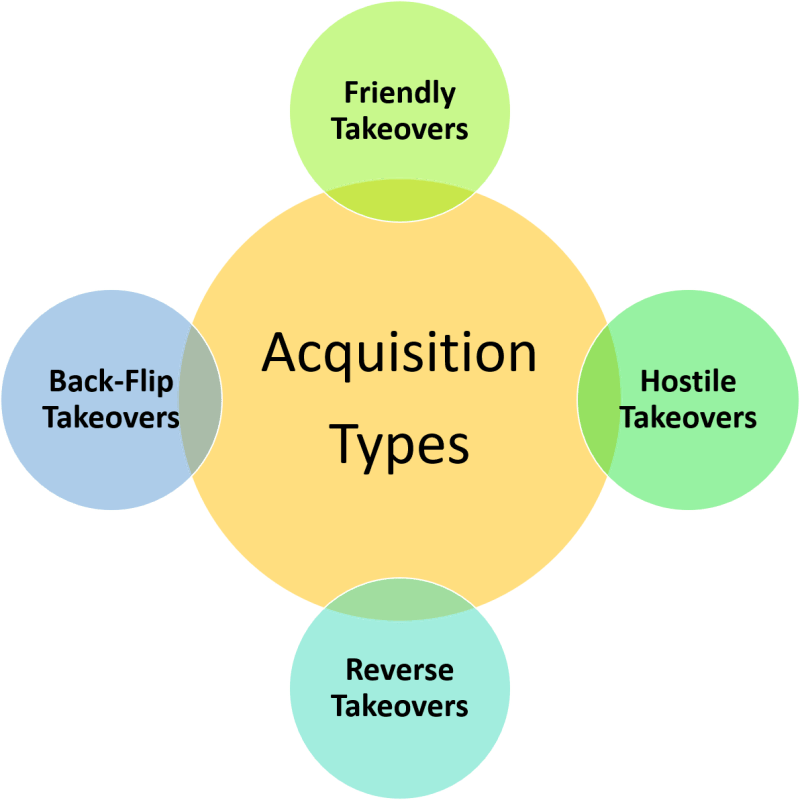
The term what is an acquisition encompasses a spectrum of deal types, each with unique motivations. A strategic acquisition targets a competitor’s market share or technology (e.g., Google’s purchase of Motorola Mobility to bolster Android patents). A financial acquisition, often by private equity firms, focuses on restructuring and selling assets for profit (e.g., KKR’s leveraged buyout of Toys “R” Us before its bankruptcy). Then there are hostile acquisitions, where the target resists, forcing the acquirer to outmaneuver shareholders or regulators (e.g., Pfizer’s failed attempt to buy AstraZeneca’s COVID vaccine patents). The method of acquisition—cash, stock, debt, or a combination—also shapes the deal’s risk profile and tax implications.
Historical Background and Evolution
The modern concept of acquisitions traces back to the late 19th century, when industrialists like John D. Rockefeller used horizontal and vertical integrations to monopolize oil refining. Rockefeller’s Standard Oil didn’t just grow organically; it systematically acquired competitors, pipelines, and even rival businesses’ distribution networks. This era laid the foundation for what would become corporate consolidation, though antitrust laws later fragmented these empires. The 20th century saw acquisitions evolve from brute-force monopolization to sophisticated financial engineering. The 1980s leveraged buyout (LBO) boom—fueled by junk bonds and debt—turned acquisitions into a Wall Street spectacle, with firms like Kohlberg Kravis Roberts (KKR) becoming household names.
Table of Contents
- The Complete Overview of What Is an Acquisition
- Historical Background and Evolution
- Core Mechanisms: How It Works
- Key Benefits and Crucial Impact
- Major Advantages
- Comparative Analysis
- Future Trends and Innovations
- Conclusion
- Comprehensive FAQs
- Q: What’s the difference between an acquisition and a merger?
- Q: How do companies finance acquisitions?
- Q: Why do so many acquisitions fail?
- Q: Are hostile acquisitions common?
- Q: How do regulators scrutinize acquisitions?
- Q: What role do private equity firms play in acquisitions?
- Q: Can small businesses be acquired?
- Q: How long does an acquisition process take?
- Q: What’s the most expensive acquisition ever?
Today, the landscape is dominated by strategic acquisitions driven by digital transformation. Tech giants like Meta (formerly Facebook) and Alphabet have spent billions acquiring startups not for their revenue but for their talent, algorithms, or unproven technologies (e.g., Meta’s $400M purchase of a tiny AI startup to compete with OpenAI). Meanwhile, private equity has refined the art of the roll-up: acquiring niche businesses, consolidating them, and selling the combined entity for a premium. The evolution of what is an acquisition reflects broader economic shifts—from industrial monopolies to platform-based ecosystems where data and intellectual property are the new currency. Regulatory environments have adapted too, with agencies like the FTC scrutinizing deals for anti-competitive effects (e.g., blocking AT&T’s proposed Time Warner merger in 2018).
Core Mechanisms: How It Works
The process of executing an acquisition begins with target identification, where firms evaluate potential candidates based on strategic fit, valuation, and synergies. Due diligence—the most critical phase—digs into financials, legal risks, operational health, and cultural compatibility. A deal’s structure (cash vs. stock) depends on market conditions and tax efficiency; cash offers provide certainty but drain liquidity, while stock deals align incentives but expose acquirers to volatility. Financing often involves debt, equity, or a hybrid approach, with private equity firms frequently using high-leverage deals to amplify returns. For example, when Blackstone acquired Hilton Worldwide in 2007, it used $7.4 billion in debt to fund the $26.6 billion purchase, betting on Hilton’s ability to service the load.
Closing the deal triggers integration—a phase where up to 60% of acquisition value can be lost if mismanaged. Successful integrations require clear communication, cultural alignment, and rapid operational alignment. Failed integrations, like SAP’s troubled acquisition of Qualtrics, often stem from overpaying for growth or neglecting post-deal execution. Regulatory approvals add another layer of complexity, especially in cross-border deals (e.g., China’s restrictions on foreign acquisitions in sensitive sectors). The entire process, from initial approach to full integration, can take 12–18 months, during which the acquirer must balance speed with thoroughness to avoid costly surprises.
Key Benefits and Crucial Impact
Companies pursue acquisitions to achieve what organic growth cannot: immediate scale, access to new markets, or capabilities that would take years to develop in-house. The right acquisition can eliminate a competitor, plug a technological gap, or diversify revenue streams overnight. For example, when Pfizer acquired Zoetis in 2013, it didn’t just gain a $5 billion animal health business; it secured a steady cash flow stream and R&D pipeline that complemented its human pharmaceuticals. The impact extends beyond finance: acquisitions can reshape industries by setting new standards (e.g., Amazon’s Whole Foods purchase redefined grocery retail) or sparking innovation through talent infusion (e.g., Google’s DeepMind acquisition accelerated AI research).
Yet the benefits are not guaranteed. Studies show that 70–90% of acquisitions fail to meet financial projections, often due to overvaluation, integration failures, or cultural clashes. The human cost is also significant: layoffs, leadership changes, and demoralized workforces can erode the very assets the acquirer sought to gain. The question what is an acquisition thus demands a nuanced answer: it’s a tool for growth, but one wielded with precision—or at great peril.
"Acquisitions are like marriages. The chemistry has to be right, the expectations aligned, and both parties must be willing to compromise—or the divorce will be messy and expensive."
— Warren Buffett, on the importance of cultural fit in M&A
Major Advantages
- Rapid Market Entry: Acquiring an established player in a new geography or sector bypasses years of R&D or market penetration (e.g., Netflix’s acquisition of Licensing International to expand into Latin America).
- Talent and IP Acquisition: Startups with proprietary tech or niche expertise are often acquired for their teams rather than their revenue (e.g., Facebook’s purchase of Instagram for its founder and user base).
- Cost Synergies: Merging operations can cut redundant expenses—shared supply chains, consolidated HQs, or eliminated overlapping roles—boosting margins (e.g., Anheuser-Busch InBev’s acquisitions reduced brewing costs globally).
- Competitive Moats: Eliminating rivals or securing exclusive assets (patents, distribution networks) can create barriers to entry (e.g., Disney’s Fox deal strengthened its streaming dominance).
- Financial Engineering: Leveraged buyouts allow acquirers to use the target’s assets as collateral for growth, as seen in private equity’s roll-up strategies (e.g., Bain Capital’s acquisition of Burger King).

Comparative Analysis
| Acquisition | Merger |
|---|---|
| One company absorbs another; acquirer retains its identity. | Two equals combine to form a new entity (e.g., Exxon + Mobil = ExxonMobil). |
| Common in hostile takeovers or strategic buys (e.g., Activision Blizzard’s acquisition by Microsoft). | Often friendly, with shared governance (e.g., Chevron + Texaco merger). |
| Risk of integration failure higher due to asymmetric power dynamics. | Cultural alignment is critical but may be easier with equal partners. |
| Tax implications vary by jurisdiction (e.g., asset vs. stock purchases). | May trigger corporate tax events in some countries. |
Future Trends and Innovations
The next decade of acquisitions will be shaped by three megatrends: digital consolidation, ESG-driven deals, and cross-border regulatory shifts. Tech giants will continue snapping up AI, cloud, and cybersecurity firms to fortify their platforms, while private equity firms will target undervalued assets in distressed sectors like retail and media. The rise of special purpose acquisition companies (SPACs)—blank-check firms that go public to acquire private companies—has already democratized access to capital for startups, potentially increasing deal volume. Meanwhile, environmental, social, and governance (ESG) criteria are becoming non-negotiable; acquirers now scrutinize targets’ sustainability practices and labor records (e.g., Unilever’s acquisition of Seventh Generation for its eco-friendly brand).
Regulatory landscapes will also reshape what is an acquisition in the coming years. Governments are tightening scrutiny on deals that reduce competition, as seen in the EU’s Digital Markets Act and the U.S. FTC’s crackdown on Big Tech acquisitions. Cross-border deals will face heightened scrutiny over data localization laws (e.g., China’s restrictions on foreign ownership in tech). Meanwhile, emerging markets like India and Southeast Asia will see more acquisitions as multinational firms seek cost advantages and talent pools. The future of acquisitions lies in agility: firms that can move swiftly, integrate seamlessly, and align with global trends will thrive, while those stuck in rigid playbooks will fall behind.
Conclusion
The question what is an acquisition reveals more than a financial transaction—it exposes the DNA of corporate strategy. Whether it’s a stealthy startup buyout or a blockbuster $100 billion megadeal, acquisitions are the ultimate expression of ambition: a bet that two entities together are worth more than the sum of their parts. The data doesn’t lie: the right acquisition can catapult a company into a new era, while the wrong one can sink it. Success hinges on three pillars: strategic rationale (why this target?), execution discipline (how will it integrate?), and cultural foresight (can the two organizations coexist?).
As industries converge and capital becomes more patient, acquisitions will remain a cornerstone of growth. The companies that master this art—balancing boldness with prudence—will dictate the next chapter of global business. For the rest, the lesson is clear: in the world of acquisitions, due diligence isn’t just a step in the process. It’s the difference between a legacy and a footnote.
Comprehensive FAQs
Q: What’s the difference between an acquisition and a merger?
A: An acquisition involves one company taking control of another (e.g., Disney acquiring Fox), while a merger combines two equals into a new entity (e.g., Exxon + Mobil). In acquisitions, the acquirer usually dominates; in mergers, governance is shared.
Q: How do companies finance acquisitions?
A: Financing options include cash (from reserves or loans), stock (issuing shares to the target’s shareholders), debt (leveraged buyouts), or a mix. Private equity firms often use high-debt structures to amplify returns, while strategic acquirers may prefer stock to avoid diluting earnings.
Q: Why do so many acquisitions fail?
A: Common pitfalls include overpaying for growth, poor cultural integration, underestimating regulatory hurdles, or failing to realize synergies. Up to 70% of deals underperform due to these issues, per Harvard Business Review studies.
Q: Are hostile acquisitions common?
A: Less common today than in the 1980s, hostile takeovers (where the target resists) now account for <10% of deals. Most acquisitions are negotiated, but hostile tactics—like tender offers or proxy fights—still occur in contested situations (e.g., Carl Icahn’s activism at Cadbury).
Q: How do regulators scrutinize acquisitions?
A: Agencies like the FTC (U.S.), EU Commission, and CFIUS (China) review deals for anti-competitive effects, national security risks, or consumer harm. For example, the EU blocked Microsoft’s Activision Blizzard acquisition in 2023 over gaming competition concerns.
Q: What role do private equity firms play in acquisitions?
A: Private equity firms specialize in leveraged buyouts, using debt to acquire companies, then restructuring them for profit (e.g., selling assets, improving operations). They often target undervalued or distressed businesses, as seen in KKR’s Toys “R” Us deal.
Q: Can small businesses be acquired?
A: Yes, but they’re typically targets for strategic buyers (e.g., a larger firm needing their tech or customer base) or private equity firms looking for roll-up opportunities. Small acquisitions are often asset purchases to avoid liabilities, with valuations based on EBITDA multiples.
Q: How long does an acquisition process take?
A: From initial approach to closing, the timeline varies: 3–6 months for straightforward deals, 12–18 months for complex integrations. Due diligence alone can take 2–3 months, with regulatory approvals adding delays (e.g., antitrust reviews).
Q: What’s the most expensive acquisition ever?
A: The record holder is Pfizer’s $160 billion acquisition of Wyeth in 2009 (later adjusted for inflation). Today’s largest is Microsoft’s $69 billion Activision Blizzard deal (2023), reflecting Big Tech’s appetite for gaming and cloud integration.
Leave a Comment
Comments are moderated before appearing. The data you submit is processed according to the Privacy Policy of Medicine.