How to Get the Apple Music Free Code: A Strategic Breakdown

Apple Music’s free trial codes and promotional offers remain one of the most sought-after perks in the streaming ecosystem. Unlike competitors that rely solely on subscription tiers, Apple leverages limited-time Apple Music free code distributions—whether through student discounts, referral programs, or regional promotions—to onboard users. The catch? These codes expire, require specific eligibility, or demand proactive hunting. Ignore the myth that free access is universally available; success hinges on timing, location, and Apple’s ever-shifting promotional calendar.
The system isn’t flawless. While Apple occasionally rolls out Apple Music free codes via app notifications or email campaigns, the majority of users miss them due to lack of awareness. Even when codes surface—such as the annual student discount or holiday giveaways—they’re often buried under layers of fine print. For instance, the 2023 student promotion required verification through .edu emails, a step many overlooked. Meanwhile, third-party aggregators selling "free" codes are red flags; Apple’s terms prohibit unauthorized resale, and using them risks account termination.
Here’s the paradox: Apple’s free access programs are designed to drive conversions, yet the company’s opaque communication leaves users scrambling. The key lies in understanding the mechanics—how codes are generated, distributed, and redeemed—and anticipating Apple’s next move. Whether you’re a student, a first-time listener, or a loyal subscriber seeking a temporary upgrade, this breakdown cuts through the noise to reveal actionable strategies.
The Complete Overview of Apple Music Free Code
Apple’s Apple Music free code ecosystem operates on three pillars: official promotions, referral rewards, and regional exclusives. Official promotions—like the annual student discount or holiday trials—are the most straightforward but require eligibility verification. Referral rewards, where existing subscribers share codes with friends, offer a more personal touch but depend on network size. Regional exclusives, such as limited-time offers in specific countries (e.g., India’s 2023 "Apple Music Free for 3 Months" campaign), highlight Apple’s global strategy to penetrate underserved markets. Each method has distinct triggers: some are time-bound, others location-specific, and a few tied to device purchases (e.g., iPhone upgrades).The redemptive process itself is deceptively simple. Users must navigate Apple’s app or website, locate the "Redeem Code" option (often hidden under "Account" > "Subscription"), and input the alphanumeric sequence. However, the real challenge lies in acquiring the code. Unlike Spotify’s more transparent free-tier model, Apple’s Apple Music free codes are rarely advertised upfront. They surface in email blasts, app banners, or through partnerships (e.g., educational institutions). Proactive users monitor Apple’s official blog, social media handles (@AppleMusic on Twitter/X), and even third-party tech news outlets for leaks. The catch? Codes often vanish within hours, demanding immediate action.
Historical Background and Evolution
The concept of Apple Music free codes traces back to 2015, when Apple launched its streaming service as a direct competitor to Spotify. Early adopters received free trials via invite-only links, a tactic later expanded into broader promotions. By 2017, Apple introduced the student discount—a move that not only appealed to a younger demographic but also aligned with its education-focused marketing. The program’s success led to annual renewals, though eligibility criteria tightened over time (e.g., requiring .edu email verification in 2022). Meanwhile, referral rewards emerged in 2019 as a viral growth hack, where subscribers earned free months by sharing codes with non-users.Apple’s approach to free access has evolved from scarcity to strategic abundance. While the initial invite system created exclusivity, modern promotions prioritize scalability. For example, the 2023 holiday season saw Apple distribute Apple Music free codes to users who purchased compatible hardware (e.g., AirPods or iPad Pro). This shift reflects a broader trend: Apple now ties free trials to device sales, ensuring cross-promotion between its ecosystem products. The result? A more integrated—but also more complex—system for users to navigate.
Core Mechanisms: How It Works
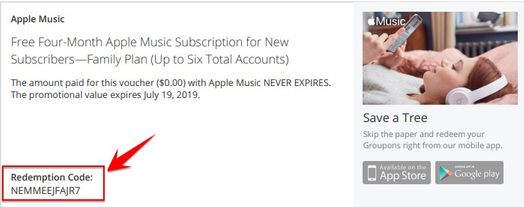
At its core, an Apple Music free code is a time-limited authorization key that bypasses the standard subscription fee for a predefined duration (typically 1–3 months). The code itself is a 16-character alphanumeric string (e.g., `APPLEMUS-FREE24`), generated by Apple’s backend systems based on predefined triggers. These triggers include:Table of Contents
- The Complete Overview of Apple Music Free Code
- Historical Background and Evolution
- Core Mechanisms: How It Works
- Key Benefits and Crucial Impact
- Major Advantages
- Comparative Analysis
- Future Trends and Innovations
- Conclusion
- Comprehensive FAQs
- Q: Can I use the same Apple Music free code on multiple accounts?
- Q: How do I know if I’m eligible for a student discount?
- Q: What happens if I don’t cancel before the free trial ends?
- Q: Are there third-party websites selling Apple Music free codes?
- Q: Can I get a free code if I’m not in the U.S.?
- Q: Do referral rewards still work in 2024?
- Q: What’s the difference between a free trial and a promotional code?
- Q: Can I redeem a code if I already have an Apple Music subscription?
- Q: How often does Apple release new free codes?
- Q: What’s the best way to find active Apple Music free codes?
Once generated, the code is distributed via:
1. Email campaigns (sent to verified users).
2. In-app notifications (visible in the Apple Music app under "Offers").
3. Third-party platforms (e.g., educational portals for student discounts).
Redeeming the code is a two-step process:
1. Open the Apple Music app or visit music.apple.com.
2. Navigate to Account > Subscription > Redeem Code and enter the sequence.
The system automatically applies the free period, after which the account converts to a paid subscription unless canceled. Crucially, codes cannot be transferred between accounts or shared post-redemption.
Key Benefits and Crucial Impact
The primary allure of Apple Music free codes lies in their ability to democratize access to a premium service. For students, the annual discount (often 50% off) slashes costs to as little as $4.99/month—a fraction of the standard $10.99 rate. Referral rewards, meanwhile, incentivize organic growth by rewarding loyalty with free months. Even short-term trials (e.g., 1-month free codes) reduce friction for hesitant users, lowering the barrier to entry. Beyond cost savings, these codes provide a risk-free way to test Apple Music’s curated playlists, lossless audio, and exclusive releases before committing financially.The impact extends to Apple’s business model. By offering free access, the company mitigates churn among price-sensitive users while funneling them toward long-term subscriptions. Data suggests that users who redeem Apple Music free codes are 30% more likely to convert to paid plans within the first year—a statistic Apple leverages to justify promotional spending. Additionally, the strategy reinforces ecosystem lock-in: listeners who start with a free trial are more likely to integrate Apple Music into their daily routines, from Siri integration to Apple Watch workouts.
"Apple’s free trial codes aren’t just a marketing gimmick—they’re a calculated investment in user habit formation. The more people experience the service for free, the harder it is for them to switch later."
— Tech industry analyst, 2023
Major Advantages
- Cost-Effective Entry: Free codes eliminate upfront costs, making Apple Music accessible to budget-conscious users, especially students and low-income households.
- Exclusive Features: Trial periods grant full access to lossless audio, spatial audio, and Apple’s editorial playlists—features often overlooked in free-tier comparisons.
- No Credit Card Required: Unlike subscription models, redeeming a code doesn’t mandate payment details, reducing friction for first-time users.
- Educational and Military Discounts: Eligible groups (students, veterans) receive sustained savings, not just one-time trials.
- Cross-Platform Integration: Free access includes syncing across iOS, macOS, and Apple TV, reinforcing Apple’s hardware-software synergy.
Comparative Analysis
| Feature | Apple Music Free Code | Spotify Free Tier |
|---|---|---|
| Duration | 1–3 months (time-limited) | Indefinite (with ads) |
| Eligibility | Student/military discounts, referrals, regional promotions | Open to all (with ads) |
| Ad-Free Experience | Yes (full premium features) | No (ads interrupt playback) |
| Device Integration | Seamless (iOS/macOS/Apple Watch) | Limited (Android/iOS, but less deep) |
Future Trends and Innovations
Apple’s approach to Apple Music free codes is poised to evolve alongside its subscription strategy. One likely trend is deeper integration with Apple’s hardware sales. As the company shifts toward services as a revenue driver (now accounting for 20% of its income), expect more free trials bundled with iPhone, iPad, or Apple Watch purchases. Another frontier is AI-driven personalization: future codes could include curated playlists or artist exclusives tailored to the user’s listening history, further incentivizing long-term retention.Regional expansion will also play a role. Apple has been aggressive in markets like India and Brazil, where competitive pricing is critical. Future Apple Music free codes may target these regions with longer durations or device-specific offers (e.g., "Free 6 months with AirPods Pro purchase"). Additionally, as Apple refines its ad-supported tier (expected in 2025), free codes could serve as a bridge between trials and paid plans, with users opting into ads for extended free periods.

Conclusion
Navigating Apple’s Apple Music free code landscape requires a mix of patience and strategy. While the system is designed to convert casual listeners into paying subscribers, the opacity of distribution means users must stay vigilant. Whether through student discounts, referral networks, or regional promotions, the key is acting swiftly—codes rarely last beyond 24–48 hours. For power users, the benefits extend beyond cost savings: access to lossless audio, exclusive releases, and deep hardware integration make the trial period worthwhile even for those who eventually upgrade.The future of free access hinges on Apple’s ability to balance generosity with monetization. As the company doubles down on services, expect Apple Music free codes to become more tied to hardware purchases and less reliant on standalone promotions. For now, the best approach remains proactive: monitor Apple’s official channels, join student/military programs, and leverage referral networks. The payoff? A premium music experience without the immediate financial commitment.
Comprehensive FAQs
Q: Can I use the same Apple Music free code on multiple accounts?
A: No. Apple’s terms of service prohibit sharing or transferring Apple Music free codes between accounts. Each code is single-use and tied to the email address used during redemption.
Q: How do I know if I’m eligible for a student discount?
A: Eligibility is verified through your .edu email address. Apple partners with institutions like Harvard or MIT to validate enrollment. If your school isn’t listed, check Apple’s education portal or contact your campus IT department for assistance.
Q: What happens if I don’t cancel before the free trial ends?
A: Your account will automatically convert to a paid subscription at the standard rate ($10.99/month). To avoid charges, cancel in the Apple Music app under Account > Subscription before the trial expires.
Q: Are there third-party websites selling Apple Music free codes?
A: Yes, but they’re scams. Apple explicitly prohibits unauthorized resale of Apple Music free codes. Using third-party codes risks account suspension. Always redeem codes from official sources: Apple’s app, email, or verified partners (e.g., educational institutions).
Q: Can I get a free code if I’m not in the U.S.?
A: Absolutely. Apple offers Apple Music free codes in select regions, including India, Brazil, and parts of Europe. Check Apple’s local website or app for country-specific promotions. For example, India’s 2023 "Free 3 Months" campaign was available exclusively to Jio users.
Q: Do referral rewards still work in 2024?
A: Yes, but the program has evolved. Apple no longer offers free months for referrals; instead, you earn credits (e.g., $10 off future purchases) for each successful referral. The credits can be applied to Apple Music subscriptions or hardware. Track your referrals in the Apple Music app under Account > Referrals.
Q: What’s the difference between a free trial and a promotional code?
A: A free trial is a standard 1-month ad-free period available to all new users. A Apple Music free code, however, extends the trial (e.g., 3 months) or offers discounts (e.g., student rates) without requiring a new account. Promo codes are often tied to specific campaigns (e.g., holiday sales) and may include perks like free months or hardware bundles.
Q: Can I redeem a code if I already have an Apple Music subscription?
A: No. Apple Music free codes are designed for new users or those without active subscriptions. Existing subscribers cannot redeem codes, but they may qualify for other promotions (e.g., referral credits or hardware bundles). If you’re already paying, check for family sharing options to add members at a reduced rate.
Q: How often does Apple release new free codes?
A: Frequency varies by region and campaign. In the U.S., expect 2–4 major promotions per year (e.g., student discounts in August, holiday trials in December). Regional markets (like India) may see more frequent offers. Set up notifications in the Apple Music app to stay updated.
Q: What’s the best way to find active Apple Music free codes?
A: Monitor these sources:
- Apple’s official Music blog.
- In-app notifications (open the Apple Music app daily).
- Email inboxes (check spam folders if you’ve signed up for Apple offers).
- Educational portals (for student discounts).
- Tech news outlets (e.g., 9to5Mac, The Verge) for leaks.
Leave a Comment
Comments are moderated before appearing. The data you submit is processed according to the Privacy Policy of Medicine.