The Hidden Magic: Deep Dive into the Actors in *The Good Witch*
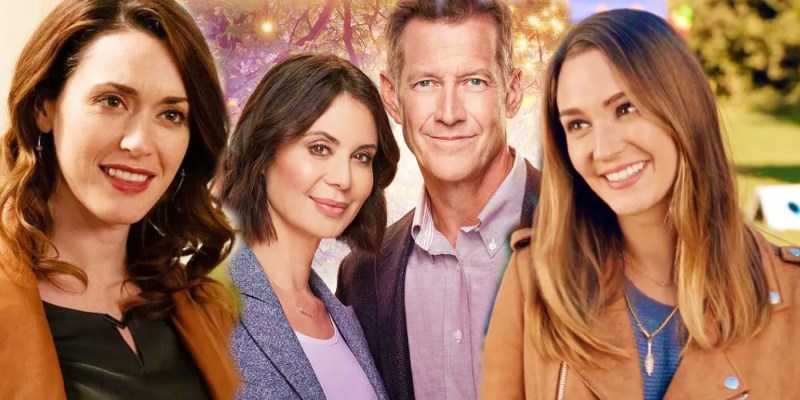
The Good Witch isn’t just a modern-day fairy tale—it’s a carefully crafted homage to classic witchcraft lore, blending small-town charm with supernatural intrigue. At its heart lies the ensemble of actors in The Good Witch, whose performances breathe life into the show’s eerie yet heartwarming narrative. Catherine Bell, the show’s magnetic lead, embodies the duality of witchcraft: both a guardian of the occult and a protector of the community. Her portrayal of Cassie Nightingale has redefined witchy protagonists on television, merging mysticism with relatability. Meanwhile, Ryan Cartwright’s portrayal of the enigmatic and brooding Lucas Taylor adds a layer of tension, grounding the supernatural in human stakes. Together, they form the backbone of a series that has captivated audiences with its balance of mystery and warmth.
What makes the actors in The Good Witch so compelling is their ability to navigate the show’s delicate tone—equal parts whimsical and dark. The casting choices reflect a deliberate strategy: pairing Bell’s veteran experience with rising stars like Cartwright and Tania Raymont (as the mischievous but lovable Willow) creates a dynamic that feels both nostalgic and fresh. Behind every spell cast on-screen is a meticulous performance, where subtle glances and measured dialogue elevate the show’s atmospheric storytelling. Even the supporting cast, from the town’s skeptical sheriff to the quirky locals, plays a role in reinforcing the series’ central theme: that magic thrives in the spaces between skepticism and belief.
The show’s success isn’t just about its premise—it’s about the chemistry among the actors in The Good Witch. Scenes where Cassie debates ethics with Lucas or banters with Willow feel organic, as if these characters have existed beyond the script. This authenticity has turned the series into a cultural touchstone, sparking conversations about representation in witchcraft narratives and the enduring appeal of small-town dramas. For fans, the cast isn’t just performing; they’re participating in a modern mythos, where every episode peels back another layer of the town’s secrets—and their own.
The Complete Overview of the Actors in The Good Witch
The Good Witch premiered in 2015, reviving the witchcraft genre with a fresh, character-driven approach. The show’s creators, David Greenwalt and John Muth, sought to modernize the archetype of the witch, moving away from the one-dimensional villains of classic horror. Their vision required a cast capable of balancing supernatural intrigue with emotional depth—a challenge met by the actors in The Good Witch, who brought nuance to roles that could have easily veered into caricature. Catherine Bell, known for her work in Buffy the Vampire Slayer and Supernatural, was the natural choice to lead as Cassie Nightingale, a witch who fled her past but remains haunted by it. Her ability to convey both vulnerability and strength made her the perfect anchor for the series.
The supporting cast was assembled with equal care. Ryan Cartwright, a former child actor turned method performer, was cast as Lucas Taylor, a man with his own dark secrets tied to Cassie’s history. His performance introduced layers of moral ambiguity, forcing audiences to question who the true villain might be. Meanwhile, Tania Raymont’s Willow Nightingale—Cassie’s younger sister—added levity and heart, grounding the show’s darker elements in familial warmth. The ensemble’s chemistry wasn’t accidental; it was the result of rigorous auditions and collaborative rewrites, ensuring that every actor in The Good Witch could hold their own in a narrative where trust is a currency as valuable as magic.
Historical Background and Evolution
The witchcraft genre has a long history in television, from the campy Bewitched to the gritty Charmed. However, The Good Witch distinguished itself by rejecting the tropes of either extreme. Instead, it drew inspiration from dark folklore and Gothic literature, where witches were often outcasts struggling to reconcile their power with humanity. The show’s creators aimed to create a witch who was neither wholly good nor evil—a morally gray figure whose actions were driven by survival rather than malice. This shift required the actors in The Good Witch to embody a complexity rarely seen in the genre. Catherine Bell, in particular, had to navigate Cassie’s internal conflict: a woman who uses her gifts to help others but is constantly reminded of the cost of her choices.
Table of Contents
- The Complete Overview of the Actors in The Good Witch
- Historical Background and Evolution
- Core Mechanisms: How It Works
- Key Benefits and Crucial Impact
- Major Advantages
- Comparative Analysis
- Future Trends and Innovations
- Conclusion
- Comprehensive FAQs
- Q: Who is the lead actor in The Good Witch , and why was Catherine Bell cast?
- Q: How did Ryan Cartwright prepare for his role as Lucas Taylor?
- Q: Are there any real-life connections between the actors in The Good Witch ?
- Q: How has The Good Witch influenced modern witchcraft representation?
- Q: What was the biggest challenge for the actors in The Good Witch during filming?
- Q: Will any of the actors in The Good Witch reprise their roles in future projects?
- Q: How did the cast handle the show’s darker themes, like Cassie’s past traumas?
- Q: Are there any behind-the-scenes secrets about the actors in The Good Witch ?
- Q: How has the show’s fanbase impacted the actors’ careers?
Over six seasons, the cast evolved alongside the show’s mythology. Early seasons focused on Cassie’s reintegration into the town of Middleton Ridge, while later installments delved deeper into the supernatural threats lurking beneath the surface. The actors adapted, with Bell’s Cassie growing more assertive and Cartwright’s Lucas becoming a more active participant in the magical world. Even the supporting cast, like David Haydn-Jones as the skeptical Sheriff Jake Russell, developed arcs that reflected the show’s themes of redemption and second chances. The result was a rare television ensemble where every actor in The Good Witch felt essential to the narrative’s expansion.
Core Mechanisms: How It Works
The magic system in The Good Witch is subtle, relying more on psychological tension than overt displays of power. Cassie’s abilities—such as healing, weather manipulation, and divination—are framed as innate talents rather than supernatural feats, which allows the actors in The Good Witch to focus on emotional storytelling. For example, a scene where Cassie uses her gifts to save a life isn’t just about the spell cast; it’s about the moral dilemma she faces afterward. This approach forces the actors to convey internal conflict through micro-expressions and tone, making their performances feel deeply human. Bell, in particular, excels at this, using pauses and glances to communicate Cassie’s exhaustion with her role as a savior.
The show’s success also hinges on the dynamic between its leads. Cassie and Lucas’s relationship is the emotional core of the series, with the actors in The Good Witch creating a push-and-pull that feels authentic. Cartwright’s Lucas is a man torn between his loyalty to Cassie and his own demons, while Bell’s Cassie is both protective and weary of his influence. These interactions are never resolved neatly; instead, they evolve with each season, reflecting the cast’s ability to sustain long-term character development. The result is a show where the magic feels secondary to the relationships—something that sets it apart from other witchcraft narratives.
Key Benefits and Crucial Impact
The Good Witch has redefined what it means to be a witch on television, and much of its impact can be attributed to the actors in The Good Witch. Their performances have given the genre a much-needed injection of realism, proving that supernatural stories can thrive without relying on clichés. Catherine Bell’s portrayal of Cassie Nightingale, in particular, has become a benchmark for modern witch protagonists, offering a counterpoint to the often one-dimensional heroines of past decades. The show’s success has also opened doors for other actors in the genre, demonstrating that witchcraft narratives can be both commercially viable and critically respected.
Beyond entertainment, the series has sparked conversations about representation in media. The actors in The Good Witch bring diverse backgrounds to their roles, from Bell’s experience in horror to Cartwright’s work in indie films. This diversity hasn’t just enriched the storytelling—it’s also reflected the growing demand for inclusive casting in television. The show’s cultural footprint extends to fan theories, cosplay, and even real-world witchcraft communities, where Cassie Nightingale is often cited as an inspiration for modern practitioners seeking a more nuanced portrayal of their craft.
—David Greenwalt, Creator of The Good Witch
"The actors in The Good Witch* didn’t just play their roles—they lived them. Cassie’s journey from outcast to protector wouldn’t have resonated without Catherine Bell’s depth, and Lucas’s redemption arc was impossible without Ryan Cartwright’s raw talent. They turned our script into something magical."
Major Advantages
- Authentic Character Arcs: Unlike many TV witches, Cassie Nightingale’s growth is driven by real-world struggles, not just magical conflicts. The actors in The Good Witch ensure her journey feels earned, with Bell delivering performances that balance strength and vulnerability.
- Chemistry-Driven Storytelling: The dynamic between Cassie and Lucas is the show’s emotional backbone. Cartwright and Bell’s on-screen rapport makes their relationship feel organic, a rarity in ensemble casts.
- Genre Reinvention: The series subverts witchcraft tropes by focusing on moral ambiguity. The actors’ ability to play morally gray characters elevates the genre beyond its usual stereotypes.
- Supporting Cast Depth: Characters like Willow and Sheriff Russell aren’t just sidekicks—they have their own arcs. The actors in The Good Witch ensure even minor roles contribute to the show’s themes.
- Cultural Influence: The cast’s performances have inspired real-world discussions about witchcraft representation, proving that television can shape cultural narratives.

Comparative Analysis
| Aspect | Actors in The Good Witch | Actors in Charmed |
|---|---|---|
| Protagonist Depth | Cassie Nightingale’s struggles are rooted in trauma and redemption, with Catherine Bell’s performance emphasizing her humanity. | The Halliwell sisters are powerful but often defined by their supernatural roles, with less emphasis on personal growth. |
| Supporting Cast | Lucas and Willow have complex, evolving relationships with Cassie, played by actors who bring emotional weight to their roles. | Supporting characters in Charmed are frequently killed off or reduced to comic relief, limiting their impact. |
| Magic System | Subtle and psychological, with spells serving as tools for character development rather than spectacle. | Over-the-top and often comedic, with magic used primarily for plot advancement. |
| Cultural Impact | Has sparked discussions about modern witchcraft representation, with the cast’s performances influencing real-world perceptions. | Remains a nostalgic favorite but lacks the same level of contemporary relevance. |
Future Trends and Innovations
The success of the actors in The Good Witch suggests a growing appetite for witchcraft narratives that prioritize character over spectacle. Future series are likely to follow this model, with creators focusing on morally complex witches and ensemble casts that can sustain long-term storytelling. Catherine Bell, in particular, has become a sought-after figure in the genre, and her future projects may continue to redefine what it means to play a witch on screen. Meanwhile, Ryan Cartwright’s ability to portray brooding, conflicted characters could see him cast in more supernatural roles, further blurring the lines between horror and drama.
Beyond television, the influence of The Good Witch can be seen in indie films and streaming projects that explore witchcraft from a feminist or psychological perspective. The actors’ performances have set a new standard for the genre, proving that audiences are hungry for stories where magic is secondary to human drama. As the genre evolves, the legacy of the actors in The Good Witch will likely shape the next generation of supernatural storytelling, where witches are no longer just villains or heroines—but fully realized characters.

Conclusion
The Good Witch stands as a testament to the power of strong casting in television. The actors in The Good Witch didn’t just fill roles—they transformed them into cultural touchstones. Catherine Bell’s Cassie Nightingale is now synonymous with modern witchcraft narratives, while Ryan Cartwright’s Lucas Taylor has become a fan-favorite antihero. Their performances have elevated the genre beyond its usual clichés, proving that supernatural stories can be both entertaining and thought-provoking. The show’s success is a reminder that great television is built on great actors—and in this case, their magic is undeniable.
As the series concludes its run, the impact of the actors in The Good Witch will endure. Their work has inspired new stories, redefined character archetypes, and given audiences a witchcraft narrative that feels fresh yet timeless. For fans, the cast isn’t just part of a show—they’re part of a modern mythos, where every spell cast and every secret revealed is a testament to their talent. In a genre often dominated by stereotypes, The Good Witch and its actors have carved out a space for depth, complexity, and authenticity.
Comprehensive FAQs
Q: Who is the lead actor in The Good Witch, and why was Catherine Bell cast?
A: Catherine Bell plays Cassie Nightingale, the show’s central witch. She was cast due to her extensive experience in supernatural genres, including Buffy the Vampire Slayer and Supernatural, where she mastered balancing strength and vulnerability—qualities essential for Cassie’s morally complex role.
Q: How did Ryan Cartwright prepare for his role as Lucas Taylor?
A: Cartwright underwent method training to embody Lucas’s brooding, conflicted nature. He studied real-life cases of men with dark pasts and worked closely with Bell to ensure their on-screen chemistry felt organic, even in tense scenes.
Q: Are there any real-life connections between the actors in The Good Witch?
A: While the cast maintains professional boundaries, Bell and Cartwright have spoken about the collaborative process, noting how their shared commitment to the roles strengthened their performances. Off-screen, they’ve been spotted supporting each other at industry events.
Q: How has The Good Witch influenced modern witchcraft representation?
A: The show’s nuanced portrayal of witches—especially Cassie’s struggle with power and morality—has inspired real-world discussions about witchcraft in media. Fans and practitioners often cite the series as a more authentic alternative to traditional horror tropes.
Q: What was the biggest challenge for the actors in The Good Witch during filming?
A: Balancing the show’s supernatural elements with grounded emotional storytelling was a key challenge. Bell and Cartwright had to ensure that Cassie and Lucas’s conflicts felt real, even when magic was involved, requiring meticulous script revisions and rehearsals.
Q: Will any of the actors in The Good Witch reprise their roles in future projects?
A: While no official announcements have been made, Bell has expressed interest in returning to witchcraft-themed roles, and Cartwright’s performance has earned him attention for similar projects. Fans speculate a spin-off or crossover could be in the works.
Q: How did the cast handle the show’s darker themes, like Cassie’s past traumas?
A: The cast worked with sensitivity readers and therapists to ensure scenes involving Cassie’s trauma were handled with care. Bell, in particular, drew from her own experiences to bring authenticity to Cassie’s emotional journey.
Q: Are there any behind-the-scenes secrets about the actors in The Good Witch?
A: One lesser-known detail is that Bell and Cartwright improvised several key scenes, including a pivotal argument between Cassie and Lucas. Their chemistry was so strong that the writers often let them explore unscripted moments, which were later woven into the final cut.
Q: How has the show’s fanbase impacted the actors’ careers?
A: The dedicated fanbase of The Good Witch has led to increased opportunities for the cast, with Bell and Cartwright receiving roles in high-profile projects. Fan conventions and social media engagement have also played a role in their growing influence in the industry.
Leave a Comment
Comments are moderated before appearing. The data you submit is processed according to the Privacy Policy of Medicine.