The Art of Persuasion: How to Write a Persuasive Essay That Captivates and Converts

A persuasive essay isn’t just about stating an opinion—it’s about sculpting a narrative that reshapes how readers perceive an issue. The most effective persuasive writers don’t just argue; they orchestrate logic, emotion, and credibility into a seamless flow. Whether you’re advocating for a policy change, defending a controversial stance, or simply aiming to sway a skeptical audience, the difference between a mediocre argument and a compelling one lies in precision. The best persuasive essays don’t just inform—they transform the reader’s perspective by the final sentence.
The challenge lies in balancing rigor with relatability. A well-researched stance is meaningless if it feels detached from human experience, while raw emotion without structure risks being dismissed as opinionated ranting. The masters of persuasive writing—from Aristotle’s Rhetoric to modern political speeches—understood this tension. They knew that persuasion isn’t about overwhelming the audience; it’s about guiding them through a journey where each piece of evidence, each rhetorical flourish, and each counterargument serves a purpose. The goal? To make the reader feel the inevitability of your conclusion before they’ve even reached it.
The Complete Overview of How to Write a Persuasive Essay
At its core, how to write a persuasive essay is about constructing an argument that feels both undeniable and irresistible. It demands more than facts—it requires a deep understanding of human psychology, the strategic deployment of language, and an almost surgical precision in structuring evidence. The essay’s power isn’t in its length but in its ability to anticipate objections, dismantle counterarguments, and leave the reader with a sense of intellectual and emotional satisfaction. This isn’t a one-size-fits-all skill; it’s a craft that adapts to the audience, the context, and the stakes of the argument.The most persuasive essays share a few non-negotiable traits: a thesis that commands attention, a logical progression that feels inevitable, and a tone that balances authority with approachability. They avoid the pitfalls of dogmatism by acknowledging opposing views—not to validate them, but to neutralize them before the reader can latch onto them. The best persuasive writers don’t just present their case; they control the narrative, ensuring that every word serves to reinforce the central claim. Whether you’re writing for an academic audience, a corporate report, or a public debate, the principles remain the same: clarity, credibility, and an unshakable sense of purpose.
Historical Background and Evolution
The art of persuasive writing traces its lineage back to ancient Greece, where philosophers like Aristotle codified its principles in Rhetoric. His three modes—ethos (credibility), pathos (emotion), and logos (logic)—remain the bedrock of persuasive communication. Fast forward to the 18th century, and figures like Jonathan Swift and Thomas Paine used persuasive essays to shape public opinion, blending sharp wit with irrefutable reasoning. The 20th century saw the rise of modern propaganda and advertising, where persuasive techniques became weapons of mass influence, from Churchill’s speeches rallying nations to Madison Avenue’s campaigns selling dreams.Today, how to write a persuasive essay has evolved into a hybrid discipline, merging classical rhetoric with data-driven argumentation. The digital age has democratized persuasion—anyone with a keyboard can now craft arguments that reach millions—but it’s also raised the stakes. Audiences are more skeptical, algorithms favor concise messaging, and the line between persuasion and manipulation grows thinner. The modern persuasive writer must navigate this landscape carefully, leveraging both timeless techniques and contemporary tools to cut through noise.
Core Mechanisms: How It Works
Persuasion in writing operates on two parallel tracks: rational persuasion (appealing to logic and evidence) and emotional persuasion (appealing to values, fears, and aspirations). The most effective essays weave these threads together seamlessly. For instance, a policy proposal might start with cold statistics (logos) but pivot to a compelling anecdote (pathos) to illustrate the human cost of inaction. The key is to ensure that each element reinforces the other—never letting emotion overshadow logic or vice versa.The structure of a persuasive essay follows a problem-solution-confirmation framework. First, you identify the issue and its urgency (problem), then present your solution with supporting evidence (solution), and finally, preemptively address counterarguments to solidify your position (confirmation). This isn’t just a formula; it’s a psychological blueprint that mirrors how humans process information. By anticipating objections, you remove doubt before it forms, making your argument feel airtight.
Key Benefits and Crucial Impact
Persuasive essays aren’t just academic exercises—they’re tools for change. Whether you’re advocating for a social cause, pitching a business idea, or defending a controversial stance, mastering how to write a persuasive essay gives you the power to shape opinions, influence decisions, and drive action. In fields like law, politics, and marketing, the ability to craft compelling arguments is often the difference between success and obscurity. Even in personal communication, persuasive writing skills translate into stronger emails, more effective presentations, and clearer advocacy for your ideas.Table of Contents
- The Complete Overview of How to Write a Persuasive Essay
- Historical Background and Evolution
- Core Mechanisms: How It Works
- Key Benefits and Crucial Impact
- Major Advantages
- Comparative Analysis
- Future Trends and Innovations
- Conclusion
- Comprehensive FAQs
- Q: What’s the biggest mistake beginners make when learning how to write a persuasive essay?
- Q: How do I make my persuasive essay more engaging without sounding biased?
- Q: Can I use personal anecdotes in a persuasive essay?
- Q: What’s the best way to structure a persuasive essay for maximum impact?
- Q: How do I handle a persuasive essay topic I don’t fully agree with?
- Q: What role does tone play in persuasive writing?
- Q: How can I make my persuasive essay stand out in a crowded field?
- Q: Is it ethical to use persuasive techniques in writing?
- Q: How do I revise a persuasive essay to strengthen its impact?
The impact of persuasive writing extends beyond the page. It builds credibility, fosters trust, and creates a ripple effect—inspiring others to adopt your perspective or take your side. Consider the essays of Martin Luther King Jr. or the open letters of CEOs like Satya Nadella; each was designed not just to inform but to mobilize. The best persuasive writers understand that their words are more than ink on paper—they’re catalysts for real-world impact.
"Persuasion is not a matter of making people agree with you, but of making them see the world in a way that aligns with your vision." — Chuck Palahniuk
Major Advantages
- Credibility Boost: A well-structured persuasive essay establishes you as an authority on the subject, enhancing your reputation in academic, professional, or public spheres.
- Audience Engagement: By addressing emotions and logic simultaneously, persuasive writing keeps readers invested, reducing drop-off rates in long-form content.
- Conflict Resolution: The act of dismantling counterarguments strengthens your position while preemptively neutralizing opposition, making debates more productive.
- Decision Influence: Whether in business, politics, or personal advocacy, persuasive essays can tip the scales in favor of your desired outcome.
- Adaptability: The principles of persuasive writing apply across mediums—from essays and speeches to social media posts and corporate reports.

Comparative Analysis
| Persuasive Essay | Expository Essay |
|---|---|
| Primary goal: To convince the reader to adopt a specific viewpoint or take action. | Primary goal: To inform or explain a topic neutrally, without advocating for a stance. |
| Tone: Passionate, authoritative, and often emotive. | Tone: Objective, factual, and detached. |
| Structure: Problem-solution-confirmation with rhetorical devices (e.g., anecdotes, analogies). | Structure: Introduction-body-conclusion with clear, sequential explanations. |
| Evidence: Selective and strategic, emphasizing points that support the argument. | Evidence: Comprehensive and balanced, presenting all relevant facts. |
Future Trends and Innovations
The future of persuasive writing is being reshaped by technology and shifting audience expectations. AI tools are making it easier to generate data-driven arguments, but they’re also raising ethical questions about authenticity and originality. Meanwhile, the rise of micro-content (e.g., Twitter threads, LinkedIn posts) demands that persuasive writers distill complex ideas into bite-sized, high-impact messaging. Personalization is another key trend—audience segmentation allows for hyper-targeted persuasion, where arguments are tailored to specific demographics, values, or pain points.As misinformation spreads, the need for how to write a persuasive essay that prioritizes transparency and credibility will grow. Future persuasive writers will need to master multimodal storytelling—combining text, data visualizations, and interactive elements—to engage audiences in an era of shrinking attention spans. The challenge? Balancing innovation with integrity, ensuring that persuasion remains a tool for enlightenment, not manipulation.
Conclusion
Mastering how to write a persuasive essay is more than a skill—it’s a superpower. It transforms opinions, fuels movements, and bridges gaps between ideas and action. The best persuasive writers don’t just present arguments; they craft experiences that resonate long after the last word is read. Whether you’re a student, a professional, or a public advocate, the principles remain the same: know your audience, structure your logic like a house of cards, and let emotion guide the reader toward your conclusion.The art of persuasion is timeless, but its execution must evolve. Stay curious, refine your craft, and remember: the most persuasive essays aren’t written—they’re performed.
Comprehensive FAQs
Q: What’s the biggest mistake beginners make when learning how to write a persuasive essay?
A: Over-relying on emotion without sufficient logical backing. A persuasive essay must balance pathos (emotion) with logos (logic)—if one outweighs the other, the argument feels hollow or manipulative. Always anchor emotional appeals in credible evidence.
Q: How do I make my persuasive essay more engaging without sounding biased?
A: Use rhetorical questions, analogies, and short, punchy sentences to maintain rhythm. For objectivity, acknowledge opposing views in a dedicated section (e.g., "Counterarguments and Rebuttals") and dismantle them with data, not dismissiveness.
Q: Can I use personal anecdotes in a persuasive essay?
A: Yes, but strategically. Personal stories work best when they illustrate a universal truth or humanize an abstract issue. Avoid excessive first-person narration—keep anecdotes concise and relevant to your central argument.
Q: What’s the best way to structure a persuasive essay for maximum impact?
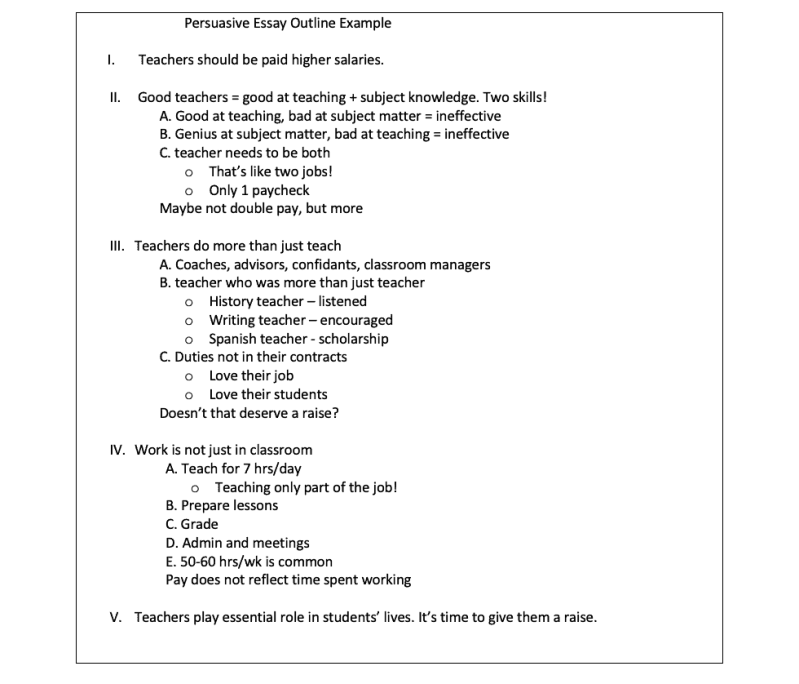
A: Follow the PEEL method (Point, Evidence, Explanation, Link) for each body paragraph. Start with a strong hook (statistic, quote, or bold statement), then build to your thesis. End with a call to action or thought-provoking close that lingers.
Q: How do I handle a persuasive essay topic I don’t fully agree with?
A: Treat it as an intellectual exercise. Research thoroughly, then adopt a neutral stance while presenting the strongest possible case for the topic. This forces you to engage critically and strengthens your ability to argue any position.
Q: What role does tone play in persuasive writing?
A: Tone sets the emotional temperature of your essay. A formal, authoritative tone works for academic arguments, while a conversational, urgent tone suits advocacy. Avoid sarcasm or overly casual language—persuasion thrives on clarity and confidence.
Q: How can I make my persuasive essay stand out in a crowded field?
A: Differentiate with novelty. Instead of regurgitating common arguments, combine unexpected evidence (e.g., historical parallels, expert interviews) or use an unconventional structure (e.g., a narrative-driven essay that builds to a policy recommendation).
Q: Is it ethical to use persuasive techniques in writing?
A: Ethics hinge on intent and transparency. Persuasion is ethical when it informs, not misleads; respects counterarguments; and serves a greater good (e.g., social change, policy improvement). Manipulation (e.g., false data, emotional blackmail) crosses the line.
Q: How do I revise a persuasive essay to strengthen its impact?
A: Cut weak evidence, tighten transitions, and test readability. Ask: Does every paragraph advance the thesis? Could a skeptic still doubt my conclusion? Revise for concision—persuasive essays should feel inevitable, not exhaustive.
Leave a Comment
Comments are moderated before appearing. The data you submit is processed according to the Privacy Policy of Medicine.